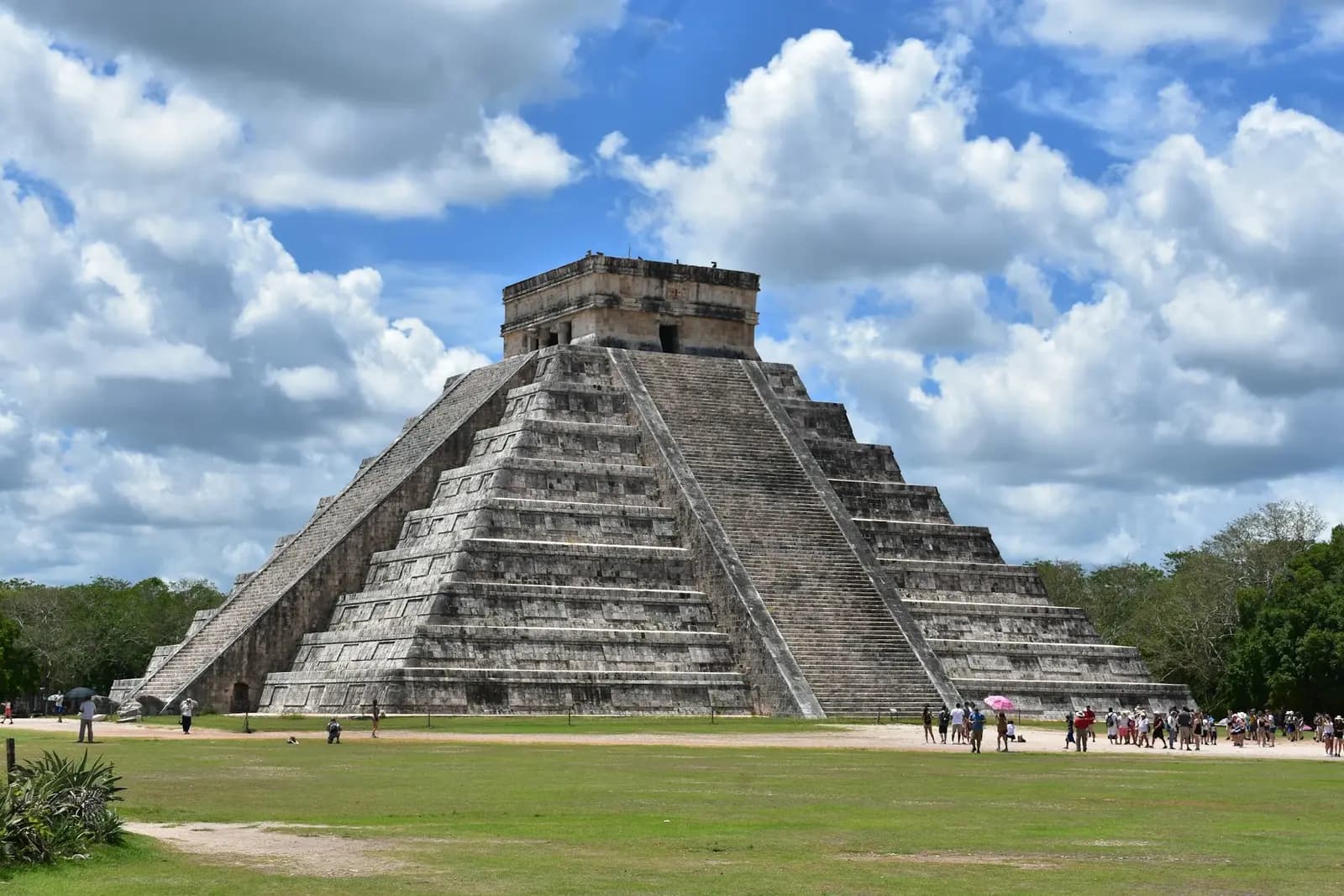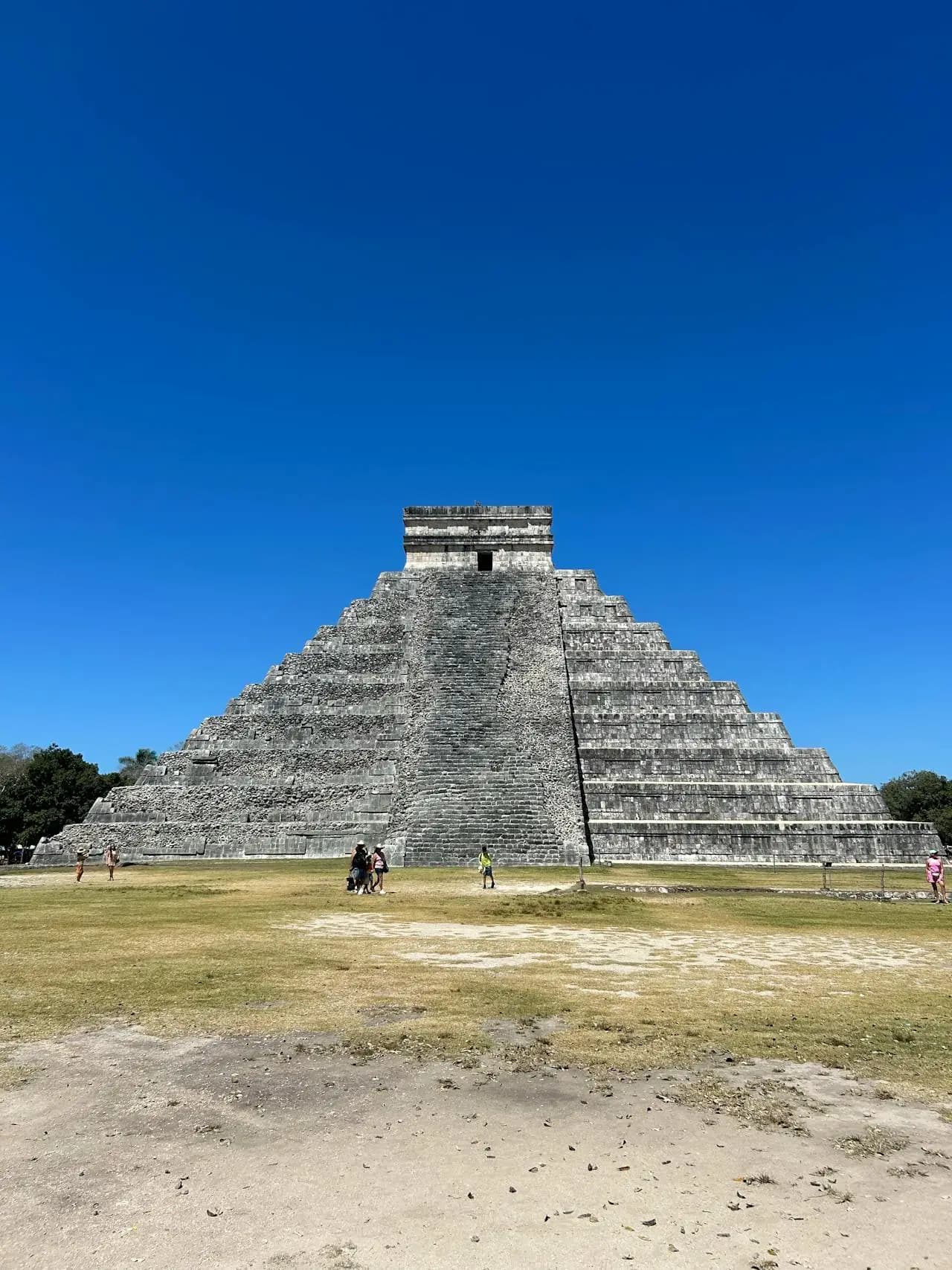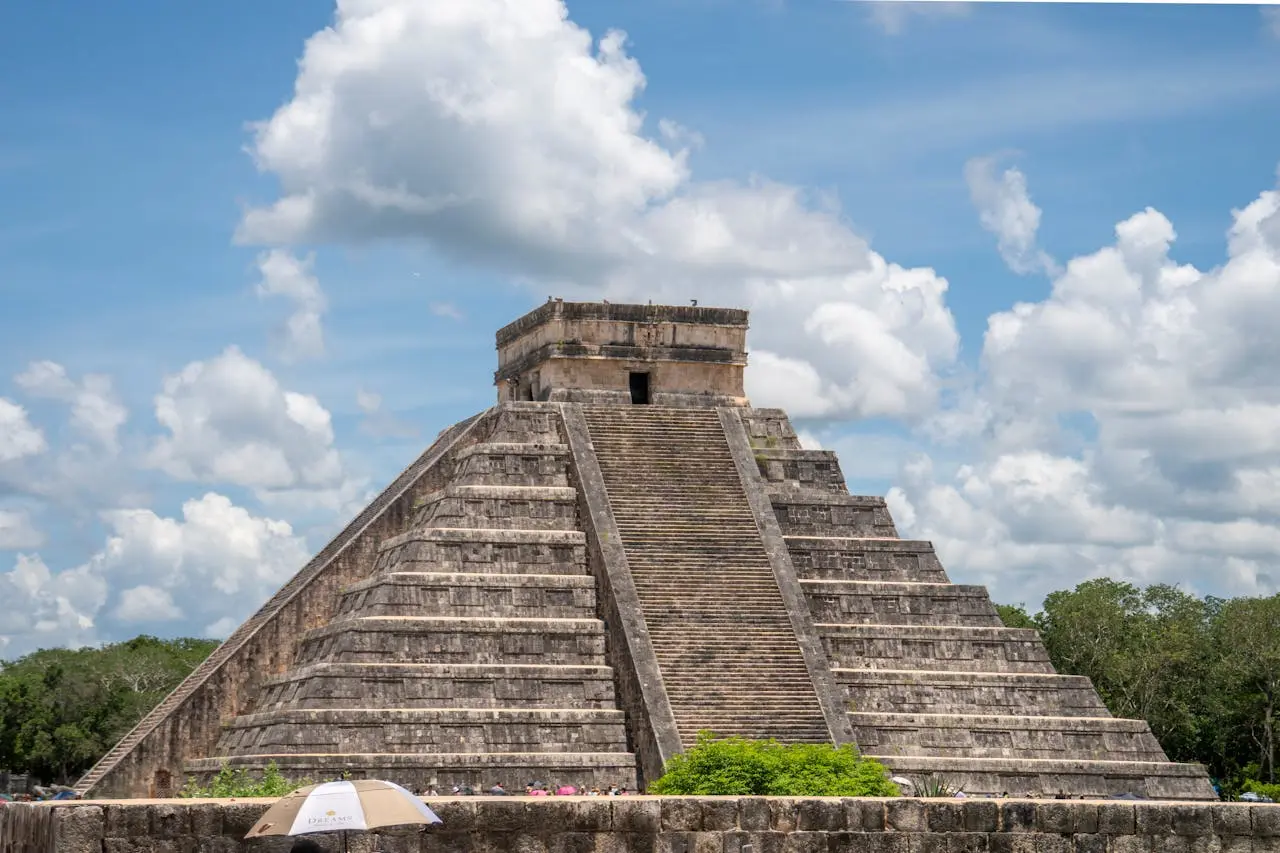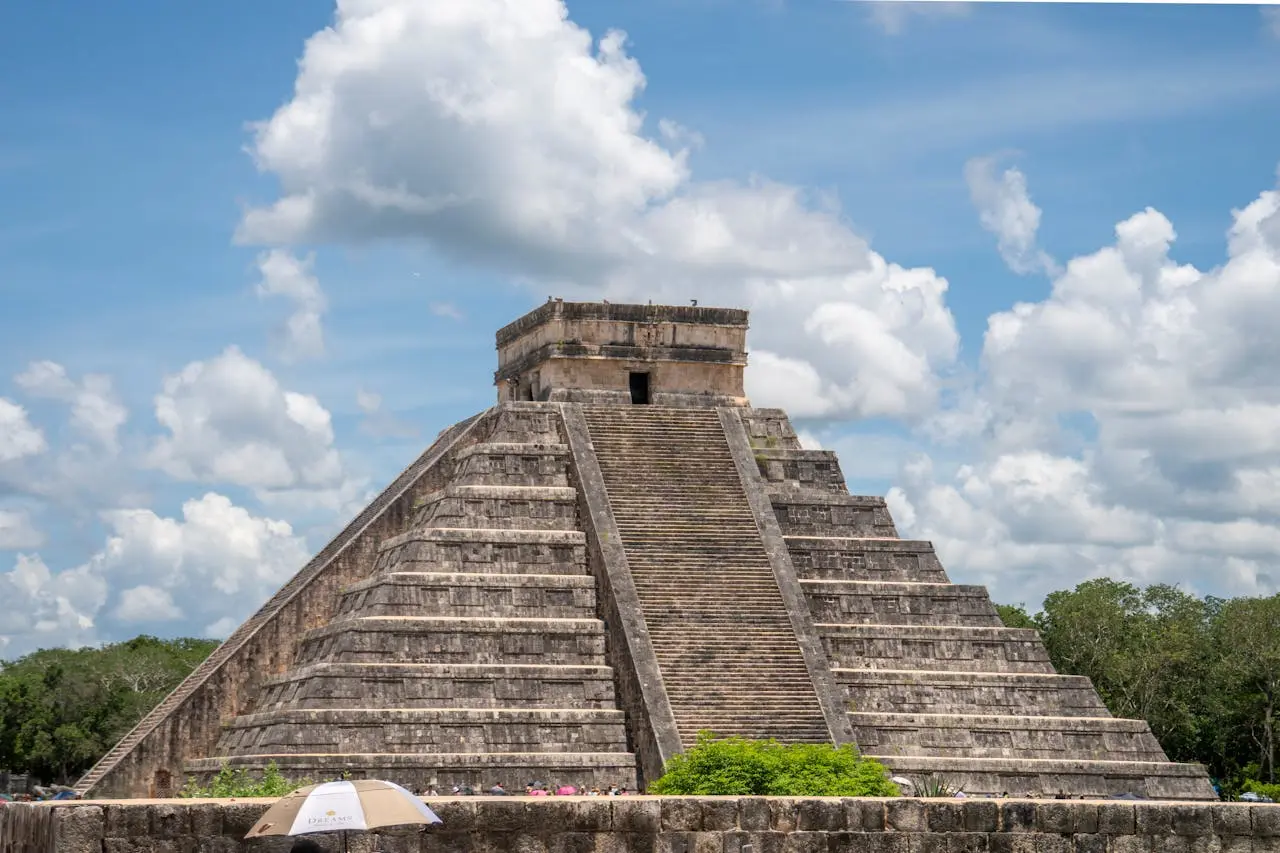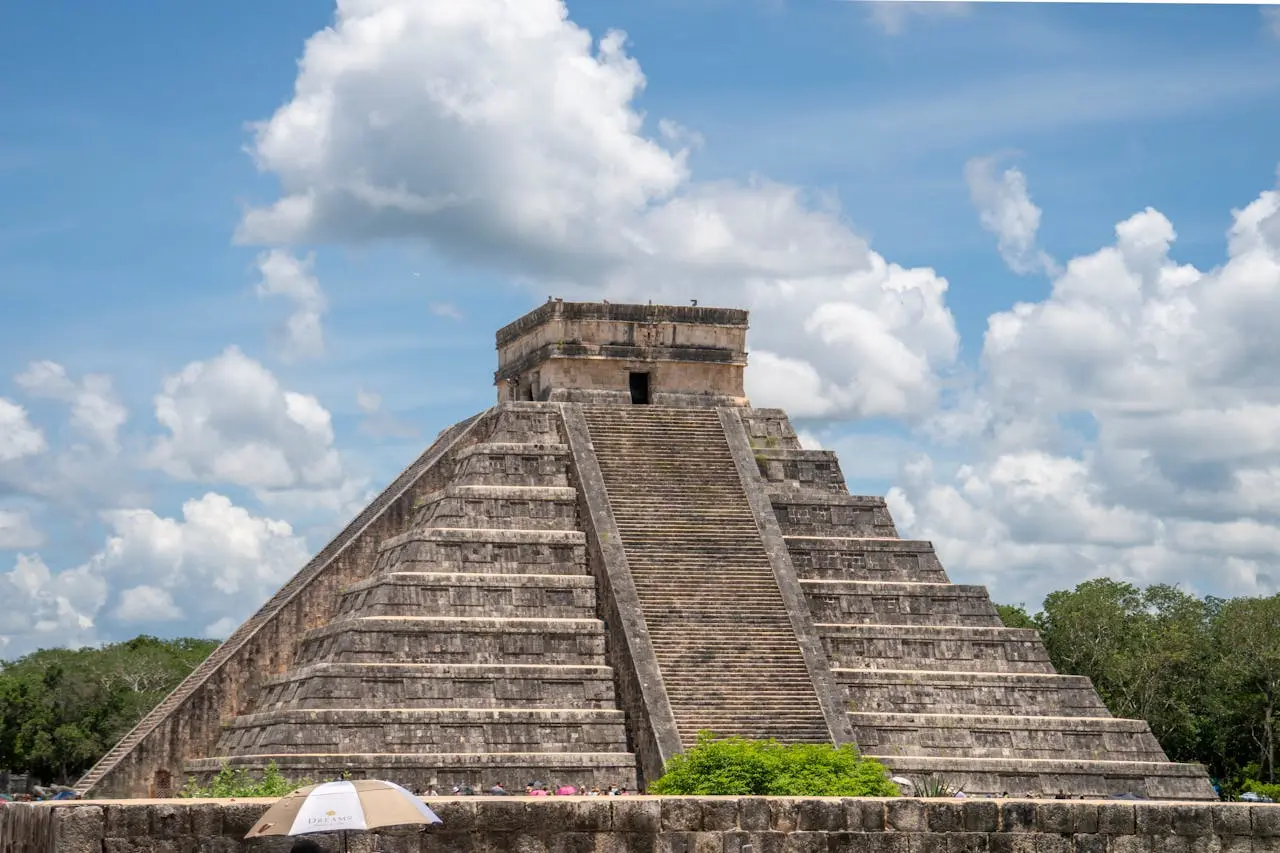
The best time to visit Chichén Itzá comes down to three choices: the month (cool, dry November to February), the time of day (arrive at the 8:00 AM opening), and the day of the week (skip Sundays). Here is how to time it right.
What You Should Know
- Timing Chichén Itzá is really three decisions: the month, the day of the week, and the time of day. The time of day matters most: the site opens at 8:00 AM, and arriving then beats both the tour buses (which pour in from 10:00 AM) and the midday heat on the shadeless grounds.
- The best months are the cool, dry ones, roughly November through February. March through May is the hot, dry season when the exposed site can be brutal by midday, and June through October is the rainy season, greener and quieter but humid with afternoon storms.
- Avoid Sundays if you can. Entry is free for Mexican nationals and residents on Sundays, which makes it the single busiest day of the week. Weekdays are noticeably calmer.
- The spring and autumn equinoxes (around March 20 and September 22) draw big crowds for the serpent-shadow effect on El Castillo, a spectacle worth seeing but the opposite of a quiet visit.
Best Time to Visit Chichén Itzá: The Short Answer
⭐ The short answer: Visit in the cool, dry months of November through February, on a weekday, and arrive right at the 8:00 AM opening. That combination gives you comfortable temperatures, the thinnest crowds, and clear photos of El Castillo before the tour buses arrive around 10:00 AM.
The best time to visit Chichén Itzá is not one single answer, it is three overlapping ones: the best month, the best day of the week, and the best time of day. Of the three, the time of day matters most. Chichén Itzá is a large, open, shadeless site, and it fills with coach tours from across the Yucatán by mid-morning, so arriving at the 8:00 AM opening is the highest-impact decision you can make, in any month.
Beyond that, the cool, dry season from November to February gives the most comfortable conditions, weekdays are far calmer than weekends, and Sundays are the busiest day of all because entry is free for Mexican nationals and residents. This guide breaks down each of those choices in turn, then covers the equinox and how to get there from wherever you are based. Most visitors reach the ruins on a day trip: our guides to the trip from Cancún, Playa del Carmen, Tulum, and Puerto Morelos compare the operators and travel times from each base.
The Most Important Choice: Arrive at 8:00 AM Opening
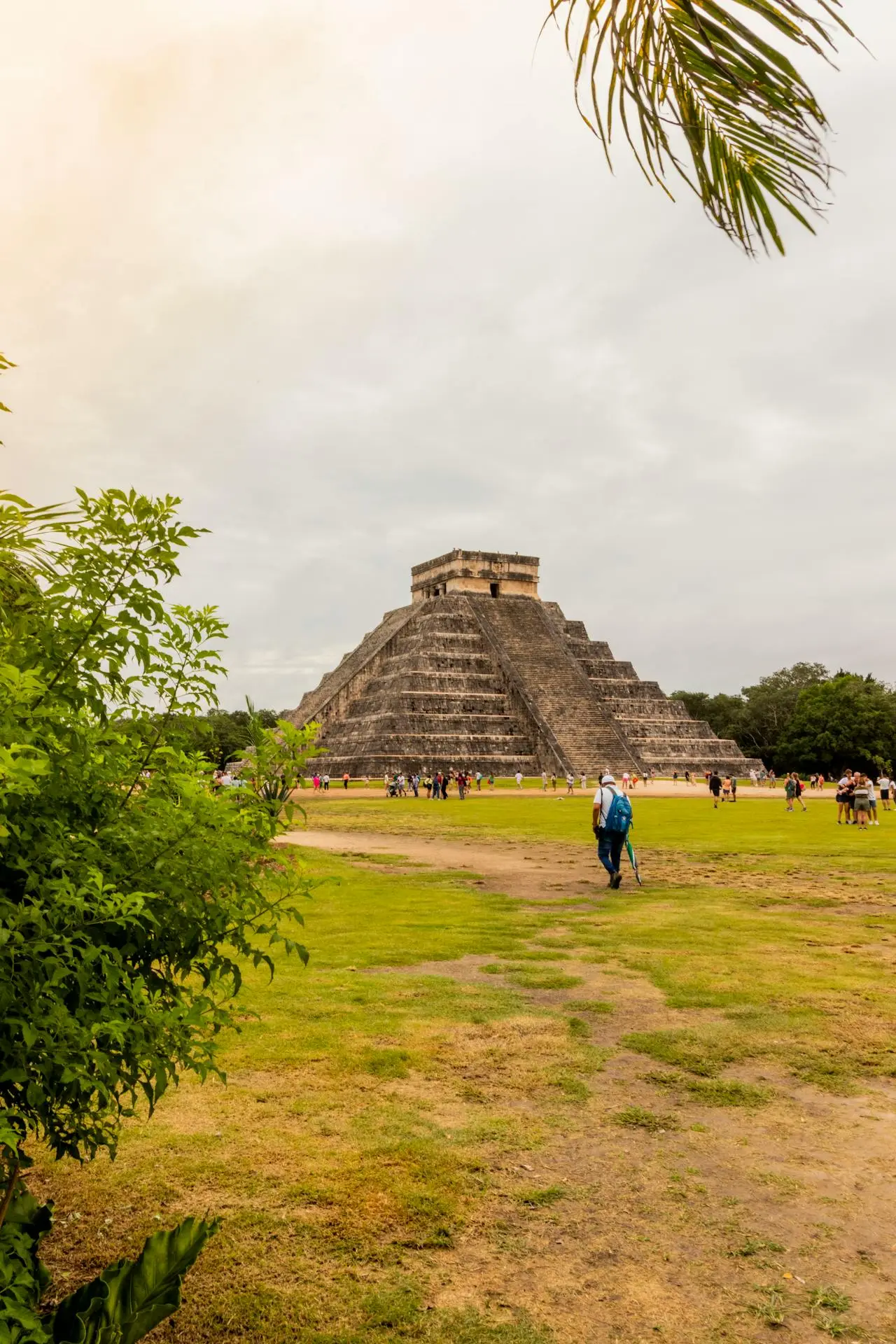
If you take one thing from this guide, make it this: get to Chichén Itzá as close to the 8:00 AM opening as you can. The site is open daily from 8:00 AM to 5:00 PM (last entry around 4:00 PM), and the difference between arriving at opening and arriving mid-morning is the difference between two completely different visits.
Arriving at opening buys you three things at once: cooler air before the midday heat builds on the shadeless grounds, the thinnest crowds of the day before the coach tours arrive around 10:00 to 11:00 AM, and clear, people-free photos of El Castillo. By late morning the main plaza is busy, the vendor stalls along the paths are fully set up, and the sun is high. The catch is that reaching the gate by 8:00 AM from the coast means an early departure, roughly 6:00 to 7:00 AM depending on your base, which is exactly why so many organized tours leave at dawn.
ℹ️ The early start matters more in the hot months (March through May) and the humid rainy season than in the cool winter, but it improves the visit in every month. If you can only optimize one variable, optimize the arrival time.
Best Months: Dry Season vs Rainy Season
Chichén Itzá sits inland in the Yucatán, away from the sea breeze, so it runs hotter and more humid than the coast. The year splits into two seasons, and because the site is fully exposed, the weather shapes the visit more than it would at a shaded attraction.
The cool, dry season (November through February) is the best window: comfortable daytime temperatures, low humidity, and clear skies, ideal for walking an open archaeological site. It overlaps the coast's high tourist season, so the site is busy, but the weather is the year's most forgiving. The hot, dry season (March through May) brings the most intense heat, regularly into the high 30s Celsius by midday, which is punishing on the shadeless grounds; this is when an early arrival matters most. The rainy season (June through October) is hot and humid with short, heavy afternoon storms, but the landscape is greener, the crowds thin, and mornings are often clear, so a morning visit still works well. While Chichén Itzá is inland and rarely affected directly, August through October overlaps the Atlantic hurricane season, which can occasionally disrupt travel plans and tours along the Riviera Maya.
| Season | Months | Weather | Crowds | Verdict |
|---|---|---|---|---|
| Cool & dry | Nov–Feb | Warm days, low humidity, clear skies | High (coast peak season) | Best overall conditions |
| Hot & dry | Mar–May | Very hot midday, high 30s°C | High (spring break, Easter, equinox) | Go at opening or skip midday |
| Rainy | Jun–Oct | Hot, humid, afternoon storms | Lower (quietest of the year) | Green and quiet; visit in the morning |
Chichén Itzá Month by Month
Here is the whole year at a glance, scoring each month on the combination of weather and crowds for visiting the exposed site. Every month is visitable with an early start; the scores simply reflect how forgiving the conditions are.
| Month | Overall | Weather | Crowds | Headline |
|---|---|---|---|---|
| January | 9/10 | Cool, dry, clear | High | Ideal weather; book ahead |
| February | 9/10 | Cool, dry, clear | High | Best all-round month |
| March | 7/10 | Warming fast | Very high (spring break, equinox) | Equinox crowds; go early |
| April | 6.5/10 | Hot | Very high (Easter) | Heat and Semana Santa crowds |
| May | 6/10 | Hottest of the year | Moderate | Brutal midday heat; opening only |
| June | 7/10 | Hot, humid; rain starts | Lower | Green and quieter; morning visit |
| July | 7/10 | Humid; afternoon storms | Moderate (summer holidays) | Lush; beat the afternoon rain |
| August | 7/10 | Humid; afternoon storms | Moderate, easing late | Green season; crowds thinning |
| September | 7.5/10 | Rainy but often clear mornings | Lowest of the year | Quietest month; autumn equinox |
| October | 7.5/10 | Rain easing; pleasant | Low | Quiet and green before high season |
| November | 9/10 | Dry season returns; cooler | Low to moderate | Top pick: great weather, pre-holiday calm |
| December | 8.5/10 | Cool, dry | High late (holidays) | Excellent early month; holiday peak late |
ℹ️ Scores weigh weather and crowds together for the average visitor. Whatever the month, arriving at the 8:00 AM opening on a weekday is what makes the biggest difference.
Chichén Itzá Weather by Month (and Crowd Meter)
Chichén Itzá sits inland near Valladolid, so it runs hotter and drier than the coast. Here are the average monthly conditions alongside a crowd meter, more stars means busier. The heat peaks before the rains (March to May), while the crowds peak in the winter dry season and around the equinoxes.
| Month | Avg High | Avg Low | Rain Days | Crowds |
|---|---|---|---|---|
| January | 29°C (84°F) | 18°C (64°F) | 5 | ⭐⭐⭐⭐☆ |
| February | 30°C (86°F) | 18°C (64°F) | 3 | ⭐⭐⭐⭐☆ |
| March | 33°C (91°F) | 20°C (68°F) | 3 | ⭐⭐⭐⭐⭐ |
| April | 35°C (95°F) | 22°C (72°F) | 3 | ⭐⭐⭐⭐⭐ |
| May | 35°C (95°F) | 23°C (73°F) | 7 | ⭐⭐⭐☆☆ |
| June | 34°C (93°F) | 23°C (73°F) | 12 | ⭐⭐☆☆☆ |
| July | 34°C (93°F) | 22°C (72°F) | 11 | ⭐⭐⭐☆☆ |
| August | 34°C (93°F) | 22°C (72°F) | 12 | ⭐⭐⭐☆☆ |
| September | 32°C (90°F) | 22°C (72°F) | 16 | ⭐☆☆☆☆ |
| October | 31°C (88°F) | 21°C (70°F) | 12 | ⭐⭐☆☆☆ |
| November | 30°C (86°F) | 19°C (66°F) | 7 | ⭐⭐⭐☆☆ |
| December | 29°C (84°F) | 18°C (64°F) | 5 | ⭐⭐⭐⭐☆ |
ℹ️ Temperatures are long-term averages for the Valladolid station near the site and vary year to year. The crowd meter reflects typical visitor numbers: highest in the winter dry season and at the March and September equinoxes, lowest in the rainy months of September and October.
Worst Time to Visit Chichén Itzá
If avoiding heat and crowds is your priority, the least comfortable months are April and May: they bring the year's most extreme temperatures, regularly into the mid-30s Celsius with almost no shade, on top of heavy visitor numbers around Easter (Semana Santa). A midday visit in these months is genuinely draining.
The other times to avoid are Sundays (free entry for Mexican nationals and residents makes it the busiest day of the week), the March equinox (the single biggest crowd day of the year), and mid-morning any day (when the coach tours arrive and the sun is high). The common thread is that the worst experiences come from arriving late on a hot, busy day. Even in the toughest months, arriving at the 8:00 AM opening on a weekday transforms the visit.
Who Should Visit When
The best month shifts with what you care about most. Find the row that matches your trip.
| Traveler | Best Time | Why |
|---|---|---|
| Families | January, February | Cool, dry weather is easiest for kids on an exposed site. |
| Photographers | November | Clear skies, comfortable light, and lower crowds for clean shots. |
| Budget travelers | September | The quietest, cheapest travel window on the coast, just plan around the rain. |
| Avoiding heat | December, January | The coolest months of the year at the ruins. |
| Equinox fans | March, September | The serpent-shadow spectacle on El Castillo, at the cost of big crowds. |
| Quiet visit | September, October | The lowest crowds of the year in the green rainy season. |
Best Day of the Week: Avoid Sundays
The day of the week matters more at Chichén Itzá than at most attractions, for one specific reason: entry is free for Mexican nationals and residents on Sundays. That makes Sunday by far the busiest day, with large domestic crowds on top of the usual international visitors. If your schedule is flexible, visit on a weekday instead.
Tuesday through Friday are the calmest days. Saturdays are busier than weekdays but still better than Sundays. Whatever day you choose, the early-arrival rule still applies: a weekday at opening is the quietest the site gets, while a Sunday mid-morning is the busiest.
The Equinox: Serpent Shadow on El Castillo
Twice a year, around the spring equinox (roughly March 20 to 21) and the autumn equinox (roughly September 22 to 23), the late-afternoon sun casts a series of triangular shadows down the northern staircase of El Castillo, creating the illusion of a serpent descending the pyramid. It is a genuine feat of Maya astronomical engineering and a remarkable thing to witness.
The trade-off is crowds. The equinox dates, especially the March one, draw some of the largest crowds of the year, and the effect is best in the afternoon rather than at the quiet morning opening. If seeing the serpent shadow is your goal, plan for a busy, hot afternoon and arrive prepared for it. If you want the ruins themselves in relative calm, visit outside the equinox windows. A near-identical shadow effect is visible for several days on either side of the exact dates, which can be slightly less crowded than the peak day itself.
Sat Mexico Tours
The most-booked Chichén Itzá day trip on the coast, departing from Cancún and the Riviera Maya. A full-day small-group tour pairing the ruins with a swim at the Ik Kil cenote and free time in colonial Valladolid, with A/C round-trip transport and a buffet lunch. Its enormous review count makes it the most popular option for reaching the site.
Book NowBooking a Tour to Chichén Itzá
Almost everyone visits Chichén Itzá on a day trip, and the departure point shapes the day: the earlier your tour leaves, the closer to the 8:00 AM opening you arrive. The most popular tours run from Cancún and the Riviera Maya, and the best-timed ones leave at dawn specifically to beat the buses and the heat. Whichever base you are staying at, our departure-point guides compare the operators, prices, and travel times: Chichén Itzá from Cancún, from Playa del Carmen, from Tulum, and from Puerto Morelos.
One booking note that affects timing: the government entrance fee (around $45 USD per adult) is charged separately from most tour prices, and a few tours reach the site earlier than others. When comparing options, weigh the departure time and how early the tour reaches the gate as heavily as the headline price.
Getting There: Best Departure Point by Base
Chichén Itzá sits roughly in the middle of the Yucatán Peninsula, about 2 to 3 hours from the main coastal bases. The closer your base and the earlier your departure, the easier it is to reach the ruins near the 8:00 AM opening.
| From | Approx. drive | Guide |
|---|---|---|
| Cancún | ~2.5 to 3 hrs | Chichén Itzá from Cancún |
| Puerto Morelos | ~2.5 hrs | Chichén Itzá from Puerto Morelos |
| Playa del Carmen | ~2.5 hrs | Chichén Itzá from Playa del Carmen |
| Tulum | ~2 to 2.5 hrs | Chichén Itzá from Tulum |
Tulum and Valladolid are the closest bases to the ruins, so a tour from Tulum can reach the gate slightly earlier, while Cancún has the widest choice of departures. Staying overnight in Valladolid (about 45 minutes away) is the insider move for being first through the gate at opening, and it is also the only practical way to catch the Chichén Itzá light show when it is running.
From Our Experience
What we consistently see is that the arrival time changes the visit more than the month does. Two people can visit in the same week and come away with opposite impressions: one arrived at opening to cool air and empty plazas, the other arrived at 11:00 AM to heat, crowds, and buses. Optimize the hour first, then the month and the day.
Tips for Timing Your Chichén Itzá Visit
- Arrive at the 8:00 AM opening: this is the single biggest factor in every month. It beats the coach tours (which arrive from 10:00 AM) and the midday heat on the shadeless site.
- Aim for November to February: the cool, dry months are the most comfortable for walking an exposed archaeological site.
- Visit on a weekday, not Sunday: free Sunday entry for nationals and residents makes it the busiest day of the week.
- In the hot months, the early start is non-negotiable: March through May can hit the high 30s Celsius by midday with no shade.
- Bring water, a hat, sun protection, and reef-safe repellent: there is little shade, and the rainy-season months bring mosquitoes near the vegetation. Our Chichén Itzá rules guide covers what to wear and what you can bring through the gate.
- Decide on the equinox deliberately: March and September equinox dates deliver the serpent-shadow spectacle but the year's biggest afternoon crowds.
- Budget the entrance fee separately: around $45 USD per adult, usually not included in tour prices.
Frequently Asked Questions
What is the best time to visit Chichén Itzá?+
Visit in the cool, dry months of November through February, on a weekday, and arrive right at the 8:00 AM opening. That combination gives comfortable temperatures, the thinnest crowds, and clear photos before the coach tours arrive around 10:00 AM. Of the three, the arrival time matters most and improves the visit in any month.
What is the best time of day to visit Chichén Itzá?+
Right at the 8:00 AM opening. The site is open 8:00 AM to 5:00 PM, and arriving at opening beats the tour buses that pour in from around 10:00 AM and the midday heat on the shadeless grounds. It also means clear, people-free photos of El Castillo. Reaching the gate by 8:00 AM from the coast means an early, roughly 6:00 to 7:00 AM, departure.
What is the best month to visit Chichén Itzá?+
November through February are the best months: cool, dry, and clear, which is ideal for walking the exposed site. November is a standout for combining good weather with lower, pre-holiday crowds. March through May is the hottest and can be punishing by midday, while June through October is rainy but greener and much quieter.
Which day of the week is best to visit Chichén Itzá?+
Any weekday, ideally Tuesday through Friday. Avoid Sundays: entry is free for Mexican nationals and residents that day, making it the busiest of the week. A weekday at the 8:00 AM opening is the quietest the site gets.
When is the equinox at Chichén Itzá in 2026?+
The spring equinox falls around March 20 to 21 and the autumn equinox around September 22 to 23. On these dates the afternoon sun creates the famous serpent-shadow effect down El Castillo's staircase. The effect is visible for several days on either side of the exact date. Expect very large crowds, especially at the March equinox.
How hot does Chichén Itzá get?+
The site is inland and fully exposed, so it runs hotter than the coast. The hot, dry season from March through May regularly reaches the high 30s Celsius by midday with almost no shade. Even in the cooler winter months, midday sun is strong, which is why arriving at the 8:00 AM opening is recommended year-round.
How do I get to Chichén Itzá?+
Most visitors come on a guided day trip from the coast: roughly 2.5 to 3 hours from Cancún, about 2.5 hours from Puerto Morelos and Playa del Carmen, and 2 to 2.5 hours from Tulum. The earlier the departure, the closer to opening you arrive. Staying overnight in Valladolid, about 45 minutes away, is the best way to be first through the gate.
Affiliate note: Some links on this page are affiliate links. If you book through them, we may earn a small commission at no additional cost to you.