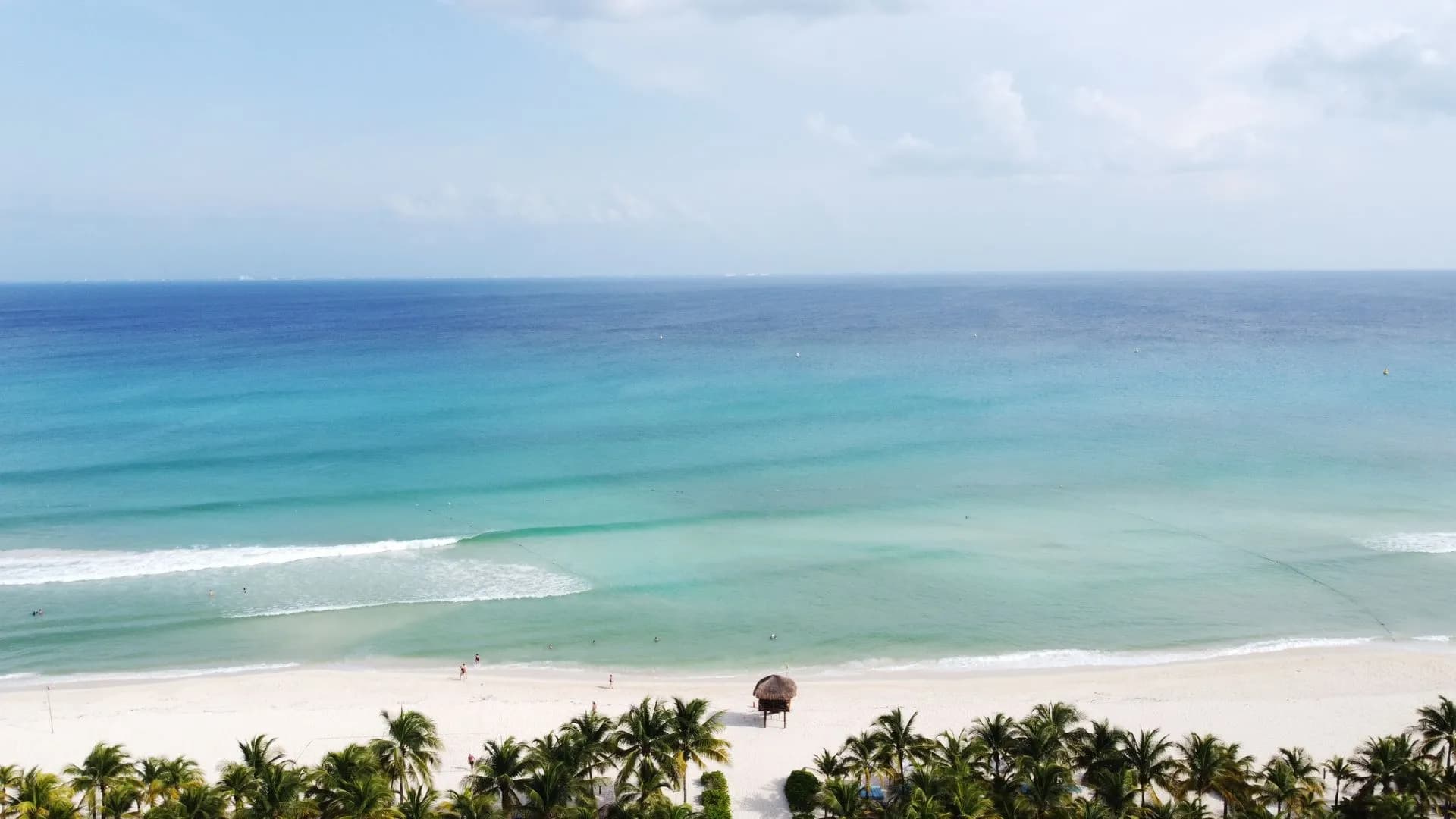
March brings warm, near-summer weather to the Riviera Maya with the dry season still holding, but it is the year's busiest and priciest month, driven by US spring break and Semana Santa, and the first sargassum of the year starts to appear. Here is the honest picture on weather, crowds, seaweed, and where to base yourself.
What You Should Know
- March is warm, dry, and near-summer along the whole corridor, from Puerto Morelos through Playa del Carmen and Akumal to Tulum: daytime highs of 29 to 31°C, very little rain, and the dry season still holding. Cold fronts are mostly done by mid-month.
- This is the year's peak-demand month. US and Canadian spring break fills the corridor through mid-March, and Semana Santa (Holy Week, late March into early April in 2026) brings a wave of Mexican domestic travel. Prices and crowds are at their annual high.
- The first sargassum of the year usually appears in March, building through the month. It is variable and worst on open-facing beaches (Tulum, Playa, Akumal); Puerto Morelos behind its reef and Cozumel's leeward coast stay clearest.
- Whale shark tours are not available (season is June through September). The reef and cenotes still have excellent clarity in early March, and early March, before spring break peaks, is the calmest and best-value window of the month.
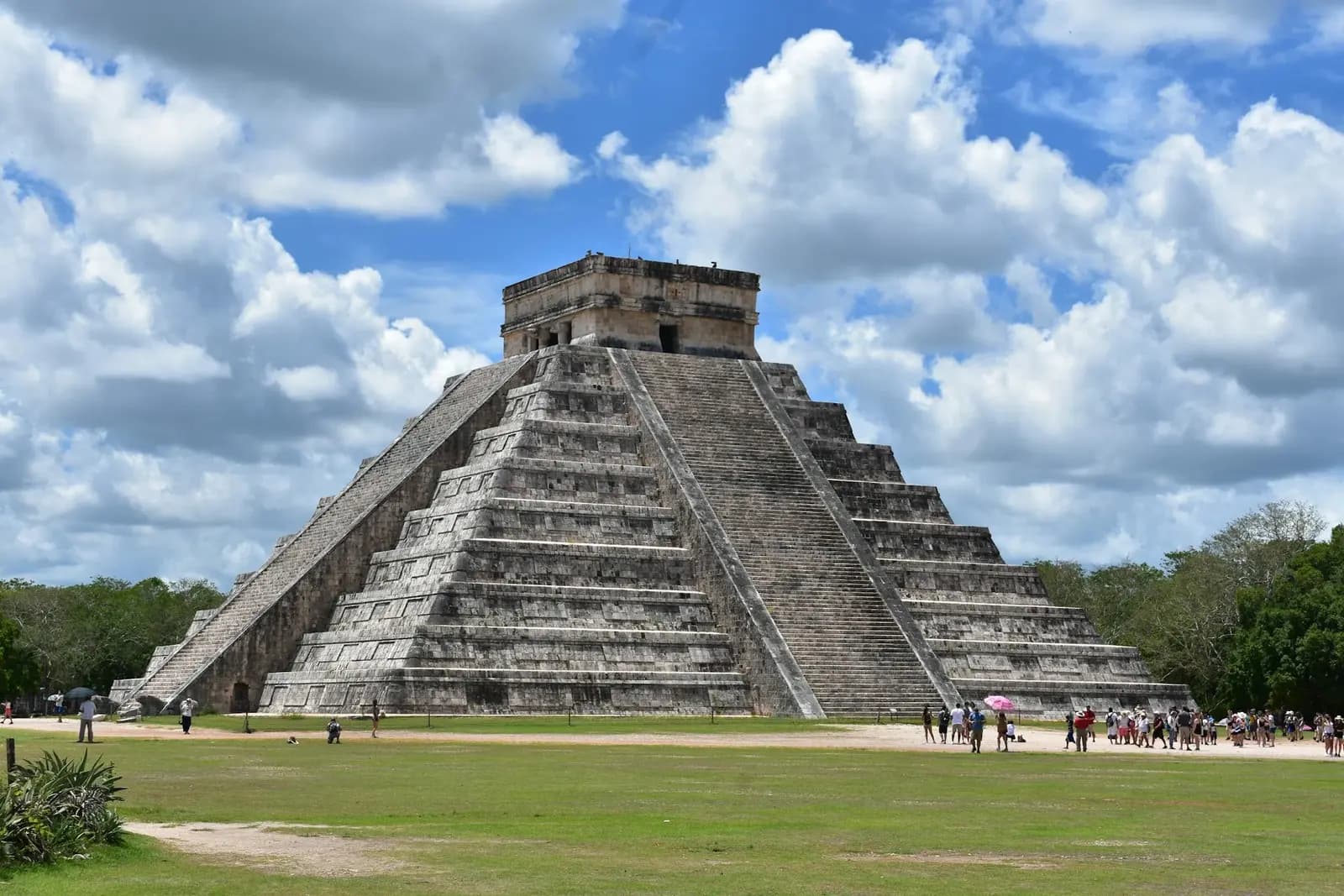
Chichén Itzá Day Trip from the Riviera Maya
The most-reviewed day trip on the coast, and a smart escape from the spring-break beaches. March heat makes the exposed plateau warmer, so book the earliest departure; pickups run right along the Riviera Maya corridor.
Book NowThe Riviera Maya in March: The Honest Picture
⭐ Best March window for the corridor: the first week. Early March gets you warm, dry weather and the year's clearest late-dry-season water before US spring break peaks mid-month and Semana Santa crowds build at the end.
| Factor | March Rating |
|---|---|
| Weather | 9/10 — warm, dry, near-summer; occasional early-month norte |
| Crowds | 3/10 — the year's busiest month (spring break + Semana Santa) |
| Prices | 3/10 — annual peak; highest of the year |
| Beaches | 7/10 — sargassum building; variable by town |
| Reef & Cenotes | 9/10 — reef still clear early month; cenotes excellent all month |
| Sargassum | 6/10 — starting; worse on open beaches, worse late month |
| Whale Sharks | 0/10 — not available (season: June–September only) |
| Families | 6/10 — great weather, but spring-break party crowds in some zones |
| Couples | 6/10 — warm and lively, but busy, pricey, and party-heavy |
📅 The Riviera Maya month by month, at a glance (weather comfort, relative hotel price, and seaweed risk):
| Month | Weather | Prices | Seaweed | Overall |
|---|---|---|---|---|
| January | ⭐⭐⭐⭐⭐ | $$$$ | Low | 10/10 |
| February | ⭐⭐⭐⭐⭐ | $$$$ | Low | 9.8 |
| March | ⭐⭐⭐⭐ | $$$$$ | Medium | 9.0 |
| April | ⭐⭐⭐⭐ | $$$$ | Medium | 8.5 |
| May | ⭐⭐⭐ | $$ | High | 7.2 |
| June | ⭐⭐⭐ | $$ | High | 7.0 |
| July | ⭐⭐⭐ | $$ | High | 7.2 |
| August | ⭐⭐⭐ | $$ | High | 7.0 |
| September | ⭐⭐ | $ | Medium-High | 6.2 |
| October | ⭐⭐⭐⭐ | $$$ | Low-Medium | 8.0 |
| November | ⭐⭐⭐⭐ | $$$ | Low | 9.0 |
| December | ⭐⭐⭐⭐ | $$$$$ | Low | 8.5 |
💰 Average March hotel prices (4-star, mid-range along the corridor):
Puerto Morelos: ~$210/night · Playa del Carmen: ~$230/night · Puerto Aventuras: ~$235/night · Akumal: ~$250/night · Tulum: ~$300/night
Rough mid-range estimates aggregated from booking data; spring-break and Semana Santa dates run higher still, and all vary significantly by property and lead time.
March is a genuinely great-weather month on the Riviera Maya, with two big caveats. The weather itself is excellent: warm, near-summer days, the dry season still holding, and the last of the winter cold fronts fading by mid-month. Every activity runs, from reef snorkeling at Puerto Morelos and cenote swims through the jungle to archaeology day trips to Tulum and Chichén Itzá and the Cozumel reef a short ferry from Playa del Carmen.
The first caveat is crowds and price. March is the busiest and most expensive month of the year on the corridor. US and Canadian spring break fills Playa del Carmen and Tulum through the middle of the month, and Semana Santa (Holy Week, which falls late March into early April in 2026) brings a large wave of Mexican domestic travel at the end. Hotel rates hit their annual peak, popular tours and beach clubs book out, and the party-town zones get loud. The second caveat is sargassum. March is usually when the first seaweed of the year appears, building as the month goes on. It is variable and hits the open-facing beaches hardest, while the sheltered spots stay clearer.
In our view, March works best if you either lean into it (spring breakers who want the warm-weather party scene) or plan around it (arrive in early March, base in a calmer town, and prioritize the reef, cenotes, and ruins over open-beach lounging). If your heart is set on quiet beaches and low prices, we'd look at January, February, or November instead. The one thing March cannot offer is whale sharks, which run June through September well north of the corridor.
Most Popular Tours
Compare and Book the Top Riviera Maya Tours
These are the four most-booked experiences along the corridor in March, spanning the exposed archaeology sites at Chichén Itzá and Tulum, the sheltered Puerto Morelos reef, and the Rio Secreto caves. In peak season they fill fast, so compare live options below, then book March's strongest pick, the Chichén Itzá day trip, directly.
Riviera Maya Weather in March: Temperature, Rain & Sea Conditions
| Metric | March |
|---|---|
| Avg High | 30°C (86°F) |
| Avg Low | 21°C (70°F) |
| Water Temp | 26°C (79°F) |
| Rain Days | ~3 |
| Humidity | Low to moderate |
| Wind | Low (last nortes fade by mid-month) |
| Hurricane Risk | None (season runs June–November) |
Temperature and Humidity
March is the warmest of the dry-season months on the Riviera Maya, edging toward summer without the humidity or storms. Daytime highs typically reach 29 to 31°C (84 to 88°F), a degree or two warmer toward Tulum, with humidity still low enough that the heat feels comfortable rather than oppressive. Evenings are mild at 21 to 23°C (70 to 73°F), noticeably warmer than January and February, so the light-layer advice eases off, though it is still handy for an air-conditioned dinner or a late boat. Caribbean Sea temperature warms to around 26°C (79°F), ideal for long snorkeling and swimming without a wetsuit (historical averages via Mexico's Servicio Meteorológico Nacional).
Rain and Cold Fronts (Nortes)
March is firmly dry season, the driest stretch of the year, with average monthly rainfall around 20 to 30mm and most days completely rain-free. The winter cold fronts are on their way out: an early-March norte is still possible and can bring a day of wind, but by mid-month they are largely finished, and the run of calm, settled days lengthens. This is the flip side of March's crowds, the weather is about as reliable as the Riviera Maya gets, which is part of why the month draws such demand.
Sea Conditions, Reef, Cenotes and Early Sargassum
Early March still carries the excellent late-dry-season water clarity of January and February, with 20 to 30 metres of reef visibility common at Puerto Morelos and the Cozumel wall. The cenotes, fed by filtered groundwater, stay crystalline all month regardless of the sea. The change to watch is sargassum: March is typically when the first seaweed of the year reaches the coast, and it tends to build through the month, more on the open-facing beaches than the sheltered ones. It rarely affects the reef dive and snorkel sites, which sit offshore, but it can line the open beaches. We'd plan reef time for early in the month and lean on Puerto Morelos and Cozumel's leeward coast if a clean beach matters.
| Month | Weather | Sargassum Risk | Whale Sharks | Prices | Best For |
|---|---|---|---|---|---|
| March | Warm, dry, near-summer | Building | Not available | Highest (spring break) | Spring breakers; reef and ruins early month |
| February | Dry, warm, calmest of winter | Low | Not available | High; Valentine's bump | Couples, reef, cenotes |
| April | Hot, dry, humid building | Medium, building | Not available | High early, softer post-Easter | Post-Easter value, warm water |
| May–Aug | Hot, humid, storms possible | High | Season Jun–Sep | Lower | Whale sharks (up north), budget travel |
| November | Dry, mild | Low | Not available | Below peak | Best value dry season |
| January | Dry, mild, nortes possible | Low | Not available | High early, softer mid-month | Reef, cenotes, archaeology |
Crowds and Prices in March: What to Expect Along the Corridor
March is the busiest and most expensive month of the year on the Riviera Maya, and the demand comes in two overlapping waves. The pattern holds in every corridor town from Puerto Morelos to Tulum, though the party intensity concentrates in Playa del Carmen and Tulum.
Early March (March 1–8)
The first week is the calmest and best-value window of the month. Spring break has not yet peaked, Semana Santa is weeks away, and you get March's warm, dry weather with late-dry-season water clarity and the least sargassum of the month. If your dates are flexible and you want March conditions without the full crowd, this is the window we'd target.
Spring Break (roughly March 9–23)
US and Canadian spring break fills the corridor through the middle of the month. Playa del Carmen's Fifth Avenue and beach clubs and Tulum's beach road get loud and busy, hotel rates climb to their annual peak, and popular tours, clubs, and restaurants book out. Exact dates vary by school and university calendar, so the surge is spread across a couple of weeks rather than a single spike. If you are not there for the party scene, this is the stretch to plan carefully around.
Late March and Semana Santa (March 24–31)
As spring break winds down, Semana Santa (Holy Week) ramps up. In 2026 Easter falls on April 5, so Holy Week runs late March into the first days of April, bringing a large wave of Mexican domestic travel to the beaches. Late March is busy and pricey, and sargassum is usually at its worst for the month by now. Cenotes, ruins, and eco-parks are excellent ways to sidestep both the crowds and the seaweed.
Tulum in March
Tulum is at its most expensive and most in-demand in March, as the beach road is a spring-break epicentre. Rates hit their yearly high and the boutique properties book out weeks ahead. If you want Tulum in March for the scene, reserve early; if you want it for quiet, this is the wrong month, and Puerto Morelos or the Puerto Aventuras and Akumal family belt will suit better.
Who Should Visit the Riviera Maya in March?
March is more polarising than the winter months. Here is the honest fit.
| ✓ Perfect for | ✗ Less ideal for |
|---|---|
| Spring breakers wanting the warm-weather party scene | Travelers seeking quiet, off-peak beaches |
| Sun-seekers who want near-summer warmth without the rain | Budget travelers (prices peak this month) |
| Reef, cenote, and ruins fans who arrive early in the month | Anyone set on pristine, seaweed-free open beaches |
| Divers and snorkelers (offshore sites stay clear) | Whale shark trips (season is June–September) |
| Anyone who books tours and hotels well ahead | Last-minute planners (peak-season sell-outs) |
Perfect for: spring breakers and warm-weather sun-seekers, and, if you arrive in early March and lean on the reef, cenotes, and ruins, anyone who wants near-summer conditions with the dry season still holding. Divers and snorkelers do well all month because the offshore sites stay clear even as beach sargassum builds.
Less ideal for: travelers after a quiet, low-cost, seaweed-free beach trip. March is the year's peak for crowds and price, and the first sargassum of the year is building. If that is your priority, the by-month table near the top points to January, February, or November instead. Whale shark seekers should plan for June through September.
Sargassum in March: The Season Begins
March is usually the month the first sargassum of the year reaches the Riviera Maya. The Atlantic bloom that affects Caribbean beaches builds toward a May-through-August peak, and March is the early edge of that curve: seaweed starts to appear, generally light at the start of the month and building toward the end. It is variable year to year and week to week, so March can range from almost-clean early beaches to noticeable seaweed lines late in the month.
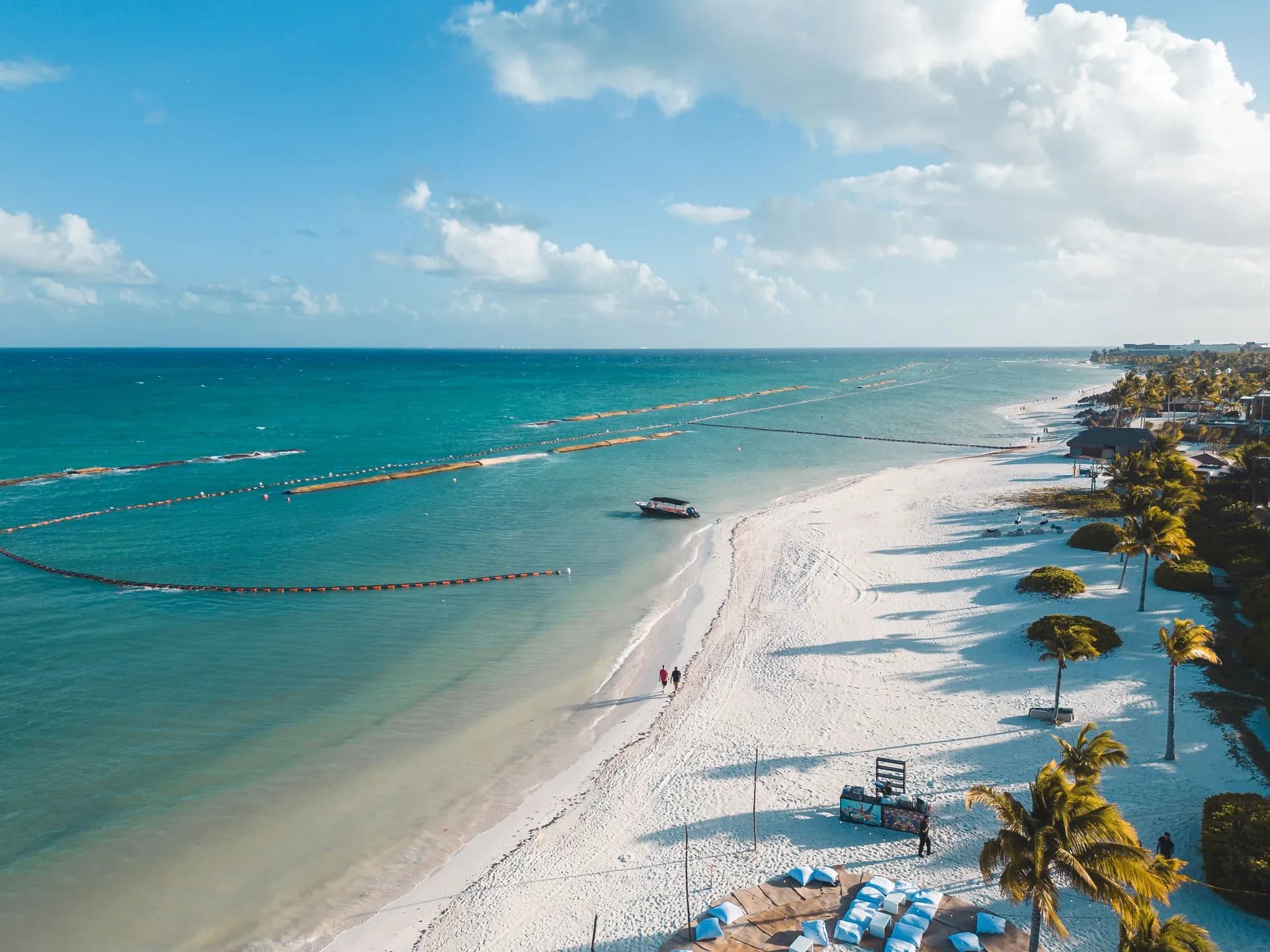
As always on the corridor, town matters more than the calendar in any given week. Most people don't realize sargassum here varies more by town than by month: in the same week, Puerto Morelos behind its reef can stay largely clear while Tulum's open beach catches a real seaweed line. Puerto Morelos, sheltered behind its offshore reef, is the most consistently clean beach on the mainland. Playa del Carmen and the Akumal bays sit in the middle. Tulum's long, open beach is the most exposed and the first to show a heavy line. The reef dive and snorkel sites sit offshore and are rarely affected, and the cenotes are inland and never affected. If a clean beach is your priority in March, base near Puerto Morelos or plan to hop to Cozumel's leeward west coast, which stays clear even at the summer peak.
Check real-time conditions in the week before arrival. The University of South Florida Optical Oceanography Lab posts weekly sargassum satellite updates year-round, and local Facebook groups post daily beach photos. In March these show the bloom beginning to organise offshore, so the earlier in the month you travel, the lower the risk.
Where to Base Yourself in March
In March, more than any other month, your choice of base decides what kind of trip you have. The weather is the same corridor-wide, but the split between the party towns (Playa del Carmen and Tulum) and the quiet towns (Puerto Morelos and the Puerto Aventuras and Akumal belt) is at its widest. The main tradeoff is scene versus calm: if you want spring break, base in Playa or Tulum; if you want March's weather without the crowds and with the cleanest beach, we'd lean toward Puerto Morelos. A car is optional: the highway is easy, colectivos and taxis connect the towns, and most tours include pickup.
Puerto Morelos
In March, Puerto Morelos is our pick for anyone who wants to sidestep both the spring-break party crowds and the building sargassum. Sheltered behind the corridor's most reliable reef, it holds the cleanest, calmest beach on the mainland, with the best-value snorkeling and a low-key town square. Best for couples and families who want March's weather without its noise.
Playa del Carmen
Still the most convenient base, walkable, central, with the Cozumel ferry and every day trip in reach. The March caveat is that Fifth Avenue and the beach clubs are a spring-break epicentre mid-month, so it is loud and pricey. Great if you want the scene and the convenience; less so if you want quiet.
Puerto Aventuras & Akumal
The mid-corridor family belt is the calm alternative to Playa and Tulum in March. Puerto Aventuras is a gated marina with calm swimming and dolphins; Akumal has turtle snorkeling in a protected bay. Both are quieter and more self-contained, with easy cenote access. Best for families who want warm weather without the spring-break scene.
Tulum
March is Tulum's most expensive and most in-demand month, with the beach road a spring-break hub. Book weeks ahead if you want it for the scene. Its long, open beach is also the most sargassum-exposed on the corridor, so a March Tulum stay leans on the cenotes and beach clubs more than on pristine sand.
Most Popular Tours
The Best Activities in the Riviera Maya in March
March's warm, dry, near-summer weather is excellent for outdoor activities, and the reef, cenotes, and ruins are also the smartest ways to sidestep the spring-break beaches and the building sargassum.
| Activity | March Rating | Best Time of Day | Notes |
|---|---|---|---|
| Chichén Itzá Day Trip | 9/10 | Early morning | Warmer than winter; go early and beat both heat and buses |
| Cenote Swims (Dos Ojos, Rio Secreto) | 10/10 | Midday | Constant 24°C; seaweed-proof and crowd-proof; best March bet |
| Tulum Ruins | 9/10 | Early morning | Cliff-top and exposed; go at opening before heat and crowds |
| Puerto Morelos Reef Snorkeling | 9/10 | Morning | Offshore sites stay clear; early month has the best clarity |
| Cozumel Reef (ferry from Playa) | 9/10 | Morning | Leeward coast stays clean; the clearest reef wall around |
| Akumal Turtle Snorkeling | 8/10 | Morning | Turtles year-round; bay can catch some seaweed late month |
| ATV & Jungle Combo | 9/10 | Morning | Warm; go early for comfort; cenote swim at the end |
| Eco-Parks (Xcaret, Xel-Há) | 9/10 | Full day | Weather-proof and mostly seaweed-proof; busy at Semana Santa |
| Whale Shark Tour | N/A | Not available | Season: June–September only, north of the corridor |
Activities That Are Strongest in March
- Cenotes and Caves: This is the corridor's signature and, in March, its smartest move. The cenotes stay at a constant 24°C, run regardless of weather, and are entirely unaffected by both the spring-break beach crowds and the building sargassum. Dos Ojos and the Rio Secreto cave system near Playa del Carmen are the headline options; the corridor's "cenote route" links dozens more. We'd build at least one cenote day into any March trip.
- Chichén Itzá Day Trip: Still the top day trip, and a cool, crowd-light escape from the beaches. March heat makes the exposed plateau warmer than in winter, so the earliest departure matters more: aim to reach the site at opening, before both the midday heat and the tour-bus wave around 10am.
- Reef Snorkeling and Diving: The offshore reef sites at Puerto Morelos and Cozumel stay clear even as beach sargassum builds, so the underwater experience is largely unaffected in March. Early month has the best clarity; we'd book reef time in the first week or two rather than the last.
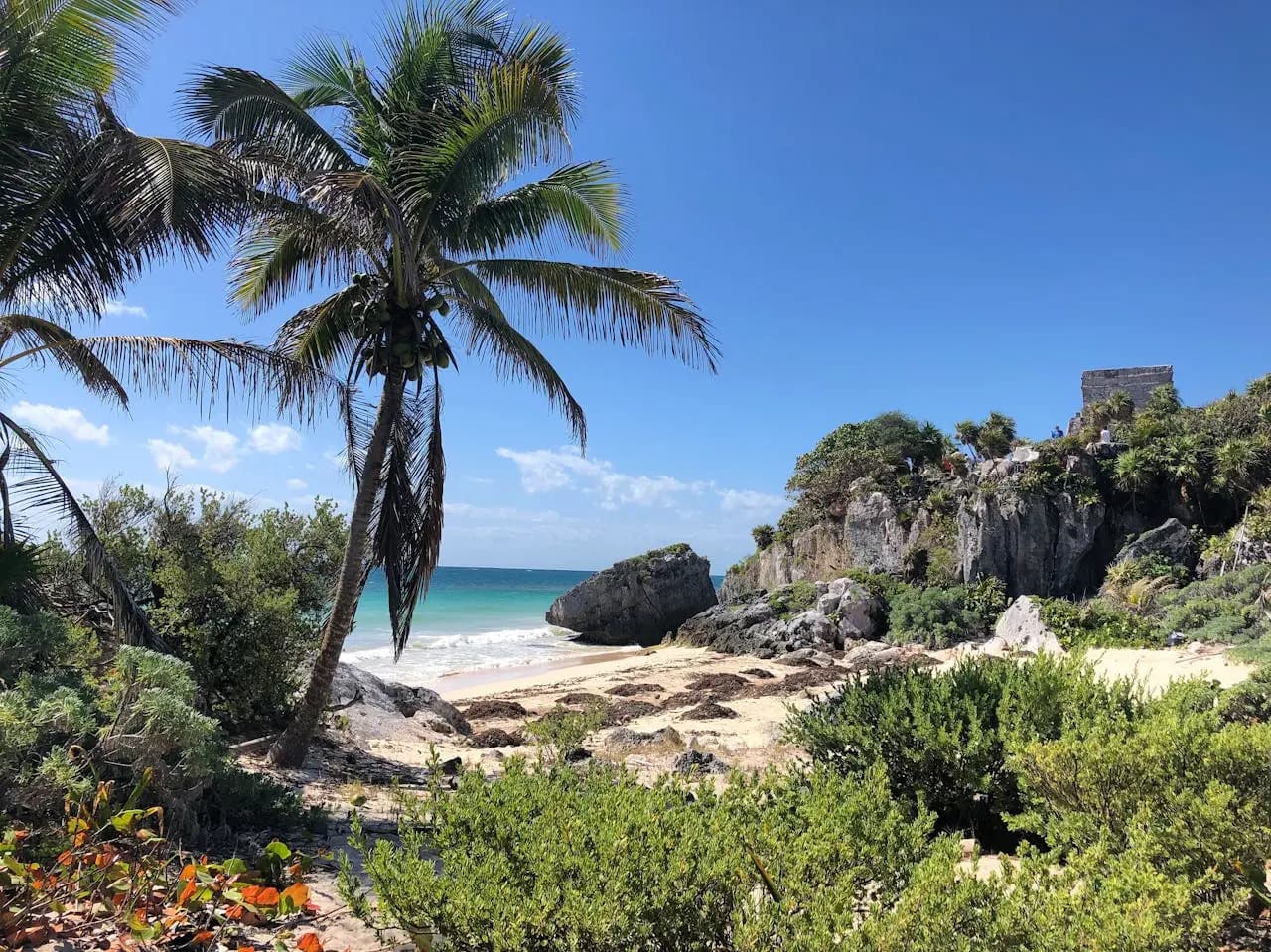
- Tulum Ruins: A cliff-top site fully exposed to the sun and, in March, to spring-break crowds. Go at opening for a comfortable, quieter visit, ideally paired with a cenote stop and Akumal snorkeling.
- Eco-Parks: Xcaret and Xel-Há are weather-proof and mostly seaweed-proof full days that absorb a lot of visitors, which helps in a peak month. Expect them to be busy over Semana Santa in particular.
Most Popular Tours
More March Activities Worth Knowing About
These experiences round out a March trip along the corridor, and the inland and offshore options in particular help you dodge both the crowds and the seaweed.
Cozumel Day Trip from Playa del Carmen
The Cozumel ferry leaves from the centre of Playa del Carmen and takes about 45 minutes. The island holds the clearest reef wall in the Caribbean, and its leeward west coast stays clean even when the mainland beaches catch sargassum, which makes it one of the best March moves for a clean-water beach and reef day. The crossing is weather-dependent, but by mid-March the winter nortes have largely faded, so rough-sea cancellations are less likely than in deep winter.
Semana Santa on the Corridor
Semana Santa (Holy Week, late March into early April in 2026) is one of Mexico's biggest domestic travel weeks. Beaches, eco-parks, and cenotes near the towns fill with Mexican families, and the atmosphere is festive. It is a genuine cultural high point, but if you want space, visit the busiest sites early in the day and expect eco-parks and popular cenotes to be at capacity.
Xcaret, Xel-Há and the Eco-Parks
The corridor's eco-parks, headlined by Xcaret near Playa del Carmen and Xel-Há just north of Tulum, are warm and comfortable in March and largely seaweed-proof, with Xel-Há's natural snorkeling lagoon a clean-water alternative to the open beaches. Xcaret leans cultural, with a recreated Maya village and a large evening show, while Xel-Há is built around a spring-fed lagoon at the mouth of an underground river. Both are strong full-day options in a peak, sargassum-building month; expect them busy over Semana Santa.
Beach Clubs and Fifth Avenue
March's warm afternoons and buzzing spring-break energy make the beach-club and nightlife scene the liveliest of the year, centred on Playa del Carmen's Fifth Avenue and Mamitas Beach and Tulum's beach road. If that is what you came for, March delivers; if it is not, the quieter towns and the earlier-morning tour departures are your friends.
Most Popular Tours
What to Pack for the Riviera Maya in March
March packs more like early summer than winter: warmer days, mild evenings, and stronger sun. The two easy-to-forget items are mineral sunscreen (chemical sunscreen is banned at the reefs and cenotes) and a plan B for beach days if sargassum lands.
- Reef-safe (mineral) sunscreen: required at reef sites and cenotes like Dos Ojos, and the March sun is strong; bring your own, as local options are pricey and inconsistent.
- A sun hat and sunglasses: near-summer sun on the exposed ruins and open beaches makes shade and eye protection worth it.
- Sandals plus water shoes: water shoes help on rocky cenote entries and reef beaches.
- A snorkeling shirt or rash guard: sun protection on the water during long, warm March days.
- A reusable water bottle: refill stations are common and it matters more in the March heat.
- A light layer: lighter than in winter, but still useful for air-conditioned dinners and the odd early-month breezy evening.
- Quick-dry clothes and a dry bag: handy for cenote days, eco-parks, and boat trips.
- Insect repellent: worth having for jungle cenotes and early-morning or dusk visits to the ruins.
From Our Experience
What we consistently see with March trips is that the people who enjoy it most either come for spring break on purpose or plan deliberately around it: they arrive in early March, base in a quieter town like Puerto Morelos, book tours weeks ahead, and lean on the cenotes, reef, and ruins rather than open-beach lounging. That combination sidesteps the two things that catch people out, the crowds and the first sargassum of the year.
Tips for Visiting the Riviera Maya in March
- Target early March if you can: the first week gives you March's warm, dry weather with the least sargassum and before spring break peaks. If your dates are flexible, we'd aim for March 1 to 8.
- Book everything well ahead: March is the year's peak, so hotels, popular tours, beach clubs, and restaurants sell out. Reserve the Chichén Itzá and Tulum trips and any beach-club day beds weeks in advance.
- Lean on cenotes, reef, and ruins: the offshore reef sites and inland cenotes are unaffected by beach sargassum, and they are cooler, quieter alternatives to the spring-break beaches. We'd build at least one cenote day into the trip.
- Base in a quieter town if you are not here for the party: Puerto Morelos or the Puerto Aventuras and Akumal family belt give you March's weather without the spring-break noise, and Puerto Morelos also has the cleanest beach.
- Check sargassum forecasts before you pick a beach day: conditions shift week to week in March. If a heavy line is forecast, switch to a cenote, an eco-park, or a Cozumel day trip to the leeward coast.
- Mind Semana Santa at the end of the month: late March into early April brings big domestic crowds to beaches, eco-parks, and cenotes. Visit popular sites early in the day and expect capacity limits over Holy Week.
- Chemical sunscreen is banned at reefs and cenotes year-round: Per CONANP regulations for protected marine and cenote zones, operators require mineral reef-safe sunscreen. Bring your own; airport and hotel options are inconsistently available and expensive.
- Coming after spring break? Our Riviera Maya in April guide covers the dry-season tail, the Easter crowds, the post-Easter value window, and the still-building sargassum.
- Visiting at a different time of year? Our Riviera Maya in February guide covers the calmer, lower-sargassum month just before spring break, and our Cancún in March guide covers the Hotel Zone in the same month. Looking further ahead, our Riviera Maya in May guide covers the whale shark opening and the swing into summer value.
How We Put This Guide Together
The Cancun Trip Insider team built this guide from operator data along the Riviera Maya corridor (Puerto Morelos, Playa del Carmen, Puerto Aventuras, Akumal and Tulum), seasonal availability records, cold-front and sargassum-onset patterns, and verified traveler review patterns across all major March activity categories. March is an excellent-weather but complicated month, and we prioritized honest framing of spring-break and Semana Santa demand, peak pricing, and the start of sargassum season over promotional language: every claim about weather, crowds, seaweed, and seasonal timing reflects documented patterns. This guide was reviewed and updated in May 2026. March conditions, especially crowd timing and sargassum onset, vary year to year; we recommend confirming tour availability and checking current sargassum forecasts in the weeks before your trip.
Frequently Asked Questions
Is the Riviera Maya good in March?+
The weather is excellent: warm, near-summer days with the dry season still holding and cold fronts fading by mid-month. The catch is that March is the year's busiest and most expensive month, driven by US spring break and Semana Santa, and the first sargassum of the year starts to build. It is a great month if you come for the spring-break scene or plan deliberately around it, arriving early, basing in a quieter town, and leaning on the reef, cenotes, and ruins.
What is the weather like in the Riviera Maya in March?+
March is the warmest dry-season month, edging toward summer without the humidity or storms. Daytime highs typically reach 29 to 31°C (84 to 88°F), a degree or two warmer toward Tulum, with mild 21 to 23°C evenings. Rain is minimal, around 20 to 30mm for the month, the driest stretch of the year. An early-March cold front is still possible, but by mid-month the nortes are largely finished.
Is there sargassum in the Riviera Maya in March?+
March is usually when the first sargassum of the year appears, building through the month, so risk is medium and variable. It hits open-facing beaches hardest, Tulum most of all, while Puerto Morelos behind its reef and Cozumel's leeward coast stay clearest. The offshore reef sites and inland cenotes are essentially unaffected. Travel early in the month for the least seaweed, and check current sargassum forecasts before picking a beach day.
What is spring break like in the Riviera Maya?+
US and Canadian spring break fills the corridor through the middle of March, concentrated in Playa del Carmen's Fifth Avenue and beach clubs and along Tulum's beach road. Expect lively, busy, party-heavy beaches and nightlife, peak hotel rates, and tours and clubs booking out. Exact dates vary by school calendar, so the surge spreads across a couple of weeks. Quieter towns like Puerto Morelos and the Puerto Aventuras and Akumal family belt stay much calmer.
Is March expensive in the Riviera Maya?+
Yes, March is the most expensive month of the year on the corridor, with hotel rates at their annual peak. Spring break drives demand through mid-month and Semana Santa adds a domestic-travel wave at the end. Early March is the best value within the month, but it is still peak-season pricing. For much lower rates with comparable dry-season weather, November, or the summer low of June through August, are far cheaper.
What is the best week to visit the Riviera Maya in March?+
The first week (roughly March 1 to 8) is the best window: warm, dry weather with the least sargassum of the month and before US spring break peaks. Mid-March is the height of spring break, and late March brings Semana Santa crowds. If you want March conditions without the full peak, aim for early in the month and book well ahead.
What activities are best in the Riviera Maya in March?+
Cenotes are the standout March choice: constant 24°C water, unaffected by weather, crowds, or sargassum. Chichén Itzá and Tulum day trips are excellent if you go early to beat the heat and crowds, and reef snorkeling at Puerto Morelos and Cozumel stays clear because the sites sit offshore. Eco-parks like Xcaret and Xel-Há are weather-proof, mostly seaweed-proof full days. Whale shark tours are not available until June.
Is February or March better in the Riviera Maya?+
February is the calmer, cleaner, better-value month: fewer crowds, lower prices, and little to no sargassum. March has warmer, near-summer weather but is the year's peak for crowds and price, and sargassum begins. Choose February for a quieter, cleaner trip, and March if you specifically want spring-break energy or the warmest dry-season weather, ideally arriving early in the month.
Affiliate note: Some links on this page are affiliate links. If you book through them, we may earn a small commission at no additional cost to you.