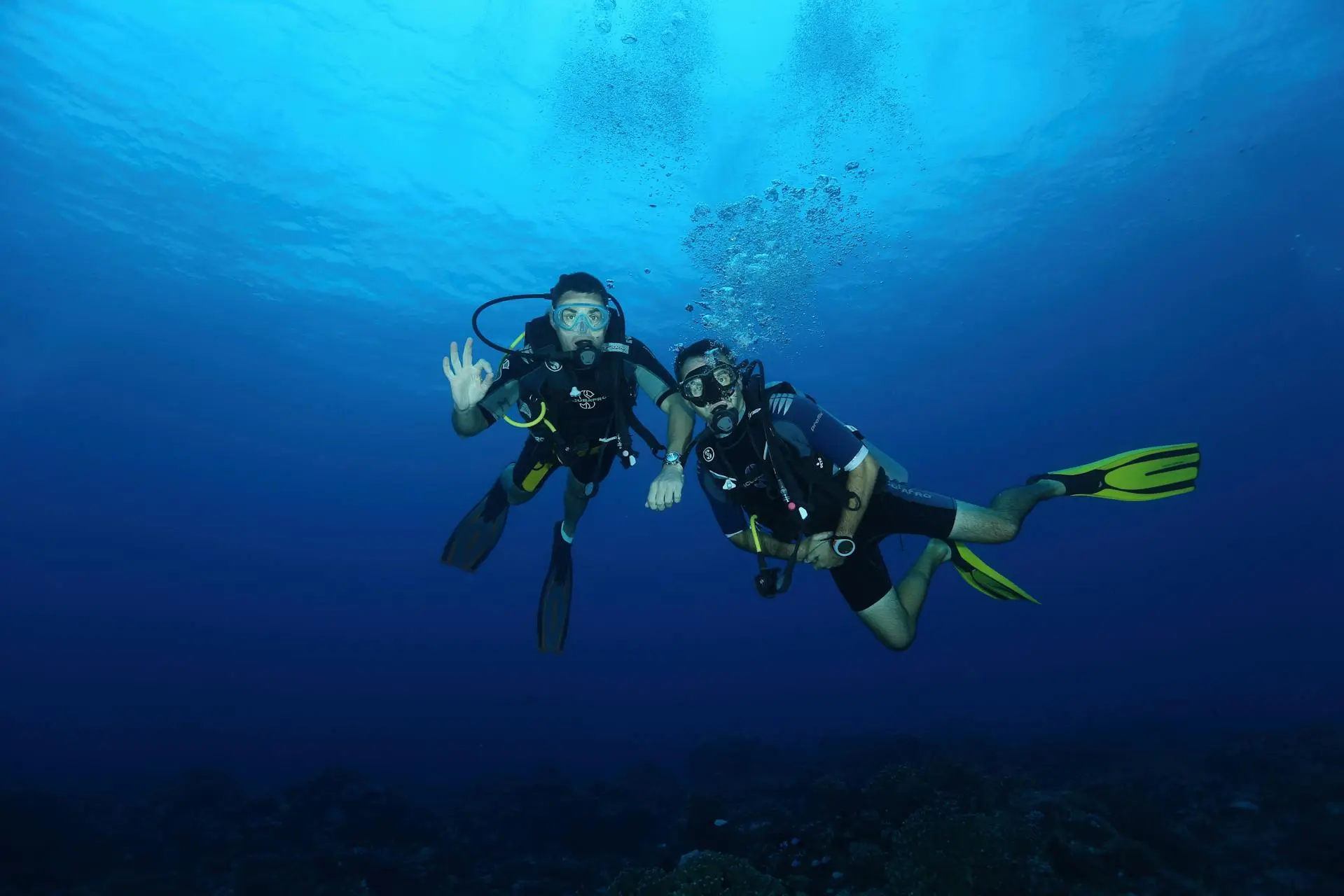
How to scuba dive in Tulum: no-certification Discover Scuba in the cenotes, Open Water dives at Dos Ojos and Casa Cenote, and advanced deep dives at The Pit and Angelita, compared by price and level.
What You Should Know
- Tulum is one of the world's great cenote diving destinations. Most dives here are inside the freshwater cenotes (Dos Ojos, Casa Cenote, The Pit, Angelita): cavern dives through flooded limestone caves with light beams, stalactites, and crystal-clear water, not ocean reef dives.
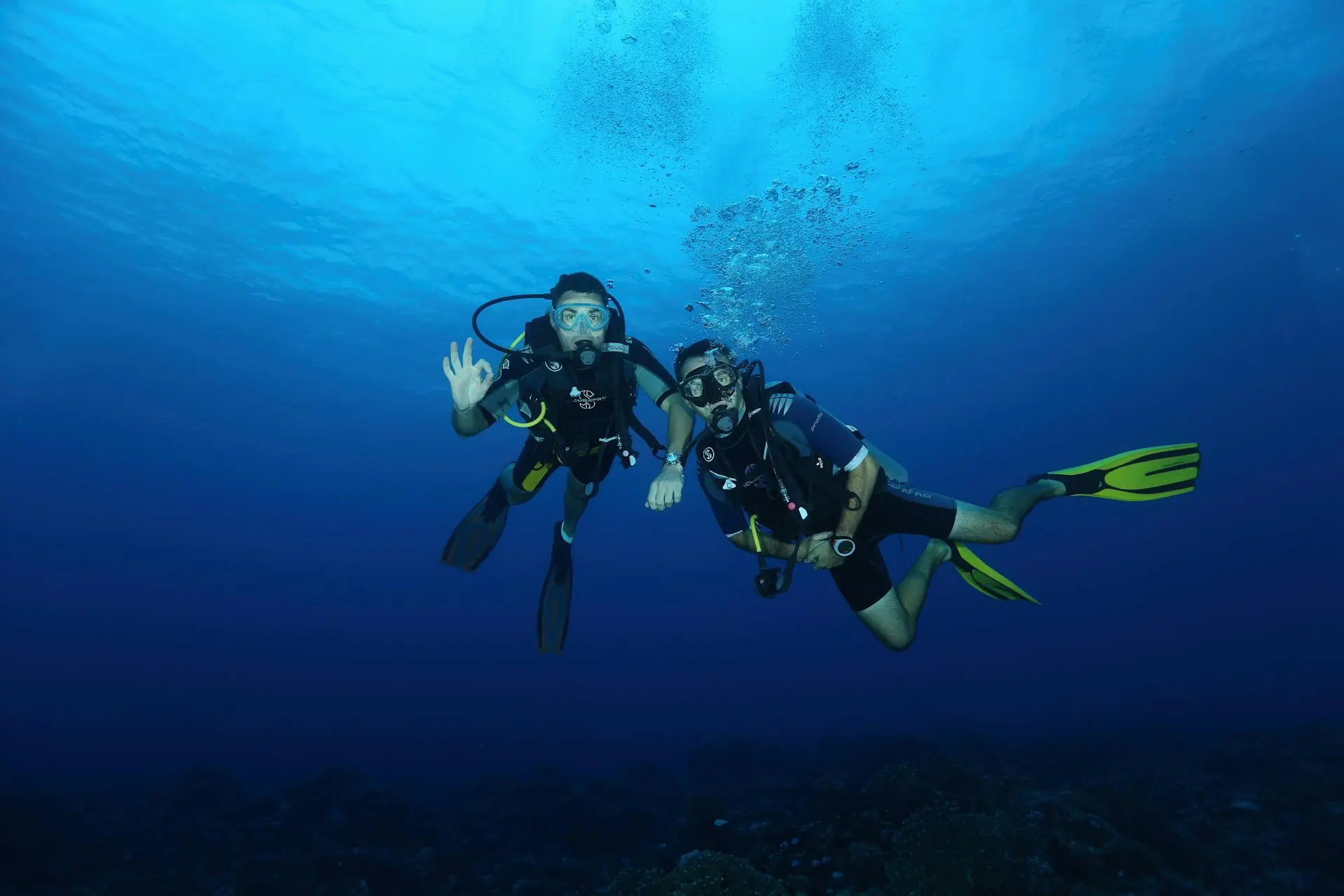
- No certification is needed to start. A Discover Scuba dive takes complete beginners aged 10 and up into a calm cenote with an instructor from $140, after a short class and shallow practice. Certified divers book 2-tank cenote dives from $190.
- Your certification level decides your dive sites. Open Water divers do the shallow cavern cenotes like Dos Ojos and Casa Cenote (around 8 meters); the deep cenotes, The Pit at over 30 meters and Angelita's sulfur cloud, require Advanced certification or Open Water plus a Deep specialty.
- Cenote diving is cavern diving, not full cave diving: you stay in the daylight zone on a guided line with an open path to the surface, so it is open to recreational divers. Bring your certification card and, for the cavern tours, a recent dive in your logbook.
What Makes Scuba Diving in Tulum Special
Scuba diving in Tulum is unlike diving almost anywhere else. There is reef diving on the Caribbean, but the reason divers come to Tulum is the cenotes: a vast network of flooded freshwater caves in the limestone, where you dive through cathedral-like caverns of stalactites and stalagmites in water so clear it can feel like flying. The best scuba diving in Tulum happens underground.
The tours below cover the full range, from a first-ever Discover Scuba dive that needs no certification, to standard Open Water cenote dives at Dos Ojos and Casa Cenote, up to advanced deep dives at The Pit and Angelita. We compare all seven, then break down which cenotes you can dive at your certification level so you can match a tour to your experience.
| Your level | Best option |
|---|---|
| New to diving (age 10+) | Discover Scuba Diving, no certification |
| Open Water certified | 2-dive cenote tour at Dos Ojos or Casa Cenote |
| Advanced certified | 2 cenote dives including one deep dive |
| Want the classic cavern | Dos Ojos cavern dive (Barbie Line & Bat Cave) |
Planning the rest of your Tulum trip? See our guide to Sian Ka'an tours as well.
Go for 2 Dives in Cenote Dos Ojos for Certified Divers
For a certified diver, this is the Tulum dive we'd book first. A perfect 5.0 rating, two guided dives through the most famous cenote on the Riviera Maya (the Barbie Line and the Bat Cave at Dos Ojos), in small groups capped at four. Transport from the meeting point, all gear, an experienced instructor, entry fees, and snacks are included, so an Open Water card is all you need to bring. It is the cleanest introduction to what makes cenote diving special.
Book NowBest Scuba Diving Tours in Tulum Compared
| Tour | Level | Price | Rating | Sites & Inclusions |
|---|---|---|---|---|
| Top Pick Go for 2 Dives in Cenote Dos Ojos Book Now |
Open Water+ | From $190 | 5.0★ (88) | Dos Ojos (Barbie Line & Bat Cave); 2 dives, gear, instructor, transport, snacks; max 4 |
| Most Reviewed 2 Cenote Dives incl. One Deep (Advanced) Book Now |
Advanced / OW + Deep | From $215 | 5.0★ (187) | The Pit or Angelita (deep) plus a cavern cenote; 2 dives, gear, instructor, transport |
| Dos Ojos Cavern Dive: Barbie Line & Bat Cave Book Now |
Open Water | From $230 | 5.0★ (63) | Dos Ojos (~8m); two 45-min cavern dives, full gear, guide, snacks |
| 2-Tank Cenote Diving Adventure, Certified Book Now |
Open Water+ | From $200 | 4.9★ (76) | Casa Cenote & Dos Ojos; 2 dives, gear, instructor, transport, snacks; max 4 |
| No Cert Discover Scuba Diving in Tulum Book Now |
None (age 10+) | From $140 | 4.9★ (111) | Class, shallow practice, 1 cenote dive (ocean dive optional); gear, lunch & snacks |
| Discovery Scuba Diving Book Now |
None (age 10+) | From $170 | 5.0★ (83) | Casa Cenote (~7.6m); class, practice, 1 guided dive; gear, instruction, water |
| Discover Scuba Diving at Casa Cenote Book Now |
None (age 10+) | From $190 | 5.0★ (31) | Casa Cenote (~7.6m); guided 30 to 40 min dive, gear, instruction; ocean dive optional |
ℹ️ Tours and details were reviewed by our team in June 2026. Certified dives require proof of certification (and a recent logged dive for the cavern tours); Discover Scuba dives take ages 10 and up with a health questionnaire. Prices and inclusions change, so confirm with the operator before booking.
What to Expect on a Cenote Dive Day
A certified 2-tank cenote tour runs about 5 hours from the meeting point. Here is how a typical day unfolds; a Discover Scuba day adds a class and shallow practice before the single dive.
- 01Morning
Meet at the Dive Shop
Most tours meet at the dive center in Tulum or include pickup from a nearby point. You check certification, fill out a health questionnaire, and get fitted for gear.
- 02Briefing
Gear Up & Dive Briefing
Your guide walks through the cenote's layout, the guided line you follow, hand signals, and the cavern rules: stay in the daylight zone, keep the line in sight, and control your buoyancy near the formations.
- 03Short drive
Drive to the First Cenote
Transport runs you to the first cenote. Most sit a short drive inland from Tulum, set in the jungle, with a platform or steps down to the water.
- 04~40–45 min
Dive 1: Into the Cavern
Descend into the cavern and follow the line past stalactites, columns, and beams of light through the crystal-clear freshwater. Visibility is often far better than the ocean.
- 05Interval
Surface Interval & Snack
Between dives you surface for a rest, water, and snacks while your guide swaps tanks. It is also when most people realize how different cenote diving feels from the reef.
- 06~40–45 min
Dive 2 & Return
A second dive, often at a different cenote or a different line, then back to the shop. Most certified tours wrap by early afternoon.
- 01
Meet at the Dive Shop
Most tours meet at the dive center in Tulum or include pickup from a nearby point. You check certification, fill out a health questionnaire, and get fitted for gear.
Morning - Briefing02
Gear Up & Dive Briefing
Your guide walks through the cenote's layout, the guided line you follow, hand signals, and the cavern rules: stay in the daylight zone, keep the line in sight, and control your buoyancy near the formations.
- 03
Drive to the First Cenote
Transport runs you to the first cenote. Most sit a short drive inland from Tulum, set in the jungle, with a platform or steps down to the water.
Short drive - ~40–45 min04
Dive 1: Into the Cavern
Descend into the cavern and follow the line past stalactites, columns, and beams of light through the crystal-clear freshwater. Visibility is often far better than the ocean.
- 05
Surface Interval & Snack
Between dives you surface for a rest, water, and snacks while your guide swaps tanks. It is also when most people realize how different cenote diving feels from the reef.
Interval - ~40–45 min06
Dive 2 & Return
A second dive, often at a different cenote or a different line, then back to the shop. Most certified tours wrap by early afternoon.
Best Scuba Diving Tours in Tulum: Our Picks
Pair your dives with the rest of the coast: our Tulum cenote tour guide covers the same sinkholes from the surface for non-divers in your group, our Tulum snorkeling tours guide covers reef and cenote snorkeling, and for more dive sites up the coast see our scuba diving in Playa del Carmen guide.
Go for 2 Dives in Cenote Dos Ojos
Our top pick for certified divers. A perfect 5.0 across 88 reviews and from $190, two guided dives through the Barbie Line and the Bat Cave at Dos Ojos, the most famous cenote on the coast, in a group capped at four. Gear, instructor, transport, entry fees, and snacks are included, so an Open Water card is all you bring. The cleanest first taste of cenote diving.
2 Cenote Dives incl. One Deep Dive
The most-reviewed dive here at 5.0 across 187 reviews, from $215. Two dives that pair a deep cenote (The Pit at over 30 meters, or Angelita with its eerie sulfur cloud) with a cavern cenote. You need Advanced certification, or Open Water plus a Deep specialty. We'd book this if you are experienced and want Tulum's signature deep dives.
Discover Scuba Diving in Tulum
The lowest price here at $140 and rated 4.9 across 111 reviews. A half-day first dive for complete beginners aged 10 and up: a short class, shallow practice, then one guided cenote dive, with the option to add an ocean dive. Lunch and snacks included. The easiest way to try scuba in a calm, clear cenote.
Dos Ojos Cavern Dive: Barbie Line & Bat Cave
Rated a perfect 5.0 across 63 reviews, from $230. A focused cavern day at Dos Ojos: two 45-minute dives along the Barbie Line and into the Bat Cave, with the light beams, stalactites, and columns that make this cenote famous. Open Water level with a recent dive recommended. Full gear and a guide included.
2-Tank Cenote Diving Adventure
From $200 and rated 4.9 across 76 reviews, this certified 2-tank tour pairs two different cenotes, Casa Cenote and Dos Ojos, so you get an open mangrove cenote and a cavern in one day. Small group of four with gear, instructor, transport, and snacks included. A good choice if you want range over a single site.
The Cenotes You'll Dive in Tulum
Tulum's dive sites are cenotes: collapsed limestone sinkholes that open into flooded cave systems. Which ones you dive depends on your certification, since the famous deep cenotes are off-limits without Advanced training. Here are the headliners.
| Cenote | Level | Max depth | Famous for |
|---|---|---|---|
| Dos Ojos | Open Water | ~8 m | Light beams & cavern lines |
| Casa Cenote | Beginner / no cert | ~7.5 m | Easy first dive, mangroves |
| The Pit | Advanced | ~40 m | Halocline & light show |
| Angelita | Advanced | 30 m+ | Hydrogen-sulfur cloud |
| Car Wash | Open Water | ~8–12 m | Jungle scenery & turtles |
The most famous cenote on the Riviera Maya. The Barbie Line and Bat Cave routes wind through shallow cavern (around 8 meters) full of stalactites, columns, and shafts of light. Open Water level. This is the dive most people picture when they imagine cenote diving.
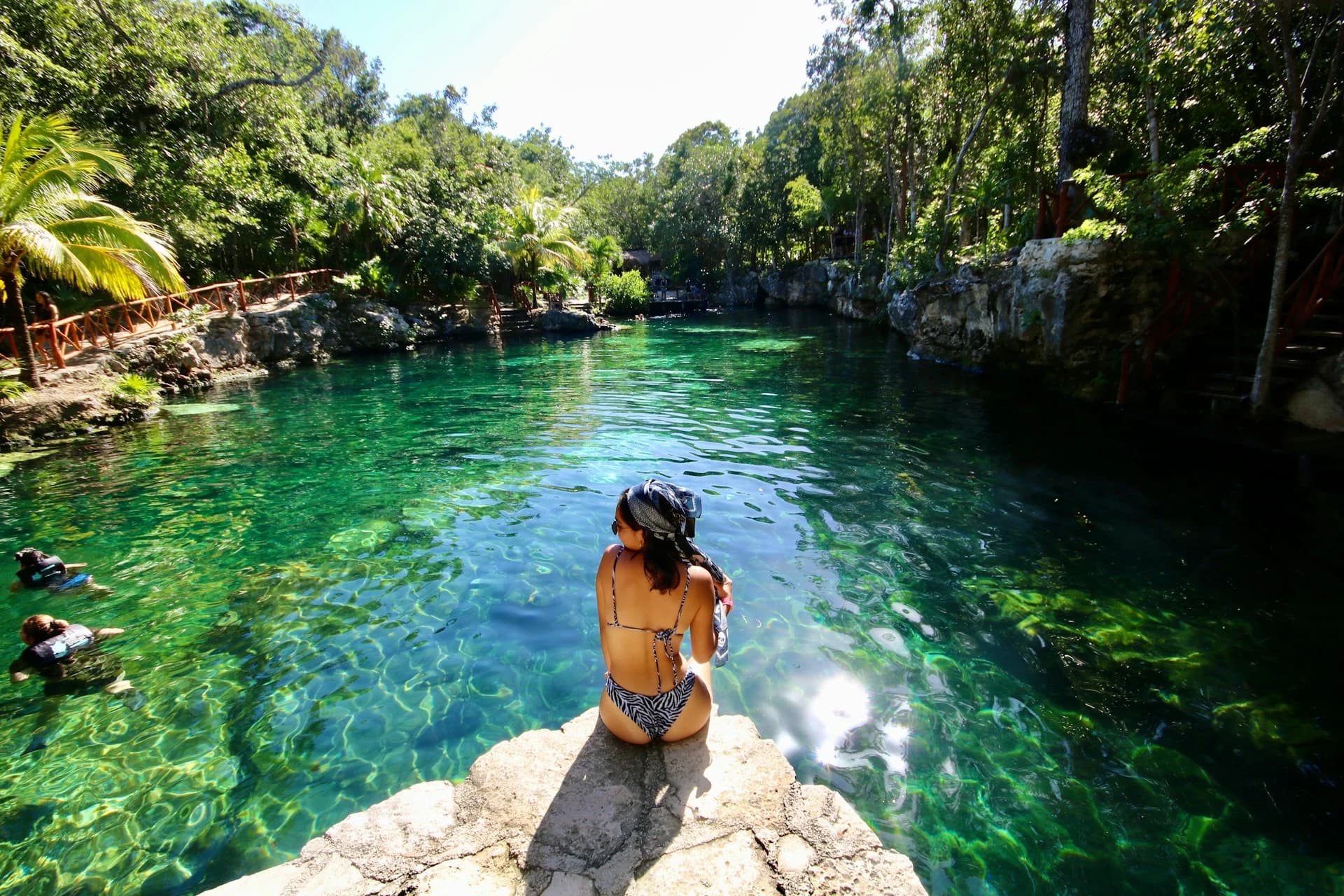
An open, mangrove-lined cenote with a gentle maximum depth around 7.6 meters and easy conditions, which is why most Discover Scuba first dives happen here. Winding, sunlit, and full of life, it is the calmest place to start.
Tulum's signature deep dives. The Pit drops to around 40 meters past a dramatic halocline where fresh and saltwater mix and bend the light; Angelita has a famous hydrogen-sulfur cloud around 30 meters, roughly 8 meters thick, that you pass straight through (it is harmless) before emerging into clear amber water below. Both require Advanced certification or Open Water plus Deep, and are dived with a guide.
Reef Diving vs Cenote Diving in Tulum
Tulum sits on the Caribbean, so there is ocean reef diving here too, and "scuba diving Tulum" searches often expect it. But the cenotes are why divers choose Tulum specifically, and it helps to know the difference before you book.
- Cenote diving is the main attraction: freshwater cavern dives through flooded limestone caves with extraordinary visibility, light beams, and rock formations, but very little marine life. It is what Tulum is famous for worldwide.
- Reef diving off Tulum and nearby Akumal puts you on the Mesoamerican Reef with corals, turtles, and fish in warmer saltwater. A Tulum reef dive is good, but the reef is generally better and more developed a short drive up the coast at Cozumel and Playa del Carmen.
Our take: if you have limited dive days in Tulum, spend them in the cenotes, the experience you cannot get anywhere else, and save the ocean diving for a Cozumel day trip. For reef-focused diving and the winter bull shark dive up the coast, see our scuba diving in Playa del Carmen guide.
Do You Need to Be Certified to Dive in Tulum?
No, you do not need to be certified to scuba dive in Tulum, but your certification decides where you can go. The cenotes run a clear ladder from a no-experience first dive up to advanced deep dives.
For ages 10 and up with no experience. A short theory class and shallow practice, then one instructor-led dive in a calm cenote like Casa Cenote, with the option to add an ocean dive. The way to find out if you love diving before committing to a course.
An Open Water card opens the shallow cavern cenotes: Dos Ojos, Casa Cenote, and Car Wash, all around 8 meters. These are the classic Tulum cenote dives, done as 2-tank tours along guided lines within the daylight zone.
The Pit and Angelita sit past 30 meters, so they require Advanced Open Water, or Open Water plus a Deep specialty, plus a recent dive history. If the deep cenotes are your goal, confirm your certification covers the depth before booking. Most people don't realize how short the deep portion is: at 30 to 40 meters your no-decompression time is brief, so the famous cloud and halocline are a few minutes of the dive, and good air and buoyancy control are what let you make the most of them.
PADI Certification in Tulum: From First Dive to Advanced
Tulum's dive centers run the full PADI ladder, so you can start diving with no experience and work up to the deep cenotes on the same trip. The tours on this page are guided dives rather than full courses, but here is how the certification path fits together.
- Discover Scuba (no certification): Not a certification, but a guided first dive for ages 10 and up after a short class and shallow practice. The way to try diving in a calm cenote before committing to a course.
- PADI Open Water: The entry-level certification that lets you dive independently to 18 meters worldwide. It opens the shallow cavern cenotes here (Dos Ojos, Casa Cenote, Car Wash). Most divers complete the Open Water course as a 3 to 4 day program, often started at home and finished on the reef or in a pool.
- PADI Advanced Open Water: Adds deeper dives to 30 meters and specialties. This is the card that unlocks Tulum's signature deep cenotes, The Pit and Angelita, which is why many divers arrive in Tulum already Advanced certified or certify on the coast first.
If you plan to dive the deep cenotes, sort your Advanced certification before your trip, or budget extra days to certify up the coast. Our scuba diving in Playa del Carmen guide covers Open Water and Advanced courses a short drive north.
Best Time to Scuba Dive in Tulum
You can scuba dive the cenotes in Tulum year-round, which is the biggest advantage of cenote diving over the ocean: the water is sheltered, the visibility is consistent, and conditions barely change with the seasons, so the Tulum diving season effectively never closes. Still, a few factors make some months better than others.
- Visibility: Cenote visibility in Tulum is excellent all year (often 30 meters or more) because the freshwater is filtered through limestone and protected from wind and waves. Heavy rain can briefly cloud a few cenotes, but most stay clear.
- Water temperature: Cenote water temperature in Tulum holds steady around 24 to 25 degrees Celsius (75 to 77 Fahrenheit) every month, cooler than the Caribbean, so a wetsuit is provided and worth wearing even in summer.
- Dry season (December to April): The most popular window, with the best weather above water and the easiest jungle access to the cenotes. It is also the busiest and priciest stretch, so book popular dive days ahead.
- Rainy season (May to October): Afternoon showers are common but brief, and underwater conditions are largely unaffected since the cenotes are sheltered. Rainy season diving is a fair trade of a possible wet afternoon for fewer divers and lower prices.
- Hurricane season (June to November, peak September to October): Storms can disrupt travel and ocean dives, but the cenotes themselves are inland and protected, so hurricane season diving in the cenotes usually carries on. A flexible booking is wise if you travel in this window.
- Crowds: Dos Ojos and the famous cenotes are quietest early in the morning. An early start means clearer water before fins stir up silt and fewer groups on the lines.
Dry season brings the best above-water weather and easiest cenote access, with peak visibility. The busiest and priciest months, so book ahead.
Rainy season has brief afternoon showers but the sheltered cenotes dive well throughout, with fewer divers and lower prices.
Cenote diving runs all year: around 24 to 25°C water, 30m+ visibility, and conditions that barely change. Wetsuits are provided every month.
Who Should Skip Cenote Diving?
Cenote diving is safe and accessible for most certified and first-time divers, but it is not right for everyone. We'd think twice, or pick a gentler option, in these cases.
- Severe claustrophobia: The cavern sections include enclosed, low-light passages with rock overhead. Mild nerves are normal and manageable, but genuine claustrophobia can turn the dive stressful. An open cenote like Casa Cenote, or a reef dive, is the better call.
- Poor buoyancy control: Cenotes are tight and silty, and bad buoyancy means bumping formations or clouding the water for everyone. If you are a new or rusty diver, do an open, shallow cenote first rather than a formation-heavy cavern line.
- A long break since your last dive: Many cavern tours want a recent logged dive. If it has been a year or more, book a refresher or a Discover Scuba style dive before a full cavern tour.
- Uncertified divers wanting the deep cenotes: Discover Scuba cannot do The Pit or Angelita, which need Advanced certification. If the deep dives are your goal, certify first; there is no shortcut around the depth requirement.
- Ear or sinus equalization problems: As with any diving, if you cannot equalize comfortably the descent into a cenote will be painful. Sit it out if you have a cold or congestion on the day.
None of these rule out diving in Tulum entirely; most just point you toward an open cenote, a refresher, or a reef dive instead of a deep or enclosed cavern line.
Scuba Diving Prices in Tulum
All prices below are per person and come from the comparison table above. Cenote entry fees, gear, and a guide are included on every tour here, which is worth noting because the cenotes charge separate diver entry fees that add up quickly when booked independently.
- Discover Scuba Diving in Tulum: From $140. 4.9 stars, 111 reviews. The lowest price, a no-certification first dive with lunch and snacks.
- Discovery Scuba Diving: From $170. 5.0 stars, 83 reviews. A no-certification first dive at calm Casa Cenote.
- Go for 2 Dives in Cenote Dos Ojos (our pick): From $190. 5.0 stars, 88 reviews. Two Open Water cenote dives at Dos Ojos, all-inclusive.
- Discover Scuba Diving at Casa Cenote: From $190. 5.0 stars, 31 reviews. A no-certification dive at Casa Cenote.
- 2-Tank Cenote Diving Adventure: From $200. 4.9 stars, 76 reviews. Two cenotes (Casa Cenote and Dos Ojos) for certified divers.
- 2 Cenote Dives incl. One Deep: From $215. 5.0 stars, 187 reviews. The advanced deep dives at The Pit or Angelita.
- Dos Ojos Cavern Dive: From $230. 5.0 stars, 63 reviews. A focused two-dive cavern day at Dos Ojos.
What matters more than the headline price is your certification and how many dives you want. Discover Scuba is a single dive; the certified tours are two dives and include the cenote entry fees, so they are better value per dive than they first look. Budget a little extra for a tip for your guide, and for the optional ocean dive on the Discover Scuba tours.
From Our Experience
What surprises divers most is that the cenotes are about light and clarity, not marine life: there is little to see in the way of fish, but the visibility, the rock formations, and the beams of sun through the water are unlike any ocean dive. We'd come for the experience of the cavern itself, and treat buoyancy control as the skill that makes or breaks it.
Tips for Scuba Diving in Tulum
- Bring your certification card and logbook: Certified cenote tours require proof of certification, and the cavern dives often ask for a recent logged dive. If you have not dived in a while, mention it; a refresher or an easier cenote may be the better call.
- Match the tour to your level, not your ambition: The deep cenotes (The Pit, Angelita) need Advanced certification. Book the Open Water cavern dives first if you are newly certified, and save the deep dives for when your card and recent experience cover the depth.
- Buoyancy control is the skill that matters: Cenotes are tight, formation-filled, and silty on the bottom. Good buoyancy keeps you off the delicate stalactites and out of the silt; if you are rusty, a Discover Scuba or shallow cenote is a gentler reintroduction.
- The water is cooler than the ocean: Cenote water sits around 24 to 25 degrees Celsius year-round, cooler than it sounds after multiple dives. Wetsuits are included, but if you run cold, ask about a thicker one.
- Do not fly within 18 to 24 hours of diving: Plan your dives earlier in your trip, not the day before you leave, to stay within standard no-fly guidelines after diving.
- Beginners should start at Casa Cenote: Its open, shallow, sunlit layout is the calmest place for a first dive, which is why most Discover Scuba tours run there. If you are nervous about overhead environments, this is the gentlest introduction.
- Cenote diving is cavern, not cave: You stay in the daylight zone with an open path to the surface and a guided line, which is what keeps it recreational. Full cave diving beyond the daylight zone needs separate cave certification and is not what these tours do.
- Expect some fully dark, enclosed passages: A few of the swim-throughs and rooms are completely closed off from the surface and pitch dark, lit only by your torch and the guided line. It is perfectly safe, but if overhead environments make you anxious, mention it to your guide and start with an open cenote like Casa Cenote.
- Bring a non-diver friend along on the surface: Cenotes are beautiful from above too. Our Tulum cenote tour guide and our Tulum snorkeling tours guide cover the snorkel and swim options at the same sites for anyone not diving.
- Want more dive sites? Our scuba diving in Playa del Carmen guide covers reef dives, the winter bull shark dive, and PADI courses a short drive up the coast.
- Visiting in January? Our Tulum in January guide covers the dry season, when reef and cenote visibility is at its annual peak and the seas are calmest between cold fronts.
- Visiting in April? Our Tulum in April guide covers the month sargassum builds, when the freshwater cavern and cenote dives are the reliable clear-water option.
- Visiting in October? Our Tulum in October guide covers the season turning, when reef visibility improves week by week and cenote dives run rain or shine.
How We Selected These Tours
We focused on cenote and Discover Scuba dives that operate in and around Tulum, then ranked them by rating, review volume, certification level, and what is included. The top pick leads for certified divers with a perfect 5.0 across 88 reviews at the iconic Dos Ojos; the advanced two-cenote dive earns its place as the most-reviewed option here with 187 reviews for the deep dives at The Pit and Angelita; and the Discover Scuba tours cover the no-certification entry point from $140. Every tour here includes gear, a guide, and cenote entry fees, and we did not feature dives we could not confirm operate from Tulum.
Frequently Asked Questions
Is Tulum good for scuba diving?+
Yes, Tulum is one of the best cenote diving destinations in the world. Most diving here is in the freshwater cenotes, flooded limestone caverns like Dos Ojos, Casa Cenote, The Pit, and Angelita, known for extraordinary visibility, light beams, and rock formations. There is also Caribbean reef diving, but the cenotes are the reason divers come.
Do you need to be certified to scuba dive in Tulum?+
No. A Discover Scuba dive lets complete beginners aged 10 and up dive a calm cenote with an instructor after a short class and shallow practice, from $140. Certified Open Water divers can book 2-tank cenote dives at Dos Ojos and Casa Cenote, and Advanced divers can do the deep cenotes.
What is the best cenote to dive in Tulum?+
Dos Ojos is the most famous and the classic cavern dive (the Barbie Line and Bat Cave) at Open Water level. Casa Cenote is the calmest and best for first dives. The Pit and Angelita are the standout deep dives but require Advanced certification. The best one depends on your certification and what you want to see.
How much does scuba diving in Tulum cost?+
A no-certification Discover Scuba dive starts around $140. Certified 2-tank cenote dives run from about $190 to $230 depending on the sites, and the advanced deep cenote dive is from $215. Cenote entry fees, gear, and a guide are included on the tours here, with tips extra.
Can beginners scuba dive in the cenotes?+
Yes. Discover Scuba programs take first-timers from age 10 into a shallow, calm cenote such as Casa Cenote with an instructor, after a brief class and confined-water practice. No certification or experience is required, and many tours let you add a second dive in the ocean.
Is cenote diving the same as cave diving?+
No. Cenote tours are cavern dives: you stay within the daylight zone on a guided line with an open path to the surface, which keeps them open to recreational divers. Full cave diving goes beyond the daylight zone into the cave system and requires separate cave certification, which these tours do not cover.
What certification do I need for the deep cenotes like The Pit?+
The Pit and Angelita sit past 30 meters, so they require Advanced Open Water certification, or Open Water with a Deep specialty, plus recent diving experience. The shallow cavern cenotes like Dos Ojos and Casa Cenote (around 8 meters) are open to Open Water divers.
Affiliate note: Some links on this page are affiliate links. If you book through them, we may earn a small commission at no additional cost to you.