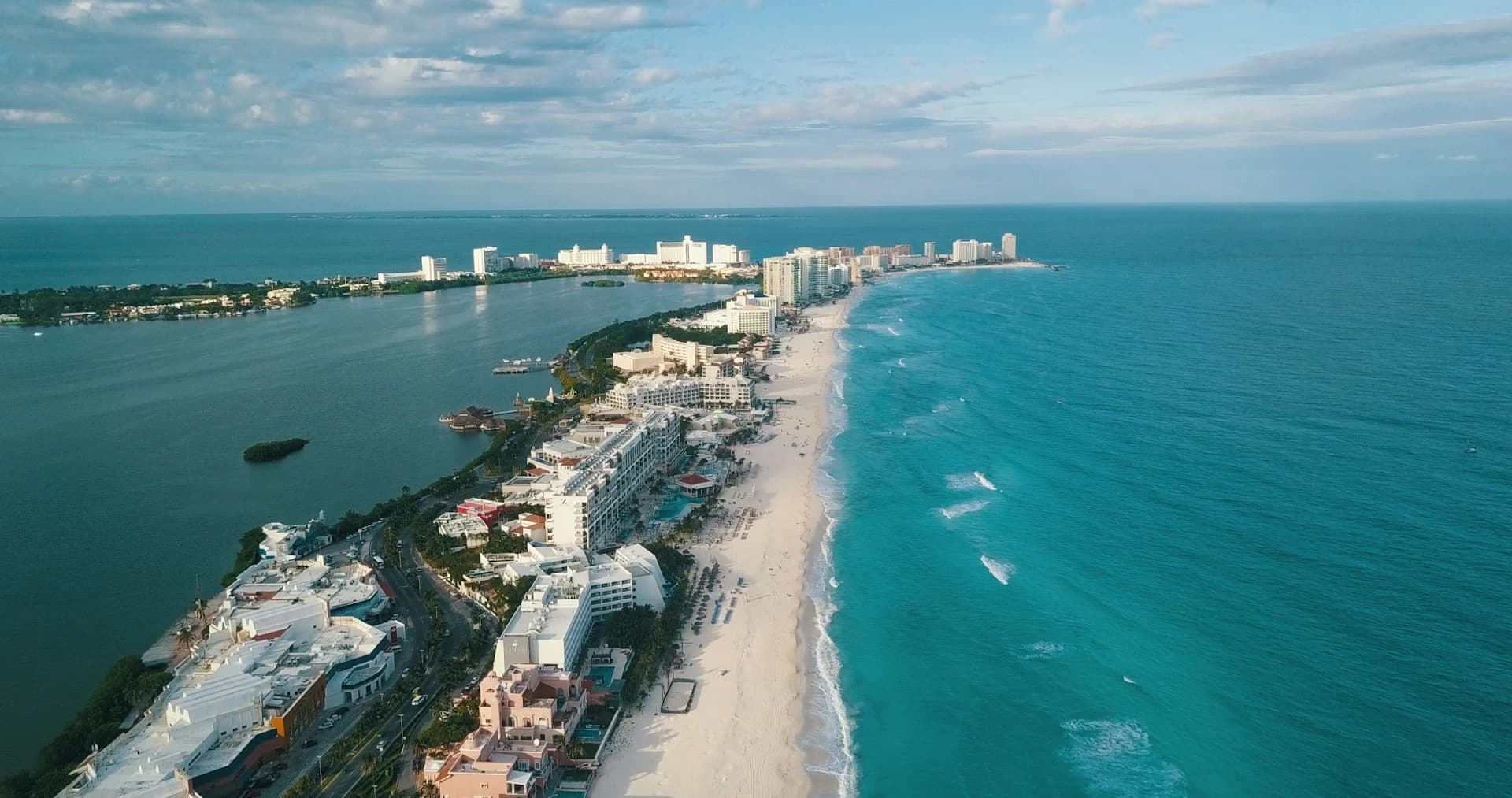
May is Cancún's lowest-price month with minimal crowds and the first whale shark sightings of the season. Here is what the conditions actually look like, week by week.
What You Should Know
- May is Cancún's value month: hotel rates hit their annual floor after Easter, the Hotel Zone is noticeably quieter than any dry-season period, and most activity operators have open availability without advance pressure.
- Whale shark season typically opens around May 15: early sightings near Isla Mujeres and Isla Contoy are possible, but aggregations are small and inconsistent. July and August are when large groups reliably form. Book a May whale shark tour only with free cancellation.
- Sargassum builds significantly through May: the first half is usually manageable on northern Hotel Zone beaches, but accumulation accelerates from mid-month. Southern Hotel Zone beaches and Playa Delfines see the worst of it; Isla Mujeres and Isla Holbox tend to stay cleaner.
- Heat and humidity are meaningfully higher than April: daytime temperatures reach 30 to 32°C with afternoon rain showers 3 to 4 days per week by late May. Morning departure windows matter for all outdoor activities, including ruins and ATV tours.
Cancún in May: The Honest Picture
⭐ Best May window: first two weeks of May (May 1–14). Lowest prices of the year, manageable sargassum levels, and heat that is warm but not yet punishing. The second half of May is still good value but adds more sargassum variability and higher humidity to the equation.
| Factor | May Rating |
|---|---|
| Weather | 7/10 — warm and humid, afternoon showers start |
| Crowds | 9/10 — very quiet, one of the emptiest months |
| Prices | 9/10 — lowest of the year, rock-bottom value |
| Beaches | 5/10 — sargassum building, worse second half |
| Snorkeling & Diving | 7/10 — warm water, visibility varies with sargassum |
| Sargassum | 5/10 — moderate risk, significantly worse by late May |
| Whale Sharks | 3/10 — season opens mid-May, sightings possible but not guaranteed |
| Families | 7/10 — quiet and affordable, heat and sargassum are real tradeoffs |
| Couples | 7/10 — good value, calm atmosphere, beach quality is the main variable |
💰 Average May hotel prices (Hotel Zone, 4-star all-inclusive):
Early May (1–14): ~$150/night · Late May (15–31): ~$135/night
Rough mid-range estimates; rates vary by property and booking lead time.
| Month | Crowds | Prices | Weather | Beaches | Overall |
|---|---|---|---|---|---|
| April | 5/10 | 6/10 | 8/10 | 7/10 | 7 |
| May | 9/10 | 9/10 | 7/10 | 5/10 | 8 |
| June | 9/10 | 9/10 | 6/10 | 4/10 | 7 |
May is the pivot month in the Cancún calendar. The dry season has ended, the summer low-price window has not quite begun, and two of the most polarizing variables in the destination — whale sharks and sargassum — are both in their opening weeks. For the right traveler, it is one of the best months of the year. For others, the combination of heat, humidity, and sargassum uncertainty makes it a harder sell than April or October.
The traveler who gets the most from May is someone who prioritizes price and quiet over beach perfection. Hotel Zone room rates drop to their lowest point of the year in May, activity operators have open slots without the usual booking pressure, and the city itself functions at a slower, more local pace. If budget is the primary driver and you can adapt your beach expectations around sargassum forecasts, May delivers value that January and February simply cannot match.
We'd only steer travelers away from May if beach quality is the non-negotiable anchor of the trip. The sargassum situation in the second half of May is unpredictable enough that we'd hesitate to promise a pristine beach experience on southern Hotel Zone stretches. The good news: northern Hotel Zone beaches, Isla Mujeres, and Isla Holbox historically hold out longer, and a short ferry ride changes the picture significantly.
Cancún Weather in May
Temperature and Humidity
May is the month when Cancún's heat becomes genuinely tropical. Daytime highs reach 30 to 32°C (86 to 90°F), up from April's 28 to 29°C, and the shift in humidity is at least as noticeable as the temperature difference. The air feels heavier, particularly from midday onward, and the transition between comfortable morning conditions and uncomfortable afternoon heat happens faster than it does in the dry season.
Evenings cool to 24 to 26°C (75 to 79°F) and are usually pleasant once the afternoon rain has passed. The night air in May is warm but not oppressive, and sunset hours in the Hotel Zone are genuinely enjoyable. Most people find that mornings (6 to 10 AM) and evenings (5 PM onward) are the best windows for outdoor time; the midday gap is where underground cenotes and air-conditioned cooking classes become actively useful rather than just optional.
Rain and Afternoon Showers
May marks the official start of the wet season, though the transition is gradual. Early May typically sees 3 to 4 rain days in the first two weeks; by late May, daily afternoon showers are common — usually arriving between 2 and 5 PM and clearing within an hour or two. These are not all-day tropical downpours in the style of September. Most mornings are sunny, and most evenings clear again after the shower passes.
What matters practically: plan outdoor activity departures before 10 AM. Afternoon showers are less predictable in May than in the full summer months, but counting on a dry afternoon is riskier than it was in April. Most tour operators time departures to be back before the afternoon window; ask when booking.
Sea Conditions
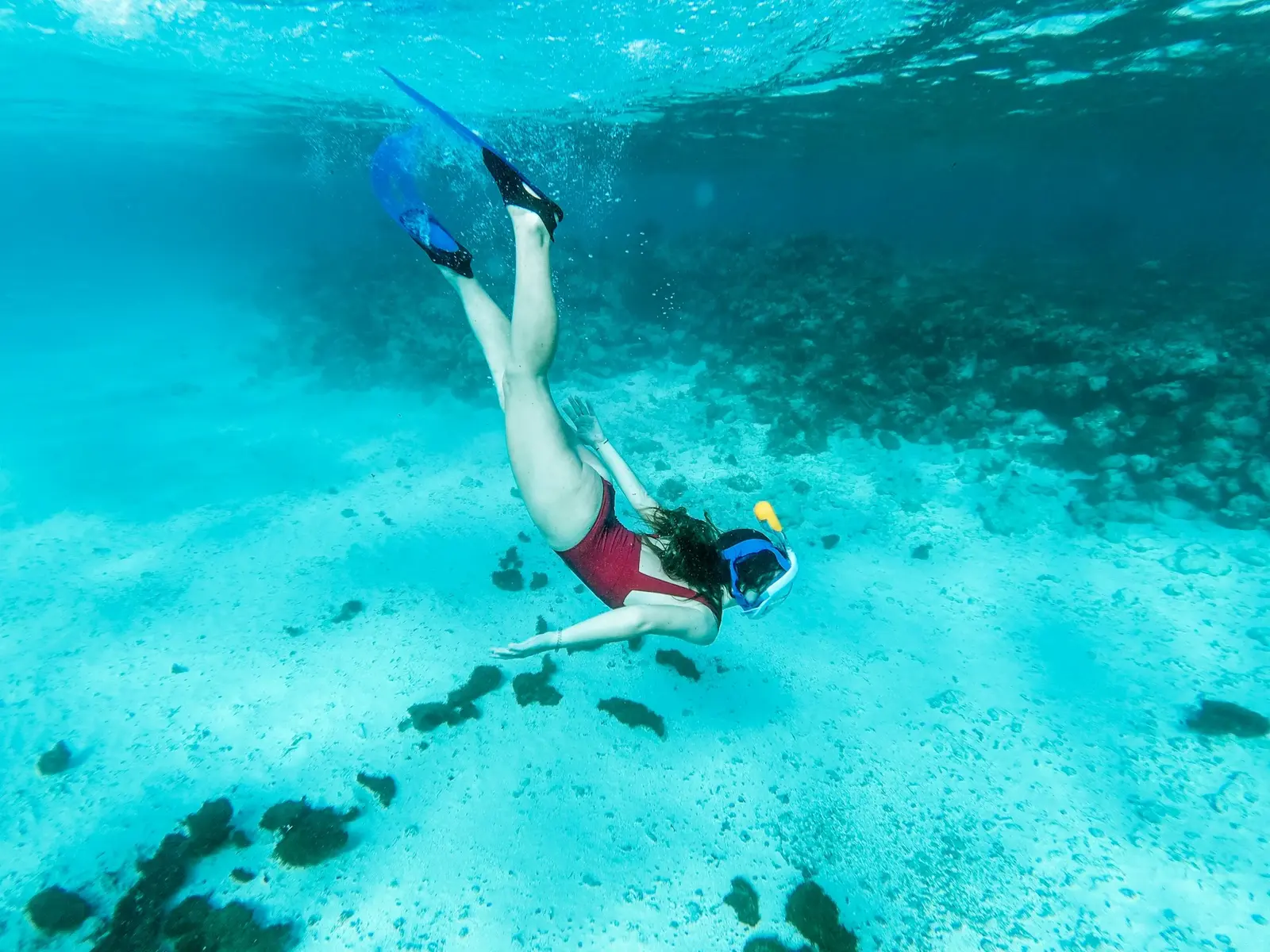
Water temperature in May runs 28 to 29°C — some of the warmest swimming conditions of the year. The Caribbean side remains calm in the mornings, with gentle afternoon winds picking up around the same time as the showers. Visibility at snorkeling sites varies: Puerto Morelos National Marine Park and Cozumel are still excellent in early to mid-May; some beach entry snorkeling sites are affected by sargassum obscuring the surface, though visibility underwater is typically unaffected.
Crowds and Prices in May
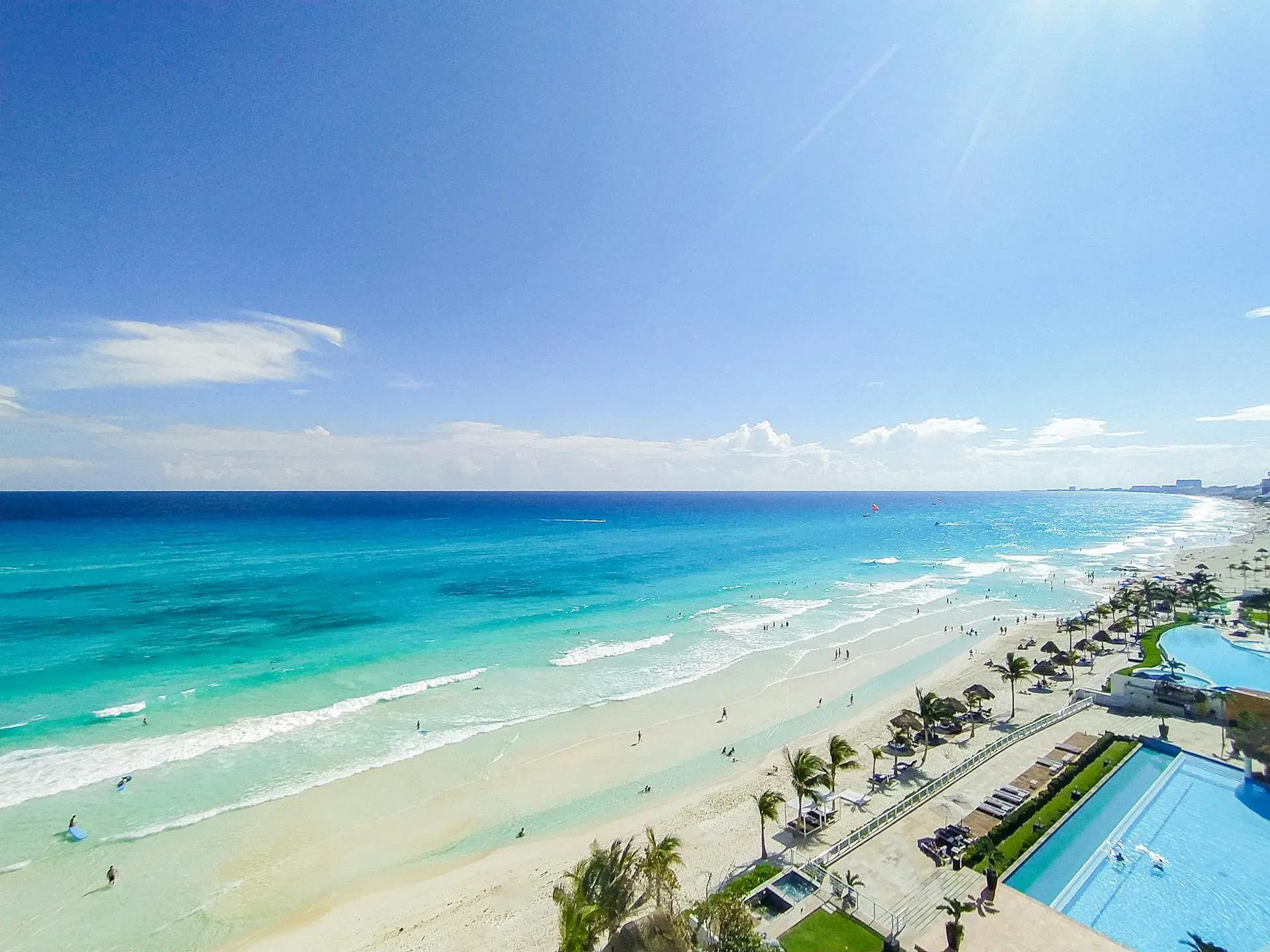
May is the quietest shoulder month in the Cancún calendar, positioned between the post-Easter price drop of late April and the early summer opening of June. There are no major US or Mexican school holidays, no spring break overlap, and no local festivals that drive significant domestic travel. The result is a Hotel Zone that operates at roughly 40 to 50% of its peak-season occupancy: short queues at popular restaurants, easy availability at tours, and a noticeably relaxed pace at the ferry terminal to Isla Mujeres.
Hotel rates reflect this. A 4-star all-inclusive on the Hotel Zone strip that ran $280 to $350 during January and February is available for $130 to $160 in May. That is not a minor discount; it is a structural pricing difference driven by genuine demand patterns. The same room, the same pool, the same buffet breakfast — at roughly half the price.
What the lower price does not change: the heat and humidity, the sargassum accumulation on some beaches, and the intermittent afternoon rain. Travelers who have stayed in both dry-season peak and May routinely report that the hotel and activity experience is comparable or better in May (due to quieter facilities) while the beach experience depends heavily on how the sargassum season develops. In a light sargassum year, May offers extraordinary value. In a heavier year, the beach-dependent portion of the trip requires more active management.
The practical booking advantage: activity operators in May rarely sell out more than a day or two in advance for most tours. Isla Contoy (which books 3 to 4 weeks ahead in peak season) is typically available with 3 to 5 days notice. Chichén Itzá tours have open slots. The only activity worth booking further ahead in May is whale shark tours, specifically because early-season departure slots are limited and cancellation rates are higher when sightings are uncertain.
Whale Sharks in May: Season Opening
May is the hinge point of whale shark season. The official season runs from mid-May through mid-September, with the very first permitted departures typically going out around May 15. What this means in practice: sightings in May are possible, sometimes excellent, and genuinely unpredictable. In years when the aggregations form early near Isla Mujeres or Isla Contoy, May tours can be exceptional. In other years, the first reliable sightings don't consolidate until June.
The biggest factors that determine May whale shark success:
- Aggregation timing: Whale sharks follow plankton blooms north of Isla Mujeres. The timing of those blooms shifts year to year by two to four weeks, which is why some May departures see dozens of sharks and others see none.
- Tour capacity limits: Even in good May sightings years, the number of permitted tours per day is lower than peak season. Early-season departures often run with smaller groups, which is actually a positive for the in-water experience.
- Weather windows: May's afternoon rain pattern means most whale shark tours depart very early (5 to 6 AM from Cancún) and aim to be back before early afternoon. This is standard practice; the early departure is part of the tour structure, not an inconvenience.
Our take: if whale sharks are the primary reason for the trip, July and August are the months to book. Aggregations during peak season (especially mid-July through early August) reliably produce multi-shark encounters with dozens of animals visible. May offers the experience of being in the water on an early-season day, which can be memorable — but we'd book it only with a free cancellation policy and a willingness to reschedule if the aggregations haven't formed yet.
For full details on how whale shark tours work, what to expect in the water, and which operators we think stand out, see our Cancún whale shark tour guide. For the broader summer whale shark season (peak conditions), our Cancún in summer guide covers July and August in detail.
Sargassum in May
Sargassum is the defining variable of May beach conditions in Cancún. The Atlantic seaweed influx typically begins in earnest in May, building from a low base in early April to meaningful accumulation on many Hotel Zone beaches by late May. The rate of accumulation varies significantly year to year, making May one of the harder months to predict in advance.
What is generally consistent: northern Hotel Zone beaches stay cleaner longer than the southern stretch. The Punta Cancún area (hotels near the convention center), Isla Mujeres (Playa Norte), and Isla Holbox typically see significantly less accumulation in May than beaches south of the Hotel Zone's curve toward Playa del Carmen. Hotels along the southern stretch near Playa Delfines are the most vulnerable to early-season accumulation.
How to plan around it:
- Check the University of South Florida sargassum satellite maps 10 to 14 days before your arrival. The maps provide a reliable preview of incoming biomass and are updated regularly. Look for the Caribbean SEAS project tracker for the most up-to-date data.
- Book hotels in the northern Hotel Zone if beach quality matters and you're traveling in the second half of May. The difference between northern and southern Hotel Zone accumulation in an average sargassum year can be substantial.
- Isla Holbox and Isla Mujeres are the most reliable alternatives for genuinely clean beach conditions in late May. Both are accessible as day trips but are worth considering as a base if beach time is central to the itinerary.
- Hotel cleanup operations are active from May onward. Major all-inclusive resorts clear their immediate beachfront daily, which improves the experience significantly but does not eliminate deeper-water sargassum visible just offshore.
Most people don't realize that sargassum affects the surface experience more than the underwater snorkeling quality. Water clarity at Puerto Morelos National Marine Park and the reef sites off Cozumel is generally unaffected by surface sargassum in May. If snorkeling and diving are priorities, May conditions are still good; it is the sunbathing and swimming-from-the-beach experience that varies most.
The Best Activities in Cancún in May
May's activity landscape rewards those who plan around the heat. Morning departures and underground or on-water activities are the best fit for May conditions; midday ruins visits and jungle-based tours become significantly harder in the second half of the month as temperatures peak.
| Activity | May Rating | Best Time of Day | Notes |
|---|---|---|---|
| Scuba diving (Cozumel, Puerto Morelos) | 8/10 | Morning | Still excellent visibility; warm water; low crowds at dive sites |
| Snorkeling tours | 7/10 | Morning | Warm water and good reef conditions; surface sargassum varies |
| Rio Secreto underground river | 9/10 | Any time (ideal midday) | 14°C cave environment is a genuine relief from 31°C surface heat |
| Sunset catamaran cruise | 8/10 | Late afternoon | Warm evenings; smaller groups than peak season |
| Hip hop boat party | 8/10 | Afternoon/evening | Hot weather enhances the on-water party experience |
| Whale shark tour | 3/10 | Early morning (5–6 AM departure) | Season opens mid-May; book with free cancellation; July–August are reliable |
| Chichén Itzá | 6/10 | 6–7 AM departure only | Heat is significant by mid-morning; earliest departure is mandatory, not optional |
| Tulum ruins | 5/10 | 8 AM departure | Less shade than Chichén Itzá; exposed coastal site; hot and humid by 10 AM |
| ATV tours | 7/10 | Early morning | Go before 9 AM; jungle heat builds quickly |
| Cooking class | 9/10 | Morning | Air-conditioned; excellent year-round; particularly good for hot months |
| Cenote visits | 9/10 | Any time | Underground cool makes cenotes far more enjoyable than in dry-season months |
| Isla Holbox day trip | 8/10 | Full day | Cleaner beaches in May; possible late-month whale shark proximity |
Activities That Shine in May
Underground and on-water activities are genuinely better in May than in the dry season for a simple reason: contrast. Rio Secreto, with its 14°C cave interior, is a more compelling experience when the surface temperature is 31°C than when it is 27°C. Cenotes benefit from the same dynamic. We'd give Rio Secreto and cenote visits the edge in May specifically for this reason, and we'd structure at least one midday activity around an underground or air-conditioned experience.
Scuba diving at Cozumel and Puerto Morelos in May is, in our view, underrated. Water temperatures peak at 28 to 29°C, visibility at reef sites is excellent, and the dive boats are running with smaller groups than in the December-to-March peak. If diving is on the itinerary, May offers excellent conditions without the crowd factor that compresses the peak-season experience at popular Cozumel sites.
Activities That Require More Planning in May
Archaeology tours need the earliest possible departures. What typically happens with travelers who underestimate May heat: they book the 8 or 9 AM Chichén Itzá tour, arrive at the site around 11 AM, and spend the key sightseeing hours in 33 to 35°C direct sun on the exposed causeway. The 6 AM departure gets you to the site by 9 AM and out before the worst heat. This is the main tradeoff for May archaeology: you get the site, but only if you build the itinerary around the early morning window.
More May Activities Worth Knowing About
Several experiences that work well in May don't have their own dedicated guides yet but are worth planning around:
- Isla Mujeres full-day trip: Even in a moderate sargassum May, Playa Norte on Isla Mujeres stays cleaner than most Hotel Zone beaches. The island is accessible via ferry from Puerto Juárez (25 minutes) and is significantly quieter in May than in the December-to-March peak. Golf cart rentals to explore the island are available at the ferry dock. This is the most reliable "clean beach day" alternative when Hotel Zone sargassum accumulation is significant.
- Isla Holbox for late May: Holbox sits on the Gulf side of the Yucatán Peninsula, partially sheltered from the Atlantic sargassum current. In most years, Holbox maintains excellent beach conditions through late May when the Hotel Zone Caribbean coast is already accumulating. It is also the closest base to early-season whale shark aggregations in the Yalahau Lagoon and Isla Contoy areas. If you are traveling in the last two weeks of May and whale shark access is a priority, Holbox is worth considering as an overnight stop. See our Isla Holbox travel guide for logistics.
- Cenote tours (multiple stops): May is genuinely one of the best months for cenote-focused itineraries. The underground cenote network maintains a constant 24 to 26°C temperature regardless of surface weather, and the contrast between the surface heat and the cool water makes the experience more memorable than in cooler months. Multi-cenote tours combining open, semi-open, and underground cenote types run daily from Cancún and typically cover 3 to 4 sites. Ask specifically about Ik Kil, Suytun, and Hubiku as part of a Chichén Itzá combo — the cenote stop softens the heat challenge of the archaeology visit significantly.
- Sunset yacht and catamaran charters: May evenings are warm, the sea is calm after morning activity, and most operators have availability without peak-season premium pricing. The combination of hot days and pleasant evenings makes a sunset departure (typically 4 to 5 PM) the highlight of a May day. Private yacht charters in May benefit from the same pricing gap that makes hotel rooms 40% cheaper: the operators have the same boats and the same crew, and they need to fill the calendar.
- Xcaret and Xel-Há eco-parks: The large eco-parks in the Riviera Maya offer partially shaded environments with river snorkeling, cenotes, and covered areas throughout. May crowds are low, which significantly improves the experience at these parks during the afternoon hours when peak-season queues can be long. These are better suited to a mixed itinerary day than to travelers who specifically want a natural outdoor experience.
From Our Experience
What we see consistently in May data is that travelers who arrive in the first two weeks have a fundamentally different experience than those in the last two weeks. Early May has manageable sargassum and heat that is warm but not yet punishing; late May adds both simultaneously. If your dates are even slightly flexible, shifting toward May 1 to 14 gives you rock-bottom prices with conditions still closer to April than to peak summer.
Tips for Visiting Cancún in May
- Book the first half of May for best overall conditions: May 1 to 14 combines the year's lowest hotel prices with sargassum levels that are still manageable on most Hotel Zone beaches. The second half of May is still good value but adds more sargassum variability and higher humidity. If dates are flexible, earlier is better.
- Choose a hotel in the northern Hotel Zone for late May arrivals: Northern Hotel Zone beaches near Punta Cancún historically accumulate less early-season sargassum than the southern stretch. This is not a guaranteed difference, but in an average or heavier sargassum year it is a meaningful one for travelers where beach access matters.
- Book whale shark tours with free cancellation only: May whale shark sightings are real but inconsistent. Early-season aggregations can form quickly or remain absent for days at a time. We'd only book a May whale shark departure with a tour operator that offers a free reschedule or full refund if the aggregation has not formed. Check the cancellation policy explicitly before confirming.
- Structure outdoor ruins visits around the early morning departure: For Chichén Itzá, the 6 to 7 AM departure is not a preference in May — it is the correct departure for a comfortable visit. Arriving by 9 AM and leaving by noon avoids the worst heat. After late May, Cobá is worth considering as an alternative; the jungle canopy provides significantly more shade than the exposed Chichén Itzá causeway.
- Use Rio Secreto or cenotes as a midday anchor: scheduling one underground activity at midday converts the hottest window of the day from a problem into the highlight of the itinerary. The 14°C temperature inside Rio Secreto is noticeably refreshing compared to 31°C surface conditions. We'd book this specifically for the midday slot in May.
- Check USF sargassum satellite maps before arrival: the University of South Florida Caribbean sargassum tracker is updated weekly and gives a reliable 1 to 2 week preview of incoming levels. Check it 10 days before travel; if heavy accumulation is forecast for your Hotel Zone stretch, the maps give enough lead time to adjust hotel selection or plan alternative beach days at Isla Mujeres.
- Bring reef-safe mineral sunscreen: CONANP regulations require mineral (non-chemical) reef-safe sunscreen at all reef snorkeling sites in Mexico's protected marine zones. Bring your own from home; availability at Cancún airport and hotel shops is inconsistent and prices are significantly higher than at home.
- Still deciding where to stay? Our guide to the best all-inclusive resorts in Cancún compares 15 hotels across the Hotel Zone, Playa Mujeres, and Costa Mujeres with honest picks for families and adults-only travelers.
- Exploring the wider Riviera Maya? Our Riviera Maya in May guide covers the whole corridor from Puerto Morelos to Tulum in the same month, including the whale shark opening, sargassum, and where to base yourself.
- Visiting at a different time of year? Our Cancún in April guide covers the dramatic post-Easter price drop and dry-season warm water. Our Cancún in June guide covers the opening of whale shark season at low-season prices and peak sargassum conditions. For peak whale shark aggregations in July and August, our Cancún in summer guide covers full-season whale shark conditions. For how May stacks up against the rest of the calendar, see our full guide to the best time to visit Cancún.
How We Put This Guide Together
This guide draws on seasonal data across Cancún and the Riviera Maya, including historical sargassum accumulation patterns from the University of South Florida's Caribbean sargassum tracking project, hotel pricing data across the Hotel Zone, whale shark season records from CONANP-permitted operators, and traveler reports from May visits across multiple years. Activity ratings reflect the combination of conditions, operator availability, and practical experience during the month rather than abstract quality scores. Where conditions vary significantly within the month (particularly sargassum and heat), we've tried to represent the week-by-week pattern rather than treating May as a single uniform block.
Frequently Asked Questions
Is Cancún good in May?+
Yes, for travelers who prioritize value over beach perfection. May offers the lowest hotel prices of the year, minimal crowds, and excellent activity availability. The tradeoffs are real: heat and humidity are noticeably higher than in the dry season, afternoon showers are common, and sargassum builds through the month on many beaches. Travelers focused on diving, cenotes, or on-water activities at a low price will find May excellent. Those for whom a clean open beach is the primary draw should target the first half of the month and choose northern Hotel Zone accommodations.
What is the weather like in Cancún in May?+
May marks the start of the wet season. Daytime highs reach 30 to 32°C (86 to 90°F) with high humidity; evenings cool to 24 to 26°C. Afternoon rain showers are common, typically arriving between 2 and 5 PM and clearing within an hour. Mornings are usually sunny and calm. Sea temperature runs 28 to 29°C — among the warmest of the year. There are no cold fronts (nortes) in May. Plan outdoor activities before noon, especially archaeology tours.
Are whale sharks available in Cancún in May?+
The whale shark season officially opens around May 15. Early sightings near Isla Mujeres and Isla Contoy are possible but not guaranteed; aggregations in May are smaller and less predictable than in July and August peak season. Book May whale shark tours only with a free cancellation policy. If seeing whale sharks is your primary goal, July or August are significantly more reliable months.
Is sargassum bad in Cancún in May?+
Sargassum builds through May, with the first half generally more manageable than the second half. Northern Hotel Zone beaches and Playa Norte on Isla Mujeres tend to stay cleaner longer than the southern Hotel Zone stretch. In heavier sargassum years, late May can see significant accumulation on some beaches. Check the University of South Florida sargassum satellite maps 10 to 14 days before travel for a reliable forecast.
Is May a good time for snorkeling and diving in Cancún?+
Yes. Water temperatures peak at 28 to 29°C in May and reef visibility at Puerto Morelos National Marine Park and Cozumel remains excellent. Surface sargassum affects the look of some beach entry points but does not significantly reduce underwater visibility at reef sites. May is a strong month for diving specifically: conditions are excellent, dive boats run with smaller groups than peak season, and prices are lower.
Is May expensive in Cancún?+
No. May is one of the cheapest months of the year in Cancún. Hotel rates for 4-star all-inclusives in the Hotel Zone drop to roughly $130 to $160 per night — significantly lower than January ($220 to $280) or March ($320 to $400 during spring break). Activity operators also have more availability in May, which means less booking pressure and sometimes lower last-minute pricing.
What is the best week to visit Cancún in May?+
May 1 to 14 offers the best combination of conditions and value. Prices are at the annual floor, crowds are minimal, sargassum accumulation is usually still manageable on northern Hotel Zone beaches, and heat is warm but not yet fully oppressive. After May 15, sargassum typically builds more aggressively, afternoon showers increase in frequency, and humidity is higher. If whale sharks are the specific goal, late May (post-15th) gives more chances for early-season sightings.
What activities are best in Cancún in May?+
Rio Secreto underground river, cenote visits, scuba diving at Cozumel and Puerto Morelos, sunset catamaran cruises, and cooking classes are the strongest options for May conditions. All benefit from either indoor or on-water environments that sidestep the midday heat. Archaeology tours (Chichén Itzá, Tulum) require the earliest available departures and are significantly harder in the second half of May. Whale shark tours open mid-May with early-season variability; book with free cancellation.
Affiliate note: Some links on this page are affiliate links. If you book through them, we may earn a small commission at no additional cost to you.