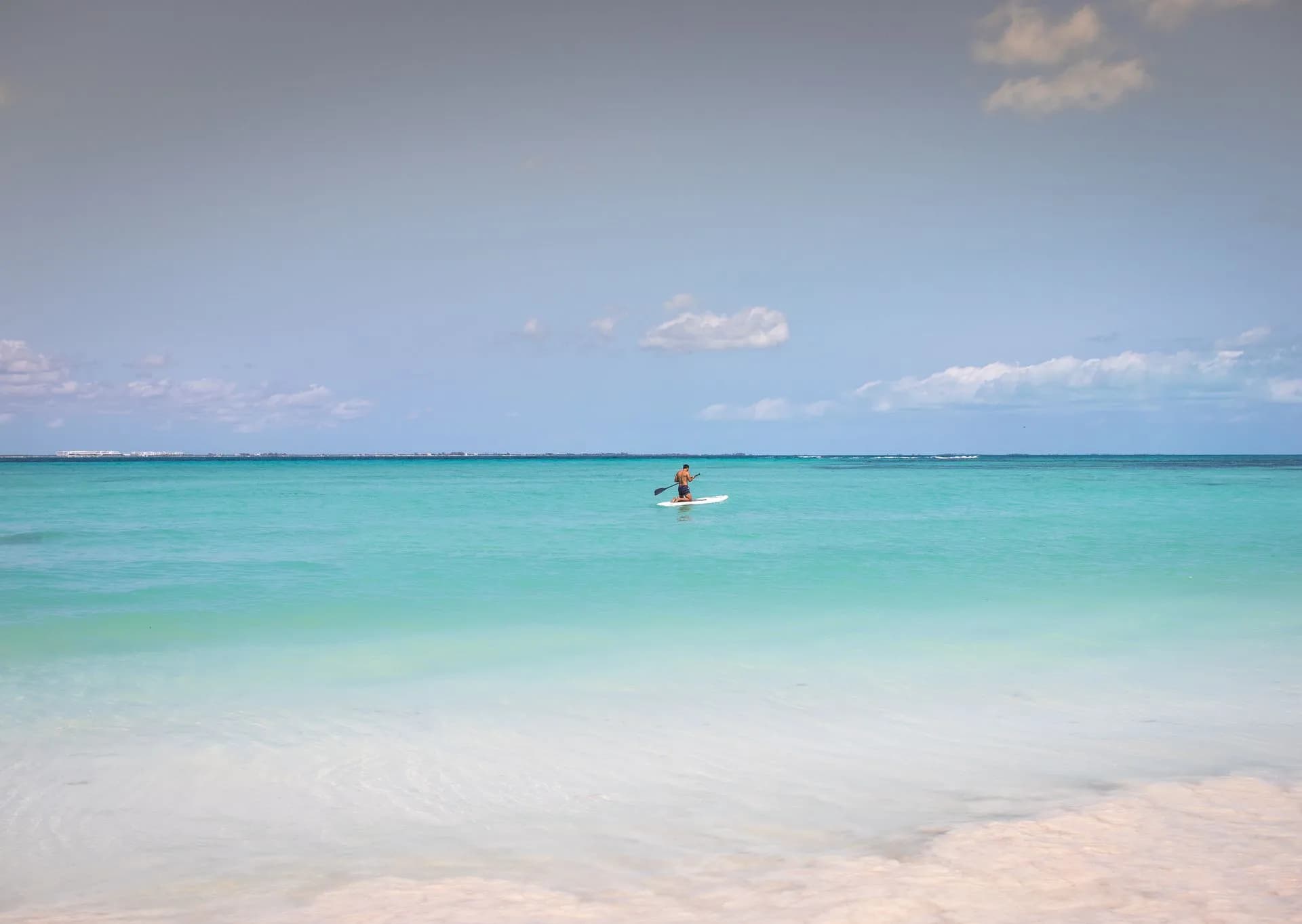
Summer is the most divisive time to visit Cancún: it brings the world's best whale shark encounter, lower prices, and warm water, alongside real heat, humidity, and the possibility of sargassum on the beach. Here is what to actually expect.
What You Should Know
- Whale shark season runs roughly mid-May to mid-September (some operators start in June). This is the single most compelling reason to visit Cancún in summer; the aggregations peak in July and August, and tours in those months sell out 3 to 4 weeks ahead.
- Summer (June through September) is Cancún's hottest and most humid season. Daytime highs typically reach 32 to 35°C (90 to 95°F) with humidity that makes it feel significantly warmer. Afternoon rain showers are common but usually short.
- Sargassum seaweed affects some Hotel Zone beaches in summer, most often from June through August. Levels vary year to year. Hotels in the northern Hotel Zone (Punta Cancún area) and Playa Norte on Isla Mujeres tend to see less; resort staff clear the beach daily where possible.
- Hotel and tour prices in summer are noticeably lower than peak season (December through April), often roughly 20 to 40% less. The tradeoff is heat, humidity, and some weather uncertainty. Most activities run year-round; a few boat tours get cancelled on rough-sea days.
Cancún in Summer: The Honest Picture
⭐ Best summer month for Cancún: Early July. Peak whale shark aggregations, lower hotel prices than late July/August, warm water, and lower storm risk than September.
Yes, Cancún is good in summer, but for the right traveler. If you are coming for whale sharks, lower hotel prices, and a full activity calendar, summer is genuinely one of the best times to visit. If your priority is a cool, dry climate and a sargassum-free beach every day, it is the wrong season: the heat, humidity, and seaweed are real factors, not minor footnotes.
Visiting Cancún in summer means choosing between two realities at once. On the one hand, the whale shark season (roughly mid-May to mid-September, peaking in July and August) is the only time of year you can swim alongside whale sharks in the open ocean north of Isla Mujeres, which is one of the best wildlife experiences in the world. On the other hand, the same months bring the hottest weather of the year, the highest chance of afternoon thunderstorms, peak sargassum risk, and the beginning of hurricane season. Neither side of this picture dominates the other. Whether summer is the right time to visit depends entirely on which factors matter most to your trip.
In our view, summer is genuinely underrated for Cancún travel if you plan for what it actually is rather than the postcard version. The whale shark window is worth organizing a trip around. Hotel prices are meaningfully lower. The water is warm, the reef is alive, and the activity calendar is fully open. What matters is going in with accurate expectations about heat and sargassum, so neither catches you off guard. This guide covers everything: what the weather is really like, which beaches are better in summer, the complete list of summer activities, what to expect from sargassum, and the activities available that don't have their own dedicated guide yet.
Most Popular Tours
Compare and Book the Top Cancún Tours in Summer
These are the six tours we shortlist for Cancún in summer, led by the seasonal whale shark tour. Compare live options below, then book our summer pick, the Cancún whale shark tour, directly.
Whale Shark Season: The Headline Reason to Visit in Summer
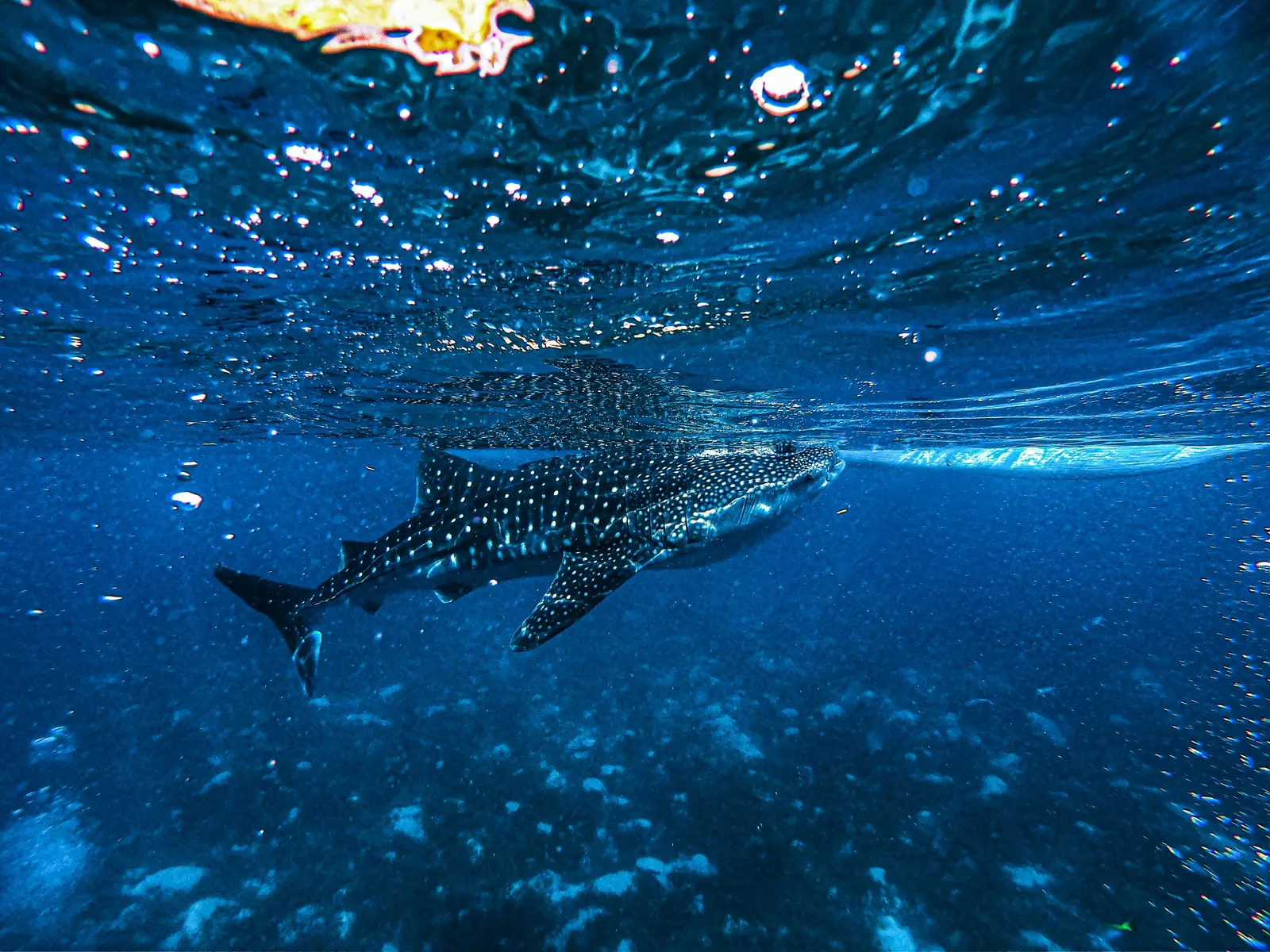
The single strongest argument for visiting Cancún in summer is whale shark season. From roughly mid-May to mid-September (some operators start in June), hundreds of whale sharks congregate in the open water north of Isla Mujeres to feed on fish spawn. The aggregation peaks in July and August, when the largest numbers gather and sightings are most reliable. Outside this window, the activity is simply unavailable. Whale shark encounters in Mexican waters are seasonally regulated by CONANP, which sets operating rules and group-size limits for licensed tour operators.
A whale shark tour from Cancún runs 6 to 10 hours: a boat crossing to the open feeding zone, two short snorkeling sessions in the water alongside the sharks, a reef snorkeling stop near Isla Mujeres, and a ceviche lunch on the return. You do not need to be a strong swimmer; guides are in the water with you at all times. Tours run daily during peak season with departures from Puerto Juárez or the Hotel Zone marina and cost $155 to $199 USD per person, plus a $25 federal marina and national park fee that some operators collect on the day.
For a more remote version of the same experience, whale shark tours from Isla Holbox use smaller boats and operate in a less trafficked stretch of ocean. The logistics add a 2.5-hour drive and a ferry crossing to the start of the day, but the open-water experience is noticeably more intimate. Both departure points operate during the same season window.
Booking advice: July and August tours sell out 3 to 4 weeks ahead. If your dates fall in peak summer, book before you finalize any other activity. Tour operators track weather daily and have flexible rescheduling policies for rough-sea days; check that yours does before booking. We'd confirm this before paying.
Cancún Weather in Summer: June, July, August, and September
Temperature and Humidity
June through September is the warmest and most humid part of the Cancún year. Daytime temperatures typically sit between 32 and 35°C (90 to 95°F), and high humidity means the heat index often feels 4 to 6 degrees warmer than the air temperature (historical averages via Mexico's Servicio Meteorológico Nacional). Mornings are the most comfortable window for outdoor activity; by midday the combination of heat and direct sun is genuinely draining. Any activity with an outdoor component works better when it starts before 10am.
The Caribbean Sea stays at 28 to 30°C (82 to 86°F) throughout the summer, which is excellent for all water activities. The water is warm enough that wetsuit use is entirely optional for snorkeling and diving.
Rain
Afternoon rain showers are common from June through September, typically arriving between 2 and 5pm. Most are short (30 to 60 minutes) and pass quickly. They rarely cancel daytime tours, which usually return by early afternoon. September is the wettest month, with rain more likely to persist into the evening. Extended multi-day rain is uncommon but possible.
Hurricane Season
The Atlantic hurricane season runs June 1 through November 30, with peak activity from late August through October. The Yucatán Peninsula sees direct hurricane impacts less often than the numbers suggest; most systems weaken or track away before reaching Cancún. That said, tropical storms and indirect weather effects do occasionally disrupt travel in September and October. We'd keep travel insurance in mind if you're booking a summer trip with no flexibility.
June, July, and early August are the safest summer window from a weather standpoint. Late August through September carries noticeably more storm risk. If flexibility in travel dates is possible, early July is the sweet spot: peak whale shark aggregations, lower hotel prices, and relatively stable weather before the late-season storm risk increases.
| Month | Weather | Sargassum Risk | Whale Sharks | Prices | Best For |
|---|---|---|---|---|---|
| June | Hot, humid | High | Season opens | Lower | Value + early whale shark access |
| Early July | Hot, humid | High | Peak | Moderate | Best overall summer month |
| Late July/Aug | Very hot | Medium-high | Peak | Higher | Families; school holidays |
| September | Wettest; storm risk | Declining | Ending | Lowest | Budget travelers with flexibility |
Most Popular Tours
Sargassum in Cancún in Summer: Best Beaches and What to Expect
Sargassum is floating brown seaweed that washes ashore along the Caribbean coast from May through August, with the heaviest arrivals typically in June and July. It is a natural Atlantic phenomenon, not a local pollution issue, and its severity varies significantly from year to year. Some summers bring minimal accumulation; others see heavy deposits on the southern Hotel Zone beaches for weeks at a time.
Which Beaches Are Least Affected
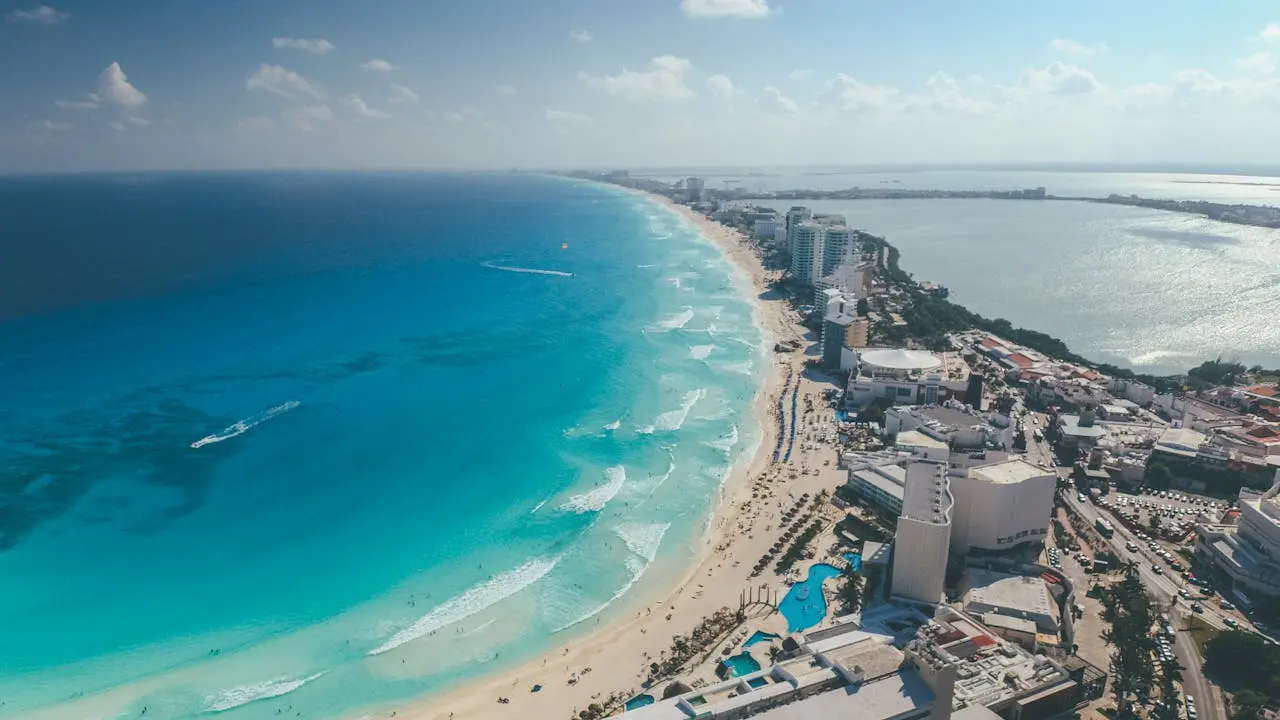
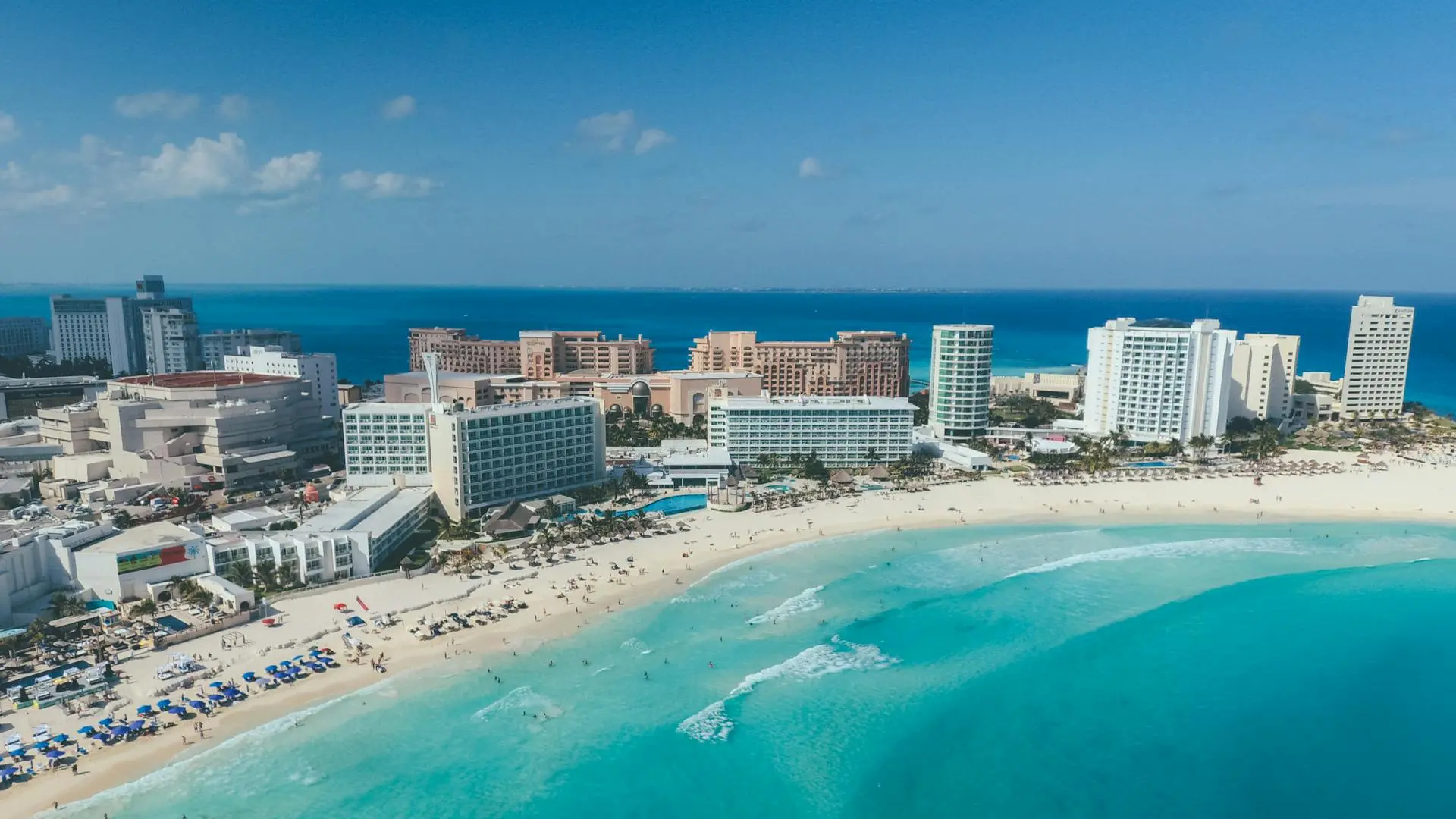
The northern Hotel Zone beaches near Punta Cancún (Playa Gaviota Azul, Playa Chac Mool) historically see less sargassum than the southern stretches because of differences in prevailing current direction. Resorts along this stretch employ beach crews who clear the shore daily, often before breakfast. If a sargassum-free beach is important to you, hotels in the northern Hotel Zone and at Costa Mujeres are the more reliable choice in summer.
Playa Norte on Isla Mujeres is another consistently cleaner option in summer; the north-facing orientation and shallower lagoon water means less direct sargassum exposure. An Isla Mujeres catamaran day combines the beach visit with the sailing experience.
The beaches at Xcaret, Xel-Ha, and Akumal sit on a coastline stretch that is more exposed to open-ocean sargassum arrivals from the south. These parks and resort areas are more likely to see significant accumulation during a heavy sargassum year.
| Area | Summer Sargassum Risk | Best For |
|---|---|---|
| Northern Hotel Zone (Punta Cancún) | Lower | Beach-focused Hotel Zone stays |
| Southern Hotel Zone | Higher | Resort amenities over beach quality |
| Costa Mujeres | Lower | Quieter upscale beach experience |
| Isla Mujeres / Playa Norte | Lower | Clearest summer beach near Cancún |
| Riviera Maya (Xcaret, Akumal) | Higher | Parks, cenotes, and inland activities |
Managing Expectations
Sargassum does not close beaches or cancel most tours. Boat-based tours depart into cleaner offshore water and are rarely affected. The main impact is aesthetic: a band of seaweed along the shoreline changes the beach experience significantly on bad days. Major all-inclusive resorts with dedicated beach crews clear it faster than smaller hotels. This is where hotels really differ: a resort with daily beach crews can transform the same stretch of coastline from unwelcoming to clear within a few hours of accumulation. We'd check real-time sargassum tracking resources (the University of South Florida Optical Oceanography Lab posts weekly satellite sargassum updates) before finalizing dates if beach quality is a priority for your trip.
The Best Activities in Cancún This Summer
The full Cancún activity calendar is open in summer. Here is how the most popular experiences stack up against the season.
| Activity | Summer Rating | Best Time of Day | Notes |
|---|---|---|---|
| Whale Shark Tour | 10/10 | Early morning | Book 3-4 weeks ahead; roughly mid-May to mid-Sept only |
| Scuba Diving (MUSA) | 9/10 | Morning | Below surface chop; warm water year-round |
| Rio Secreto | 9/10 | Midday | Cool underground escape from surface heat |
| Snorkeling Tours | 8/10 | Morning | Go early before afternoon swells build |
| Sunset Catamaran | 8/10 | Late afternoon | Vivid summer sunsets; year-round |
| Cooking Class | 8/10 | Midday | Mostly indoors; good midday heat escape |
| Food Tour | 8/10 | Evening | Cooler after sunset; more vendors active |
| Hip Hop Boat Party | 8/10 | Evening | Sea breeze; unaffected by daytime rain |
| Pub Crawl | 8/10 | Evening | Air-conditioned clubs; smaller summer crowds |
| Isla Contoy | 8/10 | Morning | Green season; active bird colonies |
| ATV & Jungle Combo | 7/10 | Early morning only | Hot; book earliest departure available |
| Tulum Day Trip | 7/10 | Early morning | Exposed cliff site; arrive at opening |
| Chichén Itzá Day Trip | 6/10 | Early morning only | Minimal shade; 6-7am departure essential |
Summer-Exclusive
- Whale Shark Tours: Open-water snorkeling with the world's largest fish, roughly mid-May to mid-September only (some operators start in June). No other activity in the region is this specific to summer and this difficult to replicate elsewhere. Book 3 to 4 weeks ahead for July and August.
- Whale Shark Tours from Isla Holbox: Same season, smaller boats, more remote ocean. A full-day excursion from Cancún with a drive, ferry, and open-water experience combined. We like this for travelers who want a less commercial atmosphere around the same wildlife.
Year-Round Activities That Work Well in Summer
- Snorkeling Tours: The reef at Puerto Morelos National Marine Park is fully accessible year-round. Water visibility is good in summer and the warm water makes extended snorkeling comfortable. Mornings are the best window before afternoon swells pick up.
- Scuba Diving at MUSA: Discovery dives at the submerged sculpture park run daily regardless of surface weather. The 8 to 10 metre depth keeps you below surface chop on windier summer days. No certification needed.
- Sunset Catamaran Cruises: Open-bar sailing to Isla Mujeres and back. Summer sunsets over the lagoon are vivid after afternoon storms clear, and the catamaran departs into calmer late-afternoon conditions. We'd pick this for the first or last evening of a summer trip; summer sunsets over the lagoon are notably vivid after afternoon storms clear.
- Private Yacht Charters: Exclusive-use boats are available year-round. Summer pricing is lower than December through April, which narrows the gap between a shared catamaran and a private boat for small groups.
- Hip Hop Boat Party: Adults-only evening floating club, year-round. Summer evenings on the water are warm and humid; the boat format means you're in the breeze throughout. Runs regardless of afternoon rain since it departs in the evening.
- Cancún Pub Crawl: Four Hotel Zone clubs, year-round. Summer is actually a good season for the pub crawl; the crowds are smaller than December through April and the energy inside the air-conditioned clubs is consistent.
- Rio Secreto Underground River: A cave river system 75 minutes south of Cancún. We'd give this the edge in summer over any other season: the underground environment stays at a constant 24°C (75°F), and stepping from 35°C surface heat into a cool cave is more dramatic in summer than at any other time of year.
- ATV and Jungle Combos: Year-round, but summer is genuinely hot for this one. The jungle sections offer shade, and the cenote swim at the end is the biggest payoff. We'd book the earliest available departure to finish the outdoor portion before midday heat peaks.
- Isla Contoy: Federally protected bird sanctuary with a 200-person daily cap. Summer is a good season for the island: green vegetation, active bird colonies, and warm snorkeling water. Book 2 to 3 weeks ahead regardless of season.
- Tulum Day Trips: The Tulum ruins with an ocean view are open year-round. Summer heat at the exposed cliff site is significant; arriving at opening (8am) makes a meaningful difference before sun exposure peaks. Most tour packages include a cenote stop and air-conditioned transport both ways.
- Chichén Itzá Day Trip: The site is open year-round and the 12 to 13 hour door-to-door tour runs daily. Summer is the hottest window for this visit; the exposed archaeological zone has minimal shade. We'd only book the 6 to 7am departure for this in summer; arriving at site opening is the difference between a manageable visit and an exhausting one. The afternoon return through Valladolid is in cooler, air-conditioned transport.
- Cancún Cooking Classes: Hands-on Yucatecan cuisine starting with a local market walk. Indoor activity for most of the session; works well as a midday or afternoon program when outdoor heat is at its peak.
- Cancún Food Tours: Evening street food and tequila tasting with a local guide. Summer evening food tours are one of the best times to do this: the temperature drops after sunset, vendor activity picks up, and the street food scene is at full energy from around 7pm.
- Tequila Tasting: Indoor, air-conditioned, 30 to 60 minutes in the Hotel Zone. Works any time of year and serves as a good afternoon activity during peak heat hours.
Most Popular Tours
More Summer Activities Worth Knowing About
These activities do not yet have their own dedicated guides on this site, but they are all well-established and popular in summer.
Isla Mujeres Day Trip
Isla Mujeres is a 20-minute ferry ride from Puerto Juárez in the northern Hotel Zone. The island is small enough to tour by golf cart (rentals are available at the ferry dock) and is a full day out without requiring a tour operator. Playa Norte, on the island's north end, is one of the best beaches near Cancún and one of the more reliably calm and clear in summer. The island has its own reef snorkeling, a sea turtle sanctuary (Tortugranja), and a quiet town grid of restaurants and shops. Round-trip ferry tickets are inexpensive and ferries run frequently throughout the day. Several catamaran tours include an Isla Mujeres stop; see our sunset cruise guide for those.
Xcaret Eco-Park
Xcaret is a large eco-archaeological park about 75 kilometres south of Cancún on the Riviera Maya, typically reached by shuttle. The park combines underground river swimming, snorkeling in a natural inlet, wildlife exhibits, and an evening cultural show covering Mexican history and folk dance. It is a full-day experience (most visitors spend 6 to 8 hours) and tickets include most activities inside the park. Most people don't realize the park involves substantial walking across the complex, including cave tunnel sections and the underground river trail; comfortable shoes matter significantly more than flip-flops here. We'd book this for families specifically; the combination of swimming areas, wildlife exhibits, and the included evening cultural show means the day has enough variety that it doesn't feel repetitive. The park has reef access, but this stretch of coast is more exposed to sargassum than the Hotel Zone; the interior river and pool areas are unaffected.
Xel-Ha Natural Aquatic Park
Xel-Ha is a natural cove park 2 kilometres from Tulum, also reached by shuttle from Cancún, about 90 minutes to 2 hours each way. The park is built around a natural lagoon where freshwater cenotes meet the Caribbean, creating warm, clear snorkeling conditions with tropical fish. Admission covers snorkeling gear, food, drinks, and all equipment. It runs year-round and the natural lagoon is largely unaffected by open-coast sargassum. Often combined with a Tulum ruins visit as part of a full-day Riviera Maya trip.
Cenote Visits
The Yucatán Peninsula has thousands of cenotes (freshwater sinkholes) at various distances from Cancún. The most accessible standalone cenote experiences are in the jungle parks 30 to 45 minutes south of the Hotel Zone, where ATV and snorkeling tours already include cenote swims. For dedicated cenote visits further afield, Cenote Ik-Kil (near Chichén Itzá, included in some tour packages), the Valladolid cenotes, and the Dos Ojos cave system near Tulum are the most frequently visited. Summer is a good season for cenotes: the freshwater stays cool regardless of surface temperature, making a cenote swim the most refreshing part of a hot summer day. Most people don't realize cenote water stays around 24°C (75°F) year-round regardless of surface temperatures; that coolness is most noticeable and most welcome in summer heat. Our ATV and cenote guide covers the closest options to the Hotel Zone.
Parasailing and Jet Skiing
Parasailing and jet ski rentals operate year-round from beach concessions along the Hotel Zone, mostly concentrated near the Zona Hotelera's lagoon-side beaches and Playa Caracol. These are walk-up activities that do not require advance booking. Summer sea conditions are generally calm enough in the mornings; afternoon wind and swell occasionally limit water toy operations in late summer. No dedicated guide on this site yet, but any beach concession or your hotel activity desk can book these directly.
Swimming with Dolphins
Mexico passed a law in 2025 banning dolphin shows and phasing out captive dolphin programs, so we no longer recommend booking dolphin interaction programs. For wildlife in the water, the summer whale shark season and reef snorkeling tours are the better choice.
Most Popular Tours
Is Cancún Cheaper in Summer? Prices, Crowds, and Hotel Deals
Summer in Cancún sits in an interesting pricing window. For most of June and early July, hotel rates are noticeably lower than the December through April peak, often roughly 20 to 40% less for the same rooms. This changes in late July and August when North American and European school holidays push demand back up; the Hotel Zone fills with families and rates partially recover. September is the cheapest month in the Cancún calendar for hotels, with the significant caveat of higher weather risk.
When Summer Crowds Peak
July 4 through Labor Day weekend (U.S. school holidays) brings the busiest Hotel Zone crowds of the summer period. Spring break traffic (March through April) is generally heavier overall, but late July and August still see full resort occupancy and active marina traffic. Whale shark tours sell out weeks ahead during this window.
June is a genuine shoulder month: schools are still in session in many markets, whale shark season has just opened, and room rates are at their summer low. From what we've seen in operator data and tour availability, early July offers the best combination of low prices, peak whale shark aggregations, and moderate crowd levels before school holiday traffic arrives.
Tour Pricing in Summer
Tour prices for most Cancún activities do not change significantly by season. Whale shark tours, snorkeling, ATV combos, and sunset catamarans run at broadly consistent pricing year-round. The savings in summer come primarily from hotel costs, not from tour costs. The one exception is yacht charters, where off-peak availability sometimes means lower negotiated rates for same-day or short-notice bookings.
All-Inclusive Resort Value in Summer
We'd lean toward an all-inclusive resort in summer specifically, because on-property pools, restaurants, and beach bars are more valuable when midday heat makes venturing out unappealing. Room rates are lower, and the all-inclusive format insulates you from the heat in a practical way: pools, restaurants, air conditioning, and beach bars are all on-property. For families in particular, the all-inclusive model in summer means not navigating restaurant logistics on a hot afternoon. Our guide covers the full list of all-inclusive options by category.
Our Take
Build a buffer day into any summer trip planned around whale sharks: operators cancel or reschedule on rough-sea days, and one spare day is the difference between rescheduling the most memorable activity of the trip and missing it entirely. Book the tour early in your stay, not on the last day.
Tips for Visiting Cancún in Summer
- Book whale shark tours before anything else: July and August dates fill 3 to 4 weeks in advance. Secure your whale shark spot before finalizing any other bookings. Everything else can be booked closer to arrival; whale shark tours cannot.
- Schedule demanding outdoor activities for early morning: Chichén Itzá, ATV tours, and the Tulum ruins are significantly more manageable when you arrive at or near site opening (usually 8am). Tours that depart at 6 to 7am and return by early afternoon avoid the worst of the midday heat.
- Plan midday around shade and air conditioning: the 12pm to 3pm window is the hottest part of the day. Indoor activities (cooking classes, tequila tasting, cenote visits underground), air-conditioned transport days, or resort pools are the practical choices for this window on a summer itinerary.
- Check sargassum conditions before arrival: the University of South Florida publishes weekly sargassum satellite maps online. Checking these in the week before your trip gives you a realistic picture of what to expect at your specific resort area. Hotel front desks also report current beach conditions on request.
- Travel insurance matters more in summer: hurricane season means a small but real possibility of weather disruption that could affect your travel dates. A policy that covers trip interruption or cancellation for named storms is worth the cost for summer bookings, particularly in September.
- Chemical sunscreen is banned at reef sites year-round: Per CONANP regulations for protected marine zones, reef snorkeling operators require mineral reef-safe sunscreen. Bring your own from home; airport and hotel versions are inconsistently available and expensive.
- Evening food tours outperform afternoon ones in summer: street food tours that depart at 7pm or later benefit from the drop in temperature after sunset, higher vendor activity, and a more authentic local atmosphere than midday tours when heat keeps many vendors closed.
- Airport transfers matter more when flights are delayed in storm season: standard shared shuttles often have documented patterns of departing without waiting when flights run late. Private services with flight tracking are worth the price difference in summer when afternoon storms commonly delay arrivals. Our airport transfer guide covers the best private options with real review data.
- Want the month-by-month detail? Our Cancún in July guide covers peak whale shark aggregations and how to structure the trip around them. Our Cancún in August guide covers peak season continuing into August, the late-August crowd drop, and improving sargassum. Our Cancún in September guide covers the season close through mid-September at the year's cheapest prices. Our Cancún in June guide covers the season opening at the year's lowest prices.
- Visiting Cancún outside of summer? Our Cancún in January guide covers what to expect in peak dry season: the best weather and water visibility of the year, no sargassum, cool evenings, and higher hotel prices than summer. For a full-year comparison across all twelve months, see our guide to the best time to visit Cancún.
How We Put This Guide Together
The Cancun Trip Insider team built this guide from operator data, verified traveler review patterns, sargassum monitoring data, and seasonal availability windows across all major activity categories. Summer is the most condition-dependent season in Cancún, so we prioritized factual accuracy over promotional framing: every claim about weather, sargassum, and seasonal timing reflects documented patterns rather than best-case scenarios. Tour prices, ratings, and review counts were updated and verified by our editorial team in October 2026. Summer conditions vary year to year; we recommend cross-checking sargassum forecasts and tour availability in the weeks before your trip. Every activity linked here has its own dedicated guide with operator comparisons and real review data.
Frequently Asked Questions
Is Cancún good in the summer?+
Yes, with the right expectations. Summer falls inside the whale shark season (roughly mid-May to mid-September), prices are lower than peak season, the water is warm, and most activities run year-round. The tradeoffs are real heat and humidity, a higher chance of afternoon rain, the start of hurricane season, and variable sargassum on the beaches. Early July offers the best combination: peak whale shark aggregations, moderate crowds, and lower prices before school holiday demand peaks.
When is whale shark season in Cancún?+
Whale shark season in Cancún runs roughly mid-May to mid-September (some operators start in June), with peak aggregations in July and August when the largest numbers gather to feed north of Isla Mujeres. Tours in July and August sell out 3 to 4 weeks ahead. Outside this window, whale shark tours are not available. Isla Holbox runs whale shark tours on the same seasonal calendar with smaller boats and a more remote location.
How bad is sargassum in Cancún in summer?+
Sargassum varies significantly from year to year. In heavy years, Hotel Zone beaches see notable accumulation from June through August; in lighter years it is minimal. Major resorts clear the beach daily. The northern Hotel Zone (Punta Cancún area), Playa Norte on Isla Mujeres, and Costa Mujeres tend to see less sargassum than the southern Hotel Zone and Riviera Maya stretches. Boat tours operate in cleaner offshore water and are rarely affected.
What is the weather like in Cancún in July and August?+
July and August are hot and humid: daytime highs of 32 to 35°C (90 to 95°F) with humidity that raises the heat index further. Afternoon rain showers (usually 30 to 60 minutes) are common and typically clear by early evening. Hurricane risk is present but mostly peaks from late August through October. The Caribbean Sea stays at 28 to 30°C, making water activities comfortable throughout.
Is Cancún cheap in the summer?+
Hotel prices in early summer (June and early July) are roughly 20 to 40% lower than peak December through April rates. Late July and August see partial price recovery during North American and European school holidays. September has the lowest hotel prices of the year but carries the highest weather risk. Tour prices stay broadly consistent year-round; savings come mainly from hotel and accommodation costs.
What should I book first for a summer Cancún trip?+
Whale shark tours, if your dates fall between roughly mid-May and mid-September. July and August tours sell out weeks ahead. Book that first, then Isla Contoy (200-person federal daily cap), then Chichén Itzá or ATV day trips, then everything else. Most other Cancún activities can be booked 3 to 7 days before your arrival date.
Does Cancún have hurricanes in summer?+
Hurricane season officially runs June 1 through November 30, with peak activity from late August through October. Direct hurricane impacts on Cancún are uncommon, but tropical storms and weather disruptions do occur in late summer. June, July, and early August are the lower-risk summer window. If you are booking a September or October trip, travel insurance that covers named storm disruption is worth considering.
What is the best beach in Cancún to avoid sargassum?+
In the Hotel Zone, the northern beaches near Punta Cancún (Playa Gaviota Azul, Playa Chac Mool) historically see less sargassum accumulation due to current direction. Playa Norte on Isla Mujeres (a 20-minute ferry ride away) is one of the most consistently clear beaches near Cancún in summer. Costa Mujeres resorts to the north of the Hotel Zone also tend to receive less sargassum. Resorts with dedicated beach crews clear accumulation daily regardless of location.
Affiliate note: Some links on this page are affiliate links. If you book through them, we may earn a small commission at no additional cost to you.