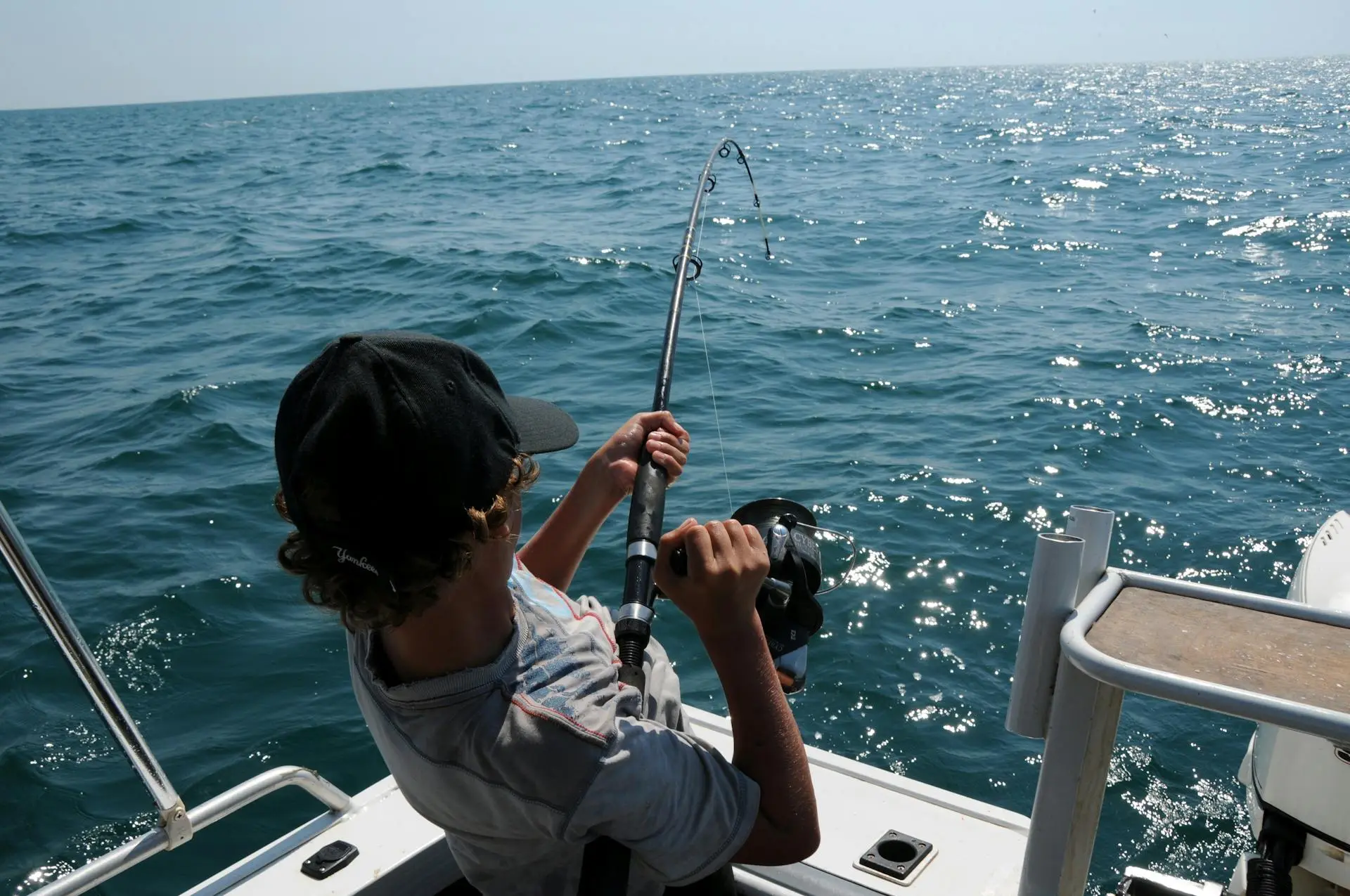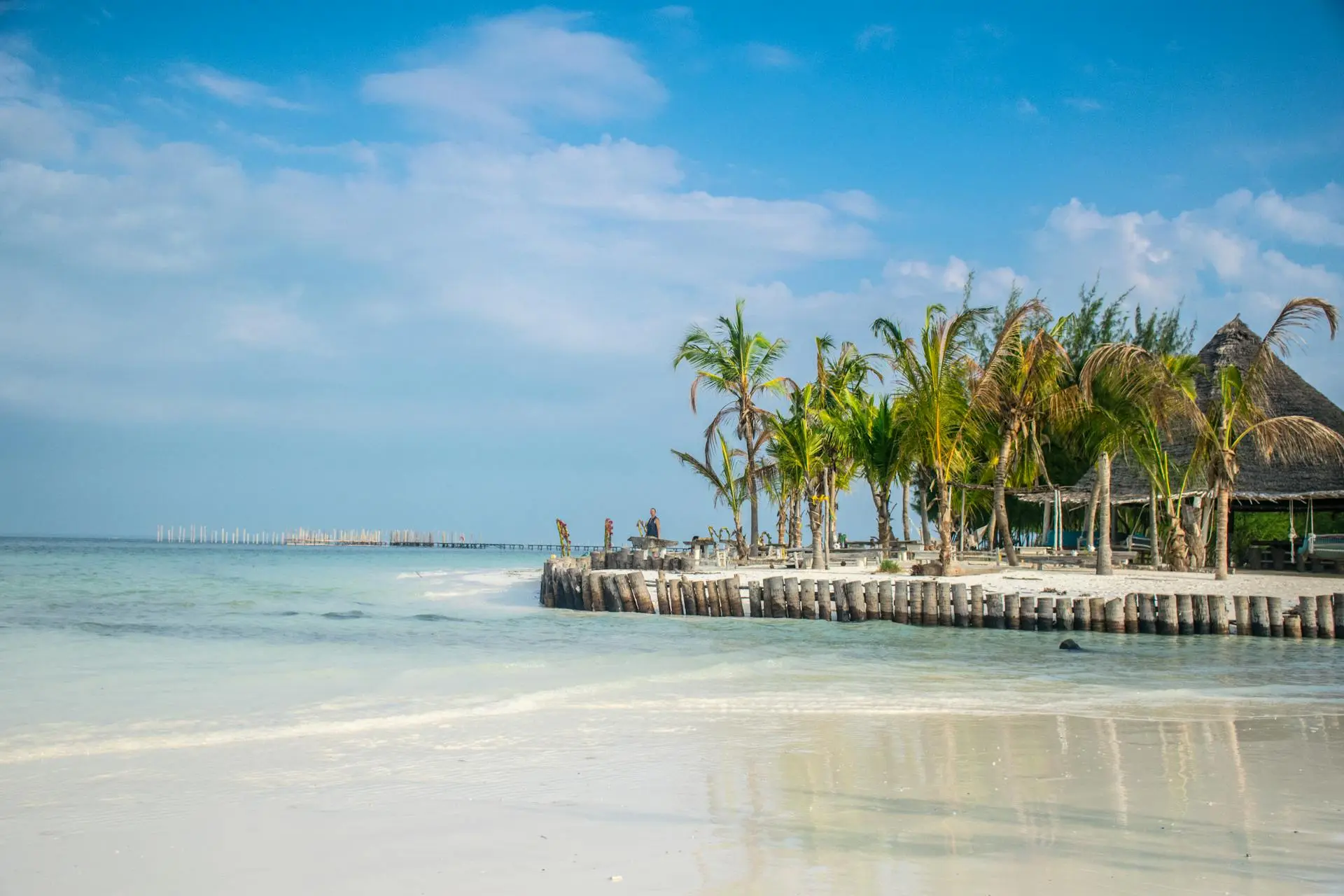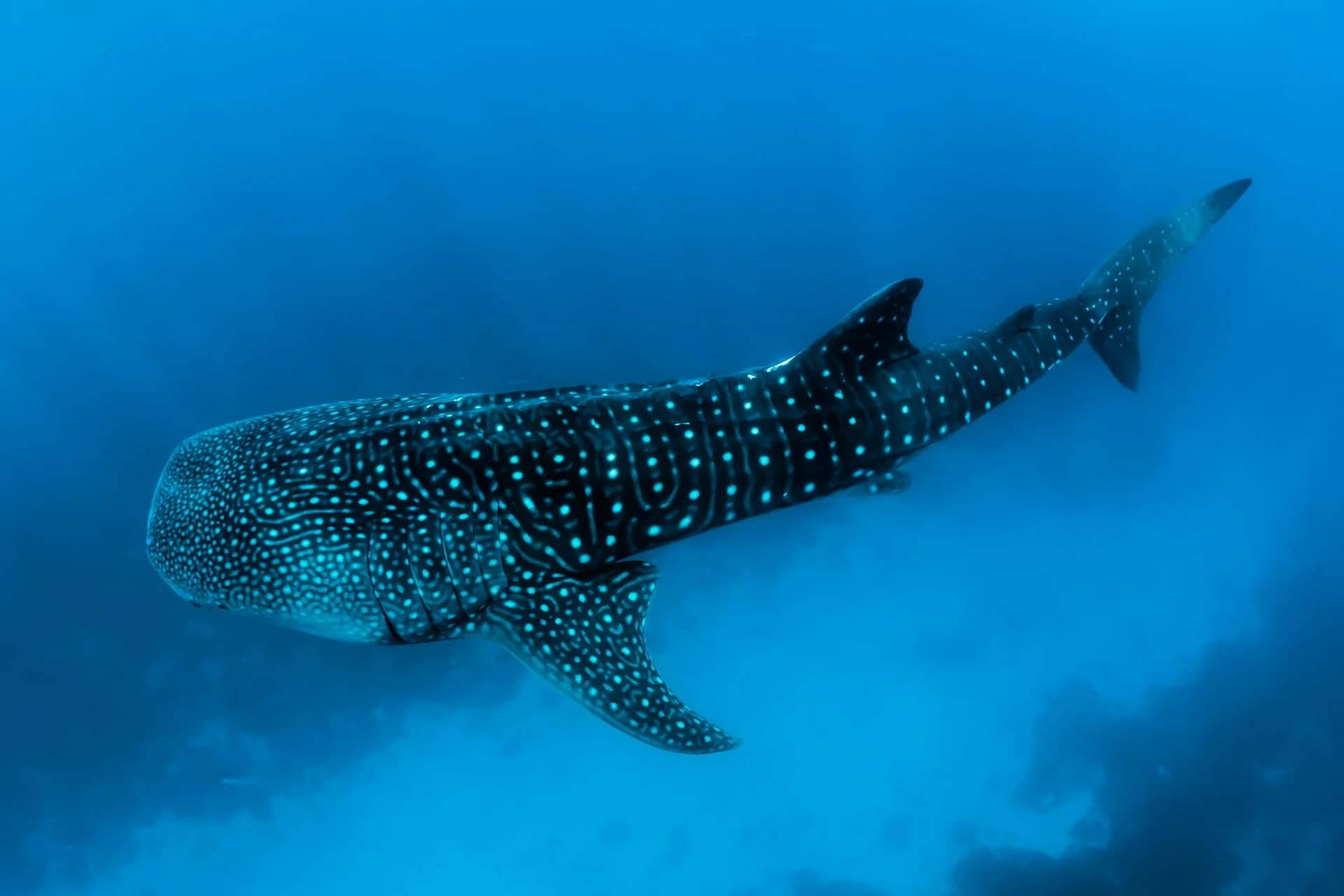
Isla Holbox puts you in the water with whale sharks on smaller, quieter boats: no Hotel Zone crowds, no jet skis, just open ocean and the world's largest fish. Here's how to plan your tour, what it costs, and how the Holbox experience differs from Cancún.
What You Should Know
- Holbox whale shark tours run from about mid-May to mid-September, peaking in July and August (May sightings are hit and miss, and numbers thin out in September); boats are capped at 8–10 passengers and depart early (around 6:30 AM) for a 6–7 hour day on the water.
- The ride out depends on where the sharks are feeding: 2026 reviewers describe 2.5 to 3.5 hours of open sea on some days before the first swim, often bumpy and physically demanding in wind. Take seasickness medication at least an hour before boarding (the VIP Holbox base offers tablets with breakfast).
- Tours run from $177 to $210 USD per person (the two peso-priced tours rise to about $213 in July and August) and include breakfast, ceviche, and snorkel gear; some operators charge a park fee or departure tax separately, so confirm at booking, and crew tips ($10–15 USD) are paid on the day.
- Boats sell out 3–4 weeks ahead in peak season; the smaller capacity on Holbox lanchas means availability disappears faster than on Cancún departures.
Whale Shark Tour Isla Holbox
A whale shark tour from Isla Holbox is a fundamentally different experience from the Cancún version: smaller boats capped at 8–10 passengers, fewer people per shark, and a remote island that makes the whole day feel less like a packaged excursion and more like a real expedition. Isla Holbox sits at the northern tip of the Yucatán Peninsula, separated from the mainland by the Yalahau Lagoon, and it sits closer to the whale shark feeding grounds in the Yucatán Channel than any other departure point in Mexico. That proximity does not guarantee a short ride, though: the sharks follow the food, and 2026 reviewers describe 2.5 to 3.5 hours at sea on days when boats had to search far out. If you're weighing up Holbox versus a whale shark tour from Cancún, the main trade-off is access: Holbox requires a ferry from Chiquila and some planning, but delivers a noticeably more intimate encounter.
VIP Holbox Experience: Whale Shark and Snorkeling Adventure
Of every option we evaluated, this one stands out. Small groups of 10 max, light breakfast and ceviche included, reef snorkeling stop at Cabo Catoche, and the highest review count of any Holbox whale shark tour we compared.
Book NowIsla Holbox Whale Shark Tour Operators: Side-by-Side Comparison
| Tour Operator | Price | Online Rating | Ages | Capacity | Duration | Days Offered | Food/Drinks Included | Extras |
|---|---|---|---|---|---|---|---|---|
| Top Rated VIP Holbox Experience Book Now |
From $177 USD (about $213 Jul–Aug) |
⭐ 4.6 (243 reviews) Read Reviews |
Ages 6+ | Max 10 travelers | ~6 hours | Seasonal (mid-May to mid-Sep) | Light breakfast + ceviche + water/sodas | Snorkeling, reef stop, wildlife sightings |
| Holtours SA de CV Book Now |
From $210 USD (same price all season) |
⭐ 4.5 (47 reviews) Read Reviews |
All ages | Max 8 travelers | ~6 hours | Seasonal (mid-May to mid-Sep) | Sandwiches + ceviche + sodas | Hotel pickup, snorkeling at Cabo Catoche; departure tax paid at check-in |
| Holbox Whale Shark Tours Book Now |
From $182 USD (about $213 Jul–Aug) |
⭐ 4.3 (86 reviews) Read Reviews |
Ages 6+ | Max 10 travelers | ~7 hours | Seasonal (mid-May to mid-Sep) | Light breakfast + ceviche + water/sodas | Snorkeling, marine wildlife sightings; government fees included |
ℹ️ Prices, ratings, and review counts were updated and verified by our editorial team on October 5, 2026. Two of these tours are priced in Mexican pesos, so their dollar price moves with the exchange rate and rises in July and August. Prices and availability may change; always confirm with the operator before booking.
Most Popular Tours
What to Expect on an Isla Holbox Whale Shark Tour
A whale shark tour from Isla Holbox runs approximately 6–8 hours from pier departure to return. Here's the typical flow:
- 016:30–7 AM
Early start & pier briefing
Most operators collect guests from the pier or their accommodation by golf cart between 6:30 and 7am; departures are early to reach the sharks during prime feeding hours, so plan for a long day on the water. Before boarding, your guide covers water-entry protocol and CONANP regulations (no touching, no riding, no chemical sunscreen in the water).
- 02Varies
Boat ride to the feeding grounds
How long the crossing takes depends on where the sharks are feeding that day. Some days it is short; on several 2026 trips reviewers describe 2.5 to 3.5 hours at sea before the first swim, often rough and bouncy when there's wind. Expect spray on the boat and bring a light layer. If you're prone to motion sickness, take medication before you board, not once you're already on the water.
- 0330 min–2 hrs
The search
Finding the sharks isn't instant. Captains communicate by radio across a network of boats and can take anywhere from 30 minutes to over two hours to locate the aggregation, depending on conditions that day. Rough seas push the sharks deeper; calm mornings produce the best encounters.
- 04In the water
Water entry in small groups
Two snorkellers plus one guide enter the water at a time, positioned ahead of the shark and swimming parallel to it. You never approach head-on or block its path. Boats take turns at the shark, and two swims of about two minutes each is the norm when sharks are found; on rough or crowded days some guests get only one.
- 05During swims
Photography in the water
Guides typically photograph and video guests during their swims and share files via WhatsApp afterward; some include the clips free, others charge for them. Confirm this with your operator. If you want your own footage, a GoPro or waterproof case is worth bringing.
- 06Return
Ceviche on the return
The fresh ceviche served on board (made from fish caught during the trip) is consistently one of the highlights guests mention. Many tours also include a light breakfast before departure and a snorkelling stop at a reef or sandbar on the way back; on recent VIP Holbox trips the ceviche is served at a stop in the mangrove nature reserve. Dolphin, manta ray, turtle, and flamingo sightings are common on the return through the lagoon.
- 01
Early start & pier briefing
Most operators collect guests from the pier or their accommodation by golf cart between 6:30 and 7am; departures are early to reach the sharks during prime feeding hours, so plan for a long day on the water. Before boarding, your guide covers water-entry protocol and CONANP regulations (no touching, no riding, no chemical sunscreen in the water).
6:30–7 AM - Varies02
Boat ride to the feeding grounds
How long the crossing takes depends on where the sharks are feeding that day. Some days it is short; on several 2026 trips reviewers describe 2.5 to 3.5 hours at sea before the first swim, often rough and bouncy when there's wind. Expect spray on the boat and bring a light layer. If you're prone to motion sickness, take medication before you board, not once you're already on the water.
- 03
The search
Finding the sharks isn't instant. Captains communicate by radio across a network of boats and can take anywhere from 30 minutes to over two hours to locate the aggregation, depending on conditions that day. Rough seas push the sharks deeper; calm mornings produce the best encounters.
30 min–2 hrs - In the water04
Water entry in small groups
Two snorkellers plus one guide enter the water at a time, positioned ahead of the shark and swimming parallel to it. You never approach head-on or block its path. Boats take turns at the shark, and two swims of about two minutes each is the norm when sharks are found; on rough or crowded days some guests get only one.
- 05
Photography in the water
Guides typically photograph and video guests during their swims and share files via WhatsApp afterward; some include the clips free, others charge for them. Confirm this with your operator. If you want your own footage, a GoPro or waterproof case is worth bringing.
During swims - Return06
Ceviche on the return
The fresh ceviche served on board (made from fish caught during the trip) is consistently one of the highlights guests mention. Many tours also include a light breakfast before departure and a snorkelling stop at a reef or sandbar on the way back; on recent VIP Holbox trips the ceviche is served at a stop in the mangrove nature reserve. Dolphin, manta ray, turtle, and flamingo sightings are common on the return through the lagoon.
The overall experience is genuinely unpredictable in the best way; guides describe it as a safari, and that framing is accurate. Some days you're surrounded by dozens of sharks for over an hour; other days the sea is rough and the sharks stay deep. The smaller lancha format means less waiting between rotations and a noticeably quieter, more respectful approach to the animals than you'll find on the busier Cancún departures.
Isla Holbox vs Cancún: Which Whale Shark Tour Is Right for You?
Both locations access the same population of whale sharks in the Yucatán Channel, but the experience on the water is meaningfully different. Here's how they compare:
- Boat size: Holbox operators use small lanchas capped at 8–10 passengers. Cancún tours use larger fibreglass speedboats carrying 20+ guests. Smaller boats mean a quieter approach to the animals and a lower passenger-to-shark ratio.
- No motorized water sports near the sharks: Holbox's whale shark zone is managed more strictly; jet skis and other motorized craft are kept away from the feeding area. The water around the sharks is calm.
- Journey time: Don't choose Holbox expecting a short ride. The sharks move with the food, and on several 2026 trips reviewers describe 2.5 to 3.5 hours of open sea before the first swim. Ride times from Cancún vary for the same reason.
- Crowds: Fewer people per boat does not mean fewer boats at the shark. Boats from Holbox, Cancún, and Isla Mujeres share the same aggregation, and in August 2026 reviewers counted around 30 boats taking turns at a single shark. The difference is on your boat, not around the animal.
- Getting there: Cancún is straightforward (hotel pickup, done). Holbox requires a 2.5-hour drive or bus to Chiquila port, then a 25-minute ferry crossing. No cars on the island.
- Season: Holbox tours run from about mid-May to mid-September; Cancún departures cover roughly the same window. Holbox tours fill faster because boat capacity is genuinely limited, 8–16 passengers versus much larger Cancún operations.
If you're based in Cancún and want the easiest logistics, see our guide to whale shark tours from Cancún. If you can make the trip to Holbox, or are already planning to stay there, we think the more intimate experience is worth it. Looking for more time on the reef? Our guide to Cancún snorkeling tours covers the best reef and cenote options in the region.
Getting to Isla Holbox for Your Tour
Isla Holbox is a car-free island connected to the mainland by ferry from Chiquila port. There are no direct shuttles from Cancún's Hotel Zone to the island; you'll need to piece together the journey or book a dedicated transfer.
- From Cancún by car: Take Highway 180 north toward Nuevo Xcan, then turn north on Highway 5 toward Chiquila. The drive is approximately 2.5 hours without traffic.
- By ADO bus: ADO operates buses from Cancún's main bus terminal (CAME) to Chiquila. Journey time is around 3 hours. Check current schedules at the terminal, as not all departures connect with morning ferry times.
- Ferry from Chiquila: Two companies (Holbox Express and 9 Hermanos) run the 25-minute crossing to the island. Ferries run roughly every 30–60 minutes from early morning. Buy tickets at the dock.
- On the island: No cars. Whale shark tour operators collect guests from the pier or their accommodation by golf cart before departure.
Most visitors who come specifically for a whale shark tour stay overnight on the island rather than attempting a same-day return from Cancún, as the travel time makes a day trip exhausting. Holbox has accommodation ranging from budget posadas to boutique hotels.
Best Whale Shark Tours from Isla Holbox
Holbox whale shark tours are run by small local operators based at the island pier, a very different setup from Cancún's larger commercial departures, and we think that difference shows in the water. All current top-rated options run seasonally from about mid-May to mid-September, with peak demand in July and August. Check current availability to see what's running on your dates.
VIP Holbox Experience (From $177)
The most-reviewed option we compared, at 4.6 stars across 243 reviews (about $213 in July and August). Capped at 10 travellers, this ~6-hour tour starts with breakfast at the operator's base, then adds a snorkelling stop and a ceviche lunch in the mangrove nature reserve, where recent guests often spot flamingos. Guides usually film the swims on a GoPro; some share the clips free over WhatsApp, others sell them. Open to ages 6 and up.
Check availabilityHoltours SA de CV (From $210)
The smallest-capacity option at just 8 passengers, rated 4.5 stars across 47 reviews, though only a handful arrived in the past year, so recent feedback is thin. One flat price all season, so in July and August it is the cheapest of the three. Includes hotel pickup (unusual for Holbox operators), plus sandwiches, ceviche, and sodas; a departure tax is paid at check-in. Adds a snorkelling stop at Cabo Catoche, the remote northernmost point of the Yucatán Peninsula. Open to all ages.
Check availabilityHolbox Whale Shark Tours (From $182)
At ~7 hours, this is the longest of the three options, rated 4.3 stars across 86 reviews (about $213 in July and August). Same food inclusions (light breakfast, ceviche, water and sodas), government fees included, with marine wildlife sightings beyond the whale sharks. Good for travellers who want the most time on the water through a verified operator.
Check availabilityReal Whale Shark Footage: What It's Like from Isla Holbox
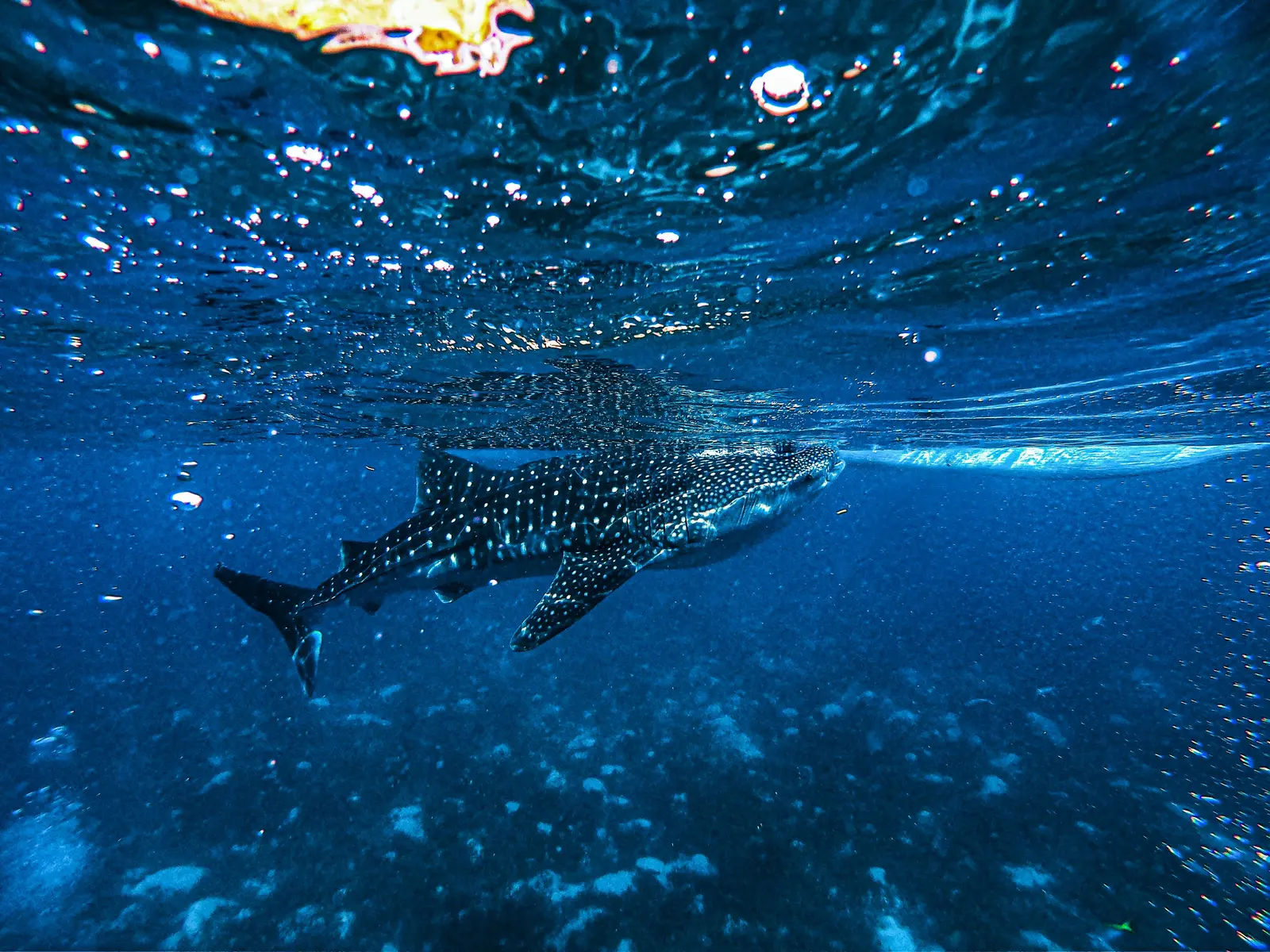
See what it's actually like to swim alongside whale sharks from Isla Holbox: smaller boats, calmer water, and the world's largest fish gliding just beneath the surface.
How Much Does a Whale Shark Tour from Isla Holbox Cost?
Whale shark tours from Isla Holbox start at $177 to $210 USD per person depending on operator, group size, and inclusions. Two of the three tours are priced in pesos and rise to about $213 in July and August; the third holds one price all season. All include food and drinks on board; the main variables are group size, duration, and whether hotel pickup is included. Check current prices.
VIP Holbox Experience, our pick for most travellers: 243 reviews at 4.6 stars and a 10-person cap. $177 is the mid-May to mid-June and September price; expect about $191 in late June and about $213 in July and August.
Holbox Whale Shark Tours: the longest day at ~7 hours, government fees included, rated 4.3 stars. Follows the same seasonal pattern, rising to about $213 in July and August.
Holtours SA de CV: the smallest boat (8 passengers) with hotel pickup and a stop at Cabo Catoche. One flat price all season, which makes it the cheapest of the three in July and August.
Some tours charge a park fee or departure tax separately (Holtours collects a departure tax at check-in; Holbox Whale Shark Tours includes government fees), so confirm at booking. Budget $10–15 USD per person for crew tips. The ferry crossing from Chiquila is roughly $10–15 USD round trip if you're coming from the mainland.
Tips for Your Isla Holbox Whale Shark Tour
- Book early: Holbox fills faster than Cancún. With caps of 8–10 passengers, Holbox lanchas sell out 3–4 weeks ahead in July and August. Don't leave it to the week before.
- No chemical sunscreen in the water: CONANP regulations prohibit it and most Holbox operators check at the dock. Wear a long-sleeve rash guard for UV protection; it's more effective anyway on an open-ocean day.
- Take seasickness medication before you board: The open-ocean crossing is calm in good conditions but can be rough and physically demanding when there's wind, and on some 2026 days it lasted 2.5 hours or more each way. Several negative experiences in reviews trace directly to this; the boat bounces hard at speed. Take medication at least an hour before departure, not once you're already on the water. Some operators offer tablets at breakfast or on the boat, but preventative is more effective.
- Treat it like a safari, as sightings aren't guaranteed: The search for sharks can take 30 minutes or several hours, and rough weather can mean no encounter at all. At peak season expect company: in August 2026 reviewers counted around 30 boats taking turns at the same shark. Even without whale sharks, the day holds manta rays, sea turtles, dolphins, and flamingos. Guides work a radio network across boats to find the aggregation; the system is well organised, but nature is unpredictable.
- Confirm logistics the evening before: A small number of reviews mention last-minute time changes or pickup issues. Operators usually confirm by WhatsApp the day before; check your departure time, meeting point, and what's included then. Your booking confirmation includes an operator contact; use it.
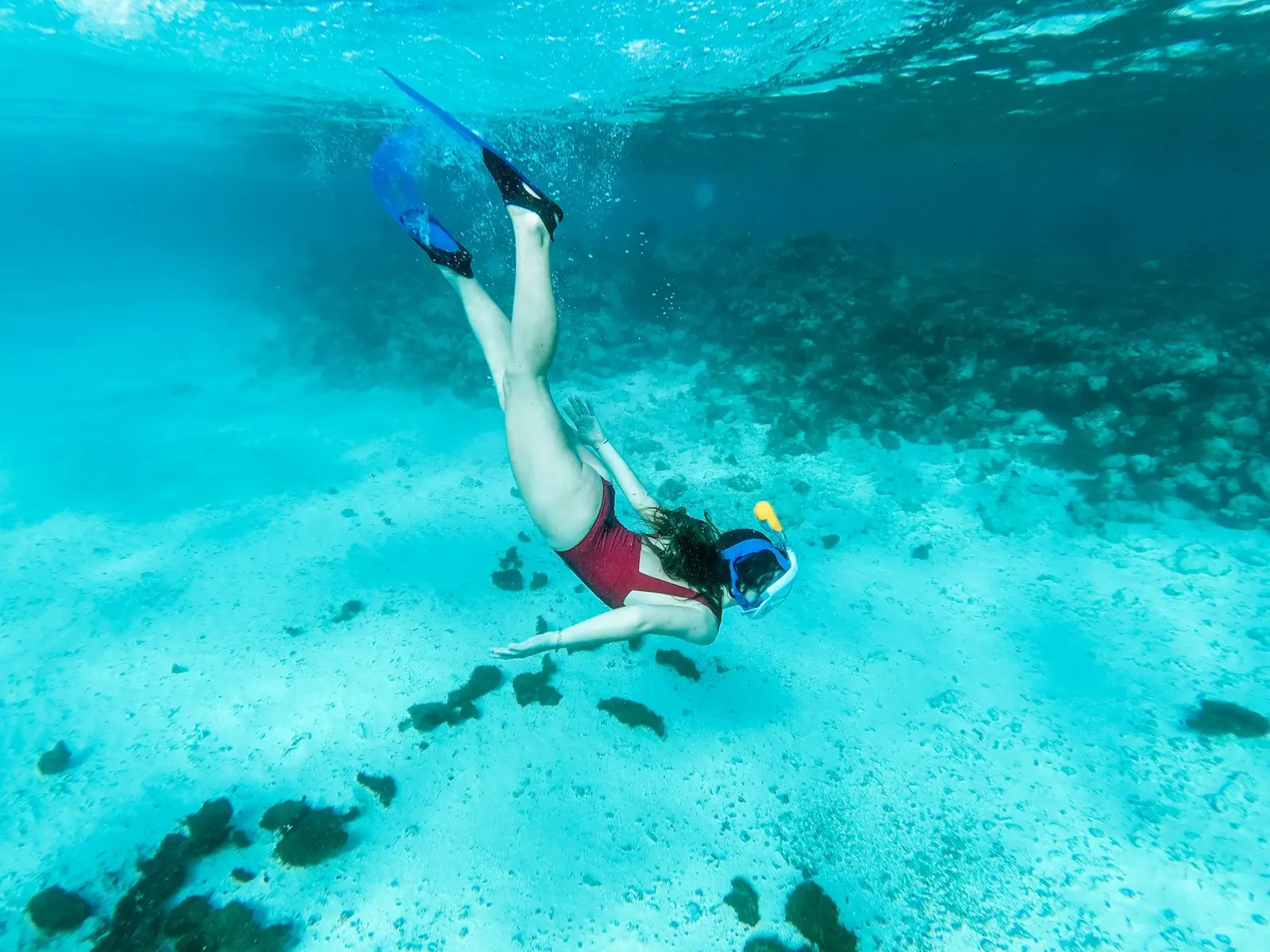
- Bring a waterproof camera or GoPro: Guides typically photograph guests in the water and share via WhatsApp, but coverage varies. Your own waterproof camera or housing gives you the shots you want without relying on the group allocation.
- We'd strongly recommend overnight over a day trip from Cancún: The ferry from Chiquila runs on a schedule; miss the last one and you're on the mainland for the night. Staying at least one night on Holbox removes that stress and gives you time to explore an island that's worth more than a rushed transit.
- Bring cash: Holbox runs largely on cash. Crew tips (~$10–15 USD per person is standard) and smaller operators may not take cards. Have pesos or USD on hand.
- Tours run from about mid-May to mid-September only: Unlike some year-round activities in the Yucatán, whale shark tours are strictly seasonal. Outside this window the sharks disperse and tours don't operate. The edges are riskier: recent reviewers report empty May trips and few sharks with many boats in September, so July and August are the safest bet.
- Building your Cancún itinerary? Our guide to the best things to do in Cancún covers every year-round and seasonal activity with prices and honest picks.
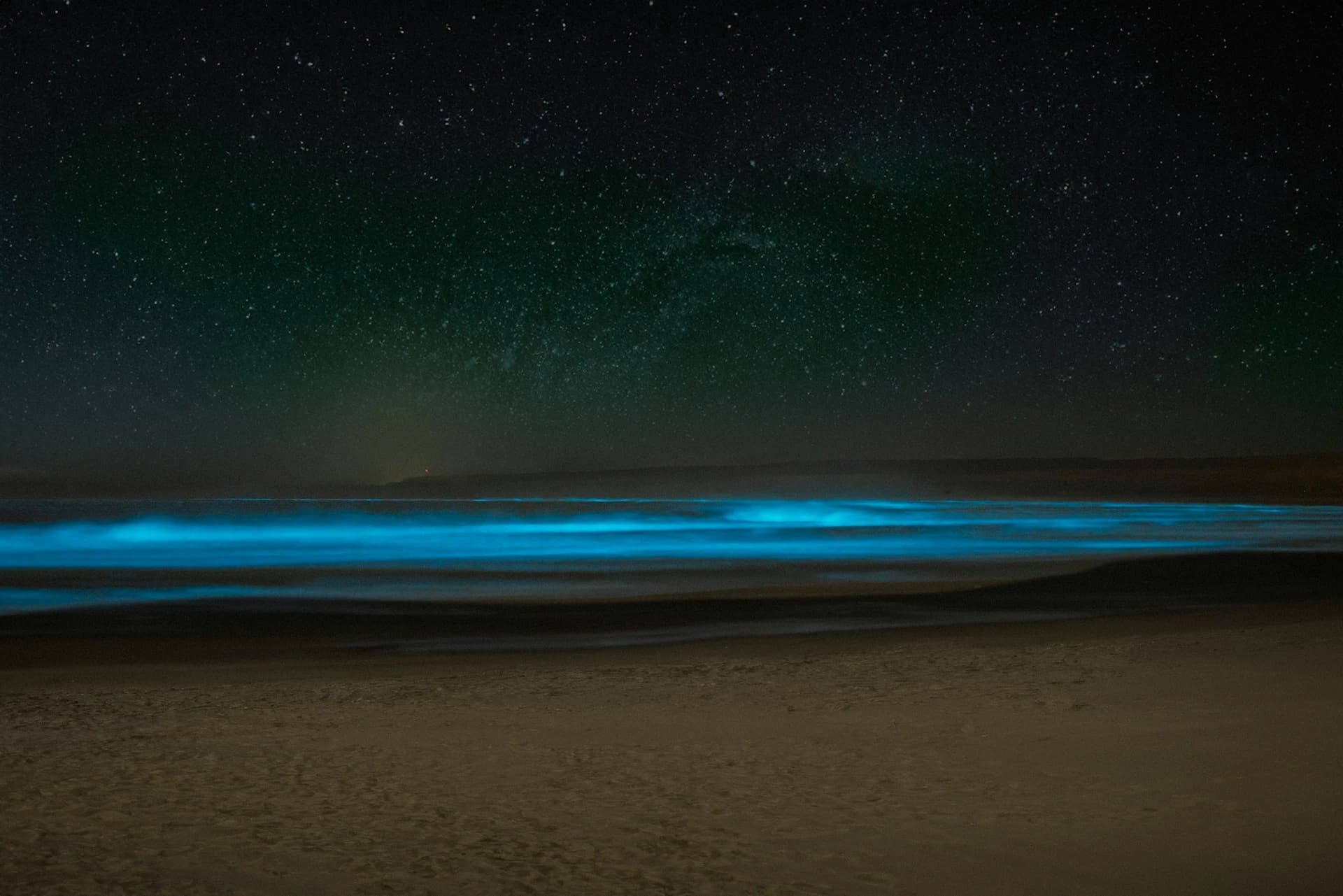
- Pair with a bioluminescence tour the same evening: June through September overlaps both experiences. A whale shark tour in the morning and a Holbox bioluminescence tour that night makes for one of the best single-day wildlife itineraries in Mexico.
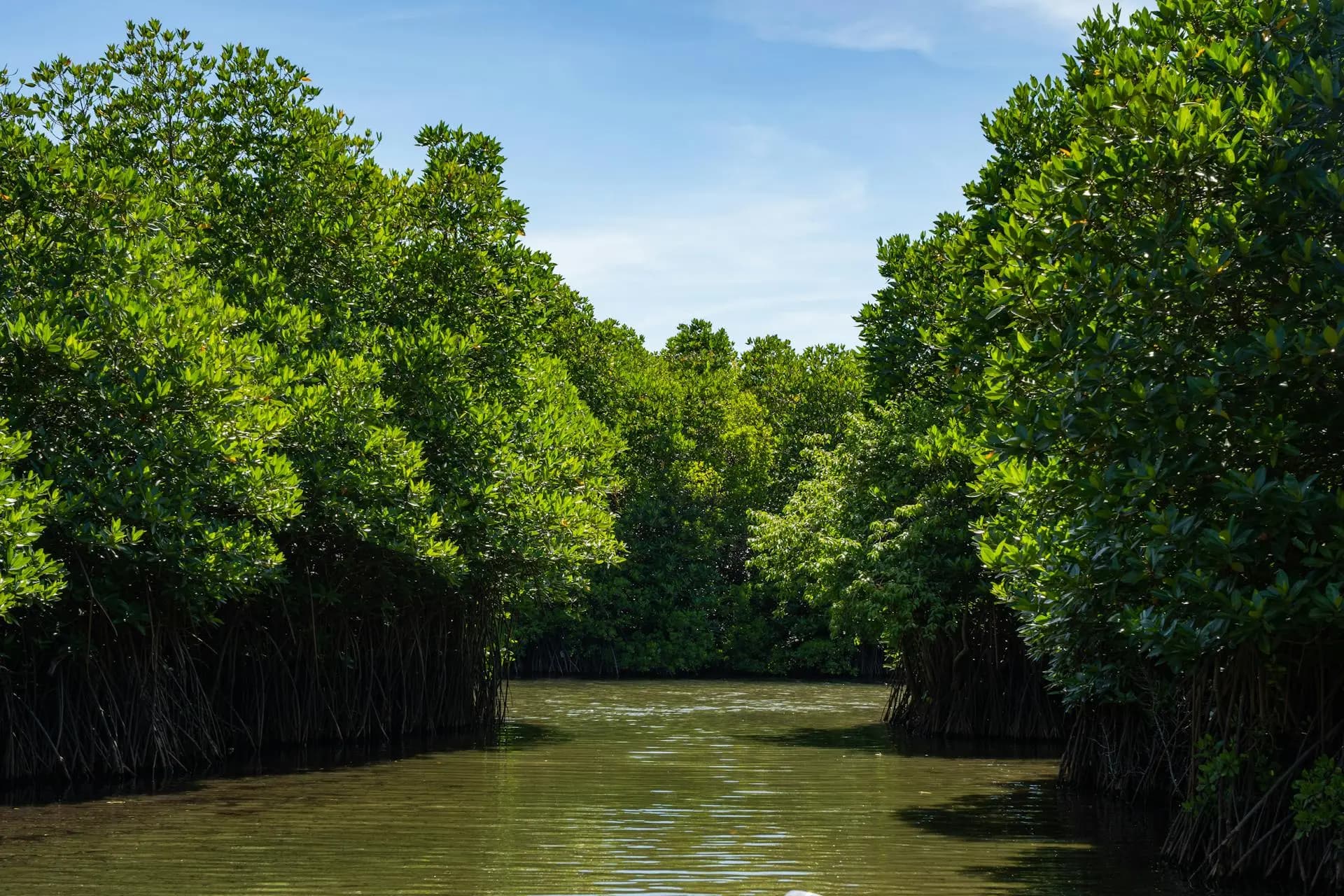
- Add a mangrove kayak tour to your Holbox itinerary: The Holbox mangrove kayak tour runs in the morning and pairs well with a whale shark or bioluminescence tour the same day.
- Stay an extra day and go fishing: Isla Holbox fishing tours range from shared combo trips to Cabo Catoche (from $89 per person) to private full-day deep-sea charters. Half-day options leave in the morning and return by midday, making them easy to pair with an afternoon on the beach.
- Visiting in winter (outside whale shark season)? Our Isla Holbox in January and February guides cover what to do when the sharks are gone: peak kitesurfing wind, calm-morning kayaking, clean beaches, and the island's quietest, most comfortable months.
- Coming in May, when the season opens? Our Isla Holbox in May guide covers the early-season whale shark window, when the first tours begin running at shoulder-season prices before the July–August peak; sightings are variable, so book with free cancellation.
- Planning a summer trip? Our Isla Holbox in June guide covers the building season at prices below peak, our July guide covers the peak when boats sell out 3 to 4 weeks ahead, and our August guide covers the peak continuing with a quieter, better-value late-month window, and our September guide covers the season's close (the last whale sharks before mid-month) at the year's lowest prices.
- Planning your full Holbox trip? Our guide to the best things to do in Isla Holbox covers every activity on the island, with honest picks and prices.
- Need a place to stay? Our guide to the best hotels in Isla Holbox covers 10 luxury and 10 budget properties with a live map and honest write-ups across every area of the island.
How We Selected These Tours
Tours were selected on review volume, rating consistency, group size, and inclusion transparency. We excluded operators with low review counts or inconsistent logistics. The three bookable tours cover the main formats: most-reviewed small-group (10 passengers, 4.6 stars), smallest-capacity lancha (8 passengers, 4.5 stars), and longest duration (7 hours, 4.3 stars). We dropped operators whose prices and ratings we could not verify from a live source. Prices, ratings, and review counts were updated and verified by the Cancun Trip Insider editorial team in October 2026.
Frequently Asked Questions
How do I get to Isla Holbox for a whale shark tour?+
Drive or take an ADO bus from Cancún to Chiquila port (approximately 2.5–3 hours), then take the 25-minute ferry to Holbox. Two companies (Holbox Express and 9 Hermanos) run regular crossings. Most whale shark tour operators collect guests from the pier by golf cart once you arrive on the island.
Is a whale shark tour from Isla Holbox better than from Cancún?+
Holbox offers a more intimate experience: smaller boats capped at 8–10 passengers, fewer people per shark, and no motorized craft near the feeding area. It does not guarantee a shorter ride or fewer boats around the shark: 2026 reviewers describe long searches and busy peak days. Cancún is easier to access with no ferry required. If you're already in Cancún and want simpler logistics, see our guide to whale shark tours from Cancún. If you can make the trip, Holbox is worth it.
When is whale shark season at Isla Holbox?+
From about mid-May to mid-September, peaking in July and August; sightings are less reliable in May and thin out in September. This is roughly the Cancún season; both access the same aggregation of whale sharks feeding on tuna spawn in the Yucatán Channel. Holbox tours fill faster due to smaller boat capacity, so book at least 3–4 weeks ahead for July and August.
Is it safe to swim with whale sharks at Isla Holbox?+
Yes. Whale sharks (Rhincodon typus) are harmless filter feeders. All licensed Holbox operators follow CONANP regulations: two swimmers plus one guide per shark at a time, no touching, no riding, life jackets mandatory. The smaller group sizes on Holbox lanchas mean guides can manage water entries more carefully than on larger boats.
What should I bring on a whale shark tour from Holbox?+
A rash guard (long-sleeve recommended), swimwear, reef-safe mineral sunscreen for the boat only, cash for tips and any park fee or departure tax your operator charges separately, a dry bag for your phone, and seasickness medication taken at least an hour before boarding. Snorkel gear and life jackets are provided.
Can children join a whale shark tour from Isla Holbox?+
Most Holbox tours allow children aged 6 and up. The $210 Holtours option is listed as all ages. Kids must be comfortable snorkelling in open water. Confirm the minimum age with your specific operator; smaller lanchas have less shelter from sun and spray than larger Cancún boats.
Do I need to stay overnight on Isla Holbox?+
You don't have to, but it's strongly recommended. A same-day return from Cancún means 5+ hours of travel for a half-day tour, and the ferry schedule leaves little margin for error. Staying one or two nights lets you enjoy the island properly; Holbox is one of the more beautiful and low-key spots on the Yucatán Peninsula.
Affiliate note: Some links on this page are affiliate links. If you book through them, we may earn a small commission at no additional cost to you.