August keeps Isla Holbox at the peak of whale shark and bioluminescence season, with sightings still excellent and the season running through mid-September. Early August is peak family-travel crowds; late August quiets noticeably as school holidays end, making it a sweet spot. Expect summer heat, storms, rising hurricane risk, sargassum, and jellyfish. Here is what to actually expect.
What You Should Know
- August is peak whale shark season continuing on Isla Holbox, with sightings still excellent and reliable. The season runs through mid-September, so August is one of the last full months; book tours around 10 to 14 days ahead.
- Bioluminescence is at its peak in August on moonless nights. The morning whale shark tour plus evening bioluminescence tour pairing is at its best, but plan the bioluminescence around a new-moon date.
- August splits in two for crowds: early August is peak family travel and high prices, while late August quiets noticeably as school holidays end, the same excellent wildlife at lower prices and fewer people.
- August is hot, humid, and wet: daytime temperatures around 32 to 33°C (90 to 91°F) with afternoon storms. Hurricane risk is rising toward the season's peak; sargassum is high (Holbox stays clearer than the coast), mosquitoes are high, and jellyfish are present.
Isla Holbox in August: The Honest Picture
⭐ Best August window for Holbox: the last ten days. Late August keeps the whale sharks and bioluminescence at their peak while crowds and prices drop as school holidays end, the closest the summer comes to a value window. Time a bioluminescence tour to a new-moon night, and book the small-capacity whale shark boats around 10 to 14 days ahead.
| Factor | August Rating |
|---|---|
| Weather | 6/10 — hot, humid; afternoon storms; warm sea |
| Crowds | 5/10 — high early August; easing in the last ten days |
| Prices | 5/10 — peak early; softening late August |
| Beaches | 6/10 — sargassum high, improving late; choose lagoon-side and the western tip |
| Whale Sharks | 10/10 — peak continuing; still the most reliable window |
| Bioluminescence | 9/10 — peak on moonless nights |
| Mosquitoes & Bugs | 4/10 — high in the wet season |
| Families | 8/10 — peak family month; manage heat, bugs, jellyfish |
| Couples | 7/10 — peak wildlife; quieter and better value late August |
💰 Average August hotel prices (Isla Holbox, mid-range boutique):
Early August: ~$290/night · Late August (holidays ending): ~$230/night
Rough mid-range estimates; Holbox has limited boutique and posada supply, so rates vary significantly by property and booking lead time.
| Month | Crowds | Prices | Whale Sharks | Bioluminescence | Overall |
|---|---|---|---|---|---|
| July | 4/10 | 4/10 | Peak aggregations | Peak | 7 |
| August | 5/10 | 5/10 | Peak continuing | Peak | 7 |
| September | 8/10 | 7/10 | Closing mid-Sep | Strong | 7 (season's end, cheapest) |
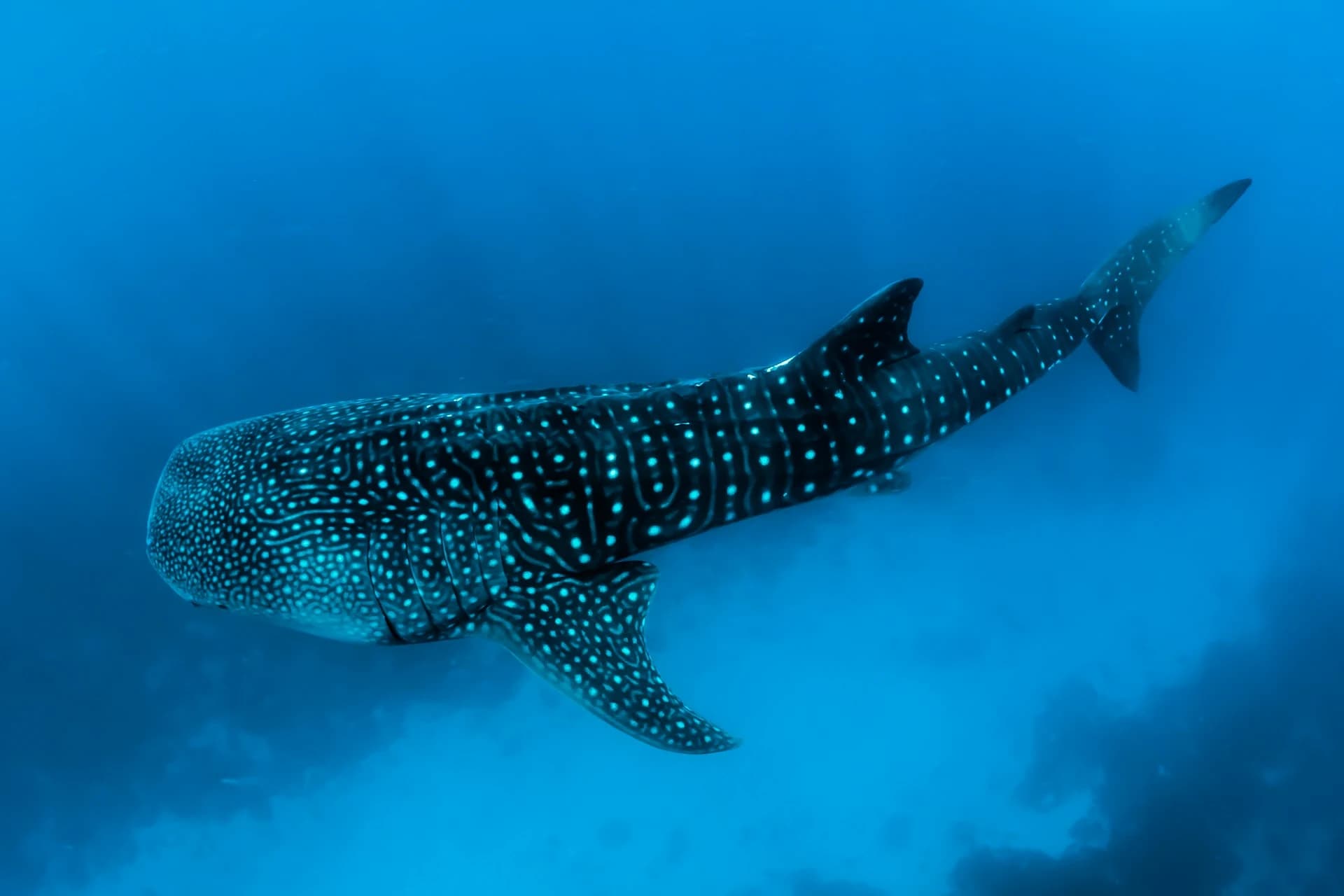
August keeps Isla Holbox at the peak of its wildlife season, and for whale sharks it is essentially tied with July as the best month of the year. The aggregation north of the island remains large and the sightings reliable, with the season set to run through about mid-September. That makes August one of the last full months to swim with the world's largest fish here, on Holbox's small boats capped around 8 to 10 passengers, the more intimate alternative to Cancún's larger operations. Demand stays high, so booking ahead is still essential, though the lead time eases a little from July's crush to roughly 10 to 14 days.
What sets August apart from July is the shape of the month. Early August is peak family travel, with European and North American school holidays in full swing and prices at their summer high. Then, in the last ten days or so, as those holidays wind down, the island noticeably quiets and rates soften, while the whale sharks and bioluminescence stay at their peak. That late-August window is the closest the summer comes to a value sweet spot: the same headline wildlife, fewer people, lower prices.
The trade-offs are the familiar height-of-summer ones, with one rising: hurricane risk. August sits on the ramp toward the September peak of the Atlantic season, so while direct impacts remain uncommon, the probability is higher than earlier in the summer, and it is worth watching the forecast and favoring operators with clear reschedule policies. Otherwise it is hot and humid with afternoon storms, sargassum is high (though Holbox stays far clearer than the Caribbean coast), mosquitoes are high, and jellyfish are present. In our view, August is an excellent choice for peak whale sharks, and late August is the smartest summer window for combining that with thinner crowds and better value.
Most Popular Tours
Compare and Book Isla Holbox Tours in August
These are the Holbox tours with published August dates: the whale shark tour, the bioluminescence tour, the three-island boat tour with transport, the sunrise mangrove kayak, the mangrove kayak experience and the Cabo Catoche fishing and snorkel day. Compare live options below, then book August's pick, the whale shark tour, directly.
Holbox Weather in August: Temperature, Rain & Sea Conditions
| Metric | August |
|---|---|
| Avg High | 33°C (91°F) |
| Avg Low | 26°C (79°F) |
| Water Temp | 29–30°C (84–86°F) |
| Rain Days | ~11 |
| Humidity | High |
| Wind | Light/variable |
| Hurricane Risk | Moderate (rising toward the September peak) |
Temperature and Humidity
August is hot and humid on Isla Holbox, among the warmest months of the year. Daytime highs sit around 32 to 33°C (90 to 91°F), with high humidity pushing the feels-like temperature higher through midday. Evenings stay warm at 26°C (79°F). The water is at its warmest of the year, around 29 to 30°C (84 to 86°F), excellent for the long snorkeling of a whale shark tour. Sun protection, hydration, and early-morning timing for outdoor activities all matter; the middle of the day is genuinely hot.
Rain and Hurricane Season
August is firmly in the rainy season, with afternoon showers and thunderstorms common, occasionally heavier than the quick passing storms of June. Mornings are still usually the clear, calm window, which is why tours depart early. The key August change is hurricane risk: the Atlantic season ramps up through the month toward its September peak, so while a direct impact remains uncommon, the probability is meaningfully higher than in early summer. Watch the forecast in the days before your trip, build in some flexibility, and favor tour operators with clear reschedule policies.
Sea Conditions for Whale Shark Tours
Summer winds stay light and variable, and the open ocean off Holbox is calmest in the early morning, the reason whale shark tours leave at dawn. The crossing to the feeding grounds can still be choppy, so take seasickness medication before boarding if you are prone to it. The warm, plankton-rich water sustaining the peak whale shark aggregation also produces August's peak bioluminescence at night; both are at their best in the same warm conditions.
| Month | Weather | Sargassum Risk | Whale Sharks | Bioluminescence | Best For |
|---|---|---|---|---|---|
| July | Hot, humid, daily storms | Peak | Peak aggregations | Peak | Most reliable whale sharks; peak crowds |
| August | Hot, humid, storms; hurricanes rising | Peak, improving late | Peak continuing | Peak | Peak wildlife; late-Aug value window |
| September | Wettest; hurricane risk highest | Declining | Closing mid-Sep | Strong (Oct tail) | Season's end; quietest, cheapest |
| October | Wet→dry transition | Declining | Closed | Tail (early Oct) | Quiet shoulder |
| Nov–Feb | Dry, mild, nortes | Minimal | Closed | Faint/off | Kitesurfing, quiet beaches |
Crowds and Prices in August: What to Expect
August is a month of two halves for crowds and prices: a peak-season first stretch and a noticeably quieter, better-value finish.
Early-to-Mid August (August 1–20)
The first three weeks are peak season. European and North American school holidays are in full swing, the wildlife season is at its height, and the small island runs full. Restaurants are busy, the small-capacity whale shark boats book out, and room rates sit at their summer high. It is lively and excellent for wildlife, but it is the island at its fullest and most expensive; book everything ahead.
Late August (August 21–31)
As school holidays wind down, demand drops and the island quiets noticeably, while the whale sharks and bioluminescence stay at their peak. This is the summer's value sweet spot: the same headline wildlife with fewer people and softer rates. For travelers who want peak-season wildlife without peak-season crowds and prices, the last ten days of August are the smartest window of the entire summer.
Hotel Pricing in August
Holbox runs on boutique hotels, beachfront cabañas, and posadas rather than large all-inclusive resorts, so supply is limited and early-August rates sit near the annual high. Prices ease through the final ten days as the holiday crowds thin. For the best balance of peak wildlife and value, target late August. Our best hotels in Isla Holbox guide covers seven luxury and four budget properties with an interactive map of each zone of the island.
Whale Sharks and Bioluminescence in August: Peak Continuing
August keeps both headline experiences at their peak, and with the season ending around mid-September, it is one of the last full months for either. Whale shark tours remain at their most reliable, with the large aggregation still gathered north of the island. Holbox's small boats (around 8 to 10 passengers) depart early for the 6 to 7 hour day; demand stays high, though the booking lead time eases a little from July to roughly 10 to 14 days. Book ahead, take seasickness medication before the crossing, wear a rash guard, and choose a morning departure for the calmest seas.
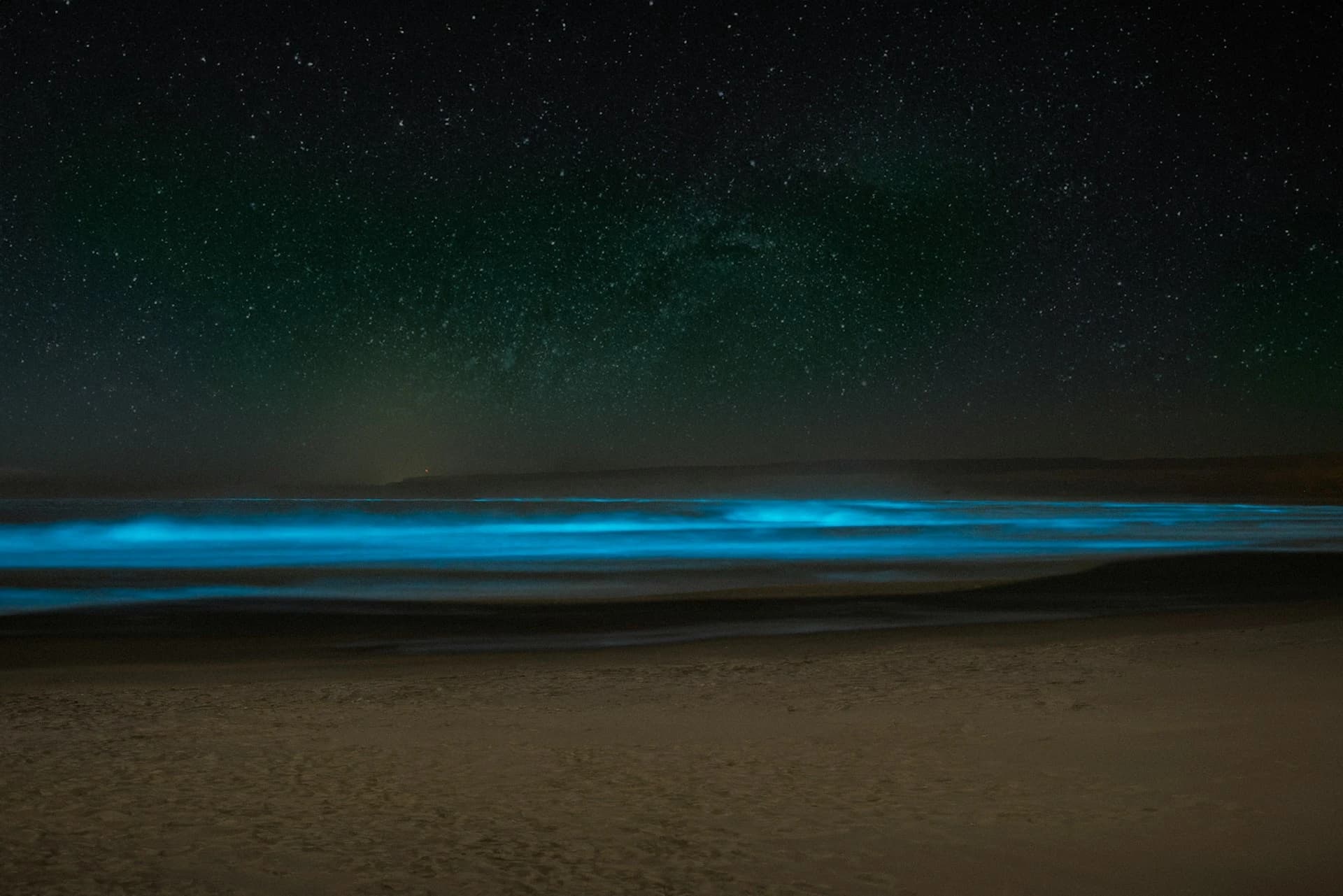
Bioluminescence is also at its peak in August, in the warmest, most plankton-rich water of the year. The moon remains the decisive factor: a moonless August night can be extraordinary, while a full-moon night shows little regardless of season. Plan your bioluminescence tour around a new-moon date, and choose a format with water entry for the strongest effect.
August is prime time for the same-day double-header: a whale shark tour in the morning and a bioluminescence tour that night, one of the best single days of wildlife travel in Mexico when your dates include a new moon. Most people don't realize that late August is arguably the ideal time to do it, since the wildlife is still at its peak but the crowds and prices have started to fall. The island's three-island boat tour and mangrove kayak tour round out an itinerary on non-tour days, both best in the calm early morning before the afternoon storms.
Most Popular Tours
Beaches, Sargassum and Mosquitoes in August
August beach conditions remain in the summer pattern: high sargassum (beginning to improve late in the month), high mosquito activity, and jellyfish present. As always on Holbox, all of it is milder than on the Caribbean coast.
Beaches and Sargassum
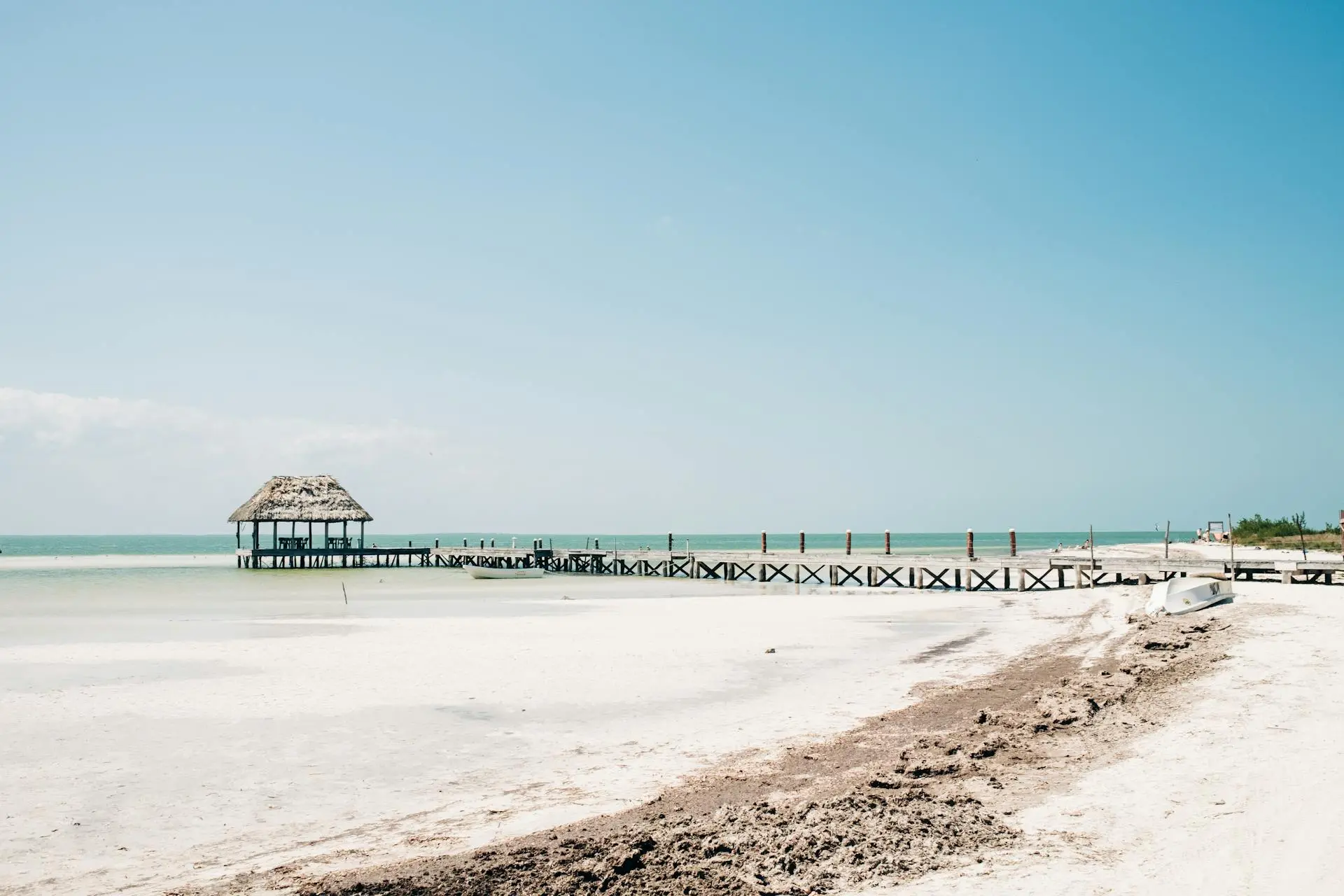
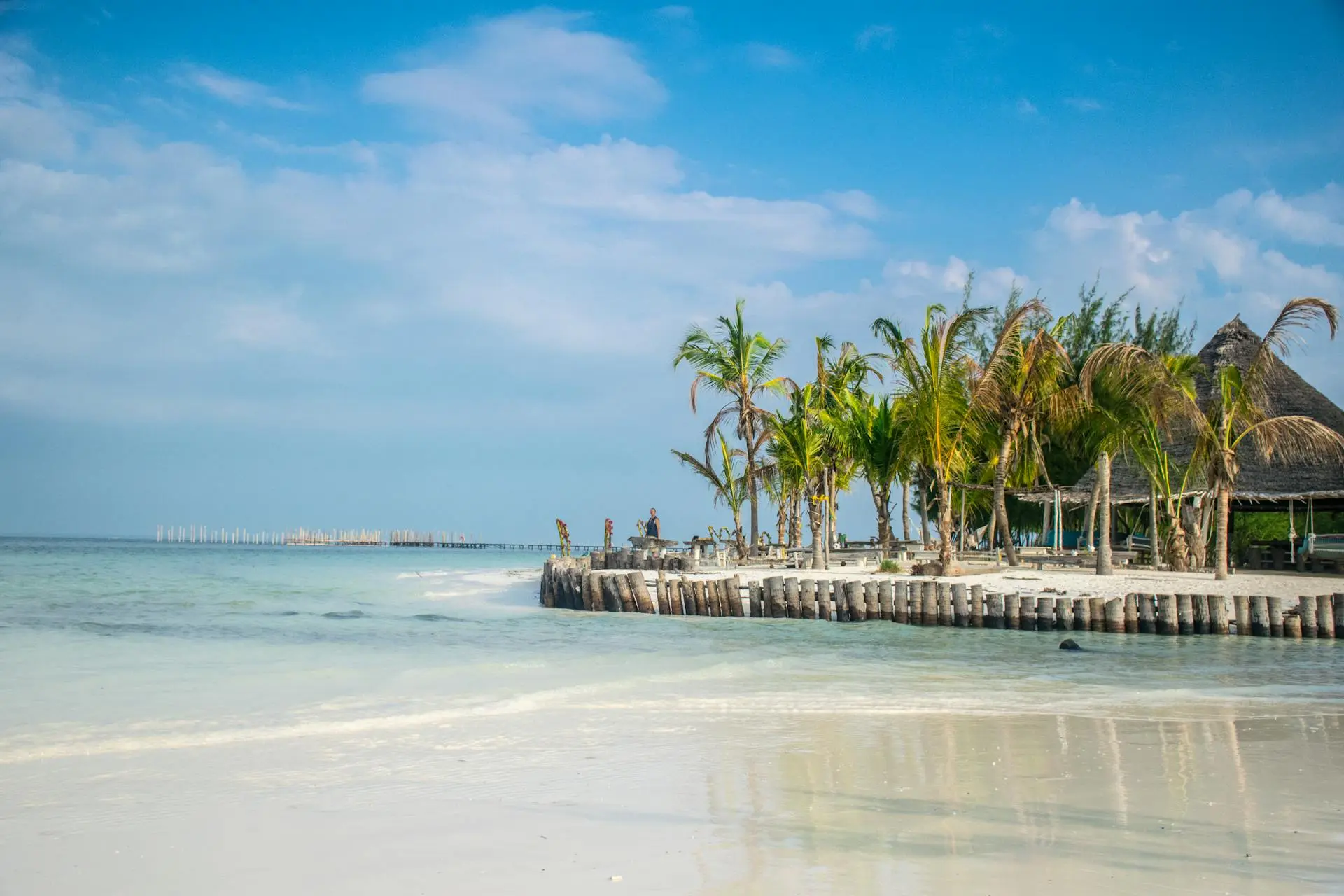
Sargassum stays high in August near the tail of its May-to-August peak, though it often begins easing toward late August and into September. The decisive factor for Holbox is unchanged: because the island sits on the northern, Gulf-facing edge of the Yucatán, away from the currents that bury east-facing Caribbean beaches, it consistently gets far less sargassum than Cancún or the Riviera Maya. The north shore can carry seaweed, especially on windy days, but the lagoon side, the Punta Mosquito sandbar, and the western tip at Punta Cocos generally stay clear. Choosing the right beach matters in August; checking recent conditions before you travel is worthwhile.
Mosquitoes and Jellyfish
The wet season keeps mosquito and sand fly (jejenes) activity high in August, especially near the mangroves at dawn, dusk, and after the afternoon rains. Repellent is essential, particularly before the evening bioluminescence tour where the mangrove edge concentrates bugs. Jellyfish remain present in the swimming areas; a rash guard significantly reduces contact and is worth wearing on whale shark tours and general swims. We'd pack repellent and a rash guard as August essentials; they handle the two main summer nuisances so the wildlife stays the focus.
The Best Activities in Isla Holbox in August
August is peak wildlife season on Holbox. The whale shark and bioluminescence tours are at their best, the year-round boat and kayak tours fill the calm mornings, and the heat and afternoon storms make early starts essential.
| Activity | August Rating | Best Time of Day | Notes |
|---|---|---|---|
| Whale Shark Tour | 10/10 | Early morning | Peak continuing; season ends mid-Sep; book ~10–14 days ahead |
| Bioluminescence Tour | 9/10 | Night (no moon) | Peak on moonless nights; plan around the lunar calendar |
| Three Island Boat Tour | 8/10 | Morning | Year-round; flamingos present; bring repellent for Isla Pájaros |
| Mangrove Kayak Tour | 8/10 | Sunrise | Go early to beat heat, bugs, and afternoon storms |
| Fishing & Cabo Catoche Combo | 7/10 | Morning | Year-round; work around afternoon storms |
| Beach Day & Punta Cocos Sunset | 6/10 | Late afternoon | Choose lagoon-side or western tip away from north-shore sargassum |
| Stand-Up Paddleboarding | 7/10 | Early morning | Calm warm lagoon water before the afternoon heat and storms |
| Bird Watching (Yum Balam) | 7/10 | Sunrise | Flamingos and summer birdlife; go early for comfort |
| Kitesurfing (Playa Las Nubes) | 4/10 | — | Off-season; summer wind is light and variable |
Activities That Are Strongest in August
- Whale Shark Tour: Still the defining experience and at its peak in August, one of the last full months before the season closes mid-September. Holbox's small-boat format (around 8 to 10 passengers) makes for a more intimate encounter than Cancún's larger operations. Book around 10 to 14 days ahead, take seasickness medication before the crossing, wear a rash guard, and choose an early departure. Late August pairs peak reliability with thinner crowds.
- Bioluminescence Tour: At its peak in August on a moonless night, and the ideal evening complement to a morning whale shark tour. Plan the date around the new moon, choose a format with water entry for the fullest effect, and bring repellent for the mangrove edge.
- Three Island Boat Tour: The dependable year-round anchor for non-tour days or rough-sea mornings, visiting Isla Pájaros, Cenote Yalahau, and the Punta Mosquito sandbar. Calm early crossings, warm water, and flamingos on the lagoon. Bring repellent for the Isla Pájaros mangroves.
Year-Round Activities With August-Specific Notes
- Mangrove Kayak Tour: Best at sunrise in August, before the heat, the worst of the bugs, and the afternoon storms. Warm calm water and active birdlife reward the early start; apply repellent thoroughly. Routes are calm and shallow with double kayaks; no experience needed.
- Fishing and Cabo Catoche Combos: Shared and private charters run year-round to Cabo Catoche. August fishing is good in the warm water, with afternoon storms the main thing to plan around, so morning trips are safest. Book with an operator who reschedules without penalty.
- Beach Days and Punta Cocos Sunsets: With sargassum still high on the north shore (easing late month), the western tip and lagoon side are the clear choices for August beach time. Warm evenings make the Punta Cocos sunset excellent; bring a bike or golf cart for the walk out, and repellent for after dark.
Most Popular Tours
More August Activities Worth Knowing About
These activities do not yet have their own dedicated guides on this site, but they are popular and well-established on Holbox in August.
Whale Shark and Bioluminescence Same-Day Combo
August remains a prime month for this pairing: a morning whale shark tour and an evening bioluminescence tour on the same date, with the afternoon to rest between. Book the whale shark boat ahead (around 10 to 14 days), and choose a bioluminescence date on or near the new moon. Late August is arguably the best time of the whole summer to do it, with peak wildlife and easing crowds.
Snorkeling at Cabo Catoche
Most whale shark tours include a reef snorkeling stop at Cabo Catoche on the return, and dedicated fishing-and-snorkeling combos run there too. August's warm water makes for comfortable snorkeling; visibility is best on calmer mornings before afternoon storms move through.
Tequila and Mezcal Tasting
Holbox's small bar scene leans into slow evenings, and a guided tequila or mezcal tasting is a comfortable indoor-leaning option on a hot August night or a rain-interrupted afternoon. Most tastings are walk-up or same-day bookings through your hotel.
Street Art and Mural Walk
Holbox is known for its large-scale murals scattered through the village. A self-guided walk to find them is a good way to spend a hot August midday or a stormy afternoon in the shade of the town streets. Bring a camera and a golf cart or bike.
Birding and Flamingo Spotting
The Yum Balam reserve remains a strong birding destination in August, with flamingos and summer species across the lagoon and mangroves. A sunrise kayak or the three-island tour gives the best vantage and the most comfortable temperatures. Bring binoculars and repellent.
Most Popular Tours
From Our Experience
What we consistently see with August trips is that the last ten days quietly outperform the rest of the summer: the whale sharks and bioluminescence are still at their peak, but the school-holiday crowds have thinned and prices have eased. Travelers who can time their visit to late August, book the whale shark boat ahead, and watch the hurricane forecast tend to get the best version of a peak-season trip.
Tips for Visiting Isla Holbox in August
- Target late August for peak wildlife at better value: the last ten days keep the whale sharks and bioluminescence at their peak while crowds and prices ease as school holidays end. It is the smartest summer window if your dates are flexible.
- Book the whale shark tour around 10 to 14 days ahead: demand is still high, though the lead time eases from July. The small boats (around 8 to 10 passengers) sell out, so reserve before you arrive and build your trip around it.
- Plan the bioluminescence tour around the new moon: the moon decides the display even at the August peak. Check the lunar calendar, book that date, and ideally pair it with a morning whale shark tour the same day.
- Watch the hurricane forecast and keep some flexibility: August is on the ramp toward the September peak of the Atlantic season. Direct impacts are uncommon, but check the forecast in the days before your trip and favor operators with clear reschedule policies.
- Pack a rash guard and plenty of repellent: jellyfish are present and the wet season drives high mosquito activity. A rash guard handles jellyfish on whale shark tours and swims; repellent is essential for dawn, dusk, and the bioluminescence tour.
- Start everything early; plan for afternoon storms: mornings are the calm, clear window for tours and the best seas for the whale shark crossing; afternoon showers and thunderstorms are common. Schedule big activities at dawn and keep afternoons flexible.
- Get to Chiquila with buffer time and bring cash: ferries are busy in August and the last crossing to the island is around 9:30 PM; aim earlier. Holbox runs heavily on cash for tours, tips, and the Chiquila parking lot. Our how to get to Isla Holbox guide covers the full route from Cancún.
- Visiting at a different time of year? Our Isla Holbox in September guide covers the season's close (the last whale sharks before mid-September) at the year's lowest prices, and our July guide covers the peak with the most reliable sightings. For the full whale shark and bioluminescence seasons, see our Holbox whale shark tour guide (June–September) and bioluminescence tour guide (June–October). For the full island overview, our best things to do in Isla Holbox guide covers all activities with prices and seasons. For how August compares with the rest of the Holbox year, see our full guide to the month-by-month guide to Isla Holbox.
How We Put This Guide Together
The Cancun Trip Insider team built this guide from operator data, seasonal availability records, whale shark season timing, regional weather and sargassum patterns for the northern Yucatán, and verified traveler review trends across Holbox's August activity categories. August is peak whale shark and bioluminescence season continuing, with a late-month crowd easing and rising hurricane risk, and we prioritized accurate framing of those dynamics over promotional language: every claim about the wildlife windows, weather, crowds, sargassum, and seasonal timing reflects documented patterns rather than best-case marketing. This guide was reviewed and updated in June 2026. August conditions on Holbox are generally consistent year to year, but the lunar calendar governs bioluminescence, hurricane activity rises through the month, and the late-August crowd drop varies, so we recommend booking the whale shark boat ahead and confirming moon dates, the forecast, and sea conditions before your trip. Every activity linked here has its own dedicated guide with operator comparisons and real review data.
Frequently Asked Questions
Is Isla Holbox good in August?+
Yes, especially late in the month. August keeps whale sharks and bioluminescence at their peak, with the season running through mid-September, so the headline wildlife is excellent. Early August is peak family travel and high prices, while late August quiets noticeably as school holidays end, the same wildlife with fewer people and lower rates. The trade-offs are summer ones plus rising hurricane risk: hot and humid with afternoon storms, high sargassum (though Holbox stays far clearer than the Caribbean coast), high mosquitoes, and jellyfish. Book the whale shark boat ahead and pack a rash guard and repellent.
Can you see whale sharks in Holbox in August?+
Yes, August is peak season alongside July. The large aggregation remains north of the island and sightings are at their most reliable, with the season running through about mid-September, so August is one of the last full months. Holbox runs small boats capped around 8 to 10 passengers, departing early for a 6 to 7 hour day; book roughly 10 to 14 days ahead, take seasickness medication before the crossing, and wear a rash guard.
Is bioluminescence good in Holbox in August?+
Yes, August is peak, but only on the right night. The display is vivid on a moonless or near-moonless night and almost invisible near a full moon, so the lunar calendar matters more than the month. Plan your tour around a new-moon date, choose a format with water entry for the fullest effect, and ideally pair it with a morning whale shark tour the same day.
What is the weather like in Isla Holbox in August?+
August is hot, humid, and wet. Daytime highs sit around 32 to 33°C (90 to 91°F), evenings stay warm at 26°C (79°F), and the water is at its warmest of the year, around 29 to 30°C (84 to 86°F). Afternoon showers and thunderstorms are common, with mornings usually clear. Hurricane risk rises through the month toward the September peak; direct impacts remain uncommon but are more possible than earlier in summer, so watch the forecast.
Is there sargassum in Isla Holbox in August?+
Yes, August is near the tail of the sargassum peak, often beginning to ease late in the month, but Holbox is far less affected than the Caribbean coast. The island faces the Gulf on the northern edge of the Yucatán, away from the currents that bury east-facing Caribbean beaches, so the lagoon side, the Punta Mosquito sandbar, and the western tip at Punta Cocos generally stay clear while the north shore carries more, especially on windy days. Choose your beach accordingly and check recent conditions.
Is late August a good time to visit Holbox?+
Yes, late August is the summer's value sweet spot. The whale sharks and bioluminescence stay at their peak, but as school holidays end the crowds thin and room rates soften, so you get peak-season wildlife with fewer people and better prices than early August or July. The main thing to watch is hurricane risk, which rises through the month toward September.
Are there jellyfish and mosquitoes in Holbox in August?+
Both, yes. Jellyfish are present in the swimming areas through midsummer, so a rash guard is worth wearing on whale shark tours and swims to reduce contact. The wet season also keeps mosquito and sand fly activity high, especially near the mangroves at dawn, dusk, and after rain, so pack plenty of repellent and apply it before evening activities like the bioluminescence tour.
What is the best week to visit Holbox in August?+
The last ten days. Late August keeps the whale sharks and bioluminescence at their peak while crowds and prices ease as school holidays end, making it the smartest summer window. Pick a stretch that includes a new-moon night for the bioluminescence tour, book the whale shark boat ahead, and keep an eye on the hurricane forecast.
Affiliate note: Some links on this page are affiliate links. If you book through them, we may earn a small commission at no additional cost to you.