Whale Shark Season Is Here
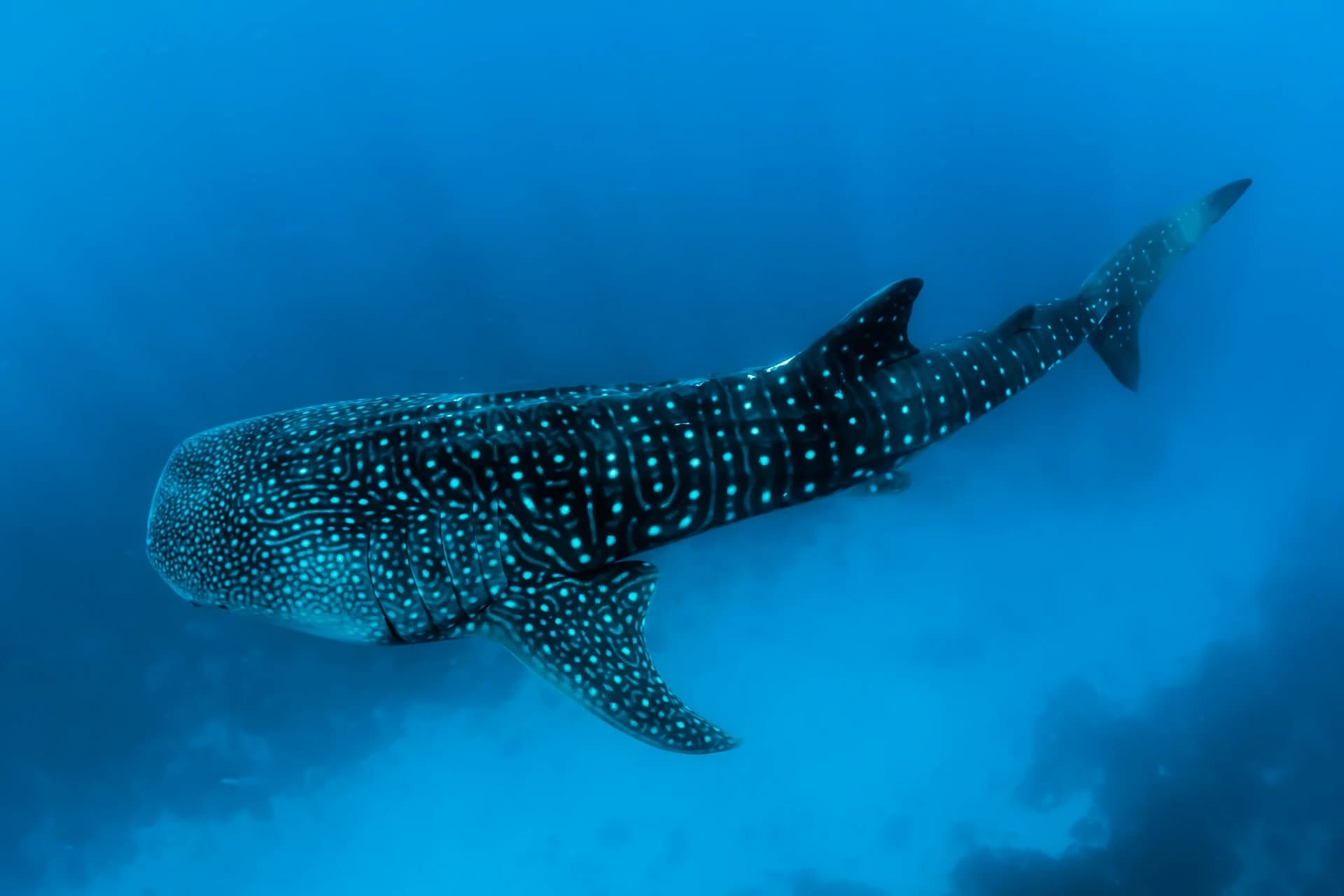
September is the final month of whale shark season in Isla Holbox, and swimming with whale sharks is the island's most sought-after experience — but daily spots are strictly limited and the top-rated tours sell out days in advance. See our Isla Holbox whale shark tour guide to compare operators and book your September spot now before it's too late.
See Isla Holbox whale shark toursSeptember is Isla Holbox at its quietest and cheapest, but it is a month of two halves. Early September is the last chance for whale sharks before the season closes around mid-month, with strong bioluminescence on moonless nights. Late September is deep low season: empty, inexpensive, and the wettest, most hurricane-prone stretch of the year. Here is what to actually expect.
What You Should Know
- The whale shark season closes around mid-September. The first two weeks are the last chance to swim with them, and even then sightings taper as the animals begin dispersing; book early September and use free cancellation.
- September is the quietest and cheapest month of the year on Isla Holbox. Crowds are minimal and room rates hit their annual low, especially in the second half of the month.
- Bioluminescence stays strong into September on moonless nights, with a tail into October, so an early-to-mid September trip can still pair it with the last whale shark tours.
- September is the wettest month and the peak of Atlantic hurricane season: hot and humid with frequent, sometimes multi-day rain and the year's highest storm risk. Build in flexibility and favor refundable bookings.
Isla Holbox in September: The Honest Picture
⭐ Best September window for Holbox: the first two weeks. Early September is your last chance at whale sharks before the season closes around mid-month, the bioluminescence is still strong on moonless nights, and prices are already well below summer. After mid-September the wildlife season ends and the island slips into its deepest, cheapest, wettest low season.
| Factor | September Rating |
|---|---|
| Weather | 5/10 — wettest month; highest hurricane risk; hot, humid |
| Crowds | 9/10 — the quietest month of the year |
| Prices | 8/10 — the cheapest month of the year |
| Beaches | 6/10 — sargassum declining; rain and cloud common |
| Whale Sharks | 6/10 — closing mid-September; early month only, tapering |
| Bioluminescence | 7/10 — still strong early month on moonless nights |
| Mosquitoes & Bugs | 4/10 — high in the wet season |
| Families | 6/10 — quiet and cheap, but weather and hurricane risk to weigh |
| Couples | 7/10 — quiet, inexpensive, atmospheric; stormy at times |
💰 Average September hotel prices (Isla Holbox, mid-range boutique):
Early September: ~$190/night · Late September (annual low): ~$150/night
Rough mid-range estimates; Holbox has limited boutique and posada supply, so rates vary significantly by property and booking lead time.
| Month | Crowds | Prices | Whale Sharks | Weather | Overall |
|---|---|---|---|---|---|
| August | 5/10 | 5/10 | Peak continuing | 6/10 | 7 |
| September | 9/10 | 8/10 | Closing mid-month | 5/10 | 7 |
| October | 8/10 | 7/10 | Closed | 6/10 | 7 (wet→dry transition) |
September is the most polarized month on the Holbox calendar, and the right framing depends entirely on what you want. If you want the wildlife, this is the closing window: the whale shark season ends around mid-September, so the first two weeks are your last realistic chance to swim with them. Even then, sightings taper through early September as the animals begin to disperse, so the smart approach is to go early in the month and book with free cancellation. The bioluminescence holds up better, staying strong on moonless nights into September with a tail into October, which means an early-September trip can still deliver the signature pairing of a whale shark morning and a glowing-water night.
If you want quiet and value, September is unmatched. It is the cheapest and least crowded month of the year on Holbox, especially after mid-month once the wildlife season ends. The island empties out, room rates hit their annual low, and you get the slow, lantern-lit village and wide empty beaches largely to yourself. For travelers who prioritize atmosphere and budget over a packed activity list, late September is a genuinely special, deeply low-key time to be here.
The honest caveats are significant and weather-driven. September is the wettest month of the year and the peak of the Atlantic hurricane season, so the storm risk is at its annual high. Rain can be frequent and occasionally multi-day rather than the quick afternoon showers of early summer, and a tropical system, while still not a given, is more likely now than at any other time. Sargassum is easing from its summer peak, but mosquitoes stay high in the wet conditions. In our view, September suits two kinds of traveler: the wildlife-focused visitor who comes in the first two weeks for the last whale sharks at lower prices, and the budget-and-quiet seeker who embraces the deep low season and plans around the weather with flexible, refundable bookings.
Holbox Weather in September: Rain, Hurricanes & Sea Conditions
| Metric | September |
|---|---|
| Avg High | 32°C (90°F) |
| Avg Low | 25°C (77°F) |
| Water Temp | 29°C (84°F) |
| Rain Days | ~14 |
| Humidity | High |
| Wind | Light/variable |
| Hurricane Risk | High (Atlantic season peak) |
Temperature and Humidity
September stays hot and very humid on Isla Holbox. Daytime highs sit around 31 to 32°C (88 to 90°F), a touch below the midsummer peak but feeling just as heavy thanks to the moisture-laden air. Evenings hold at 25°C (77°F). The water is still bath-warm at around 29°C (84°F). Cloud cover from the frequent rains can take some edge off the midday sun compared to July and August, but the humidity is relentless.
Rain and Hurricane Season
September is the wettest month of the year and the peak of the Atlantic hurricane season, the single most important thing to understand about visiting now. Rainfall is at its annual high, and unlike the quick afternoon showers of early summer, September can bring heavier and occasionally multi-day rain. The probability of a tropical storm or hurricane affecting the region, while still not likely on any given trip, is higher this month than any other. This does not mean a washout is guaranteed; many September days are perfectly good, with sun between the rain. But it does mean you should build flexibility into your plans, favor refundable lodging and tours, watch the forecast in the days before you travel, and have a backup if a system threatens.
Sea Conditions and the Season's End
Light, variable summer winds continue, and mornings remain the calmest window on the water. The defining September change at sea is the whale shark season ending around mid-month as the aggregation disperses; early-September tours still run when weather allows, but they wind down and stop by roughly mid-September. Rougher seas around any passing weather system can also cancel boat tours, another reason to keep early-month plans flexible.
| Month | Weather | Sargassum Risk | Whale Sharks | Bioluminescence | Best For |
|---|---|---|---|---|---|
| August | Hot, humid, storms; hurricanes rising | Peak, easing late | Peak continuing | Peak | Peak wildlife; late-Aug value |
| September | Wettest; hurricane risk highest | Declining | Closing mid-Sep | Strong early; Oct tail | Last whale sharks; cheapest, quietest |
| October | Wet→dry transition; showers easing | Low to minimal | Closed | Tail (early Oct) | Quiet shoulder; value |
| November | Mostly dry; first nortes | Minimal | Closed | Off | Dry season returns; kite building |
| Dec–Feb | Dry, mild, nortes | Minimal | Closed | Off | Kitesurfing, quiet beaches |
Crowds and Prices in September: What to Expect
September is the quietest and cheapest month of the year on Holbox, with the second half deeper into low season than the first.
Early September (September 1–15)
The first half still has the last of the whale shark season, so it draws the final wildlife-focused visitors of the year, but crowds are already light and prices have fallen well below the summer peak. This is the window to come if you want the last whale sharks and strong bioluminescence at low-season rates, accepting the weather risk that comes with peak hurricane season.
Late September (September 16–30)
Once the whale shark season closes, the island slips into its deepest low season. Crowds are minimal, some smaller businesses and tour operators reduce hours or pause for the slow stretch, and room rates hit their annual low. It is the quietest, most atmospheric, and cheapest time to be on Holbox, ideal for travelers who want the village and beaches nearly to themselves and do not mind that the headline wildlife is gone and the weather is at its wettest.
Hotel Pricing in September
Holbox runs on boutique hotels, beachfront cabañas, and posadas rather than large all-inclusive resorts, and September brings the lowest rates of the year, particularly in the second half. The value is real, but so is the weather risk, so the smart move is to favor properties and tours with flexible, refundable terms. Our best hotels in Isla Holbox guide covers ten luxury and ten budget properties with an interactive map of each zone of the island.
Whale Sharks and Bioluminescence in September: The Season Closes
September is the closing of the whale shark season, and timing within the month is everything. Whale shark tours run only in the first part of the month and wind down around mid-September as the aggregation north of the island disperses. Early September can still produce good encounters, but sightings taper through the first two weeks, and weather (peak hurricane season) adds cancellation risk. If swimming with whale sharks is your goal in September, come in the first week or two, book with free cancellation, and treat it as the last call of the year rather than a sure thing. After mid-September, tours stop until next June.
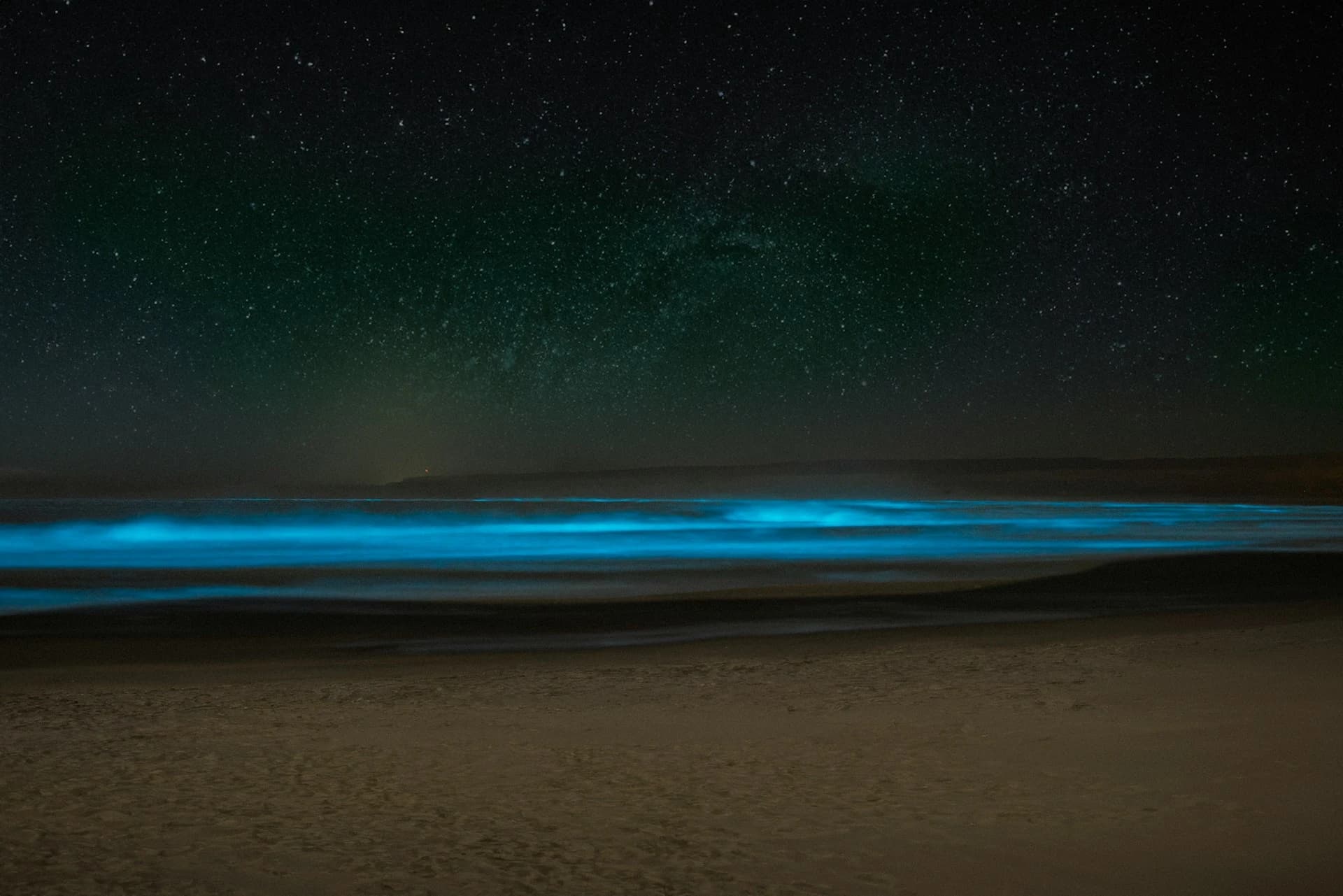
Bioluminescence holds up better. It stays strong on moonless nights into September, with a tail running into October, so it outlasts the whale sharks. As always, the moon governs the display far more than the month: plan your tour around a new-moon date and choose a format with water entry for the strongest effect. An early-September trip timed to a new moon can still deliver the classic Holbox pairing, a whale shark tour in the morning and glowing water at night.
Once the wildlife season winds down, the island's year-round activities carry the rest of a September trip. The three-island boat tour to Isla Pájaros, Cenote Yalahau, and the Punta Mosquito sandbar runs whenever the weather allows, and the mangrove kayak tour is best at first light. Most people don't realize how quiet and atmospheric late September is: with the crowds and wildlife gone, it becomes one of the most peaceful, photogenic times of year on the island, for travelers who plan around the rain.
Beaches, Sargassum and Mosquitoes in September
September beach conditions are shaped more by rain than by seaweed: sargassum is declining from its summer peak, but frequent cloud and storms limit classic beach days, and mosquitoes stay high.
Beaches and Sargassum
Sargassum eases through September as the summer bloom winds down, so the north shore is generally cleaner than in July and August, with improvement continuing into October. As always, Holbox is far less affected than the Caribbean coast thanks to its Gulf-facing position, and the lagoon side, the Punta Mosquito sandbar, and the western tip at Punta Cocos stay clearest. The bigger limiter on beach time in September is the weather: frequent rain, cloud, and the occasional storm mean fewer reliably sunny beach days than the dry months. When the sun is out between systems, the quiet, near-empty beaches are a real pleasure.
Mosquitoes and Jellyfish
Wet-season conditions keep mosquito and sand fly (jejenes) activity high in September, especially near the mangroves at dawn, dusk, and after rain, and standing water from heavy rains can make them worse. Repellent is essential, including before any evening bioluminescence tour. Jellyfish are still present in the swimming areas early in the month and ease toward late September; a rash guard is worth packing for early-month whale shark tours and swims. We'd treat repellent as a September must, with a rash guard useful for the first half of the month.
The Best Activities in Isla Holbox in September
September activities split around mid-month: the last whale shark and strong bioluminescence tours early on, then a quiet, weather-dependent stretch where the year-round tours and slow island life take over.
| Activity | September Rating | Best Time of Day | Notes |
|---|---|---|---|
| Whale Shark Tour | 6/10 (early Sep) | Early morning | Season closing ~mid-Sep; early month only, tapering; free cancellation |
| Bioluminescence Tour | 7/10 | Night (no moon) | Still strong on moonless nights; tail into October |
| Three Island Boat Tour | 7/10 | Morning | Year-round, weather permitting; very quiet; bring repellent |
| Mangrove Kayak Tour | 7/10 | Sunrise | Calm warm water early; go between rain systems |
| Fishing & Cabo Catoche Combo | 6/10 | Morning | Year-round; weather and storms cancel more this month |
| Beach Day & Punta Cocos Sunset | 6/10 | Late afternoon | Quiet, near-empty beaches when sun breaks through; sargassum easing |
| Stand-Up Paddleboarding | 6/10 | Early morning | Calm lagoon water before any afternoon storms |
| Bird Watching (Yum Balam) | 7/10 | Sunrise | Quiet lagoon; rain-dependent but rewarding |
| Kitesurfing (Playa Las Nubes) | 4/10 | — | Off-season; light summer wind, building again from November |
Activities That Are Strongest in September
- Whale Shark Tour (early September only): The last chance of the year, running until the season closes around mid-September. Sightings taper through the first two weeks as the animals disperse, and peak hurricane-season weather adds cancellation risk, so book early in the month with free cancellation and keep expectations measured. Holbox's small-boat format (around 8 to 10 passengers) still makes for an intimate encounter when it runs.
- Bioluminescence Tour: The wildlife experience that outlasts the whale sharks, staying strong on moonless September nights with a tail into October. Plan the date around the new moon, choose a format with water entry, and bring repellent for the mangrove edge. In a quiet low-season month, a glowing-water night is a highlight.
- Quiet, Atmospheric Island Time: The understated star of late September. With the crowds and wildlife gone, the near-empty beaches, slow village, and dramatic stormy-season skies make for an atmospheric, deeply low-key escape, at the cheapest prices of the year. For the right traveler, this is the appeal of September.
Year-Round Activities With September-Specific Notes
- Three Island Boat Tour: Runs year-round, weather permitting, and September crossings are about as quiet as it gets. Build in flexibility, as storms can cancel departures, and bring repellent for the Isla Pájaros mangroves.
- Mangrove Kayak Tour: Best at sunrise, slotted between rain systems. Warm calm water and a very quiet lagoon; apply repellent thoroughly. Routes are calm and shallow with double kayaks; no experience needed.
- Fishing and Cabo Catoche Combos: Shared and private charters run year-round, but September's wet, stormy weather cancels more departures than other months. Book with an operator who reschedules without penalty and keep your dates flexible.
More September Activities Worth Knowing About
These activities do not yet have their own dedicated guides on this site, but they are popular and well-established on Holbox in September.
Last-of-Season Whale Shark and Bioluminescence Combo
Early September is the final window for the classic pairing: a morning whale shark tour, while the season still runs, and an evening bioluminescence tour on a moonless night. Book the whale shark boat with free cancellation given the tapering season and storm risk, and time the bioluminescence to the new moon. After mid-September, the whale sharks are gone until June, but the bioluminescence continues.
Mexican Independence Day (September 15–16)
Mexico's Independence Day brings small celebrations to the island around September 15 and 16, with the traditional grito, music, and food in the town plaza. It is a low-key, local affair on Holbox rather than a major tourist event, but if your dates align it is a genuine slice of Mexican culture during an otherwise very quiet month.
Tequila and Mezcal Tasting
With frequent rain and few crowds, September is a natural month for indoor-leaning evenings. A guided tequila or mezcal tasting is a relaxed way to spend a wet night; note that some smaller venues reduce hours in the low season, so check what is open.
Street Art and Mural Walk
Holbox is known for its large-scale murals scattered through the village. A self-guided walk to find them is a good rainy-season activity between showers. Bring a camera and a golf cart or bike, and a rain layer.
Birding and Flamingo Spotting
The Yum Balam reserve remains a birding destination in September, and the quiet lagoon can be rewarding between rain systems. A sunrise kayak or the three-island tour gives the best vantage. Bring binoculars, repellent, and a dry bag for the weather.
From Our Experience
What we consistently see with September trips is that it works beautifully for two very different travelers and poorly for everyone in between. Come in the first two weeks if you want the last whale sharks and bioluminescence at low-season prices, or come in late September if you want the cheapest, quietest island of the year and do not mind the rain. Either way, refundable bookings and a flexible mindset about the weather are what separate a great September trip from a frustrating one.
Tips for Visiting Isla Holbox in September
- Come in the first two weeks for the last whale sharks: the season closes around mid-September and sightings taper through early month, so book early September with free cancellation. After mid-September the whale sharks are gone until June.
- Favor refundable lodging and tours: September is peak hurricane season and the wettest month, so flexibility is the single most valuable thing you can build into a trip. Refundable terms turn the weather risk into a manageable variable.
- Embrace late September for value and quiet: if the wildlife is not your priority, the second half of the month is the cheapest, least crowded time of year, with the village and beaches nearly empty. Just go in expecting rain and reduced hours at some businesses.
- Plan bioluminescence around the new moon: it outlasts the whale sharks and stays strong into September on moonless nights. Check the lunar calendar and book that date for the best display.
- Pack for rain and bugs: bring a rain layer and a dry bag, plenty of repellent for the wet-season mosquitoes, and a rash guard for early-month swims and any whale shark tour. Standing water after heavy rain can worsen mosquitoes.
- Watch the forecast before you travel: in the days before your trip, track any tropical activity and have a backup plan if a system threatens. Most September days are fine, but the peak-season risk is real.
- Get to Chiquila with buffer time and bring cash: weather can disrupt the ferry, and the last crossing to the island is around 9:30 PM; aim earlier. Holbox runs heavily on cash for tours, tips, and the Chiquila parking lot. Our how to get to Isla Holbox guide covers the full route from Cancún.
- Visiting at a different time of year? Our Isla Holbox in October guide covers the wet-to-dry transition, when the rains ease and sargassum clears into a quiet shoulder, and our August guide covers peak wildlife with a late-month value window. For the full whale shark and bioluminescence seasons, see our Holbox whale shark tour guide (June–September) and bioluminescence tour guide (June–October). For the full island overview, our best things to do in Isla Holbox guide covers all activities with prices and seasons. For how September compares with the rest of the Holbox year, see our full guide to the best time to visit Isla Holbox.
How We Put This Guide Together
The Cancun Trip Insider team built this guide from operator data, seasonal availability records, whale shark season timing, regional rainfall and hurricane-season patterns for the northern Yucatán, and verified traveler review trends across Holbox's September activity categories. September is the close of the whale shark season and the peak of hurricane season, and we prioritized accurate framing of that high-reward, high-risk timing over promotional language: every claim about the closing wildlife window, weather, hurricane risk, and seasonal value reflects documented patterns rather than best-case marketing. This guide was reviewed and updated in June 2026. September conditions on Holbox are generally consistent year to year, but the exact end of the whale shark season, the lunar calendar for bioluminescence, and hurricane activity all vary, so we recommend booking refundable tours, confirming the whale shark season is still running for your dates, and watching the forecast before you travel. Every activity linked here has its own dedicated guide with operator comparisons and real review data.
Frequently Asked Questions
Is Isla Holbox good in September?+
It depends on what you want. September is the quietest and cheapest month of the year, ideal for budget and solitude, and the first two weeks are the last chance to swim with whale sharks before the season closes around mid-month. But it is also the wettest month and the peak of hurricane season, with the year's highest storm risk. Come early September for the last wildlife at low-season prices, or late September for the cheapest, emptiest island, and favor refundable bookings either way.
Can you see whale sharks in Holbox in September?+
Only in the first part of the month. The whale shark season closes around mid-September as the aggregation disperses, and sightings taper through the first two weeks even before it ends. Early-September tours still run when the weather allows, but peak hurricane-season conditions add cancellation risk. If whale sharks are your goal, come in the first week or two, book with free cancellation, and treat it as the last call of the year. After mid-September, tours stop until June.
What is the weather like in Isla Holbox in September?+
September is hot, very humid, and the wettest month of the year, with rainfall at its annual high and occasional multi-day rain rather than just quick afternoon showers. Daytime highs sit around 31 to 32°C (88 to 90°F) and the water stays warm at about 29°C (84°F). Crucially, it is the peak of the Atlantic hurricane season, so storm risk is at its yearly high. Many days are still fine with sun between the rain, but build in flexibility and watch the forecast.
Is September a good time for bioluminescence in Holbox?+
Yes, bioluminescence stays strong into September on moonless nights and outlasts the whale shark season, with a tail running into October. The moon matters more than the month, so plan your tour around a new-moon date and choose a format with water entry for the strongest effect. An early-September trip timed to a new moon can still pair bioluminescence with the last whale shark tours.
Is Holbox cheap in September?+
Yes, September is the cheapest month of the year, with room rates at their annual low, especially in the second half once the whale shark season ends. Holbox runs on limited boutique and posada supply, and the deep low season brings real value. The trade-off is the weather: it is the wettest, most hurricane-prone month, so favor refundable bookings to protect the savings.
Is there sargassum in Isla Holbox in September?+
Less than midsummer. Sargassum declines through September as the summer bloom winds down, so the north shore is generally cleaner than in July and August, improving further into October. As always, Holbox is far less affected than the Caribbean coast, and the lagoon side, the Punta Mosquito sandbar, and the western tip stay clearest. In September the bigger limiter on beach time is rain and cloud rather than seaweed.
Should I worry about hurricanes in Holbox in September?+
September is the peak of the Atlantic hurricane season, so it carries the year's highest storm risk, and it is the main thing to plan around. A direct impact is still not likely on any given trip, and many September days are perfectly good, but the probability of disruptive weather is real. Favor refundable lodging and tours, watch the forecast in the days before you travel, build flexibility into your itinerary, and have a backup if a system threatens.
What is the best week to visit Holbox in September?+
The first two weeks if you want wildlife: it is the last chance for whale sharks before the mid-month close, with strong bioluminescence on moonless nights and prices already below summer. The second half if you want maximum value and quiet: the cheapest, emptiest stretch of the year, once the wildlife season ends. Match the half of the month to your priority, and book refundable given the weather risk.
Affiliate note: Some links on this page are affiliate links. If you book through them, we may earn a small commission at no additional cost to you.