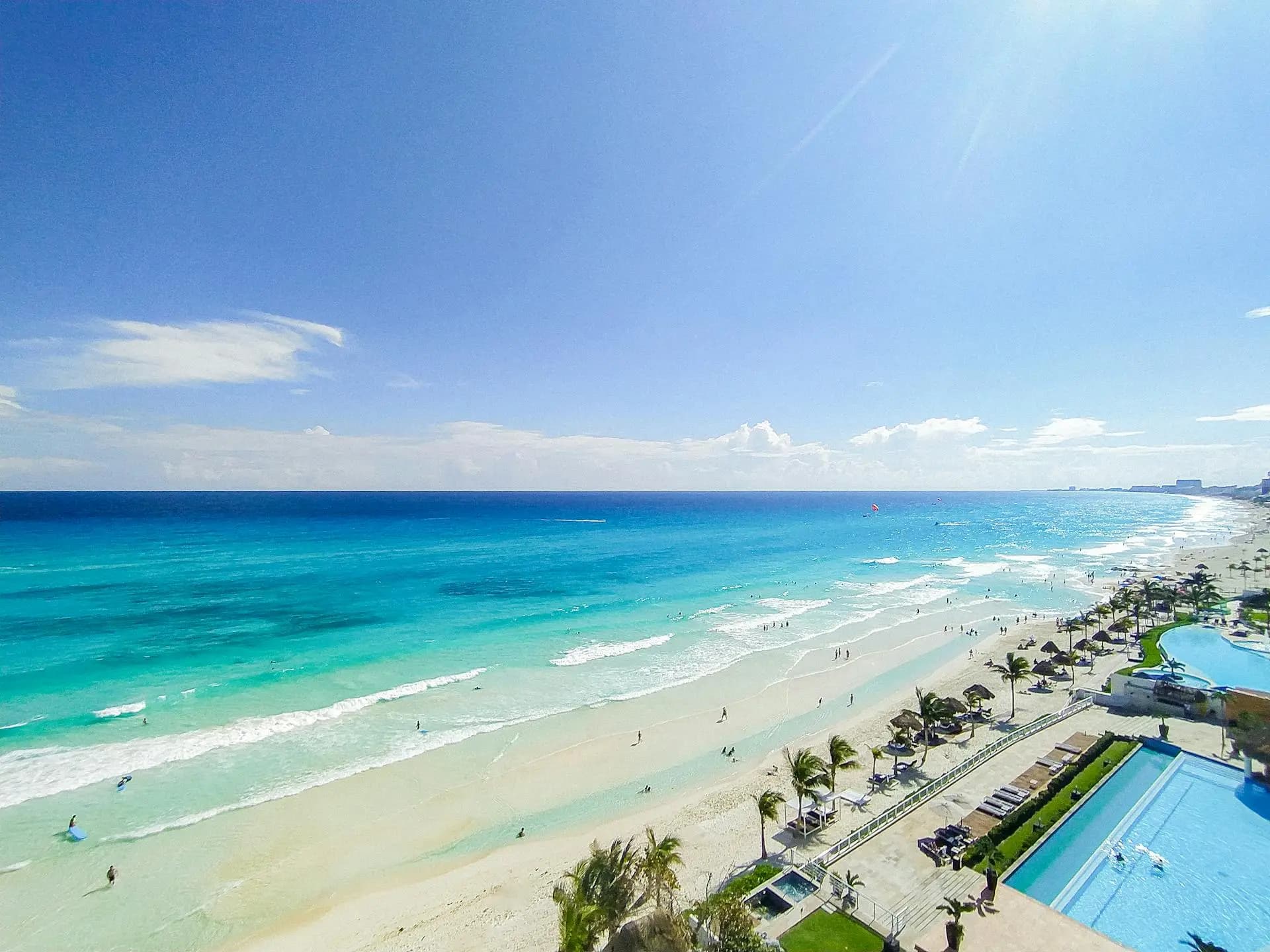
January is one of the most reliably pleasant months to visit Cancún: dry weather, clear water, no sargassum, and zero hurricane risk. The tradeoffs are peak-season hotel prices in the first week and occasional cold fronts that pass through in 24 to 48 hours. Here is what to actually expect.
What You Should Know
- January is dry season in Cancún: daytime temperatures of 24 to 27°C (75 to 81°F), very little rain, no sargassum on the beaches, and zero hurricane risk. It is one of the most reliably comfortable months to visit.
- Cold fronts (nortes) pass through 2 to 4 times per month. Each brings 1 to 2 days of overcast skies, wind, and occasionally choppy seas before clearing. The weeks between fronts are almost entirely sunny and calm.
- Whale shark tours are not available in January. The season runs roughly mid-May to mid-September (some operators start in June). What January offers instead is the best water visibility of the year for snorkeling and diving, with calm and clear conditions on most days.
- Hotel prices in early January (the first week) are at their annual peak, reflecting the tail end of Christmas and New Year's demand. From mid-January onward, rates soften noticeably. The third week of January is the best value window within peak season.
Cancún in January: The Honest Picture
⭐ Best January week for Cancún: the third week. Holiday crowds have thinned, hotel prices have dropped from their New Year's peak, and the dry-season weather is at its most reliable.
| Factor | January Rating |
|---|---|
| Weather | 10/10: dry, mild, comfortable all day |
| Crowds | 7/10: peak early Jan; manageable from Jan 11 |
| Prices | 5/10: peak season; softer from mid-month |
| Beaches | 10/10: no sargassum; best condition of the year |
| Snorkeling & Diving | 10/10: peak water visibility; calm, clear reefs |
| Sargassum | 10/10: none |
| Whale Sharks | 0/10: not available (season: roughly mid-May to mid-September) |
| Families | 8/10: great conditions; all ages; book ahead in peak season |
| Couples | 8/10: comfortable weather; clear beaches; quieter than March |
💰 Average January hotel prices (Hotel Zone, 4-star all-inclusive):
Early Jan (1–10): ~$380/night · Mid Jan (11–25): ~$240/night · Late Jan (26–31): ~$210/night
Rough mid-range estimates (May 2026); rates vary significantly by property and booking lead time.
| Month | Crowds | Prices | Weather | Beaches | Overall |
|---|---|---|---|---|---|
| December | 3/10 | 1/10 | 9/10 | 10/10 | 6 (early Dec: 9) |
| January | 7/10 | 5/10 | 10/10 | 10/10 | 8 |
| February | 7/10 | 5/10 | 10/10 | 10/10 | 9 |
Yes, Cancún is excellent in January, and for most travelers it is among the best months of the year to visit. Dry-season conditions mean comfortable daytime temperatures, almost no rain, calm seas on most days, and beaches that are clear of sargassum. The activity calendar is fully open: snorkeling, diving, archaeology day trips, sunset catamarans, and every land-based tour run without weather complications.
The honest caveats are specific and manageable. First, cold fronts. Nortes are short-lived weather systems that roll through the Yucatán Peninsula several times a month in winter, bringing 24 to 48 hours of wind, clouds, and sometimes rough seas before clearing. Boat tours get cancelled on norte days; the good operators reschedule without penalty. If your trip is short, one norte could affect your snorkeling day. If your trip is a week or longer, it is unlikely to cost you more than one or two days of outdoor boat activity. Second, pricing. Early January sits at the top of the Cancún pricing calendar: hotels charge peak rates through roughly January 10 as holiday demand tapers out. From mid-January onward, rates are still high compared to summer, but meaningfully lower than the first week.
In our view, January is the right month for travelers who want Cancún at its best weather without the summer heat, humidity, or sargassum risk. It is a particularly strong month for outdoor archaeology (Chichén Itzá, Tulum), snorkeling and diving in clear water, and beach days without worrying about seaweed. The one thing January cannot offer is whale sharks. If that experience is your main reason for the trip, plan for the season, roughly mid-May to mid-September, instead.
Most Popular Tours
Compare and Book the Top Cancún Tours in January
These are the six tours we shortlist for Cancún in January. Compare live options below, then book our January pick, the early-morning Chichén Itzá tour, directly.
Cancún Weather in January: Temperature, Cold Fronts & Sea Conditions
Temperature and Humidity
January is the coolest month in Cancún by a meaningful margin compared to the summer peak. Daytime highs typically reach 24 to 27°C (75 to 81°F), with low humidity making outdoor activity comfortable throughout the day without the midday heat wall that defines June through September. Evenings drop to 19 to 21°C (66 to 70°F), which feels genuinely cool after dark; a light jacket or layer is worth packing for evenings and cold-front days. Caribbean Sea temperature sits around 26°C (79°F) in January, warm enough for comfortable snorkeling without a wetsuit, though some visitors prefer a rash guard in the water (historical averages via Mexico's Servicio Meteorológico Nacional).
Rain and Cold Fronts (Nortes)
January is in Cancún's dry season. Average monthly rainfall is around 30mm, one of the lowest figures of the year, and most days see no rain at all. The main weather variable in January is cold fronts, known locally as nortes. These are pressure systems that push down from North America, arriving 2 to 4 times per month during winter. When a norte arrives, expect a shift from clear skies to overcast conditions, stronger onshore winds, and sometimes choppy water on the Caribbean side of the Hotel Zone. Most nortes last 24 to 48 hours. After they pass, conditions return quickly to clear skies and calm water. The impact on tours is real but contained: boat-based tours (snorkeling, catamaran, Isla Contoy) may be cancelled or rescheduled on active norte days, while land tours (ATV, Chichén Itzá, cooking class) run regardless of weather. Reputable operators track fronts daily and have established rescheduling policies. We'd confirm your operator's cancellation terms before booking any boat tour in January.
Sea Conditions and Visibility
Between cold fronts, January has some of the calmest and clearest sea conditions of the Cancún year. Water visibility for snorkeling and diving is at its annual peak in dry season, with 20 to 30 metres common at healthy reef sites. The Puerto Morelos National Marine Park reef is consistently clear in January. Calm mornings before any afternoon wind picks up are the best window for snorkeling; most tour operators depart early and return before early afternoon for this reason. For diving, January is a strong month across the board: clear water, comfortable temperatures, and none of the surface chop that can accompany summer storms.
| Month | Weather | Sargassum Risk | Whale Sharks | Prices | Best For |
|---|---|---|---|---|---|
| January | Dry, mild, nortes possible | None | Not available | High early, softer mid-month | Weather reliability, diving, archaeology |
| February | Dry, mild | None | Not available | High | Romantic getaways, beach stays |
| March | Dry, warming | Starting | Not available | Highest (spring break) | Spring breakers; avoid if you want calm |
| June–Sept | Hot, humid, storms possible | High | Peak season | Lower | Whale shark experience, budget travel |
| November | Dry, mild | None | Not available | Low | Best value dry season |
| December | Dry, busy | None | Not available | Highest | Holiday travel |
Crowds and Prices in January: What to Expect
January spans two meaningfully different periods in terms of crowds and pricing, divided roughly around January 10.
Early January (January 1–10)
The first week of January is an extension of the Christmas and New Year's rush. Hotels are still running at high occupancy from holiday travelers who booked longer stays or end-of-December arrivals that extend into the new year. This is the most crowded and most expensive window of the January period. If your flexibility allows it, arriving after January 10 produces a noticeably better experience at lower cost.
Mid-January (January 11–25)
This is the best window within peak season. Holiday traffic has cleared, hotel rates have softened from their early-January high, and the Hotel Zone settles into a calmer rhythm without losing its full operational status. All activities, restaurants, and tours are running. From what we see in booking patterns and availability data, we'd call January 15 through 25 the best combination: reliable dry weather, manageable crowds, and lower prices than the first week without crossing into spring break territory in March.
Late January (January 26–31)
Crowd levels are moderate and pricing is broadly consistent with mid-January. Some hotels begin adjusting rates slightly upward in anticipation of February Valentine's Day demand. The weather window remains excellent throughout.
Hotel Pricing in January
January hotel rates run noticeably higher than summer (June through August) for equivalent rooms. The gap narrows in mid-January once the holiday premium fades. For travelers focused on dry-season conditions at better value, November is the stronger month: similar weather, far fewer crowds, and meaningfully lower rates. Our all-inclusive resorts guide covers the full option set with pricing context by category.
Whale Sharks in January: Are They Available?
No. Whale shark season in Cancún runs roughly mid-May to mid-September (some operators start in June), with peak aggregations in July and August. January is outside the season window entirely. The whale shark feeding aggregation that forms north of Isla Mujeres is a warm-season phenomenon tied to fish spawn cycles; it is simply not present in January.
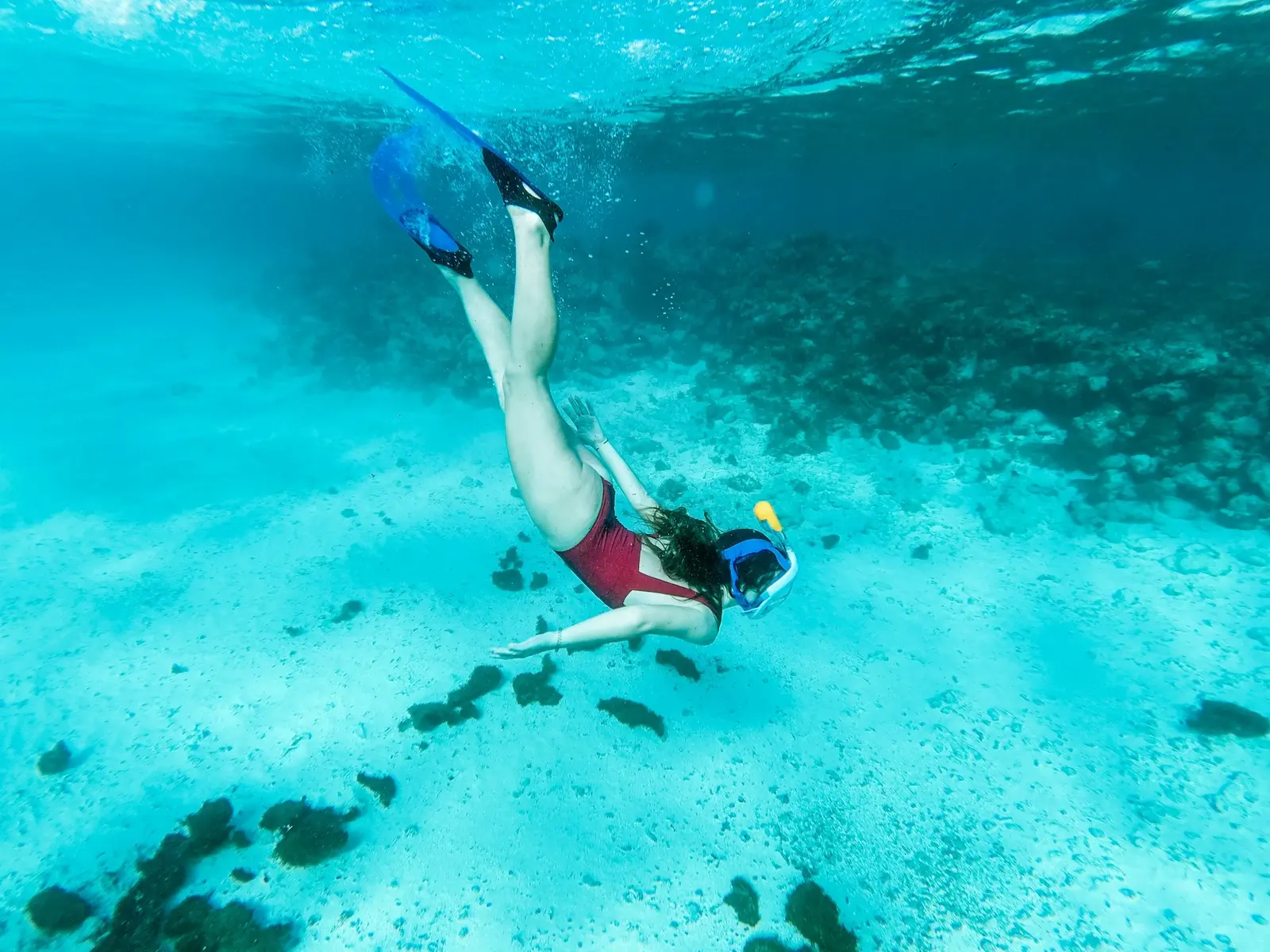
What January does offer instead is the best conditions for snorkeling and diving alternatives. Snorkeling tours at Puerto Morelos National Marine Park run in their optimal window in January, with 20 to 30 metres of visibility in calm water. Scuba diving at MUSA, the underwater sculpture park, benefits from the same clear dry-season conditions: excellent visibility, comfortable water temperature, and none of the surface chop that accompanies summer storms. For travelers specifically interested in marine wildlife, the reef at Puerto Morelos is healthy and active in January, with strong fish diversity and clear coral visibility. Most people don't realize water visibility at Puerto Morelos peaks in January, not summer; the reef looks noticeably different in dry-season clarity versus the warmer months.
If a whale shark experience is the primary reason for your Cancún trip, plan for the whale shark season (roughly mid-May to mid-September). See our whale shark tour guide for operators and pricing. If you are flexible on the wildlife activity and prioritize reliable weather, clear water, and beach quality, January is the stronger overall package.
Sargassum in January: What to Expect
Sargassum risk in January is very low to none. The Atlantic sargassum bloom that affects Caribbean beaches typically peaks from May through August, driven by warm water and currents that transport floating seaweed toward the Yucatán coast. In January, water temperatures are at their annual minimum and the seasonal current pattern is not delivering significant sargassum loads to Cancún or the Riviera Maya.
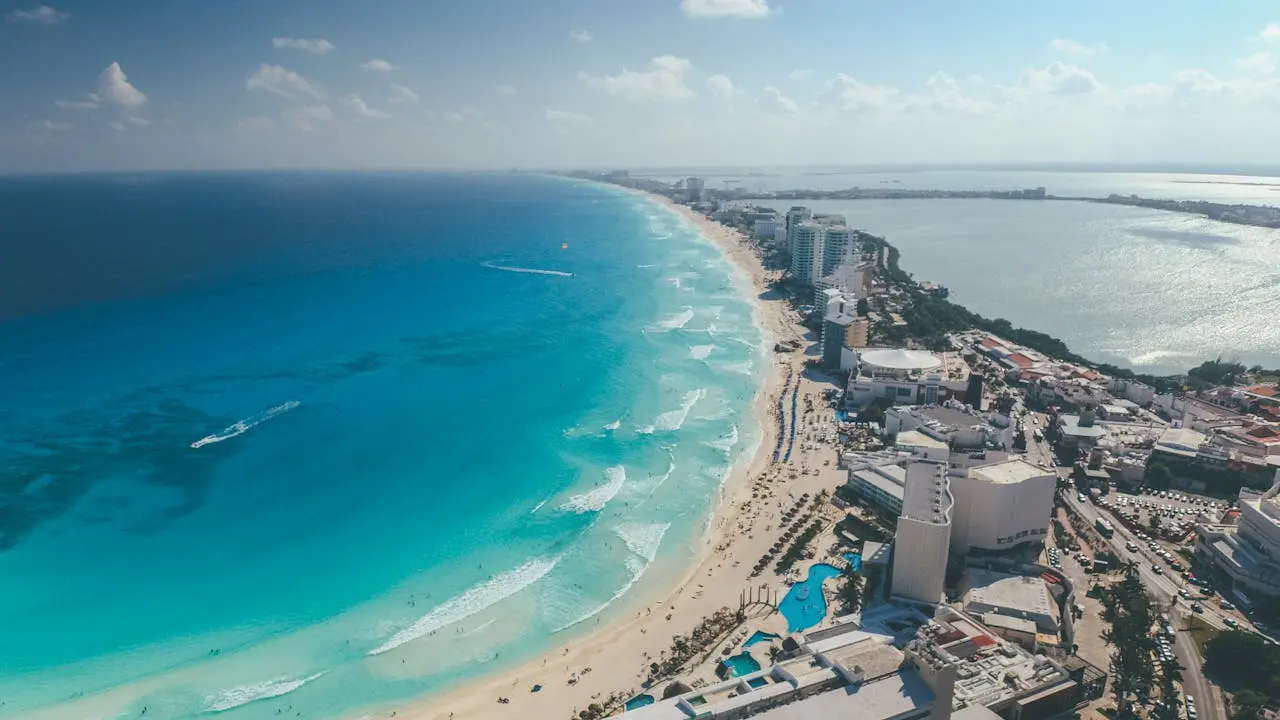
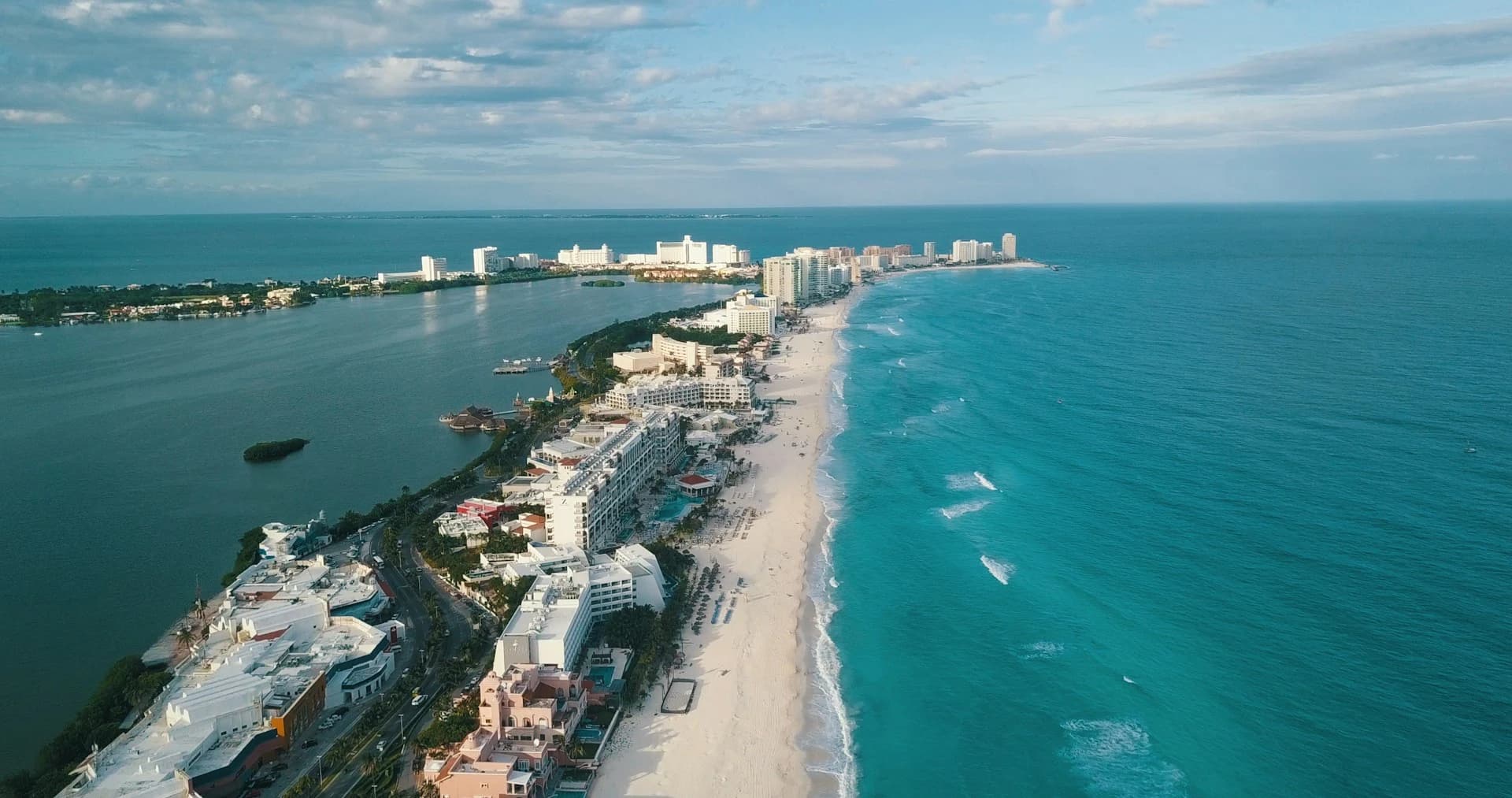
Hotel Zone beaches in January are generally in their best condition: wide, clean shorelines, clear water, and no seaweed accumulation requiring daily clearing. The northern Hotel Zone (Punta Cancún area), which historically sees the least sargassum even during summer, is particularly reliable in January. If beach quality is a top priority and summer sargassum uncertainty concerns you, January is the clearest window of the year.
We'd still recommend checking real-time beach conditions in the week before your arrival. The University of South Florida Optical Oceanography Lab posts weekly sargassum satellite updates year-round. In January, these maps consistently show minimal to no offshore accumulation near the Yucatán Peninsula.
The Best Activities in Cancún in January
January is the strongest month for outdoor and land-based activities in Cancún. The full activity calendar is open, and dry-season conditions genuinely improve the experience for most of them.
| Activity | January Rating | Best Time of Day | Notes |
|---|---|---|---|
| Chichén Itzá Day Trip | 10/10 | Early morning | Best weather of the year for this exposed site; still go early |
| Tulum Day Trip | 10/10 | Early morning | Cool, dry; comfortable at any morning hour |
| Scuba Diving (MUSA) | 10/10 | Morning | Best visibility of the year; calm, clear water |
| Snorkeling Tours | 9/10 | Morning | Peak visibility; go before afternoon winds build |
| ATV & Jungle Combo | 9/10 | Morning | Cool enough to do any departure slot, not just the earliest |
| Private Yacht Charter | 9/10 | Morning | Best private boat conditions of the year; clear water |
| Isla Contoy | 9/10 | Morning | Calm dry-season crossing; active bird colonies |
| Sunset Catamaran | 9/10 | Late afternoon | Clear skies between nortes; year-round |
| Hip Hop Boat Party | 8/10 | Evening | Cooler evenings on the water; peak-season crowds in clubs |
| Pub Crawl | 8/10 | Evening | Peak-season atmosphere in Hotel Zone clubs |
| Rio Secreto | 8/10 | Midday | Good year-round; cave contrast less dramatic than in summer heat |
| Food Tour | 8/10 | Evening | Pleasant dry evenings; full vendor activity in peak season |
| Cooking Class | 7/10 | Midday | Works any slot in mild January weather |
| Whale Shark Tour | N/A | Not available | Season: roughly mid-May to mid-September |
Activities That Are Strongest in January
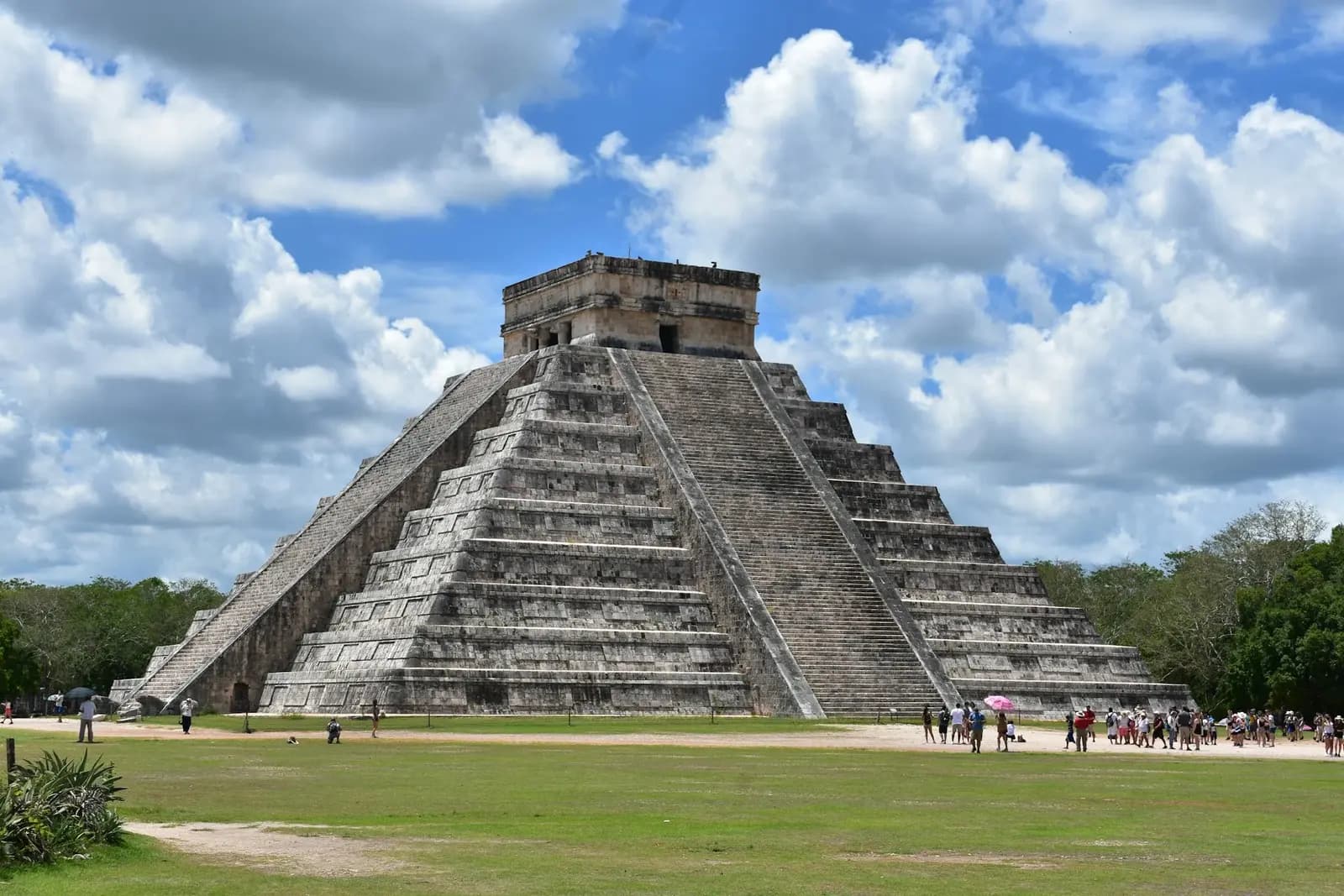
- Chichén Itzá Day Trip: January is the best month of the year for this tour. The archaeological zone has almost no natural shade, and summer heat at the site is genuinely punishing. In January, the temperature during morning hours sits around 24 to 26°C with a breeze. The difference in experience is significant: you can explore the full complex without racing the heat clock. Tours still depart early (6 to 7am); even in January we'd take the earliest departure to arrive at site opening before tour buses fill the plazas. Most guests find the full site takes 3 to 4 hours to explore properly; arriving at opening means finishing the whole complex before the tour bus wave arrives around 10am.
- Tulum Day Trip: Same logic as Chichén Itzá. The Tulum ruins are a cliff-top site fully exposed to the sun. January conditions allow a genuinely comfortable visit without the summer urgency of finishing before 10am. Most tour packages include a cenote stop and Cobá or Akumal depending on the operator.
- Scuba Diving at MUSA: Water visibility in January is at its annual peak. The submerged sculpture park at 8 to 10 metres benefits from clear, calm conditions. No certification needed for discovery dives.
- Snorkeling Tours: Puerto Morelos National Marine Park reef is at its best in dry season. Visibility, coral health, and calm morning sea conditions combine to make January snorkeling noticeably better than summer. Book a morning departure and you will almost certainly have flat water and clear visibility.
- ATV and Jungle Combos: Mild temperatures in January mean this tour works well at any available departure time, not just the earliest. The cenote swim at the end remains the highlight; jungle shade is less necessary than in summer.
Year-Round Activities With January-Specific Notes
- Sunset Catamaran Cruises: Running year-round. January sunsets on calm days are vivid and the catamaran rarely rocks. If a norte is in the forecast, operators may cancel or reschedule proactively. We'd book this for the last evening of a January trip when weather is confirmed clear.
- Private Yacht Charters: January is an excellent month for a private boat day. Clear water, calm morning seas, and good snorkeling conditions offshore. Worth comparing per-person cost against a shared catamaran for groups of 6 or more; the gap is smaller than most people expect.
- Isla Contoy: Federally protected bird sanctuary with a 200-person daily cap. January is dry season on the island, and bird colonies are active. Book 2 to 3 weeks ahead regardless of season; the cap is enforced year-round.
- Rio Secreto Underground River: The cave river system 75 minutes south of Cancún stays at a constant 24°C (75°F) year-round. In summer, the contrast between surface heat and cave cool is dramatic; in January, the effect is less pronounced but the geological and cave-swimming experience is identical. A strong choice for families or travelers wanting something different from beach and ruins.
- Hip Hop Boat Party: Adults-only evening cruise, running year-round. January evenings are cooler than summer (pleasant rather than muggy) and the boat format means a sea breeze throughout. Peak-season Hotel Zone energy in early January means the boat tends to fill at capacity; book ahead if your dates are in the first week.
- Cancún Pub Crawl: January is a good month for this: peak-season atmosphere in the Hotel Zone clubs, and cooler evenings make the outdoor segments between venues comfortable.
- Cancún Food Tours: Evening street food and tequila tasting. January evenings are dry and comfortable for walking tours, with high vendor activity during peak season.
- Cancún Cooking Classes: Mostly indoor activity. Works at any time of day in January; the mild weather means there is no particular reason to choose one time slot over another.
Most Popular Tours
More January Activities Worth Knowing About
These activities do not yet have their own dedicated guides on this site, but they are popular and well-established in January.
Isla Mujeres Day Trip
Isla Mujeres is a 20-minute ferry ride from Puerto Juárez in the northern Hotel Zone. January is one of the best months to visit: clear water, calm conditions, and Playa Norte (the island's north beach) at its most reliably clean and calm. The island is easy to navigate independently by golf cart (rentals available at the ferry dock), and a full day covers the beach, the sea turtle sanctuary (Tortugranja), and the town grid of restaurants and shops. Round-trip ferry tickets are inexpensive and ferries run frequently. Several catamaran tours include an Isla Mujeres stop; see our sunset cruise guide for those options.
Three Kings Day (January 6)
January 6 is Día de Reyes, a major Mexican holiday. In Cancún and the Riviera Maya, local markets and town squares hold small celebrations with rosca de reyes (a ring-shaped sweet bread with a hidden figurine inside) and family gatherings. It is not a tourist event, but if your travel dates include January 6, visiting the Mercado 28 area or a local neighborhood celebration offers a genuine look at a Mexican holiday tradition most international visitors never see. Some tour operators run reduced schedules on the holiday; confirm bookings in advance if your key activity falls on January 6.
Parasailing and Jet Skiing
Parasailing and jet ski rentals operate year-round from beach concessions along the Hotel Zone. January dry-season conditions mean calmer morning seas and better visibility from the air on parasail flights. These are walk-up activities requiring no advance booking. Morning is the better window; afternoon winds occasionally pick up on the Caribbean side after midday. Your hotel activity desk or any beach concession can book directly.
Swimming with Dolphins
Mexico passed a law in 2025 banning dolphin shows and phasing out captive dolphin programs, so we no longer recommend booking dolphin interaction programs. For marine wildlife, reef snorkeling and diving are the better choice this time of year.
Cenote Visits
Cenote water temperature stays around 24°C (75°F) year-round regardless of surface conditions. In January, the contrast between cenote coolness and surface air temperature is less dramatic than in summer, but the geological beauty of the sinkholes is identical. The most accessible standalone cenote experiences are in the jungle parks 30 to 45 minutes south of the Hotel Zone; our ATV and cenote guide covers those options. Dedicated cenote visits further afield (Ik-Kil near Chichén Itzá, Dos Ojos near Tulum) are typically bundled with day trips to those sites.
Riviera Maya Day Trips
January dry-season conditions make the full range of Riviera Maya day trips practical without heat fatigue: Xcaret, Xel-Ha, Akumal (snorkeling with sea turtles), and the Cobá jungle ruins are all more comfortable in January than in summer. If you are building a multi-day itinerary, January is the month where you can realistically schedule an inland or Riviera Maya day on back-to-back days without the midday heat forcing a long afternoon rest.
Most Popular Tours
Our Take
Plan one flexible indoor or cenote day as a norte contingency. Cold fronts are short and rarely cost more than one day of boat activity, so a backup plan for that window, plus boat tours scheduled early in the trip, removes most of the risk from an otherwise excellent month.
Tips for Visiting Cancún in January
- Book Chichén Itzá and Tulum well ahead: January is peak season, and the best tour operators fill up 2 to 3 weeks out. Both sites are significantly more enjoyable when you arrive at opening with a knowledgeable guide rather than joining the midday crowds. Secure these before confirming anything else.
- Confirm your boat operator's norte policy before booking: most reputable snorkeling, catamaran, and Isla Contoy operators track cold fronts and reschedule without penalty when seas are unsafe. Ask about this explicitly before paying. A clear rescheduling policy is the single most important thing to verify for any boat-based January booking.
- Book Isla Contoy 2 to 3 weeks ahead: the 200-person federal daily cap is enforced year-round and fills faster in peak season. This is the most time-sensitive January booking after the activities you prioritize most.
- Pack a light layer for evenings and norte days: 19 to 21°C evenings feel noticeably cool, and norte days with wind make the coast feel colder than the air temperature suggests. A light sweater or zip layer is not just useful; it is genuinely needed on some January evenings.
- January is the best month for private yacht charters: clear water, calm conditions, and softer demand relative to December make private boats worth pricing out for groups of 6 or more. Compare the per-person cost against a shared catamaran before assuming it is out of range; the gap narrows significantly for small groups.
- Arrive after January 10 if pricing matters: early January commands a holiday premium on hotels that clears by mid-month. If your dates are flexible and you are sensitive to hotel rates, waiting until January 11 or later produces meaningfully better value within the same peak-season weather window.
- Chemical sunscreen is banned at reef sites year-round: Per CONANP regulations for protected marine zones, reef snorkeling operators require mineral reef-safe sunscreen. Bring your own; airport and hotel options are inconsistently available and expensive.
- Visiting at a different time of year? Our Cancún in December guide covers early December as a hidden-gem window with identical conditions at lower prices, plus the Christmas/NYE peak planning guide. Our Cancún in February guide covers the calmest dry-season month with fewer nortes and Valentine's week context. For summer, our Cancún in summer guide covers whale shark season, lower prices, heat, and sargassum. For how January stacks up against the rest of the calendar, see our full guide to the best time to visit Cancún.
How We Put This Guide Together
The Cancun Trip Insider team built this guide from operator data, seasonal availability records, cold-front frequency data from Mexico's Servicio Meteorológico Nacional, and verified traveler review patterns across all major January activity categories. January is the most weather-stable month in the Cancún calendar, but we prioritized accurate framing of cold-front frequency and pricing realities over promotional language: every claim about weather, crowds, and seasonal timing reflects documented patterns. Tour prices, ratings, and review counts were updated and verified by our editorial team in October 2026. January conditions are generally consistent year to year; we recommend confirming specific tour availability and operator scheduling in the weeks before your trip. Every activity linked here has its own dedicated guide with operator comparisons and real review data.
Frequently Asked Questions
Is Cancún good in January?+
Yes. January is one of the most reliably pleasant months to visit Cancún. Dry-season conditions bring comfortable temperatures (24 to 27°C / 75 to 81°F), very little rain, clear water with excellent snorkeling and diving visibility, and no sargassum on the beaches. The main considerations are peak-season hotel prices in the first week and occasional cold fronts that bring 1 to 2 days of wind and overcast before clearing. The third week of January offers the best combination: reliable weather, manageable crowds, and softer rates than early January.
What is the weather like in Cancún in January?+
January is Cancún's dry season. Daytime highs typically reach 24 to 27°C (75 to 81°F) with low humidity, making outdoor activity comfortable throughout the day. Evenings drop to 19 to 21°C (66 to 70°F); a light layer is useful after dark. Rain is minimal: January averages around 30mm. The main weather variable is cold fronts (nortes), which arrive 2 to 4 times per month and bring 1 to 2 days of wind and overcast before clearing.
What are cold fronts (nortes) in Cancún?+
Nortes are cold pressure systems that push down from North America during winter months, arriving in Cancún 2 to 4 times per month from November through March. When a norte arrives, you will see overcast skies, stronger onshore winds, and sometimes choppy seas on the Caribbean side. Most last 24 to 48 hours before clearing. Boat-based tours may be cancelled or rescheduled on active norte days; land tours run regardless. Reputable operators track fronts and reschedule without penalty.
Are whale sharks available in Cancún in January?+
No. Whale shark season in Cancún runs roughly mid-May to mid-September (some operators start in June). The feeding aggregation that forms north of Isla Mujeres is a warm-season phenomenon and is not present in January. What January offers instead is the best water visibility of the year for snorkeling and scuba diving: clear, calm conditions at Puerto Morelos National Marine Park reef.
Is sargassum a problem in Cancún in January?+
No. Sargassum is a warm-season phenomenon that peaks from May through August. In January, sargassum risk is very low to none. Hotel Zone beaches in January are generally in their best condition: clean shorelines, clear water, and no seaweed requiring daily clearing. January is the most reliable window of the year for beach quality.
Is January expensive in Cancún?+
Early January (the first week) sits at the top of the annual pricing calendar, reflecting holiday demand. Rates soften meaningfully from around January 11 onward. January is still significantly more expensive than summer (June through August), when hotel rates are roughly 20 to 40% lower for equivalent rooms. November offers comparable dry-season weather at much lower prices for budget-focused travelers.
What is the best week to visit Cancún in January?+
The third week of January (roughly January 15 to 25) offers the best combination: holiday crowds have cleared, hotel rates have dropped from their early-January peak, and the dry-season weather is at its most reliable. Avoid the first week if pricing and crowds matter; mid-month through late January gives you peak-season weather at relative value.
What activities are best in Cancún in January?+
Chichén Itzá and Tulum day trips are at their best in January: the exposed archaeological sites are far more manageable in 24 to 27°C dry-season weather than in summer heat. Snorkeling and scuba diving have peak water visibility. Sunset catamarans benefit from clear dry-season skies. ATV and jungle tours work well at any departure time rather than requiring the earliest slot. The only activity unavailable in January is whale shark tours, which run roughly mid-May to mid-September.
Affiliate note: Some links on this page are affiliate links. If you book through them, we may earn a small commission at no additional cost to you.