Cozumel is one of the safest destinations in Mexico: a low-crime island cruise port where the real risk is the water, not crime. Here is the honest picture on crime, cruising, and beach safety for 2026.
What You Should Know
- Cozumel is widely regarded as one of the safest destinations in Mexico: a small island with a close-knit, tourism-dependent community and very low violent crime. The U.S. State Department rates Quintana Roo, Cozumel's state, at Level 2: Exercise Increased Caution, the same level applied to France, Italy, Spain, and the United Kingdom.
- As the busiest cruise port in Mexico, Cozumel has extensive tourist-safety infrastructure: secure piers, tourist police, and thousands of visitors moving through San Miguel daily. Cruise lines call here year-round, and shore excursions are among the lower-risk port-day activities in the Caribbean.
- The real safety risk on Cozumel is the water, not crime. The wild, windward east coast has powerful surf and rip currents and is not for swimming; the developed leeward west coast is calm. Heed beach flags and follow your dive operator's guidance on currents.
- Petty issues, overpriced taxis, timeshare and shop touts, and pickpocketing in crowds, are the most common tourist complaints, concentrated near the cruise piers and downtown on busy ship days. Violent crime targeting tourists is rare.
Is Cozumel Safe to Travel in 2026?
Cozumel is one of the safest places to visit in Mexico. As an island with a small, tourism-dependent population and Mexico's busiest cruise port, it has a strong incentive and a long track record of keeping visitors safe. San Miguel, the island's only town, is walkable and relaxed by day, and the reef, beach clubs, and cruise piers along the sheltered leeward coast operate as tourist-oriented, well-patrolled environments. That said, Cozumel sits in the Mexican state of Quintana Roo, which carries a Level 2 advisory from the U.S. State Department, and it is worth knowing exactly what that means before you go.
Is Cozumel safe to travel in 2026?
Yes. Cozumel is considered one of the safest destinations in Mexico, especially in San Miguel, along the leeward hotel and beach-club coast, and at the cruise piers. The main risks are the water on the exposed east coast, overpriced or unofficial taxis, and petty theft in crowds, not violent crime targeting tourists.
This guide covers the current Cozumel travel advisory status from major governments, whether it is safe to cruise to Cozumel right now, which areas need more caution, the water conditions that cause more incidents than crime does, and practical steps that reduce risk to near zero. If you are asking whether it is safe to travel to Cozumel, our honest answer is yes, with context.
Most incidents reported anywhere in Quintana Roo involve disputes between criminal groups rather than tourists being targeted, and Cozumel sees very little of even that; its island geography and cruise-driven economy make it calmer than the mainland resort strip. For most beach, reef, and cruise travelers, the experience is a standard Caribbean holiday. For what the beaches themselves are doing before you go, our Cozumel sargassum guide covers seasonal seaweed conditions.
Current Cozumel Travel Advisory: What Each Government Says
Here is a current summary of official travel advisories for Mexico and Cozumel specifically, drawn from government sources as of 2026. These apply to the Quintana Roo region where Cozumel is located.
| Government | Advisory Level | Quintana Roo Specific | Official Source |
|---|---|---|---|
| United States | Level 2: Exercise Increased Caution | No additional state-level warning for Quintana Roo. Cozumel is not flagged as elevated risk. | U.S. State Department |
| Canada | Exercise a High Degree of Caution | Cozumel and the Riviera Maya are not specifically flagged as high-risk for tourists. | Government of Canada |
| United Kingdom | Exercise Caution | Quintana Roo tourist areas noted as generally lower risk than other Mexican states. | UK Foreign, Commonwealth & Development Office |
| Australia | Exercise Normal Safety Precautions (tourist areas) | Recommends standard precautions in popular tourist destinations including Cozumel. | Smartraveller (Australia) |
ℹ️ Travel advisories are updated regularly. Always check your government's official advisory page before departure for the most current status.
The pattern across all four governments is the same: the Riviera Maya tourist zones, including Cozumel, do not draw the elevated warnings that some of Mexico's northern border states receive. Most people don't realize the U.S. Level 2 designation covers all 32 Mexican states under a single country-wide rating, which is why the advisory page reads identically for Cozumel and for states with active documented cartel conflicts. Cozumel's actual conditions sit at the calm end of that range.
One thing worth knowing if you are Canadian: the "exercise a high degree of caution" advisory for Mexico has been Canada's standing position for close to a decade. It is not a response to a specific current event, and many Canadians visit Cozumel every year without concern.
Cozumel Crime Statistics: How Common Is It, Really?
"Low crime" is easy to say, so here is what it actually looks like on Cozumel. Independent crime-perception data from Numbeo places the island in the low range, with a crime index below the threshold considered moderate and a high safety index, stronger than most mainland resort cities in the region.
The practical breakdown that matters to a visitor:
- Violent crime against tourists is rare. Reported violent incidents involving visitors on Cozumel are uncommon, and the island's violent-crime profile sits well below mainland hotspots like Cancún and Playa del Carmen.
- Petty issues are the real story. Most visitor reports involve taxi overcharging, petty theft or pickpocketing in crowds, and water-related incidents rather than violent crime.
- Where risk concentrates. What crime exists is largely in outer residential neighbourhoods with little police presence, not in San Miguel's center, at the cruise piers, or along the hotel and beach-club coast where visitors actually spend their time.
To keep it balanced: residents did report a rise in the general sense of insecurity in early 2025, and Cozumel is no more crime-free than any destination is. But the incidents behind that perception are mostly away from the tourist zones, and the island still ranks among the safer places to visit in Mexico. The honest summary is that your realistic risk on Cozumel is a taxi dispute or a rip current, not violent crime.
Is It Safe to Cruise to Cozumel Right Now?
Yes. Cruising to Cozumel is safe, and it is one of the most reassuring ways to visit. Cozumel is the busiest cruise port in Mexico and one of the busiest in the world, and no major cruise line has pulled it from itineraries over safety. Ships call here year-round, often several a day, precisely because it has a long, stable record with visitors.
Is it safe to cruise to Cozumel?
Yes. The cruise piers and the tourist zones around them are secure and heavily trafficked, cruise lines continue to call daily, and a typical port day (reef snorkel, beach club, downtown San Miguel) is low-risk. The concerns people search for usually come from general Mexico headlines, not Cozumel-specific incidents.
A few specifics that make a Cozumel port day low-risk:
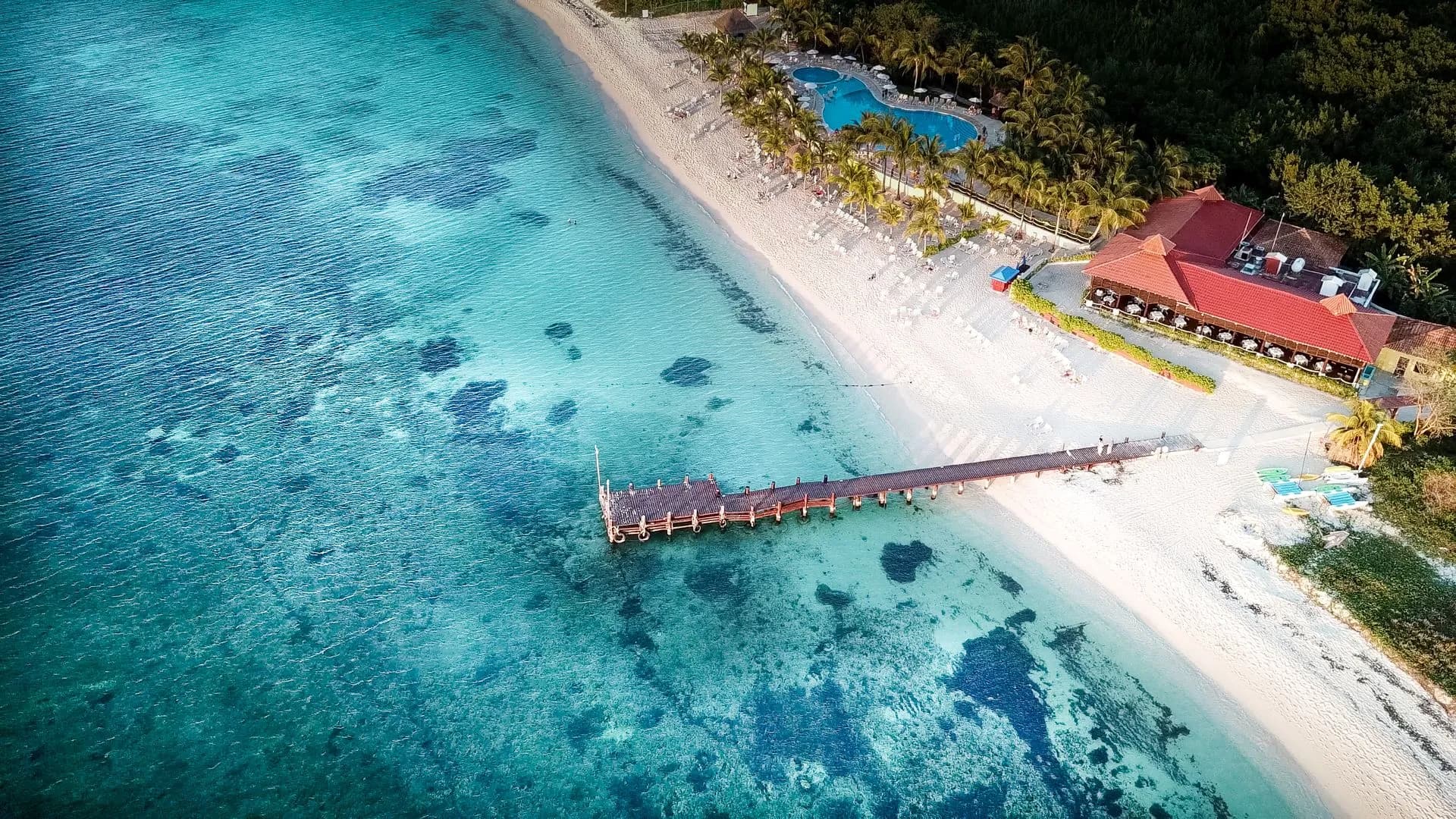
- The piers are controlled, tourist-oriented zones. Ships dock at Puerta Maya, the International Pier, and Punta Langosta, each with shopping, security, and taxi ranks. You step off the ship straight into a managed environment.
- Shore excursions are among the safest options. We'd book through the cruise line or a reputable local operator here, since those tours come with vetted guides and transport. The island's headline activities, reef snorkeling, the El Cielo sandbar, ATV and cenote runs, and beach clubs, are all well-established and problem-free. Browse current Cozumel tours in the widget above.
- San Miguel is walkable by day. The downtown waterfront and shopping streets near Punta Langosta are easy to explore on foot during port hours, which is when essentially all cruise visitors are ashore.
- The main port-day annoyances are minor. Overpriced taxis, timeshare and pharmacy touts, and crowded shops near the piers are the most common complaints, not safety threats. Agree on taxi fares before getting in, and a polite "no, gracias" handles the touts. Most people don't realize the biggest port-day friction on a multi-ship day is the taxi queue and the crowd at the piers, not safety, which an early-booked tour with its own transport sidesteps entirely.
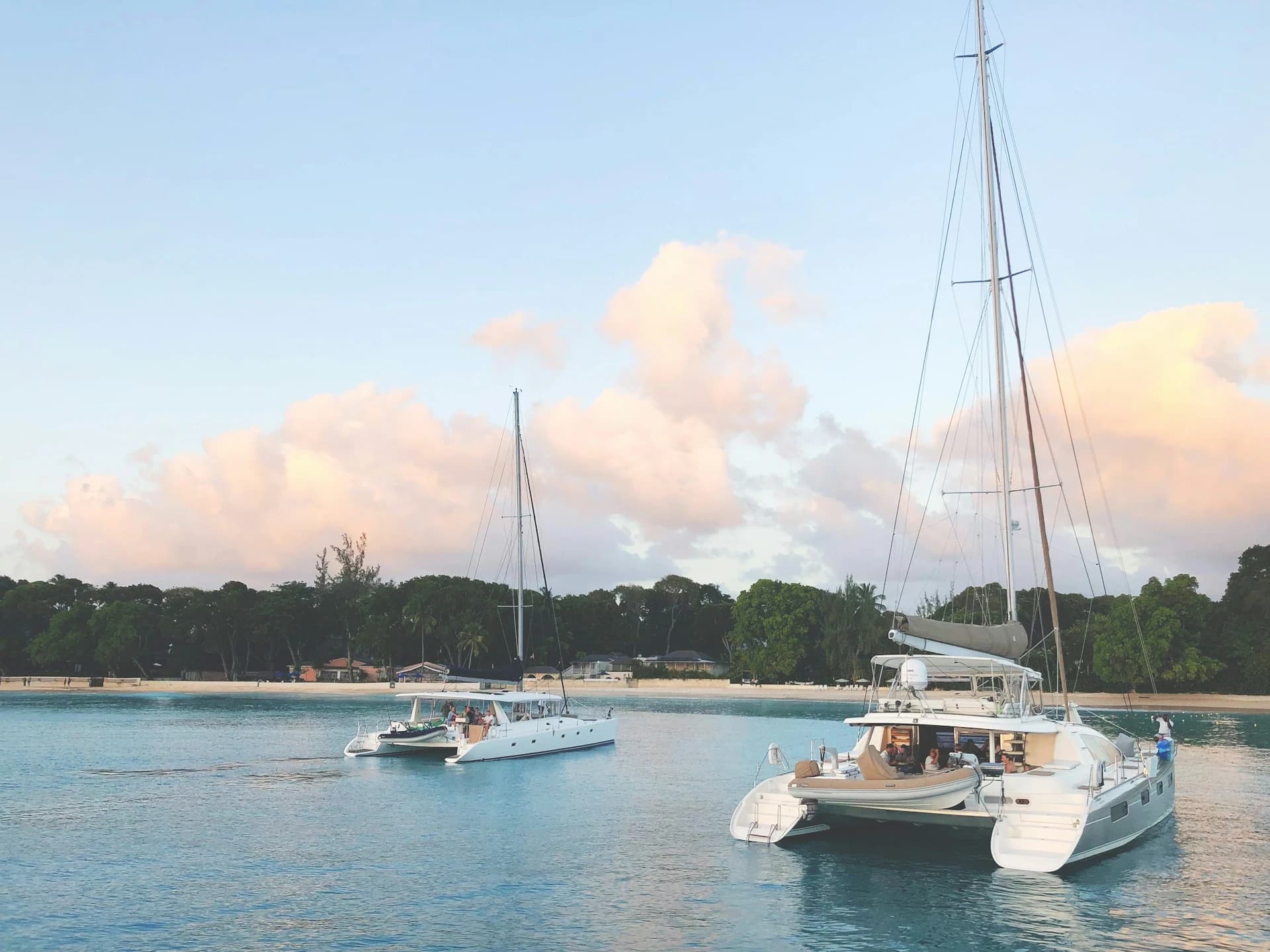
The one genuine safety topic on a Cozumel port day is the water, not crime. Book a reef or beach outing on the calm leeward side, and if you are diving, go with a certified operator. Our Cozumel catamaran and snorkel guide covers the leeward reef trips that fit a cruise window. Our Cozumel cruise port guide covers the piers and shore-excursion timing.
Cozumel Safety by Area: Quick Reference
| Area | Safety Level | Best Advice |
|---|---|---|
| San Miguel (downtown) | Generally safe | Walkable and relaxed by day; use normal crowd awareness near the piers |
| Cruise piers (Puerta Maya, International, Punta Langosta) | Generally safe | Controlled, patrolled zones; agree taxi fares before you ride |
| Leeward hotel and beach-club coast (Costera Sur) | Generally safe | Calm water and resort security; the main tourist base |
| North hotel zone | Generally safe | Quiet, resort-oriented; low risk |
| East (windward) coast | Safe to visit, not to swim | Dramatic surf and rip currents; enjoy the beach bars, do not swim where posted |
| Outer residential neighbourhoods | Use caution | No tourist interest or tourist-police coverage; little reason to go |
Cozumel vs Cancún vs Playa del Carmen vs Tulum: Safety Compared
All four destinations sit in the same state, Quintana Roo, under the same country-wide Level 2 advisory, so the official risk rating is identical. The practical differences come down to geography and how contained each one is, and this is where Cozumel stands out: being an island with a single small town and a cruise-driven economy, it is often considered the calmest and lowest-hassle of the four.
| Destination | Overall Safety | What Stands Out | Main Watch-Out |
|---|---|---|---|
| Cozumel | Generally safe; often rated the safest of the four | Island geography, one small town, very low crime, and a cruise-port economy built around visitor safety | The exposed east coast is for viewing, not swimming; strong currents on some dive sites |
| Cancún Hotel Zone | Generally safe | Barrier-island resort strip with controlled access and a dedicated tourist police force | Nightclub strip after midnight; rip currents on the open Caribbean coast |
| Playa del Carmen | Generally safe | Walkable Fifth Avenue corridor plus gated Playacar; strong daytime foot traffic | Nightlife around Calle 12 after midnight; Highway 307 disruptions |
| Tulum | Generally safe but more isolated | Relaxed beach-club and eco-hotel zone with a low-rise feel | Thinner police presence on the beach road and a longer, darker drive back at night |
We'd give Cozumel the edge for travelers who want the lowest-hassle base in the region. There is no long highway drive through town, no sprawling nightlife district, and the island's whole economy runs on keeping cruise and dive visitors happy and safe. For a first-time or safety-conscious traveler, or anyone weighing the island against the mainland, our Cozumel vs Playa del Carmen comparison covers the practical differences beyond safety, and our Cozumel in summer guide covers seasonal conditions.
Cozumel Water Safety: Currents, Beach Flags, and Diving
In reality, the single most important safety topic on Cozumel is the water, because it causes more tourist incidents than crime does. The island has two very different coasts, and knowing which is which is the key safety fact of a Cozumel trip.
Leeward (West) vs Windward (East) Coast
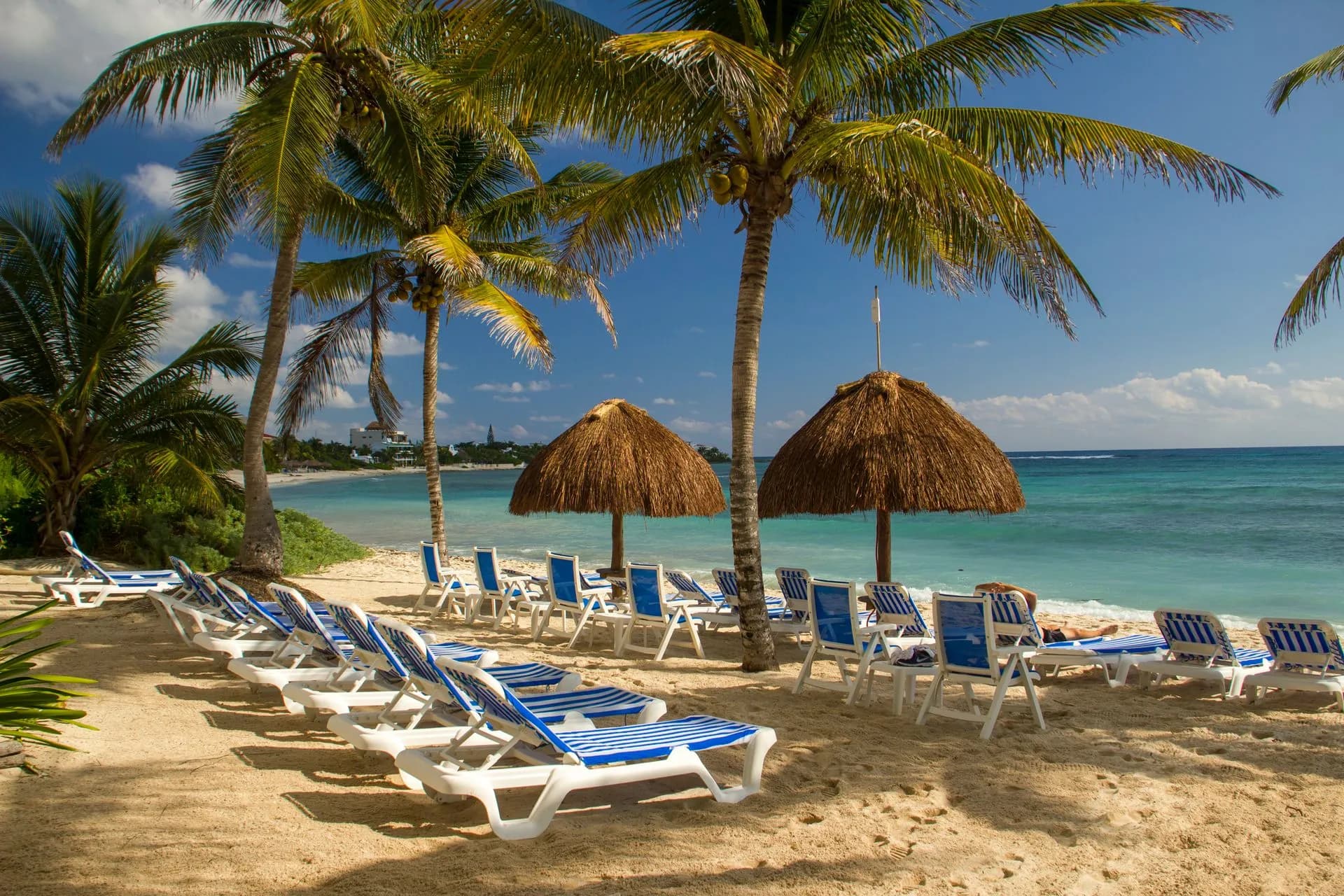
The developed leeward west and south coast, where the reefs, El Cielo, the beach clubs, and the hotels sit, faces the sheltered Cozumel Channel and is calm and swimmable. The wild windward east coast faces the open Atlantic, with powerful surf and rip currents. It is beautiful and worth visiting for the beach bars and views, but swimming there is dangerous and often signposted against; most drownings on the island happen when visitors swim on the east side or ignore posted warnings. The main tradeoff is that the east coast's beauty and its danger are the same thing: the open-Atlantic swell that makes it so photogenic is exactly what makes it unsafe to swim.
The Beach Flag System
Beach clubs and public beaches use a colour-coded flag system, updated based on conditions:
- Blue/Green flag: Calm, safe to swim. The norm on the leeward coast.
- Yellow flag: Caution: moderate currents or waves; confident swimmers only.
- Red flag: Dangerous conditions; do not swim. More common in tropical weather from June through November.
- Black flag: Beach closed, posted during severe weather.
Diving Safety
Cozumel is one of the world's great dive destinations, and its reefs are famous for drift diving, where the current carries you along the wall. That current is part of the appeal but demands respect: dive with a certified, insured operator, stay with your group and guide, watch your depth and air, and do your safety stops. Divers Alert Network (DAN) coverage is worth having, and the island has a recompression chamber. Reputable operators brief the current and match sites to your certification level. Our Cozumel catamaran and snorkel guide covers the calmer leeward snorkel options for non-divers.
ℹ️ Always check the flag at your beach access before swimming, and never swim on the east coast where posted. Conditions change quickly, especially from June through November.
Is Cozumel Safe During Hurricane Season?
Weather is the other thing people mean when they ask if Cozumel is "safe," and the honest answer is that hurricanes are a real but manageable seasonal factor, not a reason to avoid the island.
The Atlantic hurricane season runs June 1 through November 30, with the statistical peak from late August through October. A few things keep it in perspective:
- Direct hits are infrequent. The Yucatán is struck directly far less often than the six-month season implies, and most trips see nothing worse than a passing storm or a wet day.
- You get days of warning. Tropical systems are tracked well in advance by the National Hurricane Center, so there is time to adjust plans, and cruise lines reroute ships away from a threatened port days ahead.
- Book with a cushion. For travel from August through October, a refundable hotel rate and travel insurance that covers named storms are the sensible precautions.
Outside a named storm, the day-to-day summer and fall weather is just afternoon thunderstorms that pass quickly. For the month-by-month picture, our Cozumel in fall guide covers hurricane season in detail, and our Cozumel in summer guide covers the earlier, calmer months.
Medical Facilities in Cozumel: Hospitals and the Recompression Chamber
For a small island, Cozumel has notably strong medical infrastructure, a direct result of being a world diving destination. If something goes wrong, care is close.
- Hospitals. Cozumel has private hospitals in San Miguel, including Costamed Medical Center and the International Hospital, with intensive-care units, imaging, and 24-hour emergency service. Care is good, but as across Mexico, private treatment is billed upfront, which is why travel insurance matters.
- Hyperbaric (recompression) chambers. Because Cozumel is a diving capital, the island has multiple recompression chambers, including a modern multiplace chamber at Costamed that belongs to the Divers Alert Network (DAN) provider network, and the International Hospital, which opened Cozumel's first chamber back in 1987. That is dive-medicine infrastructure most small islands simply do not have.
- Ambulances. The hospitals run ambulance services on the island, with units on standby to reach the hotel zones and the marina quickly.
- Pharmacies. Pharmacies are plentiful in San Miguel and near the piers, and many medications sold by prescription elsewhere are available over the counter. Bring your own prescription essentials, and expect the usual pharmacy touts near the cruise piers.
The takeaway for divers especially: Cozumel is one of the better-equipped places in the Caribbean to handle a diving emergency, one more reason to dive with a certified, insured operator who knows the local system.
Is the Tap Water in Cozumel Safe to Drink?
Do not drink the tap water in Cozumel. As across most of Mexico, the tap water is chlorinated but not treated to a standard that is reliable for visitors, and locals do not drink it either. Sticking to bottled water is the simple rule, and it is an easy one to follow.
- Bottled water is everywhere and cheap. Restaurants, hotels, beach clubs, and convenience stores all sell it; use it for drinking and for brushing your teeth.
- Ice is generally fine. Restaurants, resorts, and beach clubs make ice from purified water, so ice in your drink at established venues is not a concern. At a small street stand, ask or skip it if you are unsure.
- Resorts and restaurants cook with purified water, so eating out is not the risk it is sometimes made out to be. The main thing to avoid is the tap itself.
Stomach upset among visitors is far more often about unfamiliar or richer food than the water at a reputable restaurant. Carry a reusable bottle, refill from the large purified jugs most hotels provide, and you will barely think about it.
Which Parts of Cozumel Require More Caution?
Accurate Cozumel safety advice is mostly about the water rather than any no-go neighbourhoods, because the island has very few areas of real concern. Here is what actually warrants caution.
Swimming on the East Coast
The windward east coast is the single biggest hazard on the island. The surf and rip currents are strong, lifeguards are scarce, and the beaches are remote. Visit for the scenery and the beach bars, but treat the water as off-limits for swimming unless a local operator explicitly says a specific cove is safe that day.
Late Night in Downtown San Miguel
San Miguel is safe and lively in the evening, but as in any town, the usual late-night precautions apply around the bars: stay with your group, watch your drink, and use a known taxi to get back. Incidents are uncommon, but ordinary awareness still matters after midnight.
Outer Residential Neighbourhoods
Away from the tourist coast and San Miguel's center, the island is residential, with no tourist interest and no tourist-police coverage. There is no compelling reason to visit these areas, and doing so adds risk without adding experience.
Taxis and Touts
Cozumel taxis do not use meters, and overcharging, especially from the cruise piers, is the most common tourist complaint. Agree on the fare before you get in, and carry small bills. Timeshare and pharmacy touts near the piers are persistent but harmless; a firm "no, gracias" is enough.
Is Driving in Cozumel Safe?
Yes, driving in Cozumel is generally safe and easy, and renting a Jeep or car is one of the best ways to see the island beyond the cruise zone. Cozumel has none of the highway-through-town issues of the mainland: a single coastal ring road loops the island, and San Miguel is a simple grid.
What to keep in mind:
- Roads are good on the developed side and along the ring road, though the paved surface narrows and gets rougher along stretches of the wild east coast.
- Watch for scooters and mopeds. Two-wheel rentals are popular and account for a disproportionate share of visitor accidents; if you rent one, wear the helmet and go slowly, especially if you are not an experienced rider.
- Mind the topes and pedestrians. Speed bumps (topes) appear with little warning in and around town, and downtown San Miguel is busy with pedestrians on cruise days.
- Avoid the cross-island and east-coast roads after heavy rain or at night. They are unlit, can flood, and have no services, so save the scenic loop for daylight.
- Confirm your rental insurance. Photograph any existing damage at pickup, and understand what the coverage includes before you drive off.
Unlike on the mainland, rental-car drivers on Cozumel rarely report the on-the-spot police fines that frustrate visitors elsewhere; the island is small, low-key, and easy to navigate. For a car-free trip, prearranged tours and taxis cover most of what visitors want to see.
From Our Experience
We've found the most underestimated risk on Cozumel isn't crime, it's the east coast water. The island is calm and low-crime almost everywhere a visitor goes, but the windward surf and rip currents are genuinely dangerous, and nearly every serious incident involving tourists traces back to swimming where the sea is open rather than to anything that happens in town.
Practical Cozumel Safety Tips for 2026
- Swim only on the leeward side, and heed the flags: the west and south coast is calm and safe; the east coast is for views, not swimming. A red or black flag is non-negotiable regardless of how the water looks.
- Dive with a certified, insured operator: Cozumel's currents make drift diving spectacular but demand respect. Stay with your guide, dive within your certification, and consider DAN coverage. The island has a recompression chamber if needed.
- Agree taxi fares before you ride: Cozumel taxis are unmetered, and overcharging from the piers is the top tourist gripe. Confirm the price first and carry small bills; it is a hassle issue, not a safety one.
- Book excursions through reputable operators: reef trips, ATV and cenote runs, and beach clubs booked through your cruise line or an established local operator come with vetted guides and transport, and are problem-free.
- Keep valuables minimal on port days: the piers and downtown get crowded on multi-ship days, so watch bags and phones in crowds and leave what you don't need on the ship or in the hotel safe.
- Use ATMs inside banks, hotels, or shopping centres: well-monitored machines near the piers and in San Miguel are safer than isolated streetside units, especially at night.
- Carry a photocopy of your passport: store the original in your hotel safe or keep it on the ship. Mexican law lets police request ID, but you are not required to surrender the original.
- Know your hotel or ship's contact and all-aboard time: your hotel's 24-hour desk or the ship's port agent is your first call if anything goes wrong, and building a comfortable buffer before all-aboard keeps a port day stress-free.
Getting to Cozumel Safely: Airport and Ferry
Most visitors reach Cozumel one of two ways: flying into Cozumel International Airport (CZM) on the island, or taking the passenger ferry across from Playa del Carmen. Both are straightforward and safe.
From the airport, we'd lean toward prearranged shuttles and the shared airport vans, which are the smoothest option; as with the taxis, agree any fare before you ride. The Playa del Carmen to Cozumel ferry is a 30 to 45 minute crossing that runs roughly hourly from the downtown pier, operated by established companies with a strong safety record; the crossing can be choppy in windy weather but is otherwise routine. Once on the island, prearranged tours and reputable operators keep the rest of the trip simple. Browse current island tours and transfers in the widgets above, and our Cozumel beach club day pass guide covers an easy, low-stress way to spend a first day on the calm leeward coast.
How We Researched This Guide
The Cancun Trip Insider team compiled this safety guide using current government advisory sources (U.S. State Department, Government of Canada, UK FCDO, and Australian Smartraveller), publicly reported crime and cruise-port information, and firsthand reports from travelers and cruise passengers who visited Cozumel in 2025 and 2026. We deliberately excluded generic content that applies the same risk assessment to all of Mexico. Cozumel's safety profile as an island cruise port is factually different from Mexico's northern border states, and conflating them misleads travelers. We also weighted water safety heavily, because on Cozumel it accounts for more tourist incidents than crime does. This guide is reviewed when advisory levels change or new information is published. Information was last verified in July 2026.
Frequently Asked Questions
Is Cozumel safe to travel to right now?+
Yes. Cozumel is considered one of the safest destinations in Mexico. It is a small island with a tourism-dependent community, very low violent crime, and Mexico's busiest cruise port, all of which support a strong visitor-safety record. The U.S. State Department rates its state, Quintana Roo, at Level 2: Exercise Increased Caution, the same level as many European countries. The main real risk is the water on the exposed east coast, not crime.
Is it safe to cruise to Cozumel right now?+
Yes. Cozumel is the busiest cruise port in Mexico, cruise lines call here daily year-round, and none have pulled it over safety. The piers and the tourist zones around them are secure and heavily trafficked, and a typical port day of reef snorkeling, a beach club, or downtown San Miguel is low-risk. Book shore excursions through your cruise line or a reputable operator, agree taxi fares upfront, and swim only on the calm leeward side.
What is the current US travel advisory for Cozumel?+
The U.S. State Department rates Mexico at Level 2: Exercise Increased Caution. Quintana Roo, the state where Cozumel is located, does not carry an additional elevated warning beyond the country-wide Level 2, and Cozumel is not flagged as high-risk. The advisory is updated regularly at travel.state.gov.
Are Cozumel beaches safe to swim in?+
On the leeward west and south coast, yes: the water is calm and the beach clubs are safe for swimming. The windward east coast is a different story, with strong surf and rip currents that make swimming dangerous, so it is best enjoyed for its scenery and beach bars rather than the water. Always check the posted beach flag: green or blue is safe, yellow is caution, and red or black means do not swim.
Is Cozumel safer than Cancún, Playa del Carmen, or Tulum?+
All four sit in Quintana Roo under the same country-wide Level 2 advisory, so the official rating is identical, but Cozumel is often considered the calmest and lowest-hassle of the four. As an island with one small town and a cruise-driven economy, it has very low crime and none of the sprawling nightlife or long highway drives of the mainland bases. Its main watch-out is water conditions on the east coast rather than anything in town.
Is Cozumel safe for solo female travelers?+
Yes, Cozumel is one of the more comfortable destinations in Mexico for solo female travelers, thanks to its small size, low crime, and walkable town. Standard precautions apply: stay in well-lit areas at night, keep your group in sight around the bars, do not accept drinks from strangers, and share your location with someone you trust. Most solo travelers report no concerns beyond the usual awareness for any busy beach destination.
Is diving in Cozumel safe?+
Yes, with a reputable operator. Cozumel is a world-class dive destination known for drift diving, where the current carries you along the reef wall. That current is part of the appeal but demands respect: dive within your certification, stay with your guide, watch your depth and air, and do your safety stops. Use a certified, insured operator, consider Divers Alert Network coverage, and know that the island has a recompression chamber if it is ever needed.
What should I avoid in Cozumel?+
Avoid swimming on the exposed east coast and never swim when a red or black flag is posted. Avoid getting into a taxi without agreeing the fare first, since taxis are unmetered and overcharging from the piers is common. Avoid flashing valuables in crowds on busy cruise days, and skip the outer residential neighbourhoods, which have no tourist interest. Most Cozumel issues trace back to the water or to taxi and tout hassles rather than crime.
Is driving in Cozumel safe?+
Yes. Driving in Cozumel is generally safe and straightforward. A single coastal ring road loops the island and San Miguel is an easy grid, with none of the highway-through-town problems of the mainland. Watch for topes (speed bumps), pedestrians downtown on cruise days, and rented scooters, which cause a disproportionate share of visitor accidents. Avoid the unlit cross-island and east-coast roads after heavy rain or at night.
Can you drink the tap water in Cozumel?+
No, do not drink the tap water in Cozumel. As across most of Mexico, it is chlorinated but not treated to a standard reliable for visitors, and locals do not drink it either. Use bottled water, which is cheap and available everywhere, for drinking and brushing your teeth. Ice at restaurants, resorts, and beach clubs is made from purified water and is generally safe.
Is Cozumel safe during hurricane season?+
Cozumel is generally safe to visit during hurricane season (June 1 to November 30), with the caveat that the risk of a storm is real from about August through October. Direct hits on the Yucatán are infrequent, tropical systems are tracked days in advance, and cruise lines reroute around threatened ports. For late-summer or fall travel, book a refundable hotel rate and travel insurance that covers named storms.
Affiliate note: Some links on this page are affiliate links. If you book through them, we may earn a small commission at no additional cost to you.