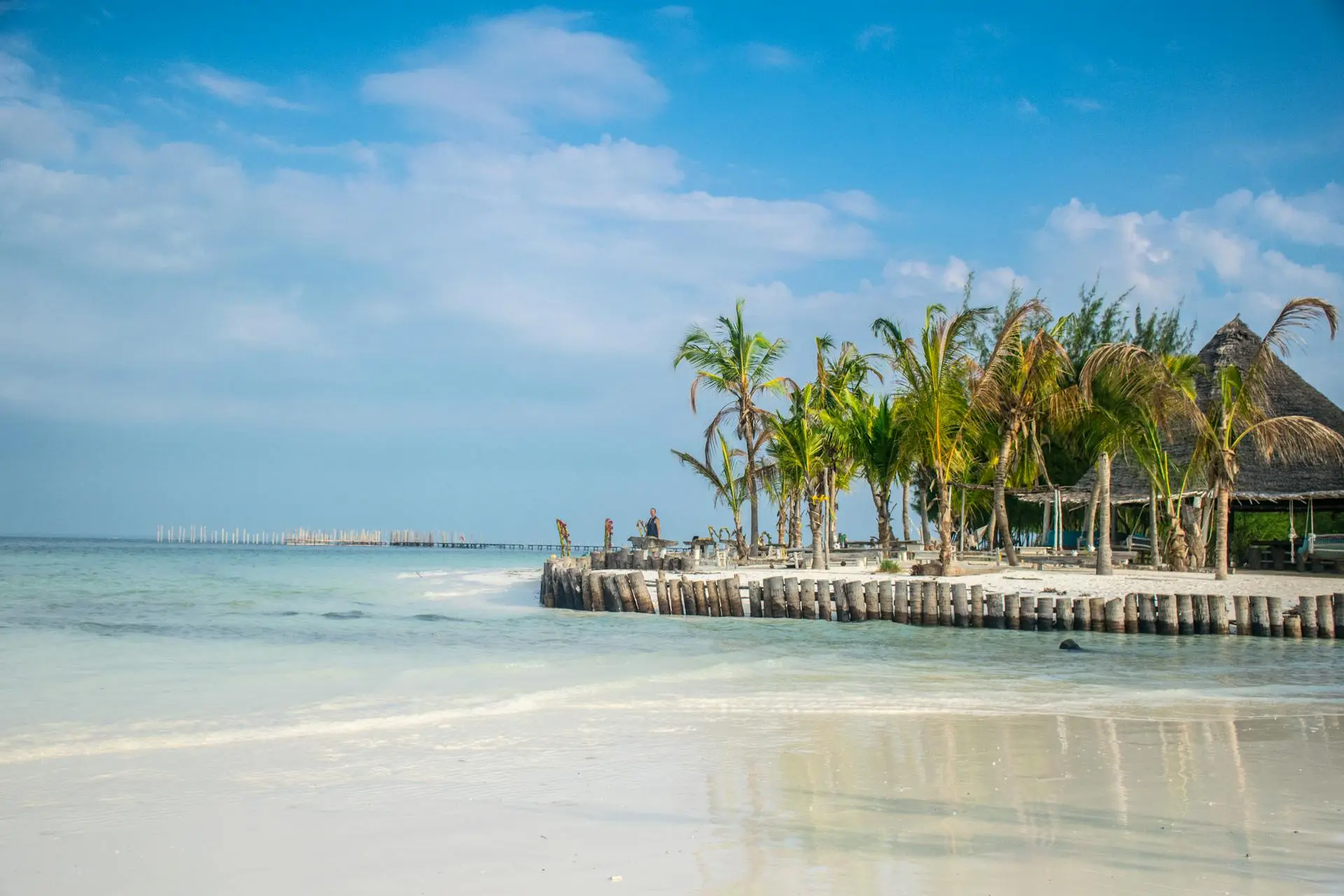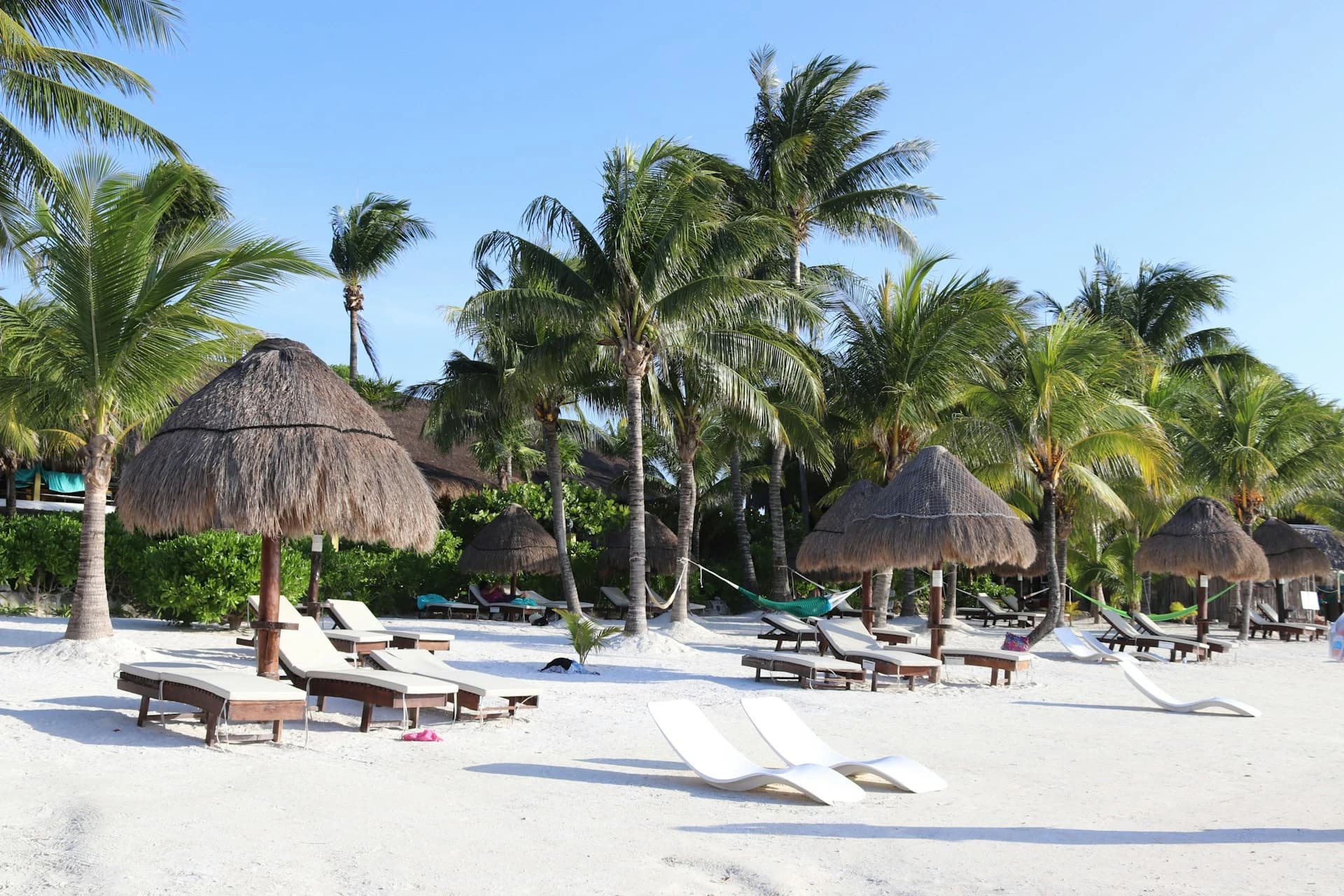
March is a transition month on Isla Holbox: warm dry-season weather, steadier winds that suit beginner kitesurfers, and the island still mostly clear of sargassum before the season builds late in the month. Crowds tick up around spring break, and whale sharks and bioluminescence remain off-season. Here is what to actually expect.
What You Should Know
- March is warm dry-season on Isla Holbox: daytime temperatures of 29 to 31°C (84 to 88°F), little rain, and still-low mosquito activity. It is a comfortable, reliable month before the summer heat and humidity arrive.
- March is the spring kitesurfing window. The strong Norte winds of winter ease into steadier, less gusty easterlies, which many schools consider the best conditions of the year for beginner lessons at Playa Las Nubes.
- Whale sharks and bioluminescence are not available in March. Both run in the warm-water season (whale sharks June to September; bioluminescence is strongest June to October). What March offers instead is wind sports, calm-morning kayaking, and beach days.
- The first sargassum of the year usually appears in late March, though Holbox is far less affected than the Caribbean coast. Crowds tick up around US spring break (mid-March); book lodging ahead if your dates fall in that window.
Isla Holbox in March: The Honest Picture
⭐ Best March window for Holbox: the first two weeks. You get warm dry-season weather, steadying winds that suit both kiters and calm-morning paddling, beaches still clear of sargassum, and lighter crowds before the spring-break uptick mid-month and the first seaweed of the year late in March.
| Factor | March Rating |
|---|---|
| Weather | 9/10 — warm, dry, reliable; minimal nortes |
| Crowds | 6/10 — spring-break uptick mid-month |
| Prices | 5/10 — peak dry season; spring-break bump |
| Beaches | 8/10 — clean early; first sargassum possible late March |
| Whale Sharks | 0/10 — not available (season: June–September only) |
| Bioluminescence | 2/10 — off-season; faint at best (peak June–October) |
| Mosquitoes & Bugs | 7/10 — still low, rising slightly with the warmth |
| Families | 8/10 — calm, safe, car-free island; warm water |
| Couples | 9/10 — warm evenings, clean beaches, superb sunsets |
💰 Average March hotel prices (Isla Holbox, mid-range boutique):
Early/late March: ~$220/night · Spring-break peak (mid-March): ~$280/night
Rough mid-range estimates; Holbox has limited boutique and posada supply, so rates vary significantly by property and booking lead time.
| Month | Crowds | Prices | Weather | Wind/Kite | Overall |
|---|---|---|---|---|---|
| February | 7/10 | 5/10 | 9/10 | 10/10 | 8 |
| March | 6/10 | 5/10 | 9/10 | 9/10 | 8 |
| April | 5/10 | 5/10 | 8/10 | 8/10 | 7 (sargassum building) |
Yes, Isla Holbox is a strong choice in March, with the familiar winter caveat plus one new variable. The caveat: whale sharks and bioluminescence are both warm-water phenomena, and neither is available in March, so if either is your main reason for the trip you want June through September instead. The new variable: March is when the island's two seasons start to hand off. The cold fronts of winter fade, the wind steadies into a spring pattern, and the first sargassum of the year typically appears in the back half of the month.
For most travelers, early-to-mid March is one of the most balanced windows of the year. Days are warm and dry, the water is warming up, and the steadier spring winds at Playa Las Nubes are exactly what beginner kitesurfers want, less gusty and more forgiving than the punchy Norte winds of January and February. Beaches are still clean and wide early in the month, and mosquitoes remain low. It is a genuinely comfortable, do-everything stretch before the summer heat, humidity, and seaweed arrive.
The honest caveats are about timing within the month. First, crowds: US spring break drives an uptick in mid-March, and while Holbox is far quieter and more laid-back than Cancún, the island is small, so the busier stretch is noticeable in restaurants and on the ferry. Second, sargassum: the Atlantic bloom typically begins reaching the Yucatán in late March. Holbox is much less exposed than the Caribbean coast because it faces the Gulf, but you may start to see some seaweed on the north shore late in the month. In our view, March suits travelers who want warm, reliable weather and the best beginner kite conditions of the year, and who book early in the month to stay ahead of both the crowds and the seaweed.
Holbox Weather in March: Temperature, Wind & Sea Conditions
| Metric | March |
|---|---|
| Avg High | 31°C (88°F) |
| Avg Low | 22°C (72°F) |
| Water Temp | 26°C (79°F) |
| Rain Days | ~3 |
| Humidity | Moderate |
| Wind | Moderate–High (Norte easing to spring easterlies) |
| Hurricane Risk | None (season runs June–November) |
Temperature and Humidity
March is warm and dry on Isla Holbox, a step up from the mild winter months but still short of the summer peak. Daytime highs typically reach 29 to 31°C (84 to 88°F) with moderate humidity that begins creeping up toward month's end. Evenings are pleasant at 22 to 23°C (72 to 73°F), warmer than January and February and rarely needing more than a light layer. The water warms to around 26°C (79°F), comfortable for extended swimming and snorkeling without a wetsuit. Summer jellyfish have not yet arrived, so open-water swimming on the north shore is unrestricted.
Wind and Cold Fronts
March is the transition in the island's wind season. The strong Norte cold fronts that define December through February fade and become infrequent, and the wind shifts toward a steadier easterly pattern boosted by daytime thermals. For kitesurfing, this is a meaningful change: the punchy, gusty winter wind gives way to more consistent, predictable conditions that many schools consider the best of the year for beginners. Experienced kiters still get plenty of wind, just less of the raw power of midwinter. The occasional late-season norte can still pass through early in the month, but disruptions to the Chiquila ferry and boat tours are rarer than in January and February.
Sea Conditions and the First Sargassum
Calm mornings remain the rule for kayaking, paddleboarding, and the three-island boat tour, with the breeze building through the afternoon. The notable March change is sargassum: the Atlantic bloom that affects the wider Caribbean typically begins reaching the Yucatán in the second half of March. Holbox is far less exposed than the east-facing Caribbean coast because it sits on the northern, Gulf-facing edge of the peninsula, but you may begin to see modest amounts of seaweed drift onto the north shore late in the month, especially on windy days. Early March is generally still clean.
| Month | Weather | Sargassum Risk | Whale Sharks | Wind/Kite | Best For |
|---|---|---|---|---|---|
| January–February | Dry, mild, nortes | Minimal | Not available | Peak (strong Norte wind) | Kitesurfing, quiet beaches |
| March | Warm, dry, nortes fading | Low; building late | Not available | Steadier (spring easterlies) | Beginner kite lessons, all-round conditions |
| April–May | Warm to hot, dry | Rising | Not available | Strong, steady | Kitesurfing; pre-summer beach days |
| June–Sept | Hot, humid, storms possible | Higher; jellyfish | Peak season | Light/variable | Whale sharks, peak bioluminescence |
| Oct–Nov | Wet→dry transition | Declining | Not available | Building | Quiet shoulder; biolum tail (Oct) |
Crowds and Prices in March: What to Expect
March demand is shaped by US spring break rather than a single holiday, so the busy stretch is broad and mid-month rather than a sharp spike.
Early March (March 1–10)
The start of the month is one of the best value-to-conditions windows of the spring: warm dry weather, steadying winds, clean beaches, and crowds still at off-peak levels before spring break builds. Room rates sit at standard peak-dry-season levels with no event premium. If your dates are flexible, early March is the sweet spot.
Mid-March Spring Break (March 11–24)
US spring break drives the busiest stretch of the month. Holbox is far quieter and more laid-back than Cancún, but the island is small, so the uptick shows in fuller restaurants, busier ferries, and firmer room rates. It is not a party-destination scene the way the Hotel Zone is; the vibe stays mellow. Still, if you want the quietest experience, bookend this window.
Late March (March 25–31)
Crowds ease back from the spring-break peak, though demand can stay elevated heading into Semana Santa (Mexican Holy Week), which in 2026 falls at the very end of March into early April. The weather stays warm and dry; the main late-month change is the first sargassum of the year beginning to appear on the north shore.
Hotel Pricing in March
Holbox runs on boutique hotels, beachfront cabañas, and posadas rather than large all-inclusive resorts, so supply is limited and rates stay firmer than visitors expect. March pricing tracks the peak dry season, with a mid-month spring-break bump and rising demand toward Semana Santa at month's end. For the best value, target the first ten days. Our best hotels in Isla Holbox guide covers ten luxury and ten budget properties with an interactive map of each zone of the island.
Whale Sharks and Bioluminescence in March: Are They Available?
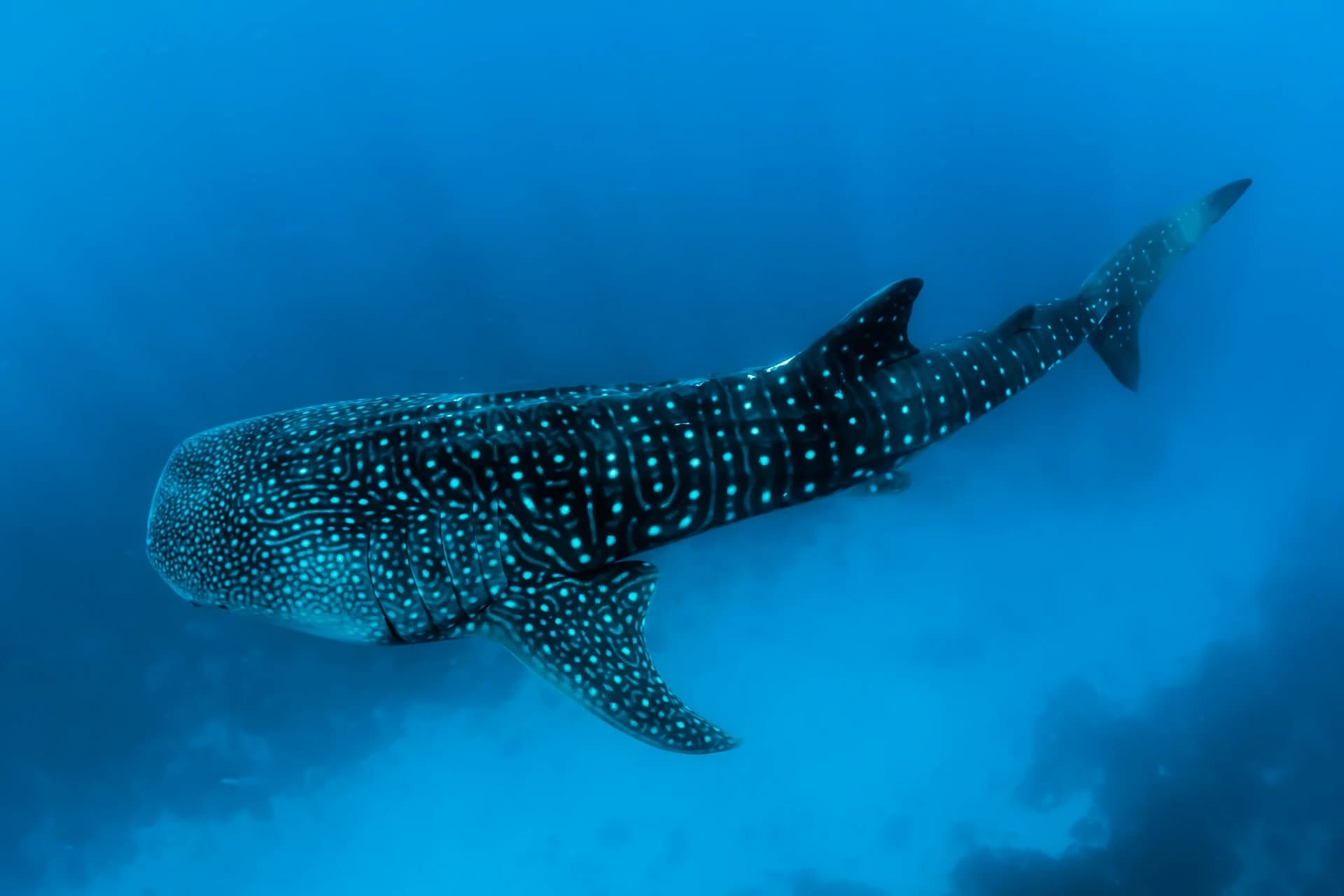
No to both. Whale shark season on Holbox runs June through September, peaking in July and August. The feeding aggregation in the Yucatán Channel is a warm-water, fish-spawn phenomenon that is not present in March. Bioluminescence follows the same warm-season pattern: the dinoflagellate plankton that produces the glowing blue trail is strongest from June through October and also requires a moonless night. In March, water temperatures are still climbing and any bioluminescence is faint at best. These are the two experiences Holbox is most famous for, and March is outside both windows, though it sits closer to the season opening than the depths of winter.
What March offers instead is the spring window for wind and water. Kitesurfing at Playa Las Nubes shifts into its most beginner-friendly conditions of the year as the steadier spring easterlies replace the gusty Norte wind. Calm mornings are ideal for the mangrove kayak tour through the Yum Balam reserve, and the three-island boat tour to Isla Pájaros, Cenote Yalahau, and the Punta Mosquito sandbar runs year-round, with flamingo numbers beginning to build as spring arrives. Most people don't realize the three-island tour gets better for birdlife as the season turns: the flamingos that are sparse in midwinter start returning to the lagoon in spring.
If whale sharks or bioluminescence are the reason for your trip, plan for the summer season and see our Holbox whale shark tour guide and bioluminescence tour guide for operators, timing, and the lunar calendar. If you are flexible on the wildlife and want warm, reliable weather with the best beginner kite conditions of the year, March is an excellent choice.
Beaches, Sargassum and Mosquitoes in March
March is the month the island's beach conditions begin to shift. Early March is still clean and uncrowded; the back half introduces the first sargassum of the year and slightly rising bug activity.
Beaches and Sargassum
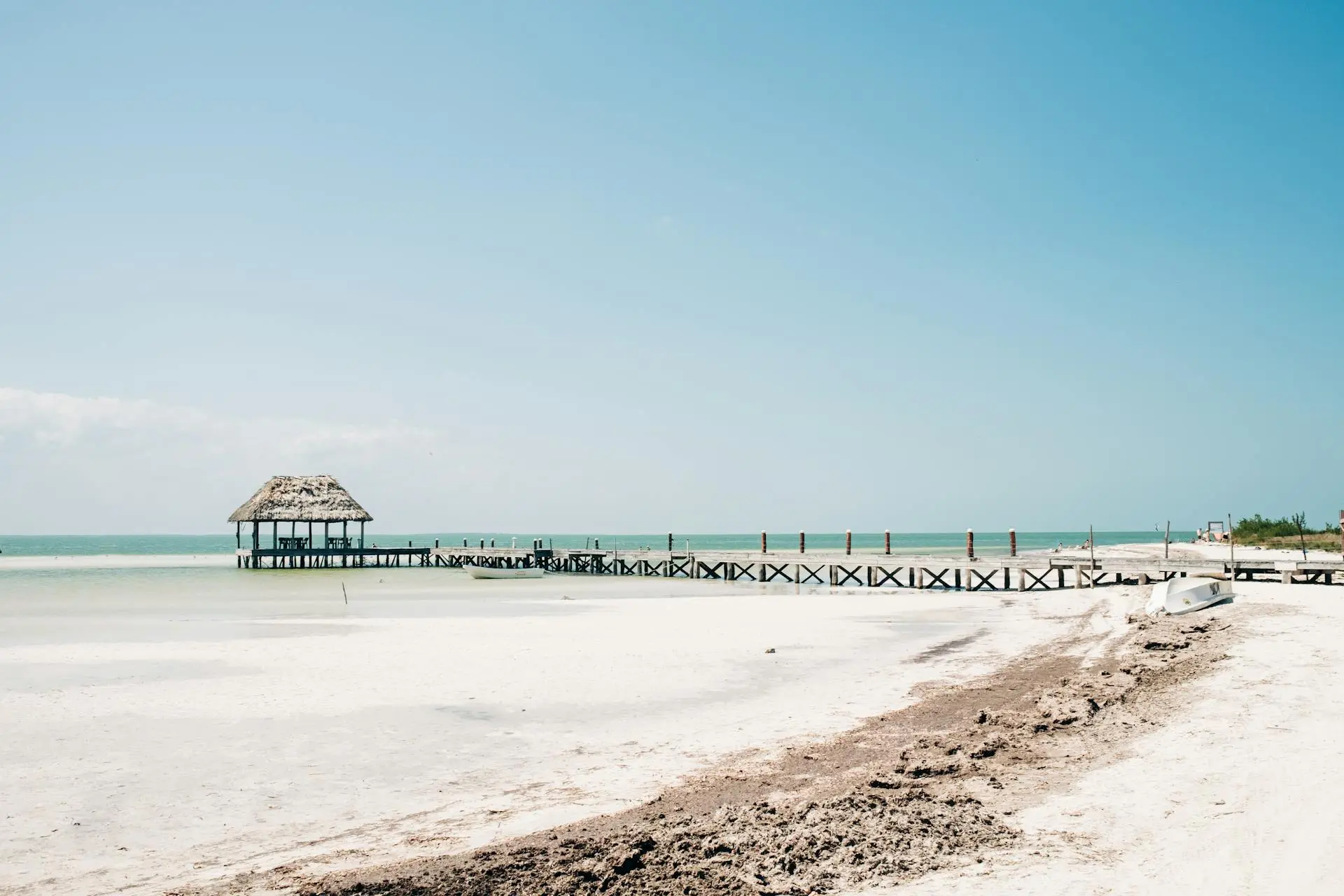
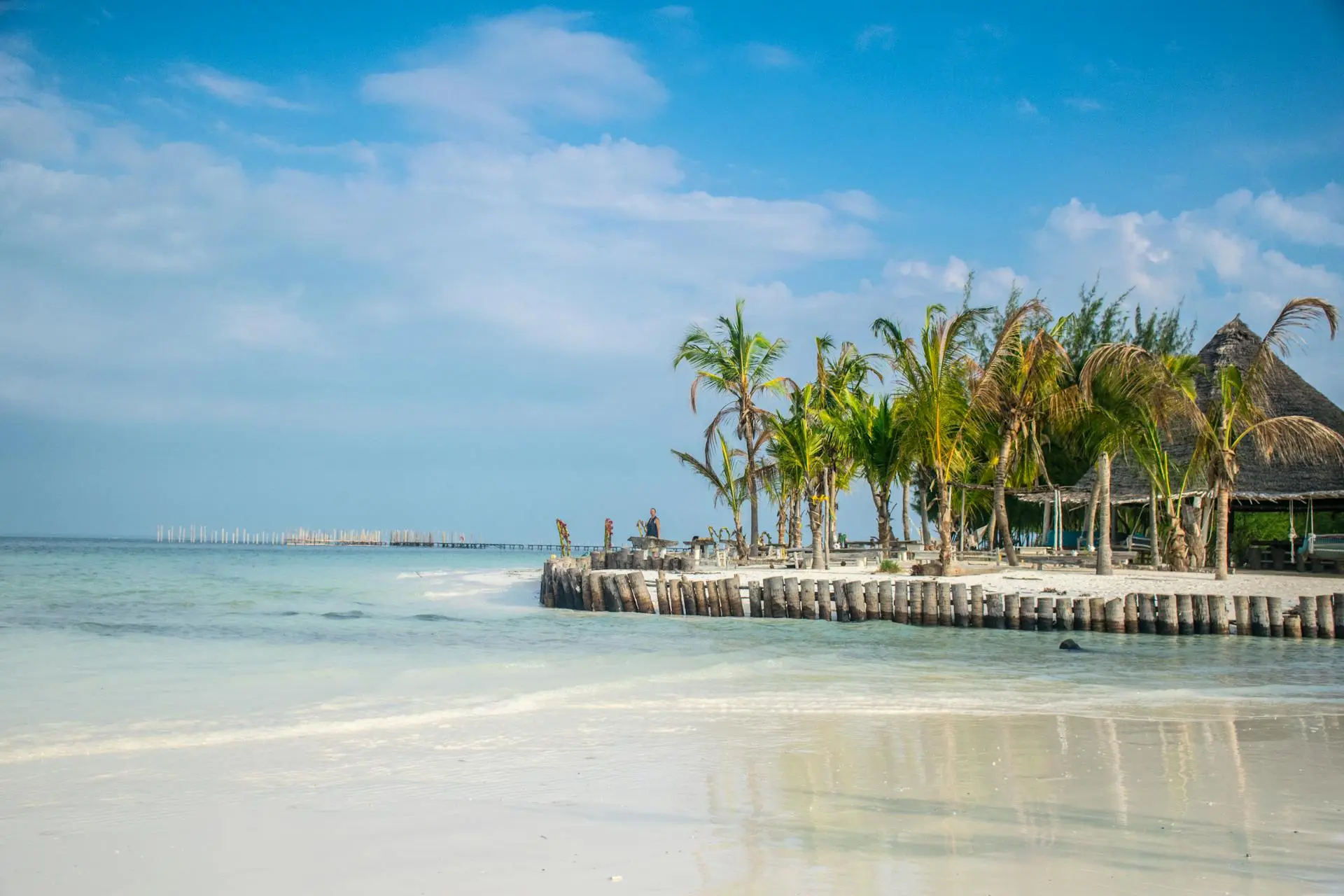
For most of March, Holbox beaches are clean, warm, and wide. The Atlantic sargassum bloom that affects the Caribbean coast typically begins reaching the Yucatán in the second half of March and builds through April toward its May-to-August peak. The crucial point for Holbox is exposure: the island sits on the northern, Gulf-facing edge of the peninsula, away from the currents that pile seaweed onto east-facing Caribbean beaches, so it consistently sees far less sargassum than Cancún or the Riviera Maya. In March you may notice modest amounts of seaweed drifting onto the north shore late in the month, particularly on windy days, but it is generally light and the Punta Mosquito sandbar and lagoon-side spots stay clear. Early March is the cleanest window.
Mosquitoes and Bugs
Holbox has a real reputation for mosquitoes and sand flies (locally jejenes), particularly near the mangroves at dawn and dusk in the warm, wet months. March is still a relatively low-bug month, though activity rises slightly from the winter minimum as temperatures climb. Dry air and steady wind continue to keep numbers down compared to summer. You should carry repellent for early-morning kayak departures and evenings near the lagoon, but March visitors are still far less affected than those who come between June and October. We'd pack a long-sleeve layer and repellent for dawn excursions; the mangrove edge is where bugs persist even in the dry season.
The Best Activities in Isla Holbox in March
March is a warm, do-everything month on Holbox. The wildlife headliners are still closed, but the spring winds make it the best beginner kite window of the year, and the warm water and clean early-month beaches suit every other activity on the island.
| Activity | March Rating | Best Time of Day | Notes |
|---|---|---|---|
| Kitesurfing (Playa Las Nubes) | 9/10 | Afternoon | Steadier spring easterlies; the best beginner window of the year |
| Mangrove Kayak Tour | 9/10 | Sunrise | Calm water, warm air, mosquitoes still low |
| Three Island Boat Tour | 9/10 | Morning | Year-round; flamingo numbers building as spring arrives |
| Fishing & Cabo Catoche Combo | 8/10 | Morning | Year-round; fewer norte cancellations than winter |
| Stand-Up Paddleboarding | 8/10 | Early morning | Flat lagoon water before the wind builds; warm and beginner-friendly |
| Beach Day & Punta Cocos Sunset | 9/10 | Late afternoon | Warm, clean beaches early month; the island's signature sunsets |
| Golf Cart Island Exploration | 9/10 | Anytime | Warm weather makes the whole car-free island easy to roam |
| Bird Watching (Yum Balam) | 8/10 | Sunrise | Flamingos and migratory birds returning as spring begins |
| Whale Shark Tour | N/A | Not available | Season: June–September only |
| Bioluminescence Tour | N/A | Not available | Strongest June–October on moonless nights |
Activities That Are Strongest in March
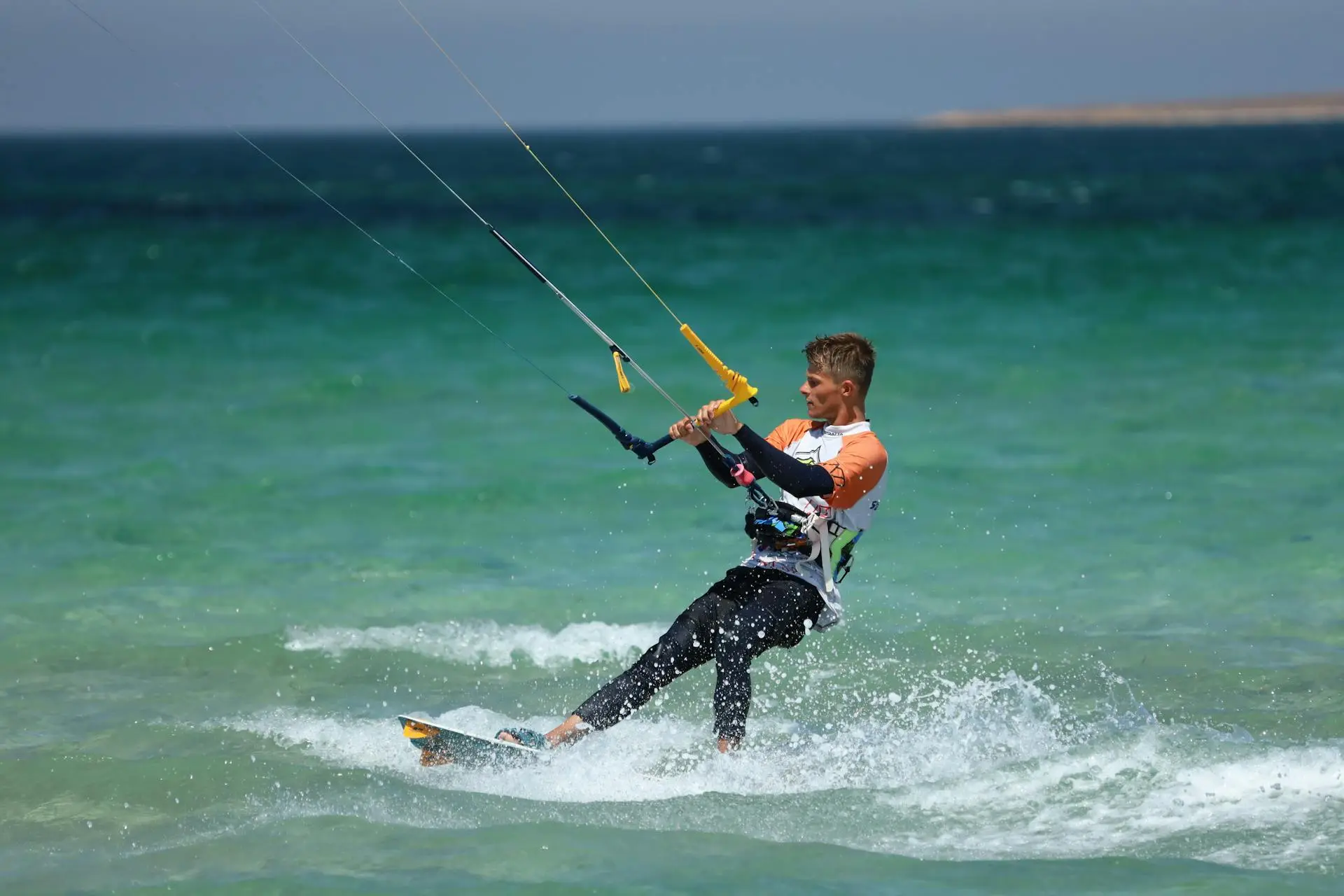
- Kitesurfing at Playa Las Nubes: March is the best month of the year to learn. As the gusty Norte winds of winter ease into steadier spring easterlies, the conditions become more consistent and forgiving, which is exactly what beginner lessons need. Two IKO-certified schools operate on the island, and the shallow, flat lagoon water means you can stand across most of the lesson area. Experienced riders still get reliable wind, just less of midwinter's raw power. Lessons include weather-refund policies.
- Three Island Boat Tour: March is when this year-round classic gets better. The tour visits Isla Pájaros, the freshwater Cenote Yalahau, and the Punta Mosquito sandbar, and as spring arrives the flamingo numbers on the lagoon start building back from their winter low. Calm morning crossings and warm water make it an easy highlight of a March trip.
- Mangrove Kayak Tour: The sunrise paddle through the Yum Balam mangroves is excellent in March: warm but not hot, calm water, returning birdlife, and mosquitoes still low. No experience is needed; routes are calm and shallow with double kayaks.
Year-Round Activities With March-Specific Notes
- Fishing and Cabo Catoche Combos: Shared and private charters run year-round to Cabo Catoche, combining fishing with a reef snorkeling stop. With the Norte fronts fading, March brings more reliably workable days than midwinter. Book with an operator who reschedules without penalty.
- Stand-Up Paddleboarding: Best in the calm early morning before the wind builds. The shallow, warm lagoon water is ideal for beginners. By afternoon the same wind that grounds paddlers is what the kiters are out chasing, so plan SUP for first light.
- Beach Days and Punta Cocos Sunsets: Warm March evenings and clean early-month beaches make the long, glowing sunsets from the western tip at Punta Cocos especially good. Bring a bike or golf cart for the walk out, and aim to arrive 30 minutes before sundown.
More March Activities Worth Knowing About
These activities do not yet have their own dedicated guides on this site, but they are popular and well-established on Holbox in March.
Snorkeling at Cabo Catoche
The shallow reef and seagrass flats at Cabo Catoche, on the mainland tip across from Holbox, are a popular snorkeling and fishing combo destination. March's warm water and calm mornings make for good visibility before the summer crowds and weed arrive. Most trips run as part of a fishing-and-snorkeling combo from the island pier.
Kitesurfing Gear Rental for Independent Riders
Beyond lessons, both island schools rent full kitesurfing equipment to riders who are already certified. March's steady spring winds make it a great month for independent sessions at Playa Las Nubes. Contact the schools directly to confirm gear availability and your experience level.
Tequila and Mezcal Tasting
Holbox's small bar scene leans into slow evenings, and a guided tequila or mezcal tasting is a relaxed way to spend a warm March night. The dry-season evenings are comfortable for walking the sandy main streets between venues. Most tastings are walk-up or same-day bookings through your hotel.
Street Art and Mural Walk
Holbox is known for its large-scale murals scattered through the village. A self-guided walk to find them is a perfect low-key March afternoon when the wind is up and you are off the water. Bring a camera and a golf cart or bike to cover the spread-out streets.
Birding and Flamingo Spotting
The Yum Balam reserve around Holbox is a year-round birding destination, and March is when it picks up. Flamingo numbers begin building back toward their spring and summer peak, and migratory birds move through the lagoon and mangroves. A sunrise kayak or the three-island tour gives the best vantage. Bring binoculars; some kayak operators provide them.
From Our Experience
What we consistently see with March trips is that the travelers who come in the first half of the month get the best of everything: clean beaches before the sargassum, lighter crowds before spring break, and the steady spring winds that make learning to kite genuinely enjoyable. If your dates are flexible, front-load March.
Tips for Visiting Isla Holbox in March
- Book early March for the cleanest beaches and lightest crowds: the first ten days come before the mid-month spring-break uptick and the first sargassum of the year. Weather, wind, and water are all excellent, and rates sit at standard peak-season levels with no event premium.
- March is the best month to learn to kitesurf: the steadier spring easterlies are more forgiving than winter's gusty Norte wind. If you have ever wanted to try, this is the window. Book the Discovery Course first to test the sport before committing to a multi-day package.
- Check sargassum conditions if you travel late in the month: Holbox is far less affected than the Caribbean coast, but the first seaweed of the year tends to appear on the north shore in late March. The lagoon side and Punta Mosquito sandbar stay clear; plan beach time accordingly.
- Book lodging ahead if your dates fall in spring break: mid-March is the busiest stretch, and the island's limited room supply tightens. Reserve earlier than you would for a winter trip in the same period.
- Bring repellent for dawn and dusk near the mangroves: March is still low for bugs, but activity rises slightly as it warms. A small bottle covers the sunrise kayak and lagoon evenings.
- Get to Chiquila with buffer time: ferries can be busier in spring break, and the 25-minute crossing fills up. Aim for an earlier ferry than you think you need, and remember the last crossing to the island is around 9:30 PM. Our how to get to Isla Holbox guide covers the full route from Cancún.
- Bring enough cash: Holbox runs heavily on cash, ATMs are limited and unreliable, and many small operators, beach concessions, and restaurants do not take cards. Carry pesos from the mainland, especially for tours, tips, and the Chiquila parking lot.
- Visiting at a different time of year? Our Isla Holbox in February guide covers the peak-wind winter month with the strongest kite conditions, and our April guide covers the warm, post-Easter shoulder, when crowds thin after Semana Santa and the sargassum continues building. If whale sharks or bioluminescence are your goal, see our Holbox whale shark tour guide (June–September) and bioluminescence tour guide (June–October). For the full island overview, our best things to do in Isla Holbox guide covers all activities with prices and seasons. For how March compares with the rest of the Holbox year, see our full guide to the best month to visit Isla Holbox.
How We Put This Guide Together
The Cancun Trip Insider team built this guide from operator data, seasonal availability records, regional wind and sargassum patterns for the northern Yucatán, and verified traveler review trends across Holbox's March activity categories. March is a transition month between the island's wind season and the start of sargassum, and we prioritized accurate framing of that handoff over promotional language: every claim about weather, wind, crowds, sargassum, and seasonal timing reflects documented patterns rather than best-case marketing. This guide was reviewed and updated in June 2026. March conditions on Holbox are generally consistent year to year, but the exact timing of spring break, Semana Santa, and the first sargassum varies, so we recommend confirming tour availability and beach conditions in the weeks before your trip. Every activity linked here has its own dedicated guide with operator comparisons and real review data.
Frequently Asked Questions
Is Isla Holbox good in March?+
Yes, March is a strong month, especially in its first half. You get warm dry-season weather (29 to 31°C / 84 to 88°F), warm water, low mosquito activity, and the steadiest spring winds of the year, which make it the best beginner kitesurfing window. The caveats are timing: US spring break brings a crowd uptick mid-month, and the first sargassum of the year usually appears on the north shore late in March, though Holbox is far less affected than the Caribbean coast. Whale sharks and bioluminescence remain off-season.
What is the weather like in Isla Holbox in March?+
March is warm and dry. Daytime highs reach 29 to 31°C (84 to 88°F) with moderate, rising humidity, and evenings are pleasant at 22 to 23°C (72 to 73°F). Rain is minimal. The winter cold fronts (nortes) fade and become infrequent, and the wind shifts to a steadier easterly spring pattern. The water warms to around 26°C (79°F), comfortable for extended swimming and snorkeling.
Can you see whale sharks or bioluminescence in Holbox in March?+
No. Whale shark season runs June through September, and bioluminescence is strongest June through October on moonless nights; both are warm-water phenomena not present in March. What March offers instead is the best beginner kitesurfing conditions of the year, calm-morning mangrove kayaking, the three-island boat tour with returning flamingos, and warm beach days. If whale sharks or bioluminescence are your goal, plan a summer trip.
Is there sargassum in Isla Holbox in March?+
Usually only late in the month, and far less than the Caribbean coast. The Atlantic sargassum bloom typically begins reaching the Yucatán in the second half of March and builds through April. Holbox sits on the northern, Gulf-facing edge of the peninsula, away from the currents that pile seaweed onto east-facing Caribbean beaches, so it consistently sees much less. Early March beaches are generally clean; you may see modest amounts on the north shore late in the month, while the lagoon side and Punta Mosquito sandbar stay clear.
Is March a good time to learn kitesurfing in Holbox?+
Yes, many schools consider March the best beginner window of the year. As winter's strong, gusty Norte winds ease into steadier spring easterlies, conditions become more consistent and forgiving, which is exactly what beginner lessons need. The shallow, flat lagoon water at Playa Las Nubes lets you stand across most of the lesson area, and two IKO-certified schools operate on the island with weather-refund policies.
How busy is Holbox during spring break?+
Busier than the rest of March, but far more laid-back than Cancún. US spring break drives the busiest stretch in mid-March, showing up as fuller restaurants, busier ferries, and firmer room rates. Because the island is small and car-free, the uptick is noticeable, but Holbox does not have a party-destination spring-break scene; the vibe stays mellow. Book lodging ahead if your dates fall mid-month, or bookend that window for a quieter trip.
What is the best week to visit Holbox in March?+
The first ten days. Early March delivers warm dry weather, steady beginner-friendly kite winds, clean beaches before the first sargassum, and lighter crowds before the mid-month spring-break uptick, all at standard peak-season rates with no event premium. Late March stays warm but brings more crowds heading into Semana Santa and the first seaweed of the year.
What activities are best in Holbox in March?+
Kitesurfing is the standout, with the steadiest spring winds of the year making it the best beginner window. The three-island boat tour improves as flamingos return to the lagoon, mangrove kayaking and stand-up paddleboarding are excellent in the calm warm mornings, and fishing charters run with fewer weather cancellations than winter. Beach days, golf-cart island exploration, and Punta Cocos sunsets round out the month. Whale shark and bioluminescence tours are the only major activities unavailable in March.
Affiliate note: Some links on this page are affiliate links. If you book through them, we may earn a small commission at no additional cost to you.