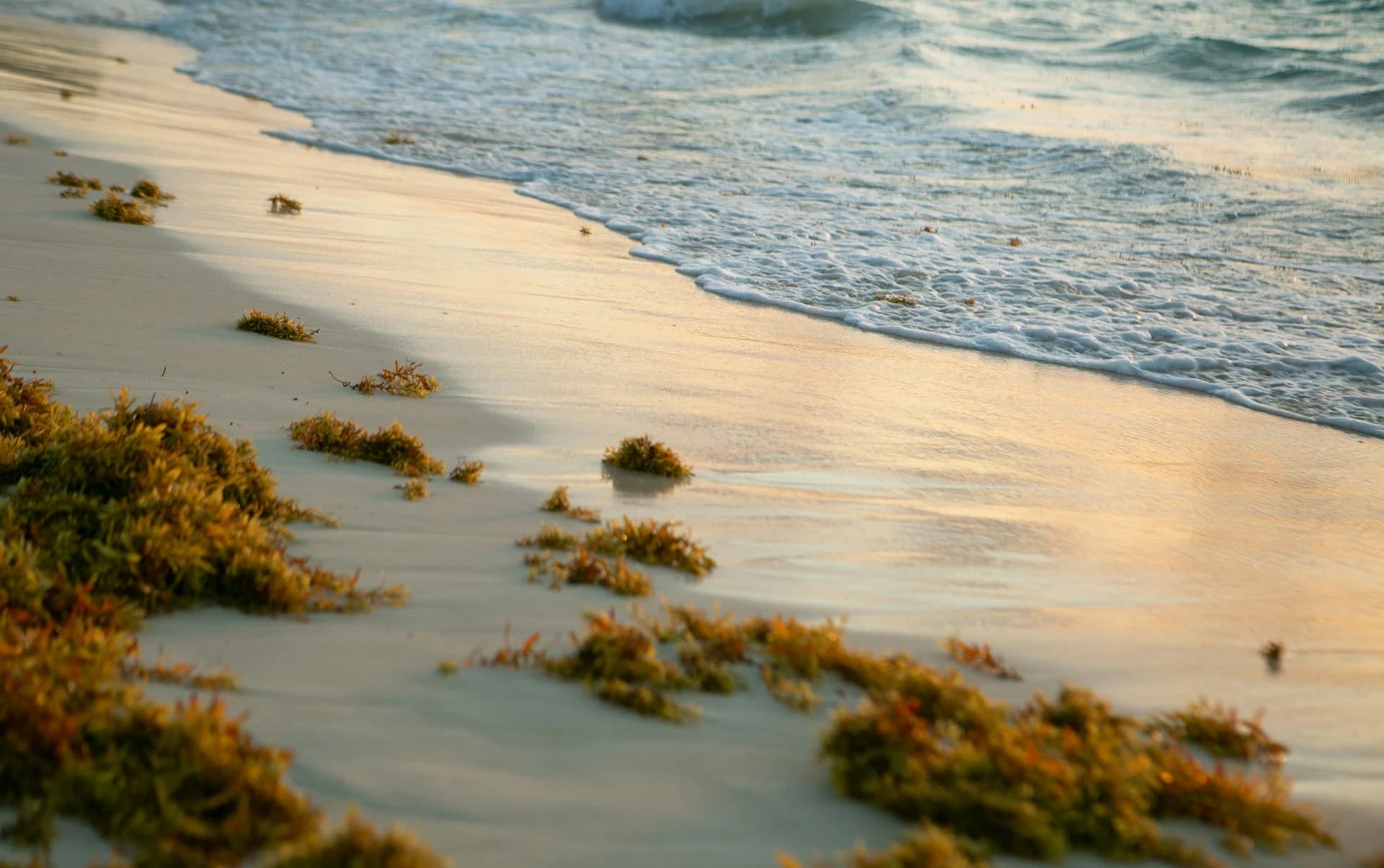
Isla Holbox faces the Gulf of Mexico, not the Caribbean, so it sits outside the main sargassum path and is one of the cleanest beach escapes in the region. This guide covers what you might actually see (often seagrass, not sargassum), the 2026 outlook, and how Holbox compares to the Caribbean coast.
What You Should Know
- Isla Holbox is one of the best sargassum escapes in the region: it faces north into the Gulf of Mexico, outside the Atlantic sargassum current that hits the Caribbean coast, so its main beaches stay far cleaner than Cancún, Playa del Carmen, or Tulum.
- What you do see on Holbox is usually natural seagrass and the shallow, sandy-bottomed water, not the heavy sargassum mats of the Caribbean side. The water is calm and clear, with sandbars at low tide.
- Holbox is not 100 percent immune: summer can bring some light sargassum and seagrass, milder than the Caribbean coast, and strong winds can push patches ashore. The clean season is November to April.
- The catch is access: Holbox is a 3 to 3.5 hour trip from Cancún airport plus a ferry, so it is a destination choice rather than a day-trip escape, but it rewards the effort with reliably clean water.
Does Isla Holbox Get Sargassum?
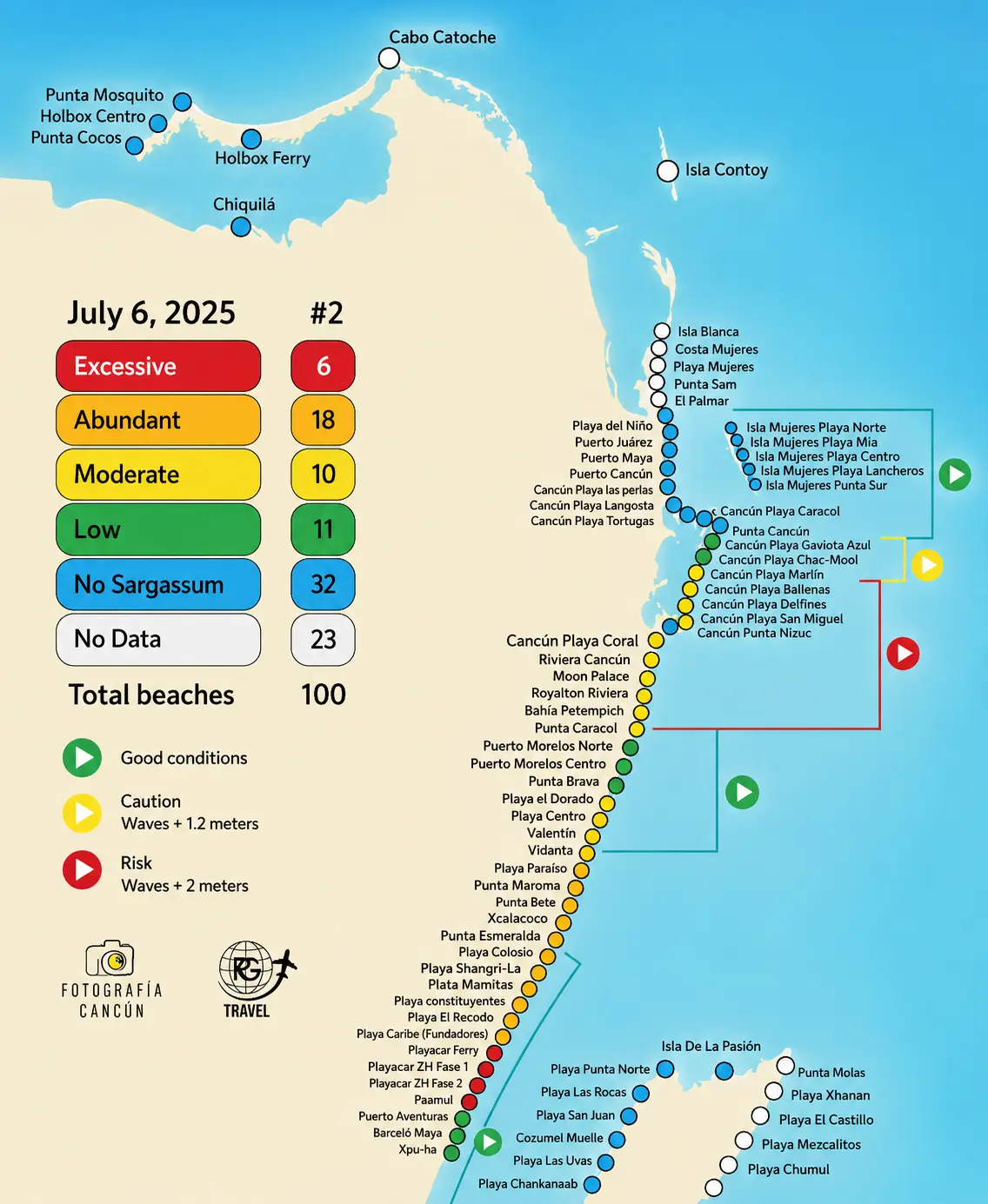
⭐ The short answer: Isla Holbox experiences very little sargassum compared with Cancún, Playa del Carmen, and Tulum. Because the island faces the Gulf of Mexico rather than the Caribbean Sea, it sits outside the main sargassum current path. Most visitors find clear beaches and only occasional light seagrass.
Does Isla Holbox have sargassum? Far less than the Caribbean coast, and that is down to one decisive fact: Holbox faces north, into the Gulf of Mexico, not east into the open Caribbean. The Great Atlantic Sargassum Belt that buries Tulum and Playa del Carmen each summer rides the Caribbean current along the east-facing coast; Holbox sits around the corner on the Gulf side, outside that current system. The island's main beaches, including the town beach, Punta Cocos, and Punta Mosquito, are structurally far less exposed, with shallow, clear, calm water that stays usable through the summer when the Caribbean beaches are covered.
The honest, complete answer adds nuance. Holbox is not a guaranteed zero: in the summer peak it can get some light sargassum and seagrass, and strong winds can push patches onto the sand, though it is consistently milder than the Caribbean coast. And what visitors see on Holbox is often natural seagrass and the island's shallow, sandy-bottomed water rather than the thick sargassum mats further south, which is a different thing entirely. This guide covers what you might actually see, which beaches stay clearest, the month-by-month pattern, the 2026 outlook, and how Holbox compares to the rest of the coast. For the wider seasonal picture, our guide to the best time to visit Isla Holbox weighs sargassum against weather, whale sharks, and crowds.
Best Places to Avoid Sargassum in Quintana Roo
| Destination | Sargassum Risk |
|---|---|
| Isla Holbox (Gulf-facing) | Very Low |
| Isla Mujeres (Playa Norte) | Very Low |
| Cozumel (west coast) | Very Low |
| Cancún | Moderate |
| Playa del Carmen | High |
| Tulum | Very High |
Isla Holbox Sargassum Today
🌊 Current assessment (mid-June 2026): The Mexican Caribbean is in peak sargassum season and 2026 is tracking as a record year, with the Caribbean coast (Tulum, Playa del Carmen) seeing heavy landings. Holbox, on the Gulf side, is in far better shape: its north-facing beaches remain largely clear, with the usual summer mix of light seagrass and the shallow, sandy water the island is known for. Expect this pattern through the summer; Holbox stays one of the cleaner beach choices even as the Caribbean coast peaks.
Latest beach photos: for same-day, dated photos, live satellite tracking, and current Holbox beach conditions, use the live sources listed in the tracking section below. Most regional trackers focus on the Caribbean coast, where the problem is; Holbox is rarely flagged.
Last reviewed: June 2026. We update this assessment periodically; conditions can change with the wind, so confirm close to your travel dates. If you are checking the Isla Holbox seaweed today for a specific date, the live trackers are more accurate than any seasonal average.
Isla Holbox Seaweed vs Sargassum vs Seagrass
If you are searching for Isla Holbox seaweed, Holbox algae, or Holbox seaweed reports, it helps to separate three things. Travelers searching for Holbox seaweed reports are often surprised to learn that much of what they see is natural seagrass rather than true sargassum. Sargassum (sargazo) is the brown Atlantic algae that piles up and rots on the Caribbean's east-facing beaches; that is the heavy seaweed problem, and Holbox gets far less of it than the Caribbean coast because it faces the Gulf. Seagrass is a normal, living part of Holbox's calm, shallow ecosystem, and a little of it washing up or visible on the sandy bottom is natural, not the sargassum problem. And the island's famously shallow, sandy water can simply look different from the deep turquoise further south.
So whether you call it the Holbox seaweed season, sargassum season, or algae, the practical takeaway is the same: Holbox is among the cleanest beach options on this coast, what little washes up is usually light, and any Holbox seaweed forecast follows the same regional satellite data covered below. If you have read that Holbox has a seaweed problem, it is far smaller than the Caribbean side, and often it is seagrass rather than sargassum.
Holbox's beaches all face north and west into the Gulf and the sheltered lagoon side, which is why the whole island sits in the low-risk tier. There is far less variation here than on the Caribbean coast, but a few spots are worth knowing. Holbox water quality is generally good year-round, with shallow, calm, clear shallows, though the sandy bottom can briefly cloud the water when stirred up by wind or boats, which is normal and not sargassum.
| Beach / Area | Sargassum (Seaweed) Risk |
|---|---|
| Main town beach (north) | Very Low |
| Punta Cocos (west tip) | Very Low |
| Punta Mosquito (east sandbar) | Low |
Main town beach
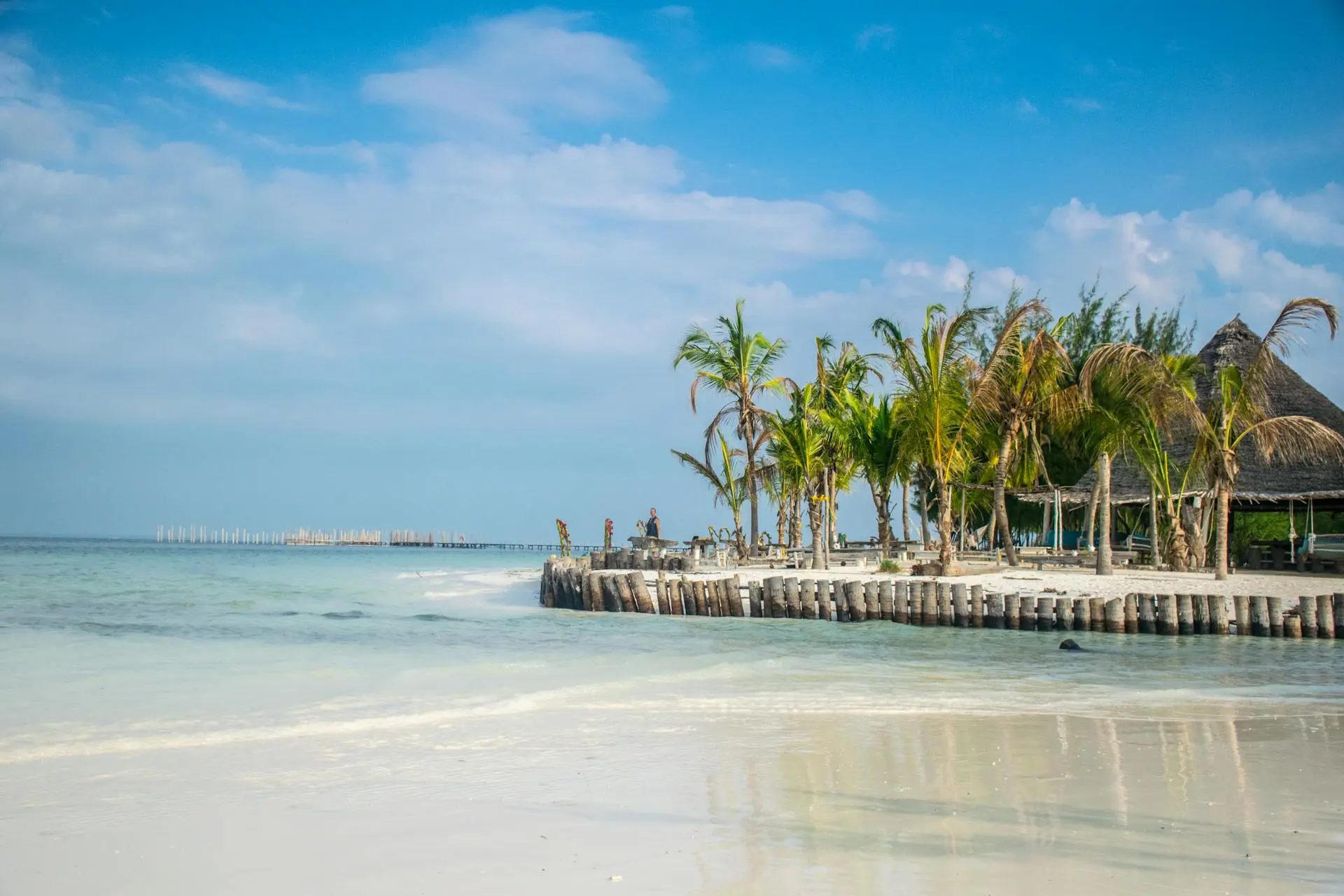
The long north-facing beach in front of town is shallow, calm, and clear, with sandbars exposed at low tide. It is the island's main swimming and sunset spot and stays among the cleanest beaches anywhere on this coast through the year.
Punta Cocos
The quieter west tip of the island faces the sheltered side and is a favorite for sunsets and bioluminescence at night. Like the main beach, it sits well outside the sargassum path and stays clear.
Punta Mosquito
The east-end sandbar, known for flamingos and its shallow lagoon, faces slightly more toward the channel, so it is the spot most likely to see a little seagrass or light sargassum on a windy day, though still far milder than the Caribbean coast.
Isla Holbox Sargassum Month by Month
Holbox's calendar is far flatter than the Caribbean coast's: the island stays low-risk all year, with only a slight uptick in the summer. The dry season (November to April) is the cleanest, and it overlaps with the best weather and the kitesurfing winds.
| Month | Typical Level | What to Expect |
|---|---|---|
| January | Minimal | Clean dry-season beaches; peak kitesurfing winds |
| February | Minimal | Among the cleanest and most reliable months |
| March | Minimal | Clean; the first light seagrass possible late in the month |
| April | Minimal to low | Still clean; whale shark season approaches |
| May | Low | Whale shark season opens; some light seagrass possible |
| June | Low | Caribbean coast peaks; Holbox stays far milder, with light seagrass |
| July | Low | Peak whale shark month; beaches still hold up well |
| August | Low | Summer mix of light seagrass; still cleaner than the mainland |
| September | Low | Whale shark season winds down; rainy season, light seagrass possible |
| October | Minimal to low | Easing back toward dry-season clarity |
| November | Minimal | Clean again; Norte winds and kitesurfing return |
| December | Minimal | Clean through the holidays |
ℹ️ Levels are far lower than the Caribbean coast year-round. What appears in summer is usually light seagrass rather than the heavy sargassum mats further south. Check live conditions close to your dates.
2026 Isla Holbox Sargassum Forecast
2026 is a heavy, possibly record, sargassum year across the Mexican Caribbean. The University of South Florida's Optical Oceanography Lab, which tracks the bloom by satellite, recorded the Great Atlantic Sargassum Belt at a record 37.5 million tons in 2025 and reported it growing further into 2026, and authorities have estimated up to roughly 130,000 tons could reach Quintana Roo's beaches over the season. Almost all of that lands on the east-facing Caribbean coast, not on Holbox.
For Holbox, even a record Caribbean year mostly stays on the other side of the peninsula. The Gulf-facing beaches are not part of the Atlantic current system, so the island remains one of the cleaner beach choices on the coast through the 2026 peak. Our take: a heavy year is exactly when Holbox's geography pays off. The realistic expectation is light summer seagrass rather than the daily sargassum landings the Caribbean coast faces. For the satellite data behind the regional forecasts, the University of South Florida Optical Oceanography Lab publishes regular outlook bulletins.
Isla Holbox vs the Caribbean Coast for Sargassum
For avoiding sargassum, Holbox is in the top tier alongside Cozumel's west coast and Isla Mujeres' Playa Norte, and far ahead of the open Caribbean beaches. The difference is structural: Holbox faces the Gulf, Cozumel's developed coast and Isla Mujeres' Playa Norte face their sheltered west sides, while Playa del Carmen and especially Tulum face the open Atlantic current head-on. If a clean beach is the priority in the summer peak, those four sheltered spots are the answer.
The trade-off is access and pace. Holbox is the farthest of the clean options, a 3 to 3.5 hour trip from Cancún airport plus a ferry, and it is a slow, car-free, boutique island rather than a resort strip, so it suits a different kind of trip. For how it stacks up against the other clean island, see our Isla Holbox vs Isla Mujeres guide. And for the mainland conditions you are escaping, our Cancún, Playa del Carmen, and Isla Mujeres sargassum guides cover the rest of the coast.
From Our Experience
What we consistently see is that Holbox is the destination people choose specifically to avoid the sargassum problem, not to manage it: its Gulf-facing beaches stay clean through the summer when the Caribbean coast is covered, so the real planning question is whether the slower pace and longer journey suit your trip, not whether the beach will be usable.
How to Plan Your Isla Holbox Trip Around Sargassum
- Holbox is a base, not a day trip: the 3 to 3.5 hour journey plus ferry makes it a destination choice. Our guide to getting to Holbox from Cancún covers every transfer option.
- Any month works for clean beaches: Holbox stays low-risk year-round, but November through April is the cleanest and pairs with the best weather and kitesurfing winds.
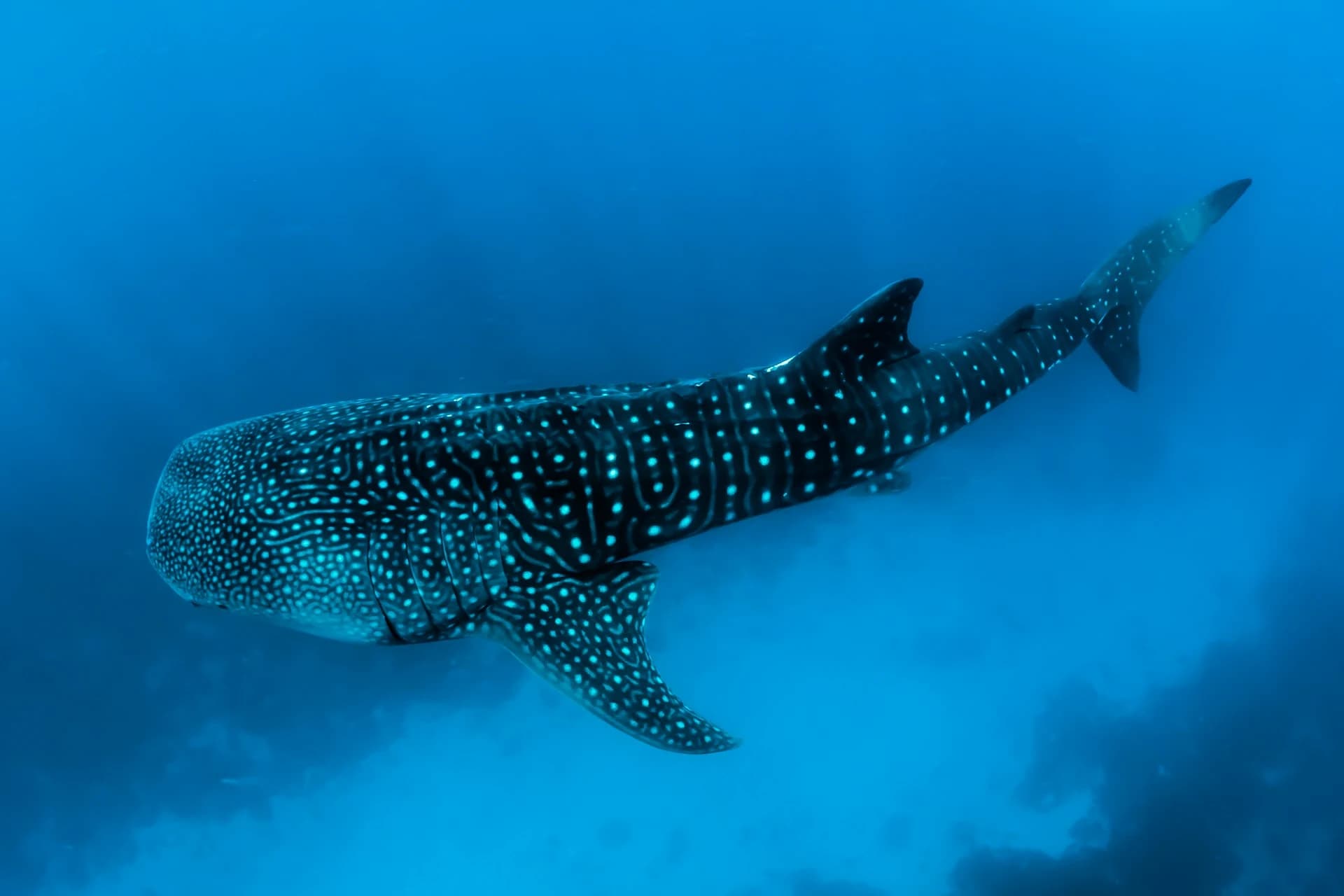
- Whale shark season is still clean: the mid-May to mid-September whale shark season overlaps with the Caribbean sargassum peak, but Holbox's beaches hold up far better, so you do not have to trade one for the other.
- Expect shallow, seagrass-dotted water, not a sargassum problem: Holbox's calm, sandy-bottomed shallows look different from the deep Caribbean turquoise. A little seagrass is natural and not the heavy sargassum of the mainland.
- Punta Cocos and the main beach are your cleanest bets: both face the sheltered side; the east sandbar at Punta Mosquito is the most likely to catch a little on a windy day.
- Choose where to stay on the beach side: our Isla Holbox hotels guide covers the beachfront options along the clean north shore.
- Check live conditions before you go: regional trackers and recent beach photos confirm the latest, though Holbox is rarely the beach in the seaweed reports.
How to Track Isla Holbox Sargassum Before You Go
Holbox is rarely the focus of sargassum reports, since the problem is concentrated on the Caribbean coast, but it is still worth a quick check close to your trip. A few sources work well:
- Satellite outlooks: the University of South Florida Optical Oceanography Lab publishes regular sargassum outlook bulletins for the Atlantic and Caribbean, which show where the bloom is and where it is headed.
- Recent beach photos: regional sargassum-monitoring sites and Facebook groups occasionally post Holbox photos, and island hotel and tour social media often show the actual beach in the past few days.
- Recent guest reviews: because Holbox stays clean most of the time, recent reviews are a reliable read on whether any light seagrass is around.
For how Holbox fits into the wider coast and when to visit, our best time to visit Isla Holbox guide sets sargassum alongside weather, whale sharks, and crowds.
Frequently Asked Questions
Does Isla Holbox have sargassum?+
Far less than the Caribbean coast. Holbox faces north into the Gulf of Mexico, outside the Atlantic sargassum current that hits the east-facing Caribbean beaches, so its main beaches stay among the cleanest in the region. It is not a guaranteed zero, summer can bring some light sargassum and seagrass, but it is consistently milder than Cancún, Playa del Carmen, or Tulum.
Why does Isla Holbox get less sargassum than Cancún or Tulum?+
Geography. Sargassum rides the Atlantic and Caribbean currents onto east- and south-facing beaches like Tulum and Playa del Carmen. Holbox sits on the Gulf of Mexico side of the peninsula, around the corner from that current system, so the heavy rafts mostly never reach it. Its shallow, calm, north-facing water stays clear when the Caribbean coast is covered.
Is the seaweed on Holbox sargassum or seagrass?+
Often seagrass. Holbox's calm, shallow, sandy-bottomed water has natural seagrass that is a normal part of the ecosystem, not the heavy brown sargassum that rots on Caribbean beaches. Holbox does get some light true sargassum in summer, but far less than the mainland, and a lot of what visitors notice is seagrass and the island's shallow water rather than a sargassum problem.
When is sargassum worst on Isla Holbox?+
If any appears, it is during the summer (roughly June to September), the same window as the regional peak, usually as light seagrass rather than heavy mats. The dry season, November through April, is the cleanest and also brings the best weather and the kitesurfing winds. Even at the summer peak, Holbox stays far milder than the Caribbean coast.
Is Isla Holbox better than Cancún or Tulum for avoiding sargassum?+
Yes, clearly. Holbox's Gulf-facing beaches are in the top tier for staying clean, alongside Cozumel's west coast and Isla Mujeres' Playa Norte, and far ahead of Playa del Carmen and especially Tulum, which face the open Atlantic. The trade-off is the journey: Holbox is a 3 to 3.5 hour trip from Cancún airport plus a ferry, so it is a destination choice rather than a quick escape.
Can you swim at Isla Holbox in summer during sargassum season?+
Yes. Holbox's north-facing beaches stay largely clear through the summer, so swimming in the shallow, calm water is fine even when the Caribbean coast is dealing with heavy sargassum. The water is shallow with sandbars and some natural seagrass, which is part of the island's character rather than a sargassum problem.
Is Isla Holbox sargassum-free?+
Close to it, but not technically guaranteed. Holbox's Gulf-facing position keeps it outside the main sargassum path, so it is one of the most reliably clean beach destinations on the coast. In a heavy year like 2026 it can still see some light summer sargassum and seagrass, but nothing like the daily landings on the Caribbean side, so for practical purposes it is as close to sargassum-free as the region gets.
Affiliate note: Some links on this page are affiliate links. If you book through them, we may earn a small commission at no additional cost to you.