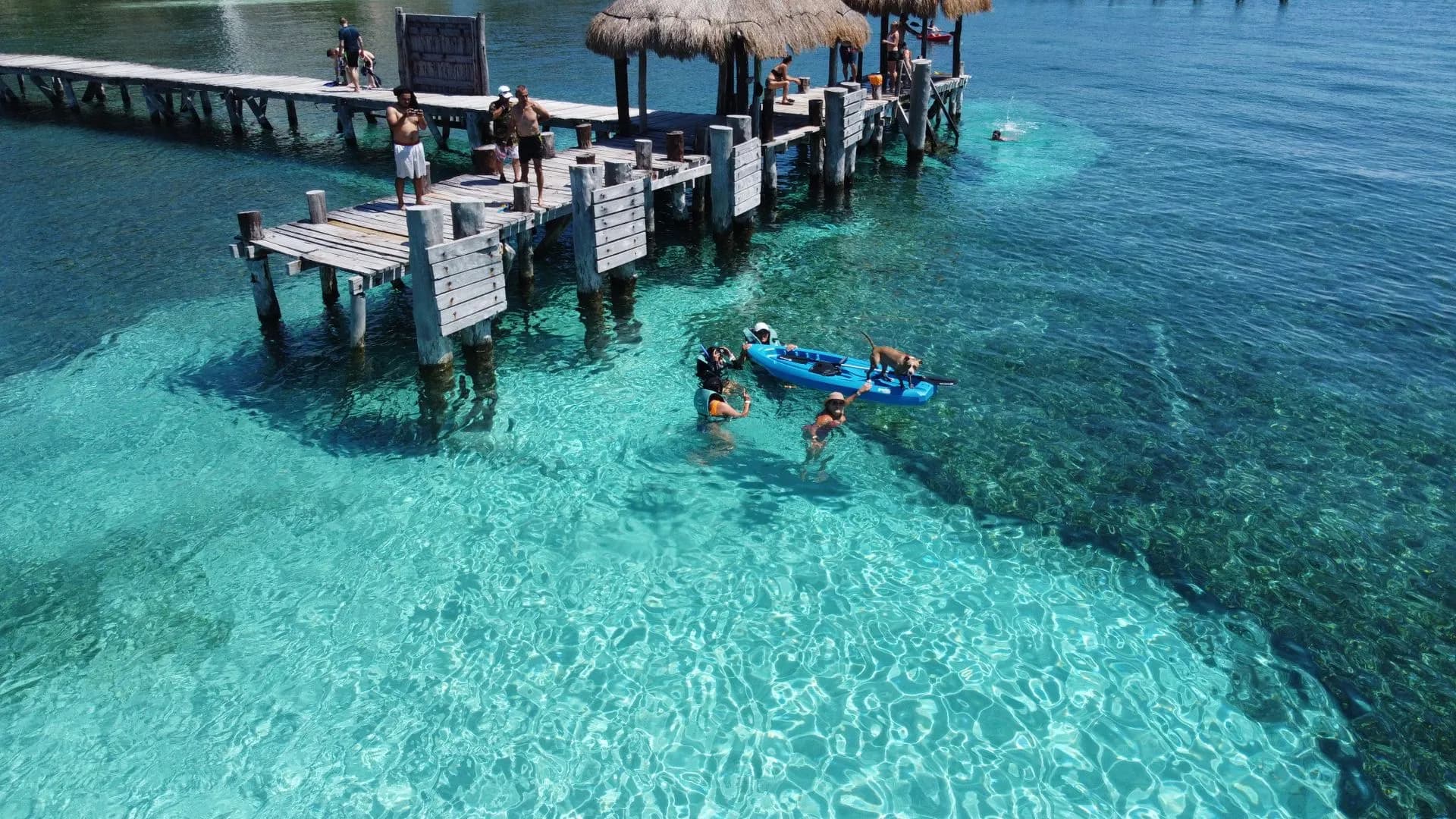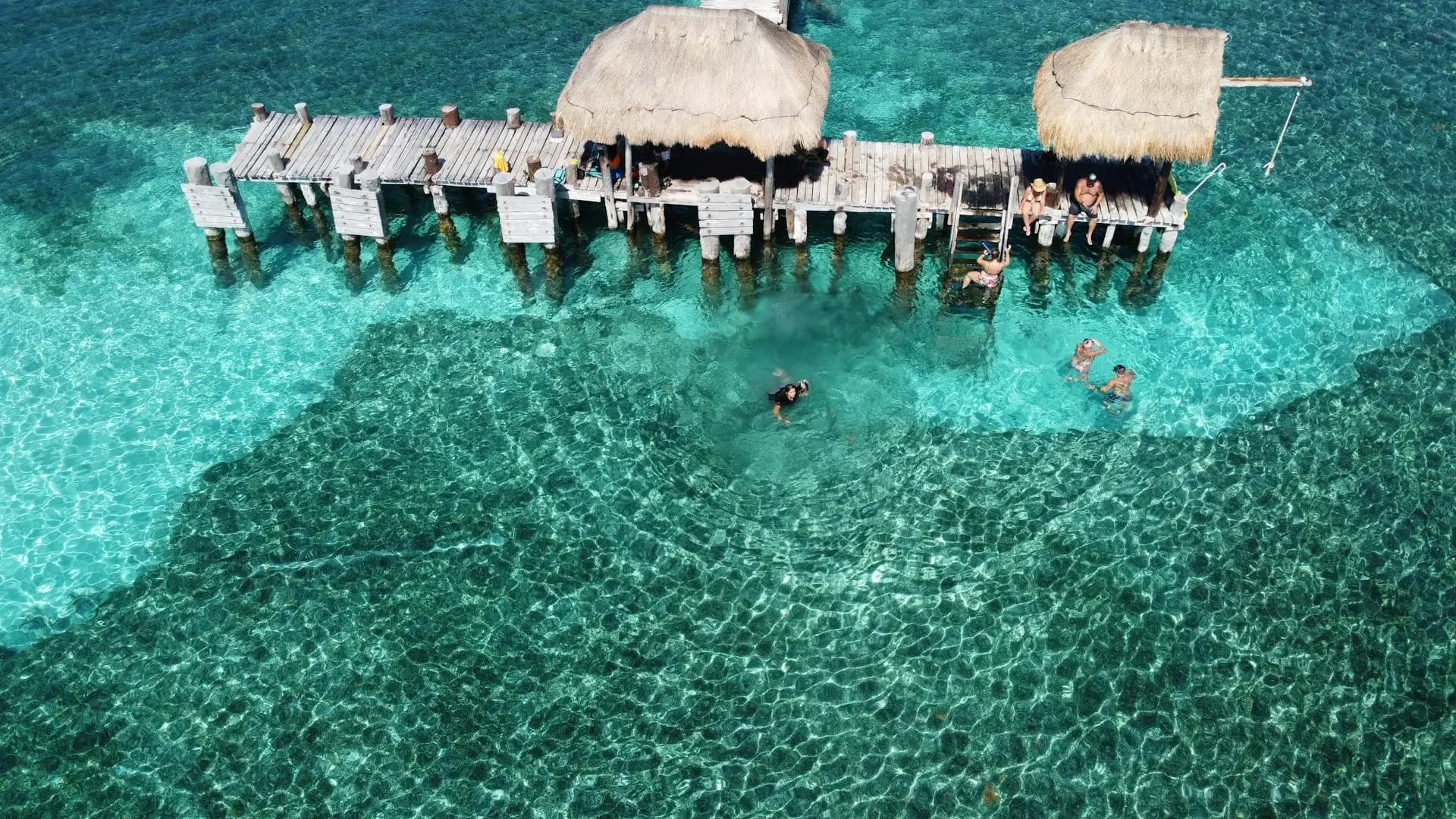
July is the peak of whale shark season on Isla Mujeres, with the largest aggregations of the year and the most reliable sightings, plus warm water and a lively family-summer atmosphere. The tradeoffs are peak heat and humidity, daily afternoon showers, peak sargassum, and the busiest summer crowds. Here is what to actually expect.
What You Should Know
- July is the peak of whale shark season on Isla Mujeres. The Yucatan Channel holds the largest aggregations of the year, and tours that depart from the island have their most reliable sightings, often 90 percent or higher.
- July is peak summer travel, the busiest non-holiday month after spring break. Family demand and whale shark season push crowds and prices to their summer highs, so book tours and hotels two to three weeks ahead.
- The weather is hot and humid with daily afternoon showers, and hurricane season is underway (risk is still relatively low in July but rising). Mornings are typically clear, which is when whale shark tours and beach time work best.
- Sargassum is at its peak on the island's east-facing shores. Playa Norte, on the sheltered northwest tip, stays the cleanest beach and is the reliable choice for swimming.
Isla Mujeres in July: The Honest Picture
⭐ Best July window for Isla Mujeres: early July (July 1–10) for slightly thinner crowds, though whale shark sightings are excellent all month. The aggregation is at its peak from start to finish, so any July dates deliver the sharks; early July edges the rest only on crowds and pricing, before the heart of the family-travel season.
| Factor | July Rating |
|---|---|
| Weather | 7/10 — hot and humid; daily afternoon showers, clear mornings |
| Crowds | 5/10 — peak summer family travel |
| Prices | 6/10 — summer with peak whale-shark demand |
| Playa Norte | 8/10 — warm water; leeward and cleanest; busy |
| Snorkeling & Diving | 6/10 — warm but visibility lower with sargassum and plankton |
| Sargassum | 4/10 — at its summer peak on east shores |
| Whale Sharks | 9/10 — peak season; largest aggregations, most reliable month |
| Ferry Comfort | 8/10 — calm seas; busy terminals; occasional storm |
| Couples | 7/10 — warm and lively, but humid, wet, and busy |
💰 Average July hotel prices (Isla Mujeres, Playa Norte / Centro, mid-range boutique):
Early July (1–10): ~$170/night · Mid–late July (11–31): ~$185/night
Rough mid-range estimates; the island has limited boutique supply, so rates vary significantly by property and booking lead time.
| Month | Crowds | Prices | Weather | Snorkel Viz | Overall |
|---|---|---|---|---|---|
| June | 6/10 | 7/10 | 7/10 | 6/10 | 7 |
| July | 5/10 | 6/10 | 7/10 | 6/10 | 7 |
| August | 5/10 | 6/10 | 7/10 | 6/10 | 7 (whale shark peak continues) |
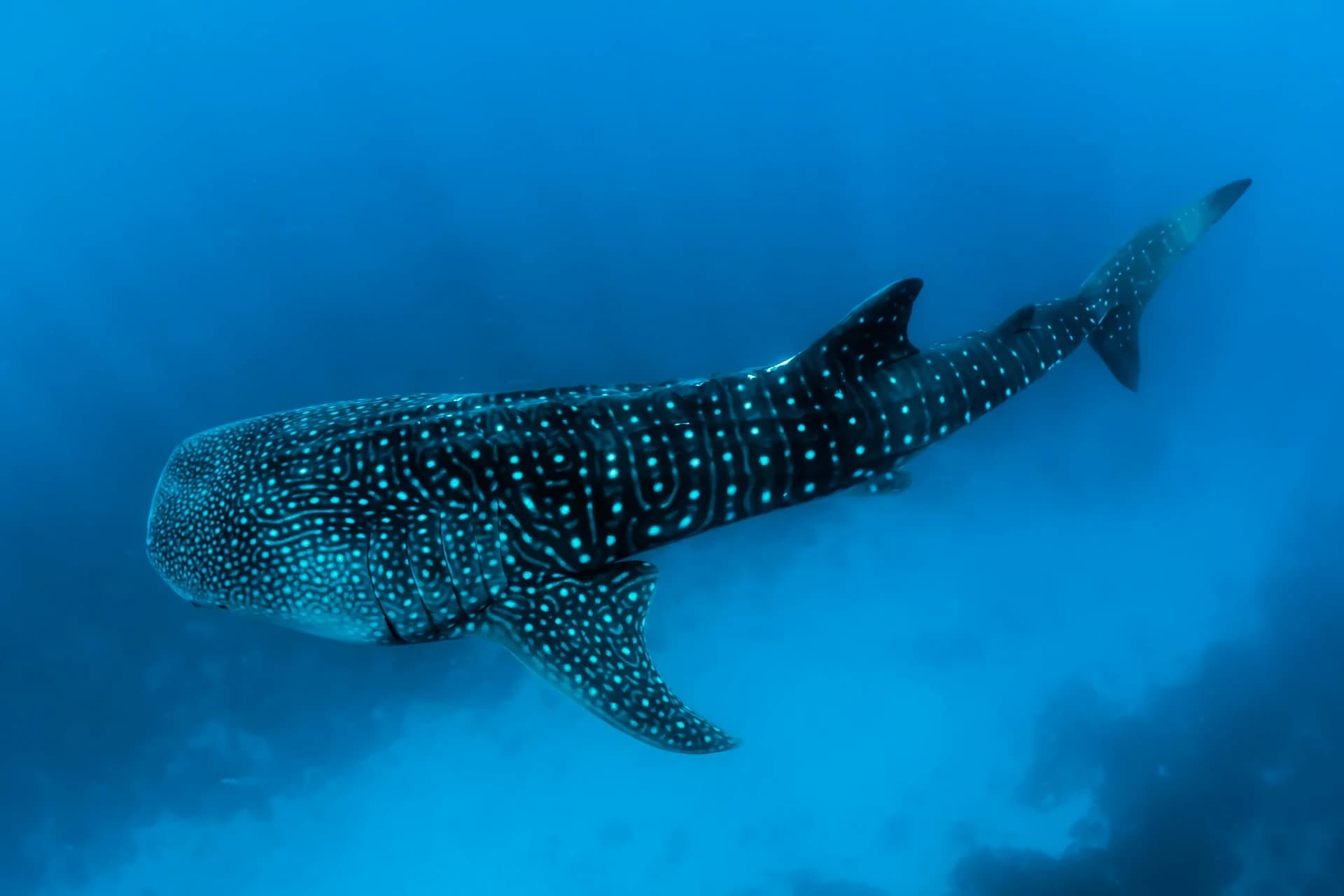
Yes, Isla Mujeres is good in July, and if whale sharks are the reason for your trip, it is the best month of the year. The aggregation in the Yucatan Channel north of the island reaches its peak in July, the largest gathering of the year, and the tours that depart from the island have their most reliable sightings of the season, commonly 90 percent or better. This is the month people plan a whole trip around, and it delivers on the headline.
The cost of that peak is everything else running hot. July is the busiest non-holiday month after spring break, driven by family summer travel and whale shark demand, so crowds and prices sit at their summer highs and tours and hotels need booking two to three weeks ahead. The weather is hot and humid, the rainy season brings daily afternoon showers, and hurricane season is underway, though July risk in the western Caribbean is still relatively low. Sargassum is at its peak on the east-facing shores. The biggest difference from the quiet shoulder months is simply that you trade calm and value for the single best wildlife experience the island offers.
The honest framing is that July is the wildlife month, full stop. If swimming with whale sharks is the priority, accept the heat, the crowds, and the higher prices and come now, the odds are unmatched. If you want quiet beaches, clear snorkeling, and low prices, the whale-shark months are the wrong call and the winter or shoulder seasons suit you better. In our view, July suits whale shark travelers above all, families traveling on the school calendar, and anyone who will plan around morning tours, afternoon rain, and keeping beach days on the clean leeward side of the island.
Most Popular Tours
Compare and Book the Top Isla Mujeres Tours
These are the six Isla Mujeres tours we compared for July, led by the whale shark trip and backed by the private whale shark trip, Contoy Island, the private sunset charter, the reef snorkel trip and the Chichén Itzá day trip. Compare live options below, then book the whale shark trip directly.
Isla Mujeres in July at a Glance
| At a Glance | July |
|---|---|
| Weather | 7/10 |
| Crowds | 5/10 |
| Prices | 6/10 |
| Snorkeling | 6/10 |
| Seaweed | High (peak) |
| Whale Sharks | Peak season (most reliable month) |
| Best For | Whale sharks, warm water, family summer |
In short: July is the peak of whale shark season, the most reliable month of the year, paired with peak summer crowds, heat, daily afternoon showers, and peak sargassum. Come for the sharks, book two to three weeks ahead, plan tours for the morning, and keep beach time on leeward Playa Norte.
Isla Mujeres vs Cancun in July
If you are deciding between Isla Mujeres and Cancun for a July trip, the whale shark season tilts the choice toward the island this month. Tours depart from Isla Mujeres, reaching the peak aggregation faster than boats from Cancun, and the island's leeward Playa Norte handles the peak sargassum far better than Cancun's east-facing Hotel Zone beaches. Cancun remains the stronger base for nightlife, big resorts, and the widest range of day trips. Here is how they compare.
| Factor | Isla Mujeres | Cancun |
|---|---|---|
| Beaches | 10/10 | 8/10 |
| Nightlife | 4/10 | 10/10 |
| Snorkeling | 9/10 | 7/10 |
| Day Trips | 7/10 | 10/10 |
| Relaxation | 10/10 | 6/10 |
Our take: July is the island's month. It is the closest, fastest launch point for peak whale shark tours, and its leeward Playa Norte stays the cleanest beach in the area while the bloom peaks on east-facing coasts. We'd lean toward Isla Mujeres for whale sharks, beaches, and a calmer base, and toward Cancun for nightlife and the broadest excursion menu, which families with teens often want alongside the sharks. With the 20-minute ferry between them, many July visitors base on the island for the whale shark mornings and dip into Cancun for the bigger eco-parks and nightlife.
Most Popular Tours
Isla Mujeres Weather in July: Peak Heat & the Rainy Season
| Metric | July |
|---|---|
| Avg High | 33°C (91°F) |
| Avg Low | 25°C (77°F) |
| Water Temp | 29°C (84°F) |
| Rain Days | ~9 |
| Humidity | High |
| Wind | Light |
| Sargassum | High (peak) |
Temperature and Humidity
July is hot and humid on Isla Mujeres, around the warmest of the year. Daytime highs sit at 32 to 34°C (90 to 93°F), and the high humidity makes it feel hotter, so midday in the sun is intense. Evenings stay warm at 25 to 27°C (77 to 81°F). The heat makes shade, water, and a slower midday pace genuinely important, and it is why mornings and the cooler hours after the afternoon rain are the best times to be active. The warm 29°C sea offers little cooling but is excellent for long swims and the whale shark crossing.
Rain and Hurricane Season
The rainy season is in full swing in July. Expect daily afternoon showers and thunderstorms, typically short and heavy and passing within an hour or two, with mornings usually clear and sunny. The pattern is predictable enough to plan around: book whale shark tours, snorkeling, and beach time for the morning, and keep the afternoons flexible for town, an indoor break, or the clear spell after the rain. Hurricane season is underway, but July activity in the western Caribbean is historically still relatively low, with the real peak arriving in September. We'd watch the forecast and consider travel insurance for any summer trip.
Water Temperature and Sea Conditions
The Caribbean around Isla Mujeres is a warm 29°C (84°F) in July, bathwater-warm for swimming, snorkeling, and the whale shark crossing. The sea is generally calm with the nortes long gone, though an afternoon storm can briefly churn it up. The same warmth that makes the water so comfortable sustains the peak whale shark aggregation and the peak sargassum bloom; the sheltered northwest side around Playa Norte stays the calmest and cleanest, while east-facing entries are heavily weed-affected.
Crowds and Prices in July: Peak Summer
July is the busiest non-holiday month after spring break, driven by family summer travel and peak whale shark demand, so crowds and prices sit at their summer highs.
Early July (July 1–10)
The first ten days are marginally quieter than the rest of the month, before the heart of the family-travel season fully builds, while whale shark sightings are already at their peak. If you have flexibility and want the sharks with slightly thinner crowds and pricing, this is the window. Even so, book tours and rooms ahead; early July is still a busy summer period.
Mid-to-late July (July 11–31)
This is the heart of peak season. School holidays across the US, Mexico, and Europe overlap, whale shark demand is at its height, and the island runs busy through the day. Boutique rooms command their summer-peak rates, whale shark tours sell out two to three weeks ahead on popular dates, and the beach clubs and restaurants are full. The whale shark experience is at its best; the trade-off is the crowds and pricing.
The daily day-tripper wave
As every month, Isla Mujeres fills with Cancun day-trippers from roughly 11 AM to 4 PM, then empties as the day boats head back. In July the midday waves are large, among the biggest of the year, though the afternoon rain thins them somewhat. Staying overnight is the best way to get the quiet, cooler mornings and the calmer evenings.
Hotel Pricing in July
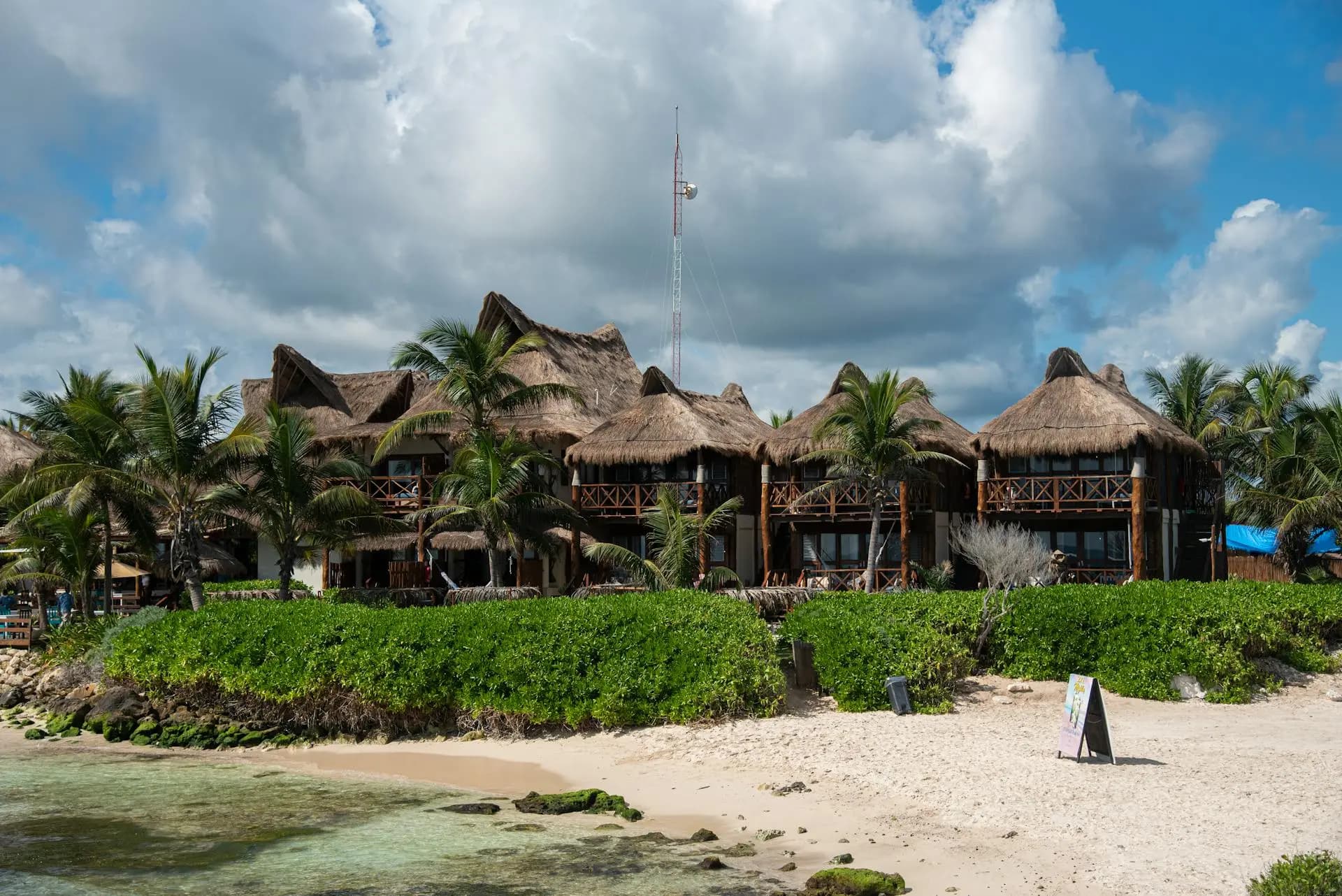
Isla Mujeres lodging is boutique hotels, beachfront posadas, and a few adults-only all-inclusive properties rather than large resorts, so the limited supply and peak summer demand push rates to their summer highs and fill popular dates well ahead. Booking early is essential in July. Our Isla Mujeres hotels guide covers 10 properties from about $55 per night, with a live map of every option.
Ferry Conditions and Availability in July
Almost everyone reaches Isla Mujeres by passenger ferry from Cancun. July crossings are calm with the nortes long gone, the main variables being the busy peak-season terminals and the occasional afternoon storm.
Where the ferries run from
The main passenger ferries depart from Gran Puerto and the adjacent Puerto Juarez terminal just north of central Cancun, with the crossing taking 20 to 25 minutes. Boats run roughly every 30 minutes from early morning until late evening, and the one-way fare is around $5 to $8 USD. Slower departures from the Hotel Zone (Playa Tortugas and Playa Caracol) take closer to 45 minutes, cost more, and run less often, but are convenient if you are staying in the Zona Hotelera.
Sea conditions in July
July crossings are calm and smooth for most of the day. The summer variable is the afternoon thunderstorm, which can briefly bring rough water, lightning delays, or a short pause in service while a cell passes; the large catamarans handle the conditions and disruptions are usually brief. Morning crossings are the most reliable and comfortable, another reason to start your island day early.
Crowds and timing at the terminal
Peak season means busy terminals. July sees some of the longest lines of the year on the mid-morning departures and the late-afternoon returns, with day-trippers and family travelers together. We'd buy a round-trip ticket to skip the return queue and take an early crossing, both to beat the lines and the midday heat, and to be on the island before any afternoon storm. Whale shark tours depart from the island, so if you are staying in Cancun, take an early ferry, and ideally stay over the night before, to make your tour's early meeting time.
Snorkeling Visibility in July
July snorkeling is warm but visibility is at the lower end of the year, with the sargassum bloom at its peak and summer plankton in the water. The sea is calm, which helps, but the glassy clarity of winter is long behind you, and many July visitors come for the whale sharks rather than the reef.
Where to snorkel and what visibility to expect
The two headline reef sites are Manchones Reef, a healthy shallow reef off the island's southeast, and the MUSA underwater museum, a field of more than 500 submerged sculptures colonized by coral and reef fish at around 4 metres depth. In July, visibility commonly runs 8 to 15 metres on calm mornings, decent but well off the winter peak, and clearly better at the leeward, western reef approaches than at east-facing entries where sargassum concentrates. The warm 29°C water makes long sessions comfortable. We'd favor early mornings and the protected sites, before any afternoon storm stirs the water.
How to time it
Mornings are essential in July, both for the clearest water before the afternoon rain and to be out before the day-trip boats and the midday heat. Note that the whale shark tour is a separate, open-ocean snorkeling experience and the headline in-water activity of the month; most visitors pair it with reef snorkeling on a different day. For confident swimmers, the El Farito reef edge beyond the north end of Playa Norte is reachable from shore with rental gear, though check for drifted weed first. For the boat sites, our Isla Mujeres snorkeling guide compares the operators that run Manchones and MUSA tours.
Most Popular Tours
Whale Sharks in July: Peak Season
Yes, and July is the best month of the year for it. The whale shark aggregation in the Yucatan Channel north of Isla Mujeres reaches its peak in July, the largest gathering of the season, drawn by warm water and fish-spawn feeding. Tours that depart from the island have their most reliable sightings of the year, commonly 90 percent or higher, and on the best days dozens of sharks feed at the surface together. The island is one of the main departure points in Mexico, reaching the feeding grounds in roughly 30 to 45 minutes.
Our take: if whale sharks are why you are coming, July is the month, the peak odds justify the peak prices and crowds. We'd book two to three weeks ahead for popular dates, choose a small-boat operator for more in-water time, take a morning departure before the afternoon storms, and pre-dose seasickness medication the night before for the open-ocean crossing. A long-sleeve rash guard beats a wetsuit in the warm water and adds sun and jellyfish protection, and only reef-safe sunscreen is permitted in the protected area. For the full operator comparison, pricing, and what to expect on the tour, see our whale shark tours from Isla Mujeres guide. August holds the peak too; by mid-September the season is closing.
Most Popular Tours
Seaweed (Sargassum) Conditions in July
July is at or near the peak of the sargassum season. The Atlantic bloom that affects the Mexican Caribbean is heavy through July on the island's east-facing shores, among the most affected months of the year alongside June and August.
What to expect in July
Expect significant, consistent seaweed on the windward east coast through July, with thick mats possible on the worst stretches as the warm, calm summer conditions let it accumulate. East-facing beaches and entries can be substantially affected. Week-to-week and year-to-year variation remains large, driven by currents and wind, so some periods are far heavier than others. If clean beaches matter to you, the protected northwest side is essential in July, and checking daily sargassum trackers is worthwhile for fixed dates.
Why Playa Norte stays cleanest
The island's geography is what makes a July beach trip work. Sargassum rides in on the prevailing easterly currents and lands on east-facing shores. Playa Norte sits on the sheltered northwest tip, facing away from that flow, so it stays the cleanest beach on the island even at the height of the bloom, and the beach clubs there rake what little drifts in. The biggest difference across the island is this leeward protection, which is why Playa Norte is the dependable swimming and beach choice in peak sargassum season while the wilder east side is not. We'd plan all beach and swimming time on the northwest side in July. Our Isla Mujeres sargassum guide has the full beach-by-beach pattern and the live trackers worth checking before you go.
Golf Cart Weather in July
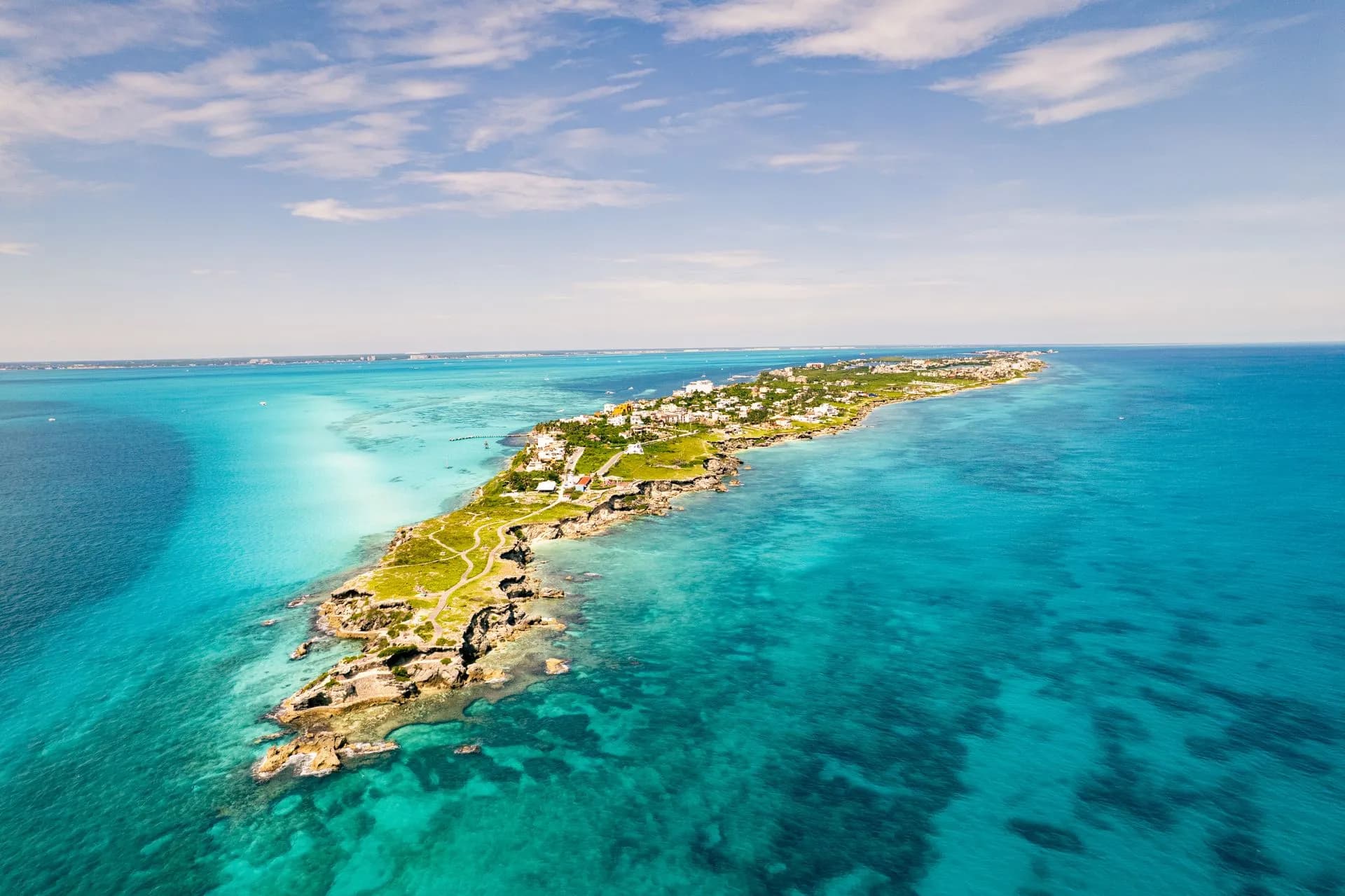
Golf carts are the way to get around Isla Mujeres, and July touring works in the mornings but has to dodge peak heat and the daily afternoon rain. The whole island is only about 7km long, and a cart covers it end to end in roughly 20 minutes, so a single morning easily takes in Playa Norte, Centro, the east-coast cliff road, Garrafon, and Punta Sur.
Why July conditions are mixed
The wind is light and the roads are good, but July is hot, humid, and storm-prone in the afternoon, so an open cart is best used early. The morning loop before the heat and rain build is the move, with the afternoon storm spent over a long lunch or indoors. Most carts have a basic sun roof but little protection from driving rain, so check the sky before a long drive and carry a light rain layer. Peak-season demand also means reserving the cart ahead, unlike the quiet shoulder months. We like July mornings for the cart, when it is cooler and drier and the views are clear.
Renting in July
Rent from a street shop near the ferry dock rather than through your hotel; street rates typically run $40 to $50 per day versus $10 to $20 more for the same cart arranged at a hotel. In peak July the limited carts go quickly through the late morning, so reserve ahead or collect yours early. A valid driver's license and a deposit are standard.
Playa Norte Swimming Conditions in July
Playa Norte is the reason many people come to Isla Mujeres, regularly ranked among the best beaches in Mexico, and in July it is essential as the one beach that stays clean while sargassum peaks elsewhere on the island.
What the water is like
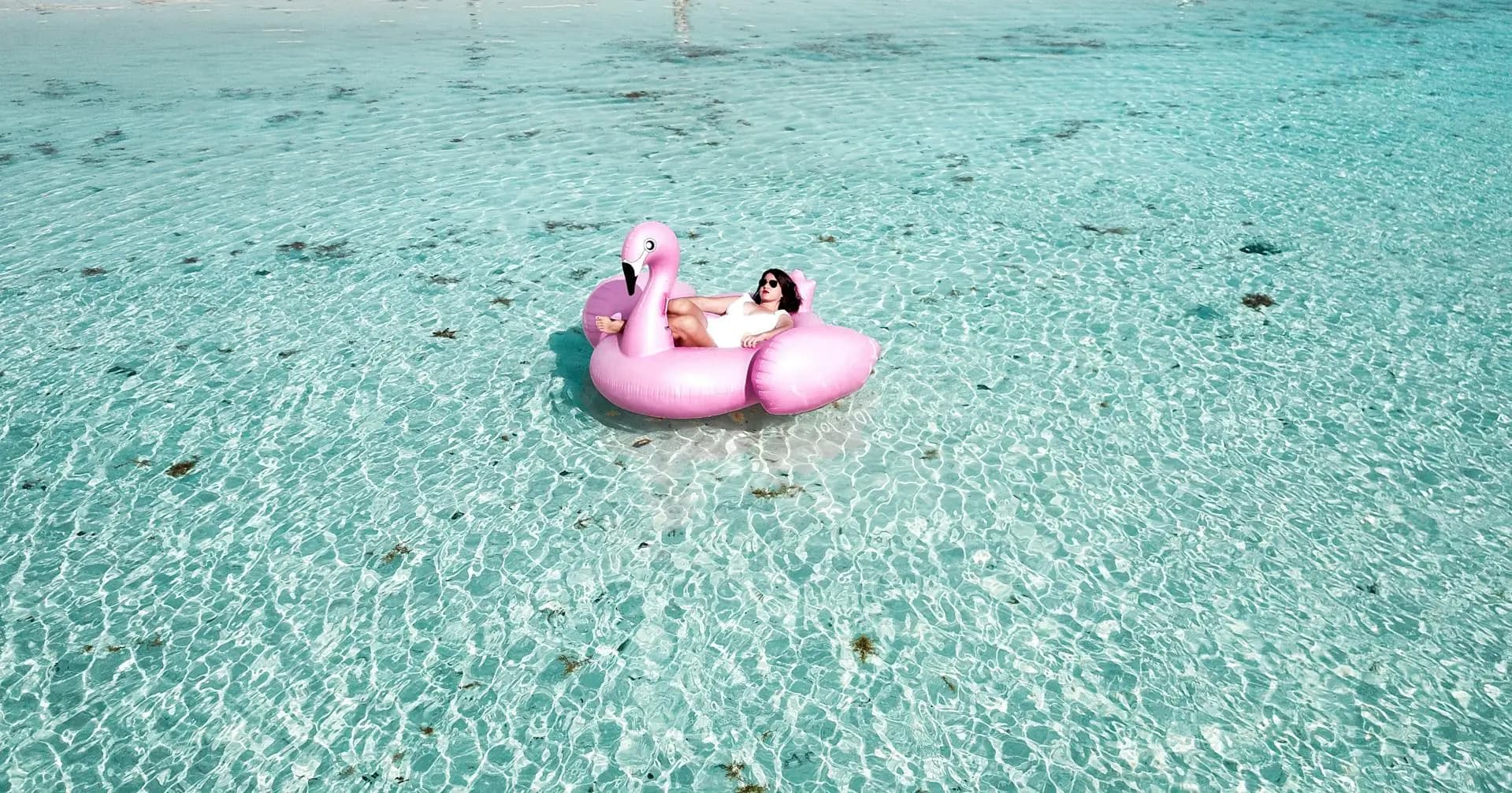
Playa Norte's water is famously shallow and gentle: you can wade out a long way and still stand, which makes it excellent for families and unconfident swimmers. In July the sea is a warm 29°C (84°F), bathwater-comfortable for long swims with no wetsuit and offering little cooling from the heat. Because the beach faces west and northwest, it is sheltered from the prevailing easterly wind and stays calm, and crucially its leeward position keeps it the cleanest beach on the island even at the sargassum peak. On the heaviest-bloom weeks some weed can still drift to the north shore, but it is far lighter than the east coast and the beach clubs keep their sections raked.
How to time your beach day
Mornings before about 10 AM are the coolest, quietest, and cleanest, before the large July day-trip crowds, the midday heat, and the afternoon rain. The beach is public and free; loungers and umbrellas cost extra through the clubs, which provide essential shade in the July heat. Because Playa Norte faces west, it is the island's prime sunset spot, often at its best in summer after the afternoon storm clears the air. Our take: swim and sun in the cooler morning, take shade or shelter through the hot, stormy, crowded afternoon, and return for the sunset.
Is It Worth Staying Overnight in July?
Short answer: in July it is close to essential, especially for whale sharks. The early tour departures, the peak day-trip crowds, and the heat all make staying over the clear choice.
Why overnight wins in July
Isla Mujeres empties after the last day-trip ferries leave in the late afternoon, and the contrast is sharp in July when the midday crowds are at their summer largest. The visitors who stay get the cooler, quieter morning, when whale shark tours depart and Playa Norte is at its best, and the calmer evening once the day boats have gone. Crucially, whale shark tours leave early from the island, so being on the island the night before turns a stressful pre-dawn ferry from Cancun into a relaxed start, which on a peak-season morning makes a real difference.
When a day trip is enough
A July day trip can work for a few early morning hours on Playa Norte, but the heat, the afternoon rain, the heavy crowds, and above all the early whale shark departures push hard toward staying. If a whale shark tour is on your list, an overnight is effectively required to catch the early boat reliably in peak season. We'd book at least one night, and early, since peak-summer demand fills the limited boutique rooms well ahead. Our Isla Mujeres hotels guide covers the options from Playa Norte boutiques to adults-only stays.
The Best Activities in Isla Mujeres in July
July is the whale shark month on Isla Mujeres, and the season's signature tour is the headline activity. The warm calm seas keep charters and snorkeling running, and the main things to plan around are the peak crowds, the heat, the afternoon rain, and the peak sargassum.
| Activity | July Rating | Best Time of Day | Notes |
|---|---|---|---|
| Whale Shark Tour | 10/10 | Morning | Peak season; largest aggregations, most reliable month; book ahead |
| Playa Norte Beach Day | 8/10 | Morning & sunset | Cleanest beach at the sargassum peak; busy; shade the midday |
| Fishing Charters | 8/10 | Morning | Calm seas; peak offshore pelagic season (mahi-mahi, sailfish) |
| Private Sunset Charter | 8/10 | Late afternoon | Calm warm seas; watch the afternoon storm forecast |
| Isla Contoy Day Trip | 8/10 | Morning | Year-round bird sanctuary; cap fills fast in peak season, book ahead |
| Snorkeling (Manchones & MUSA) | 6/10 | Morning | Warm water; lower visibility; favor leeward sites |
| Golf Cart Island Tour | 6/10 | Morning | Hot midday and afternoon rain; do the loop early |
| Garrafon Natural Reef Park | 6/10 | Morning | Leeward southwest cleaner than the east coast; busy and storm-prone |
| Punta Sur Sculpture Garden | 7/10 | Morning | Go early before heat and afternoon storms |
| Transparent Boat Tour | 5/10 | Morning | Peak sargassum reduces the glass-bottom visibility |
Activities That Are Strongest in July
- Whale shark tour: The headline of the month and the best whale shark experience of the year, with the largest aggregations and the most reliable sightings. We'd book two to three weeks ahead, choose a small-boat operator, and take a morning departure. See our whale shark tours guide for operators and timing.
- Fishing charters: July is the heart of the offshore season, with peak mahi-mahi, sailfish, and tuna action in the deep water off the island. Calm seas and warm water make for productive private full-day charters.
- Playa Norte beach mornings: The signature beach is the cleanest on the island at the sargassum peak, and the warm water is ideal for long morning swims before the crowds and heat. Swim early, shade through the hot afternoon, and stay for the sunset.
Year-Round Activities With July-Specific Notes
- Isla Contoy Day Trip: The federally capped (200 visitors/day) bird sanctuary fills fast in peak July, so book ahead. The reef snorkel stop on the return is a bonus. Some operators combine Contoy with a whale shark stop in season; ask, though the two are often run as separate trips. Whale shark tours and Contoy each take most of a day, so plan them on separate days.
- Private sunset charter: Calm warm seas make July charters good, though the afternoon storm pattern means watching the forecast; operators reschedule around serious weather. We'd lean toward a private charter over a shared Cancun catamaran for the atmosphere.
- Snorkeling: Warm but lower visibility at the sargassum peak, and a secondary activity to the whale sharks this month. Favor early mornings and the leeward sites, where the water stays clearer than the weed-affected east-facing entries.
Most Popular Tours
More July Activities Worth Knowing About
These activities do not yet have their own dedicated guides on this site, but they are popular and well-established on Isla Mujeres in July.
Punta Sur and the Easternmost Point of Mexico
The island's southern tip combines a cliff-top sculpture garden, a small Mayan temple to Ixchel, and the marker for the easternmost point of Mexico. A few dollars buys entry. Go early in July, as the exposed clifftop is hot and shadeless by midday and storm-prone in the afternoon; the sunrise here, where Mexico first catches the day, is the cool-of-the-morning highlight.
Garrafon Natural Reef Park
This pay-access park (roughly $70 to $80) bundles reef snorkeling, an infinity pool, kayaks, paddleboarding, and a zip line over the sea on the island's southwest shore. Its leeward southwest location keeps the snorkeling cleaner than the east coast at the sargassum peak, and the pool is welcome in the July heat, though it is busy in peak season and afternoon storms can pause the water activities. Best enjoyed in the morning.
Avenida Hidalgo and Centro Dining
The pedestrian main street and surrounding town center hold the island's best local eating, from taco stands to seafood restaurants. July's warm evenings, often fresh after the afternoon rain clears, make walking Hidalgo after dark pleasant, though the better restaurants are busy in peak season, so reserve or arrive early. It is a natural way to spend the storm-prone late afternoon and evening.
Sea Turtle Nesting (Tortugranja)
July is in the heart of sea turtle nesting season (roughly July to October) on the Yucatan coast. The Tortugranja conservation center, a few dollars to enter, is most active now, and some nights see nesting or hatchling releases on protected beaches. It is a meaningful, kid-friendly addition to a July trip; ask locally about any release events during your stay.
Beach Clubs and Day Passes
Playa Norte's beach clubs offer loungers, food, drinks, and essential shade in the July heat, on a day-pass or minimum-spend model, and they keep the leeward beach raked clean as sargassum peaks elsewhere. Busy in peak season, especially midday; mornings are calmer for the same setting.
Most Popular Tours
From Our Experience
What we consistently see is that July is a whale-shark-first month: the travelers who book their tour and hotel two to three weeks ahead, stay the night before an early departure, and run everything in the morning come away happiest. The sharks are the reason to accept July's heat, crowds, and prices, and the leeward Playa Norte keeps beach days clean at the sargassum peak.
Tips for Visiting Isla Mujeres in July
- Book whale sharks two to three weeks ahead: July is peak season with the best odds of the year, and the small-boat operators sell out popular dates well in advance. Choose a small-boat tour for more in-water time and a morning departure before the afternoon storms. Our whale shark tours guide covers operators and inclusions.
- Stay the night before your tour: whale shark tours depart early from the island, so an overnight turns a pre-dawn Cancun ferry into a relaxed start, which matters most in peak season. Book the room early too, as summer demand fills the limited supply. Our Isla Mujeres hotels guide covers 10 options from about $55 per night.
- Run everything in the morning: whale shark tours, snorkeling, beaches, and golf-cart touring all work best before the peak midday heat and the daily afternoon showers. Mornings are clearer, cooler, and calmer on the water.
- Plan beach time on Playa Norte: sargassum is at its peak on the east-facing shores in July, but the leeward northwest beaches stay the cleanest on the island. Playa Norte is the dependable swimming choice; check daily sargassum trackers for fixed dates.
- Pre-dose seasickness medication: the whale shark crossing is open ocean and can be choppy. Take medication the night before, not just the morning of, for the best effect on the return leg.
- Expect peak crowds and prices: July is the busiest non-holiday month after spring break. Book tours, carts, and capped trips like Isla Contoy ahead, and arrive early at the ferry terminal to beat the long peak-season lines.
- Watch the forecast and consider insurance: hurricane season is underway, though July risk is still relatively low. The day-to-day pattern is predictable afternoon storms; travel insurance is sensible for any summer trip.
- Visiting at a different time of year? Our Isla Mujeres in August guide covers the next month, when the whale shark peak continues and it becomes the last reliable full month of the season, and our June guide covers the slightly cheaper, quieter month before. For the full whale shark season detail, our whale shark tours from Isla Mujeres guide covers how the season closes in September. For the full island overview, see our things to do in Isla Mujeres guide. For how July compares with the rest of the year, see our full guide to the best month to visit Isla Mujeres.
How We Put This Guide Together
The Cancun Trip Insider team built this guide from operator data, seasonal availability records, regional weather, current, and sargassum patterns for the northern Yucatan, whale shark season timing and success-rate trends, and verified traveler review trends across Isla Mujeres's July activity categories. July is the peak of whale shark season, the island's single best wildlife month, traded against peak heat, humidity, daily rain, peak crowds, and peak sargassum, and we prioritized accurate framing of that trade-off over promotional language: every claim about weather, water, ferry conditions, crowds, seaweed, hurricane risk, and seasonal timing reflects documented patterns rather than best-case marketing. This guide was reviewed and updated in June 2026. July conditions on Isla Mujeres are generally consistent year to year, but whale shark sighting rates, sargassum, and weather vary, so we recommend confirming tour availability and scheduling, and booking well ahead, in the weeks before your trip. Every activity with a dedicated guide on this site links out to full operator comparisons and real review data.
Frequently Asked Questions
Is Isla Mujeres good in July?+
Yes, and it is the best month for whale sharks. July is the peak of the season, with the largest aggregations of the year in the Yucatan Channel and the most reliable sightings, commonly 90 percent or higher on tours that depart from the island. The trade-offs are peak summer crowds and prices, hot and humid weather with daily afternoon showers, peak sargassum on east-facing shores, and the underway (though still relatively low-risk) hurricane season. Come for the sharks, book ahead, and plan around the morning.
What is the weather like in Isla Mujeres in July?+
July is hot and humid, around the warmest of the year. Daytime highs reach 32 to 34°C (90 to 93°F) with high humidity, and warm evenings around 25 to 27°C (77 to 81°F). The rainy season brings daily afternoon showers and thunderstorms that are usually short and pass within an hour or two, with mornings mostly clear. Hurricane season is underway but July activity is historically still relatively low. The sea is a warm 29°C (84°F).
Can you see whale sharks in Isla Mujeres in July?+
Yes, July is the peak. The aggregation in the Yucatan Channel is at its largest of the year, and tours departing from the island have their most reliable sightings, commonly 90 percent or better, with dozens of sharks feeding at the surface on the best days. Isla Mujeres is the closest main departure point, reaching the feeding grounds in 30 to 45 minutes. Book two to three weeks ahead for popular dates and take a morning departure before the afternoon storms.
Is there sargassum (seaweed) in Isla Mujeres in July?+
Yes, July is at or near the sargassum peak, among the most affected months alongside June and August. The east-facing, windward shores can collect heavy, consistent seaweed with thick mats possible in the worst weeks. Playa Norte, on the sheltered northwest tip, stays the cleanest beach on the island and is the reliable swimming choice; the beach clubs there rake what little drifts in. Conditions vary week to week, so check daily sargassum trackers for fixed dates.
Is July expensive in Isla Mujeres?+
July carries peak summer pricing, the busiest non-holiday demand after spring break, driven by family travel and whale shark season. The island's limited boutique rooms reach their summer-peak rates and popular dates fill two to three weeks ahead. Early July (the first ten days) is marginally less busy and slightly cheaper than the heart of the month while whale shark odds are already at their peak, so it is the value-leaning window within an expensive month.
What is the best week to visit Isla Mujeres in July?+
For whale sharks, any July dates are excellent, as the aggregation is at its peak all month. For slightly thinner crowds and lower prices, early July (roughly July 1 to 10) edges the rest, before the heart of the family-travel season fully builds. Whichever week you choose, book tours and hotels two to three weeks ahead and plan activities for the morning around the afternoon rain.
What activities are best in Isla Mujeres in July?+
The whale shark tour is the headline and the best in-water experience of the year, booked as a morning departure two to three weeks ahead. Fishing charters are at their offshore peak (mahi-mahi, sailfish), Playa Norte beach mornings are the cleanest on the island, and the year-round Isla Contoy day trip and private sunset charters suit the calm seas. Snorkeling and golf-cart touring are best early before the heat and afternoon rain. Favor leeward sites and morning timing throughout.
How do I see whale sharks and visit Isla Mujeres in the same trip?+
Whale shark tours depart from Isla Mujeres itself, so staying on the island is the easiest way to do both. Book a morning whale shark tour (a 5 to 6-hour open-ocean trip) on one day, and use other days for Playa Norte, snorkeling, golf-cart touring, and the Isla Contoy trip. Whale shark tours and Contoy are each most of a day, so plan them separately. Staying overnight, rather than day-tripping from Cancun, avoids a pre-dawn ferry before the early tour departure.
Affiliate note: Some links on this page are affiliate links. If you book through them, we may earn a small commission at no additional cost to you.