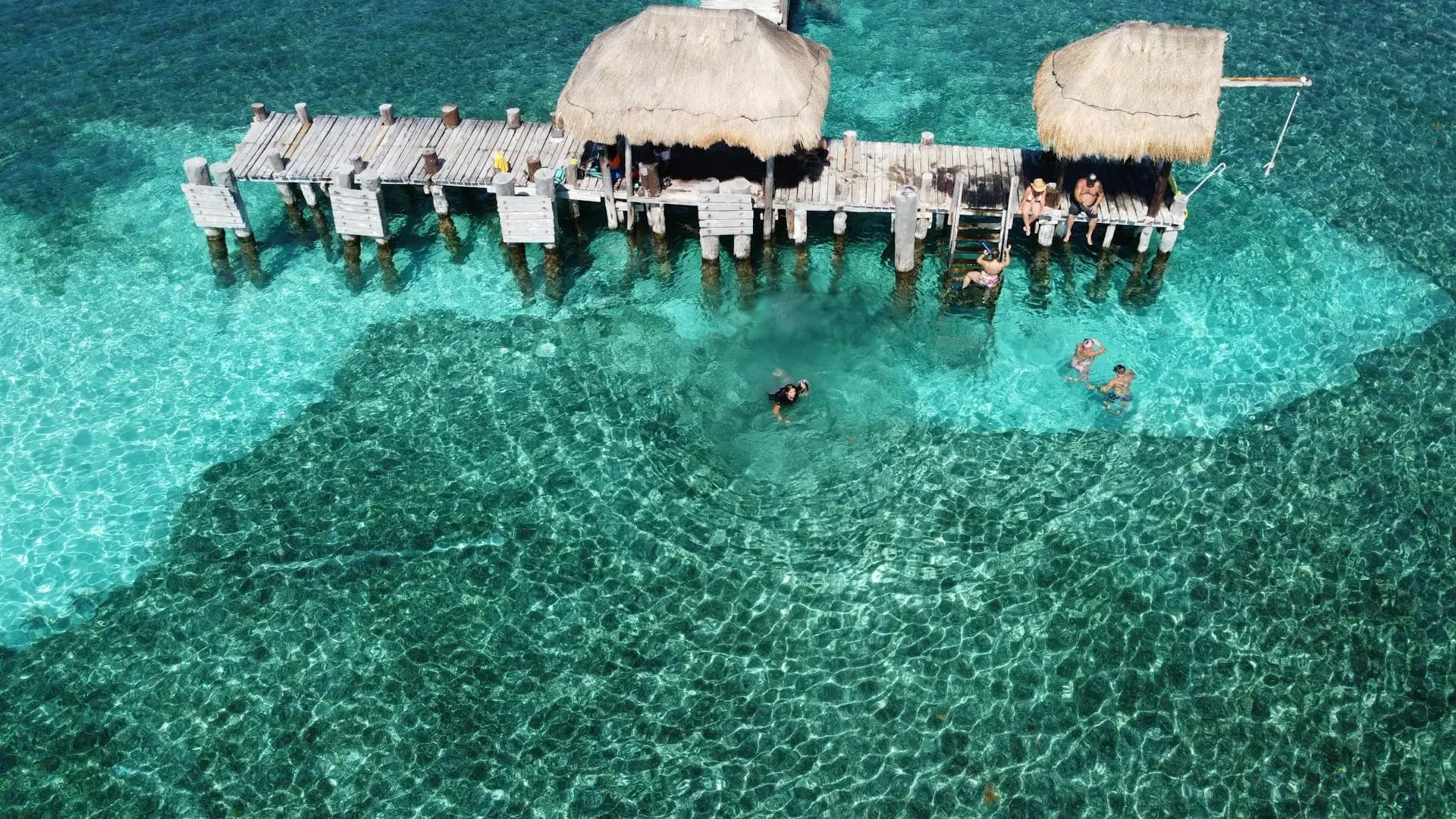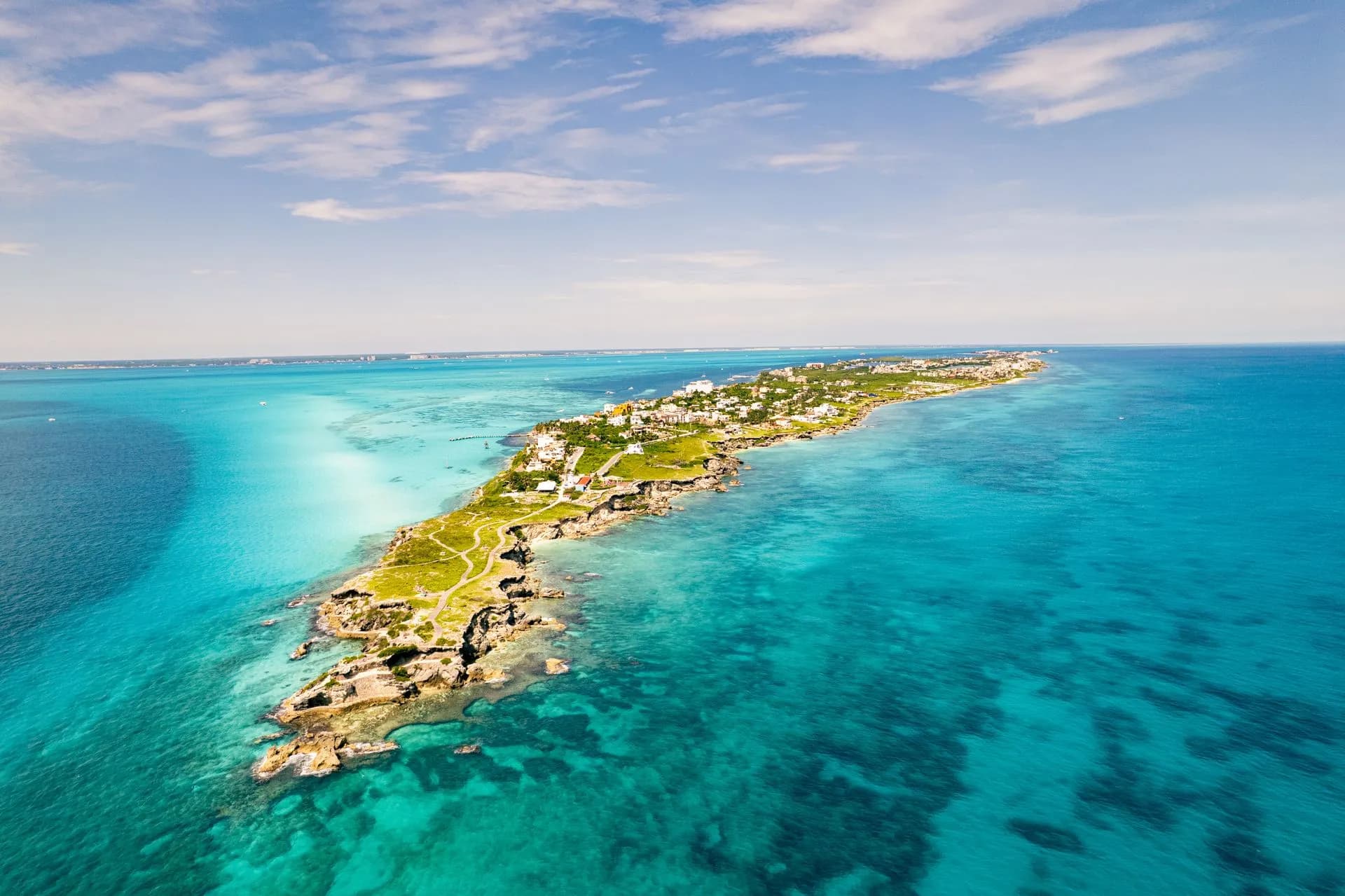
March is warm, dry, and lively on Isla Mujeres: excellent early-month snorkeling visibility, calm Playa Norte swimming, easing norte wind, and the island working as a calmer base than spring-break Cancun. The tradeoffs are spring break crowds and pricing, sargassum starting to build late in the month, and whale sharks still out of season until mid-May. Here is what to actually expect.
What You Should Know
- March is warm dry season on Isla Mujeres: daytime highs around 29°C (84°F), little rain, and easing norte wind. Early March still has the clear, calm water of peak winter; conditions stay strong but begin transitioning by month's end.
- March is spring break season. The island stays calmer than party-focused Cancun, but day-tripper numbers rise and hotel prices climb, especially mid-to-late month. Isla Mujeres works well as a quieter base for travelers who want the beach without the Cancun party scene.
- Sargassum starts to build late in March. The first two to three weeks are typically clean; the seaweed bloom begins ramping toward its May to August peak in the final week, mainly on the island's east-facing shores. Playa Norte stays largely protected.
- Whale sharks are not available in March. The season runs mid-May to mid-September. What March offers instead is warm-water swimming, strong early-month reef visibility, and the year-round Isla Contoy day trip.
Isla Mujeres in March: The Honest Picture
⭐ Best March window for Isla Mujeres: the first week (March 1–7). It comes before the heaviest US spring-break weeks, before sargassum begins to build, and before the late-month ramp toward Mexican Holy Week (Semana Santa), while keeping the clear, calm water of peak winter.
| Factor | March Rating |
|---|---|
| Weather | 9/10 — warm, dry, comfortable; norte wind easing |
| Crowds | 5/10 — spring break; busiest non-holiday stretch, midday day-trippers |
| Prices | 4/10 — spring break peak pricing |
| Playa Norte | 9/10 — calm, warm shallow water; busy midday |
| Snorkeling & Diving | 8/10 — clear early month; calmer seas as nortes fade |
| Sargassum | 8/10 — minimal early; building on east shores late month |
| Whale Sharks | 0/10 — not available (season: mid-May to mid-September) |
| Ferry Comfort | 8/10 — calmer as nortes ease; busy terminals at spring break |
| Couples | 7/10 — warm and pretty, but spring-break energy lowers the calm vs February |
💰 Average March hotel prices (Isla Mujeres, Playa Norte / Centro, mid-range boutique):
Spring-break weeks (Mar 7–28): ~$210/night · Early March (Mar 1–6): ~$175/night
Rough mid-range estimates; the island has limited boutique supply, so rates vary significantly by property and booking lead time.
| Month | Crowds | Prices | Weather | Snorkel Viz | Overall |
|---|---|---|---|---|---|
| February | 6/10 | 5/10 | 9/10 | 9/10 | 8 |
| March | 5/10 | 4/10 | 9/10 | 8/10 | 7 |
| April | 6/10 | 5/10 | 9/10 | 8/10 | 7 (Easter early month) |
Yes, Isla Mujeres is good in March, with a couple of seasonal shifts to plan around. The weather is excellent: warm, dry, and increasingly calm as the winter nortes fade, with water warming back toward comfortable swimming temperatures. Early March still carries the clear, glassy conditions of peak winter, which makes it one of the better snorkeling windows of the year. The catch is the calendar and the season: March is spring break, the busiest non-holiday stretch of the year, and the sargassum bloom that defines the Caribbean summer begins to stir in the final week.
The biggest difference between March and the quiet winter months is the crowd, and this is where Isla Mujeres has a real advantage. Spring break energy concentrates in Cancun's Hotel Zone; the island stays noticeably calmer, which makes it a strong base for travelers who want warm-weather beach days without the party scene. Most people don't realize how different the two feel in March: a 20-minute ferry separates spring-break Cancun from an island where the loudest thing is usually the wind. Day-tripper numbers do rise and the midday beach clubs get busy, but the island empties in the evening as it does all year.
The caveats are specific. First, pricing and crowds peak through the spring-break weeks and then ramp again at the very end of the month toward Mexican Holy Week. Second, sargassum: the first two to three weeks are typically clean, but the bloom begins building on the east-facing shores late in March, the first hint of the summer pattern. Playa Norte, on the sheltered northwest tip, stays largely protected. In our view, March suits travelers who want warm, reliable beach weather and strong early-month snorkeling, who prefer a calmer base than Cancun during spring break, and who book early in the month to stay ahead of both the crowds and the seaweed.
Most Popular Tours
Compare and Book the Top Isla Mujeres Tours
These are the six Isla Mujeres tours we compared for March, led by the reef snorkel trip and backed by the MUSA underwater museum snorkel, Contoy Island, the private sunset charter, private fishing and the transparent boat. Compare live options below, then book the reef snorkel trip directly.
Isla Mujeres in March at a Glance
| At a Glance | March |
|---|---|
| Weather | 9/10 |
| Crowds | 5/10 |
| Prices | 4/10 |
| Snorkeling | 8/10 |
| Seaweed | Minimal early; building late month |
| Whale Sharks | No (season: mid-May to mid-September) |
| Best For | Warm beaches, snorkeling, a calm spring-break base |
In short: March brings warm, dry weather and strong early-month snorkeling, with the island a calmer alternative to spring-break Cancun. Book the first week to stay ahead of the crowds and the late-month sargassum, and remember whale sharks are still out of season.
Isla Mujeres vs Cancun in March
March is the month when the choice between Isla Mujeres and Cancun matters most, because spring break splits them sharply. Cancun's Hotel Zone is spring-break central, with the biggest nightlife scene on the coast; Isla Mujeres stays calmer and wins decisively on beaches, snorkeling, and a relaxed pace. Here is how they compare in March.
| Factor | Isla Mujeres | Cancun |
|---|---|---|
| Beaches | 10/10 | 8/10 |
| Nightlife | 4/10 | 10/10 |
| Snorkeling | 9/10 | 7/10 |
| Day Trips | 7/10 | 10/10 |
| Relaxation | 10/10 | 6/10 |
Our take: in March the relaxation gap is the deciding factor. If you want the spring-break party, Cancun is the obvious base and nothing on the island matches it. But if you want warm beach days and clear early-month snorkeling away from the crowds, Isla Mujeres is the better pick and works as a quiet retreat just a short ferry from the action. We'd book this if you are traveling as a couple, a family, or anyone who wants spring-season weather without the spring-break scene. Many travelers split the difference, basing in Cancun and taking the 20-minute ferry over for calm island days. Either way, the snorkeling around Isla Mujeres is the regional highlight, strongest in the first half of the month.
Most Popular Tours
Isla Mujeres Weather in March: Temperature, Water & Wind
| Metric | March |
|---|---|
| Avg High | 29°C (84°F) |
| Avg Low | 22°C (72°F) |
| Water Temp | 26°C (79°F) |
| Rain Days | ~2 |
| Humidity | Moderate |
| Wind | Moderate (Norte season easing) |
| Sargassum | Low (building late month) |
Temperature and Humidity
March is warm and reliably dry on Isla Mujeres. Daytime highs sit around 28 to 30°C (82 to 86°F), a touch warmer than February, with humidity still moderate rather than the heavy stickiness of summer. Evenings are mild at 21 to 23°C (70 to 73°F), comfortable for dining out without much of a layer, though a light cover is still handy on the breeziest early-month nights. By late March the days lean firmly warm as the island heads toward the April and May pre-summer heat, but the month overall sits in a comfortable, near-ideal range.
Rain and Wind
March is one of the driest months of the year, with rainfall minimal and most days clear and sunny. The winter norte pattern is fading: cold fronts still pass occasionally early in the month, but they are weaker and less frequent than in January and February, and by late March they largely taper off. The practical effect is calmer seas and smoother ferry crossings as the month goes on. What typically happens is the wind eases week by week, so late-March water conditions are often the calmest of the first quarter even as the snorkeling visibility starts its slow seasonal decline.
Water Temperature and Sea Conditions
The Caribbean around Isla Mujeres warms to about 26°C (79°F) in March, noticeably more comfortable for swimming than the midwinter low and pleasant for longer time in the water without a wetsuit. With nortes fading, the sea is calmer and clearer than in the windier winter months for most of March. The east (windward) coast still takes any remaining swell on the rare late front, while the sheltered northwest tip around Playa Norte stays calm; plan water time on the leeward side if a front does pass early in the month.
Crowds and Prices in March: Spring Break and What to Expect
March is the busiest non-holiday month of the year on the Mexican Caribbean, driven by spring break, and it splits into distinct windows, layered over the daily day-tripper rhythm that runs all year.
Early March (March 1–6)
The first week is the best window of the month. It falls before the heaviest US spring-break weeks, sargassum is still minimal, and the water keeps the clear, calm quality of peak winter. Rates sit below the mid-month spring-break peak, and conditions are close to ideal. From what we see in booking patterns, this is the sweet spot for travelers who want March warmth without the crowds.
Mid-to-late March (March 7–28)
This is spring-break season. US and Canadian university and school breaks cluster across these weeks, and while the party energy concentrates in Cancun, the spillover reaches Isla Mujeres through higher day-tripper numbers and firmer hotel pricing. Boutique rooms command spring-break rates, the beach clubs at Playa Norte are busy through midday, and the better Centro restaurants fill in the evening. The island still feels calmer than Cancun, which is its main draw this month.
End of March (March 29–31)
The very end of the month begins the ramp toward Mexican Holy Week (Semana Santa), which in 2026 falls in early April. Domestic Mexican travel rises sharply during Semana Santa, so late-March dates start to carry that building demand on top of the spring-break tail. If your trip lands here, book accommodation and any key tours well ahead.
The daily day-tripper wave
As every month, Isla Mujeres fills with Cancun day-trippers from roughly 11 AM to 4 PM, then empties as the day boats head back. In March the midday wave is at its largest of the first half of the year. Staying overnight remains the single best way to experience the quieter island, before the boats arrive and after they leave.
Hotel Pricing in March
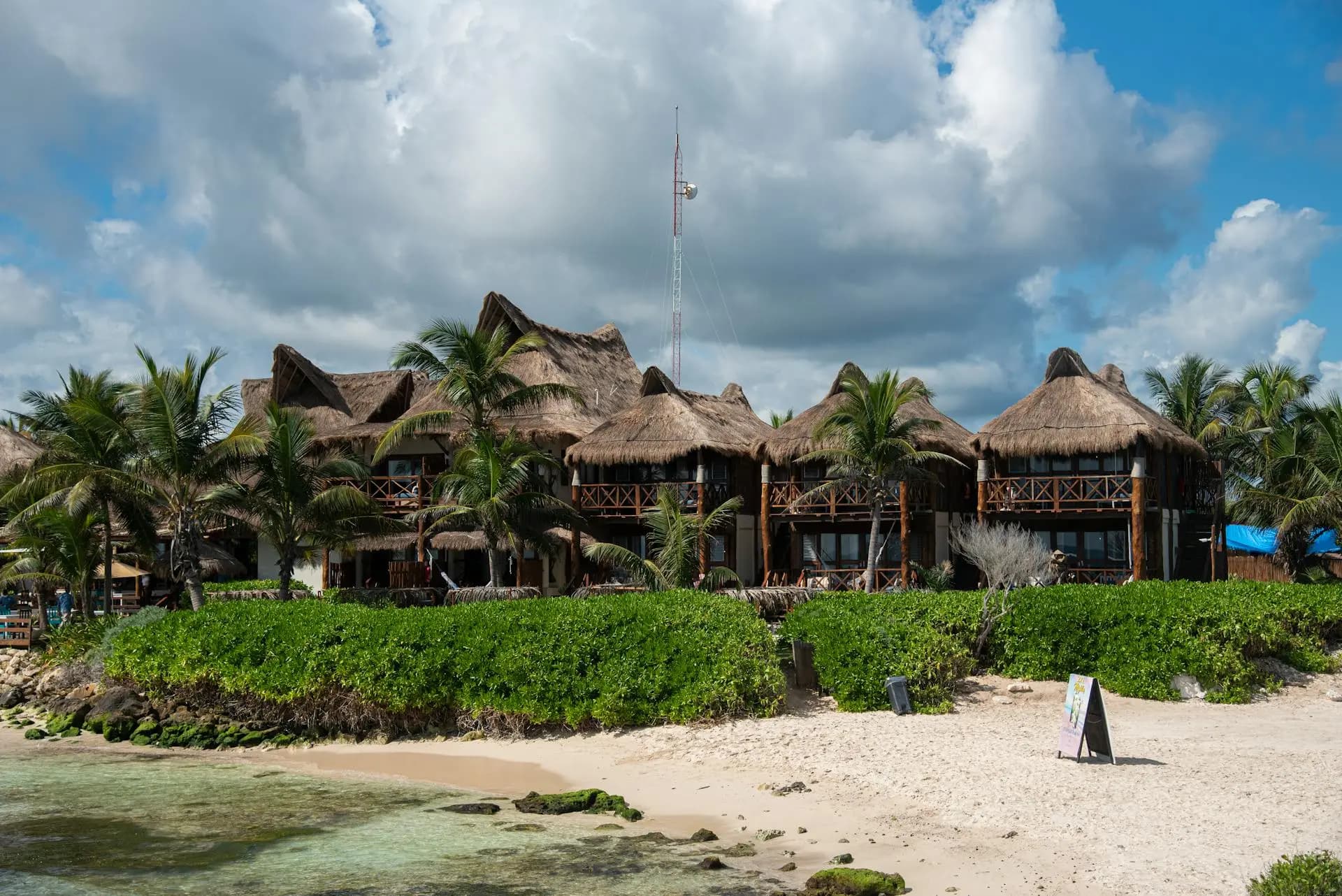
Isla Mujeres lodging is boutique hotels, beachfront posadas, and a few adults-only all-inclusive properties rather than large resorts, so supply is limited and spring-break demand pushes rates up firmly. The first week is meaningfully better value than the spring-break weeks for the same warm, dry conditions. Our Isla Mujeres hotels guide covers 10 properties from about $55 per night, with a live map of every option.
Ferry Conditions and Availability in March
Almost everyone reaches Isla Mujeres by passenger ferry from Cancun. In March the crossing is smoother than in midwinter as the nortes fade, but the terminals are busier with spring-break traffic, so timing matters.
Where the ferries run from
The main passenger ferries depart from Gran Puerto and the adjacent Puerto Juarez terminal just north of central Cancun, with the crossing taking 20 to 25 minutes. Boats run roughly every 30 minutes from early morning until late evening, and the one-way fare is around $5 to $8 USD. Slower departures from the Hotel Zone (Playa Tortugas and Playa Caracol) take closer to 45 minutes, cost more, and run less often, but are convenient if you are staying in the Zona Hotelera, which is where most spring breakers are based.
Sea conditions in March
With the winter norte pattern easing, March crossings are calmer on average than January or February. Early in the month an occasional late front can still make the channel bumpy for a day, but by mid-to-late March the water is generally smooth. This is one of the more comfortable months of the first half of the year for travelers prone to seasickness, particularly on the shorter Gran Puerto crossing.
Crowds and timing at the terminal
Spring break is the catch. The terminals are busiest mid-morning as day-trippers head over, and March sees the largest of those waves in the first half of the year, with longer lines on the 9 to 11 AM departures and the late-afternoon returns. We'd buy a round-trip ticket to skip the return queue and take an early crossing, both to beat the lines and to reach the island before the midday crowd. If you are staying overnight, confirm the last return ferry of the night for your dates.
Snorkeling Visibility in March
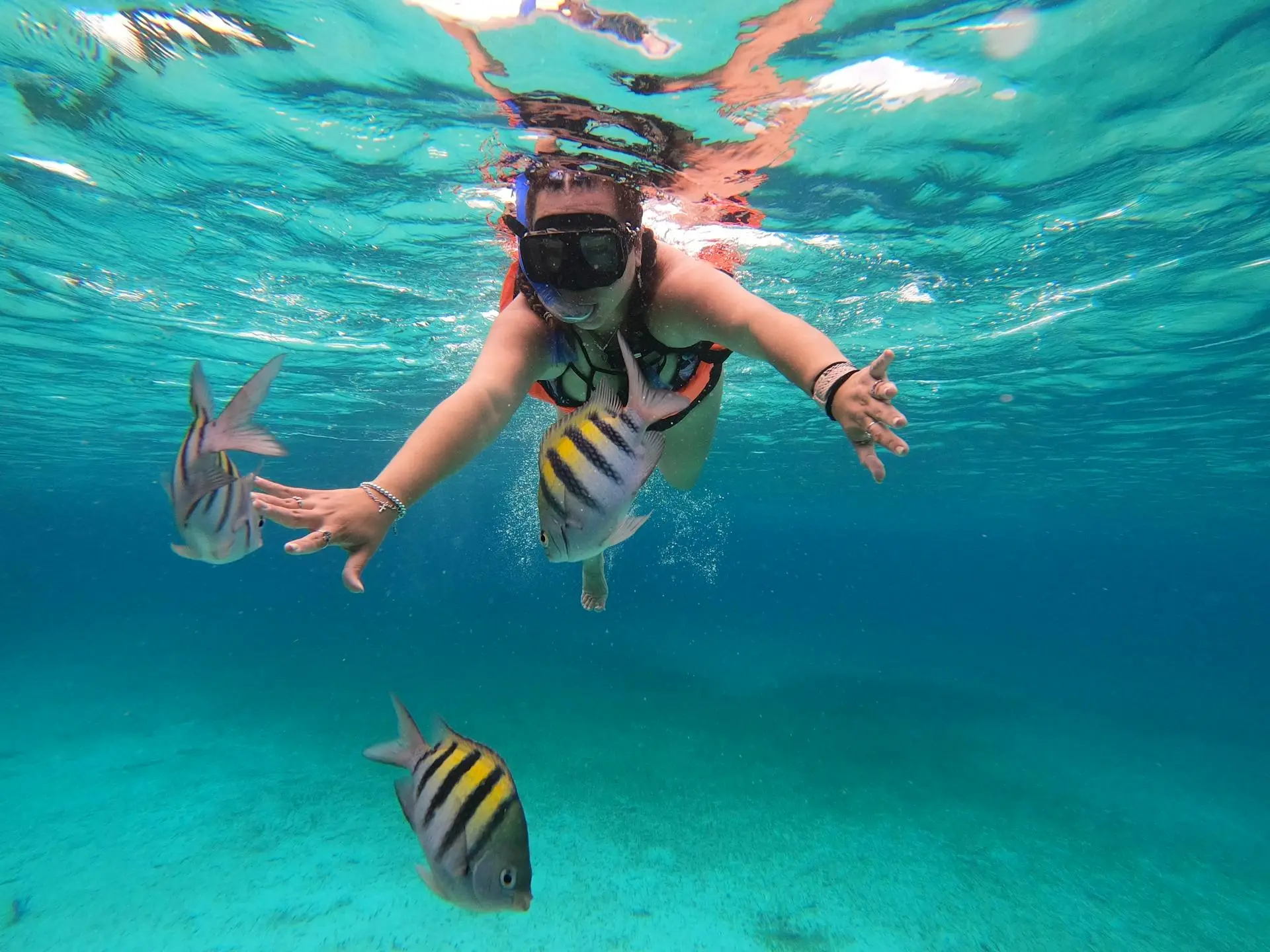
March offers strong snorkeling visibility, especially in the first half of the month, making it one of the better reef windows of the year even though whale sharks are still out of season. Dry-season conditions keep runoff and plankton low, and as the nortes fade the sea settles into calm, clear spells.
Where to snorkel and what visibility to expect
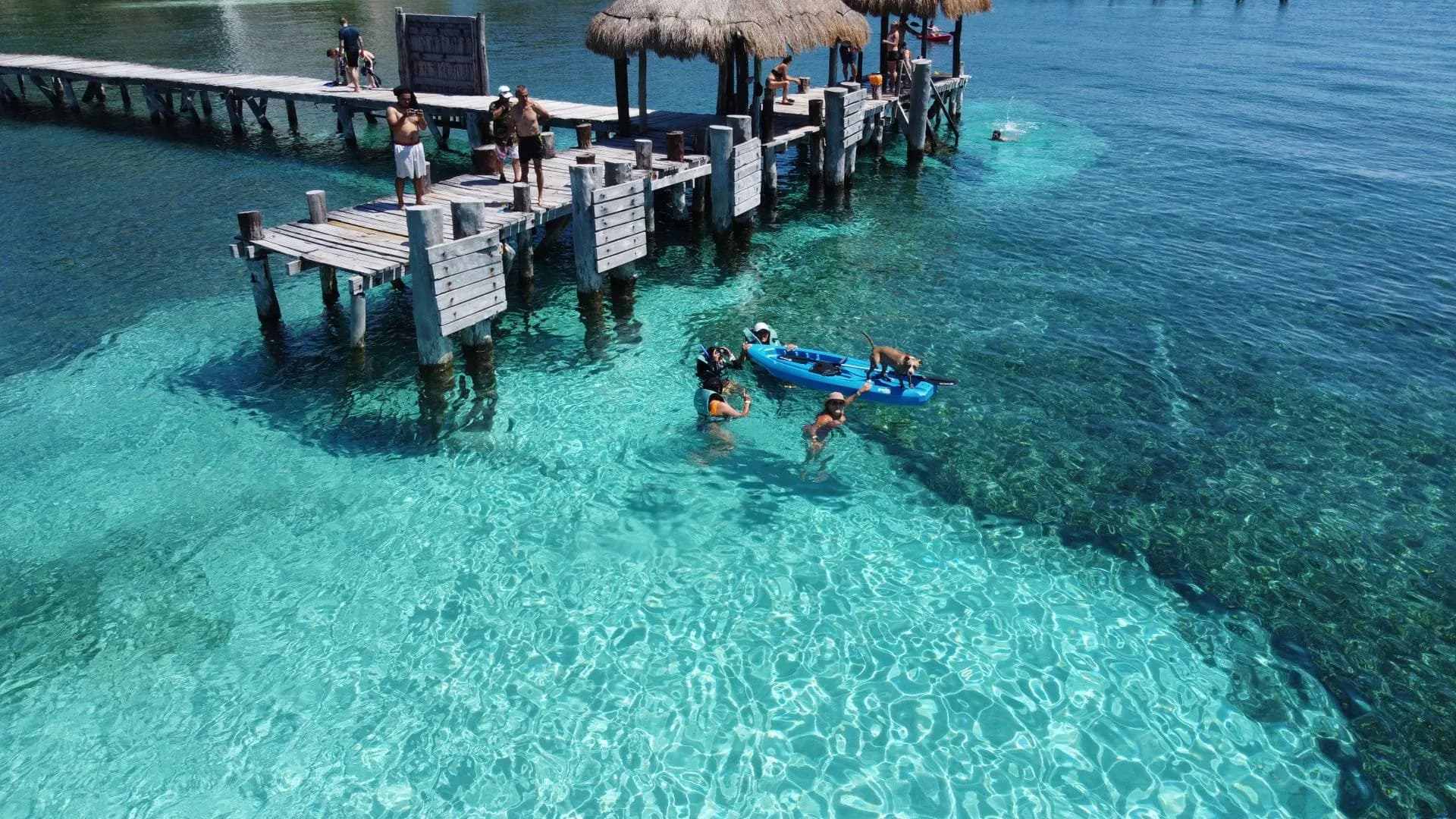
The two headline sites are Manchones Reef, a healthy shallow reef off the island's southeast, and the MUSA underwater museum, a field of more than 500 submerged sculptures colonized by coral and reef fish at around 4 metres depth. In early March, visibility commonly runs 15 to 20 metres or more on calm days, close to the winter peak. The two things to watch are the occasional late norte, which briefly stirs the water, and the start of the sargassum season late in the month, which can begin to cloud the water near east-facing entries. We'd prioritize the first half of March for the clearest conditions.
How to time it
Mornings beat afternoons almost every day. Visibility is highest before midday wind ruffles the surface, and you are out on the reef before the late-morning day-trip boats arrive from Cancun, which matters more in busy spring-break March. For confident swimmers, the El Farito reef edge beyond the north end of Playa Norte is reachable from shore with rental gear. For the boat sites, our Isla Mujeres snorkeling guide compares the operators that run Manchones and MUSA tours.
Most Popular Tours
Whale Sharks in March: Are They Available?
No, not yet. Whale shark season around Isla Mujeres runs mid-May through mid-September, peaking in July and August, when warm water in the Yucatan Channel north of the island draws the feeding aggregation. In March the water is only beginning to warm and the sharks have not arrived; the season is still roughly two months away. No operators run tours this time of year, and any March listing you see will be for the upcoming summer season.
What March offers instead is warm-water swimming, strong early-month reef snorkeling, and the year-round Isla Contoy day trip for open-ocean wildlife. If a whale shark swim is the reason for your trip, plan for the season and see our whale shark tours from Isla Mujeres guide for operators, timing, and how the season builds from its mid-May opening. If you are flexible on the wildlife, March gives you reliably warm beach weather and clear early-month water before the summer season begins.
Most Popular Tours
Seaweed (Sargassum) Conditions in March
March is the month the sargassum question starts to matter again. For most of the month the beaches are clean, but the bloom that defines the Caribbean summer begins to stir in the final week, the first hint of the season ahead.
Early vs late March
The first two to three weeks of March are typically clean, a continuation of the winter low. From around the last week of the month, sargassum begins arriving on the island's east-facing, windward shores, building gradually toward the May through August peak. It is light and intermittent at this stage, nothing like the thick summer mats, but it marks the turn of the season. If clean beaches are a priority, the first half of March is the safer bet.
Why Playa Norte stays clean
The island's geography is the key, and it matters more as the season builds. Sargassum rides in on the prevailing easterly currents and lands on east-facing shores. Playa Norte sits on the sheltered northwest tip, facing away from that flow, so it stays largely seaweed-free even as the eastern coast starts to collect weed late in March. The biggest difference across the island is exactly this leeward protection, which is why Playa Norte remains the reliable beach choice into the sargassum season while the wilder east side does not. We'd plan beach and swimming time on the northwest side from late March onward.
Golf Cart Weather in March
Golf carts are the way to get around Isla Mujeres, and March's warm, dry weather is excellent for open-air touring. The whole island is only about 7km long, and a cart covers it end to end in roughly 20 minutes, so a single day easily takes in Playa Norte, Centro, the east-coast cliff road, Garrafon, and Punta Sur.
Why March conditions are good
Dry-season weather means no afternoon downpours and no slick roads, and with the nortes fading there are fewer gusty days than in midwinter, so the open cliff road is more consistently pleasant. Daytime temperatures around 29°C are warm without the draining humidity of summer, though by late March the midday sun has real intensity, so sunscreen and water matter on a full-island loop. We like March for the cart specifically because the calm, warm afternoons make the east-coast drive and the Punta Sur viewpoints especially good.
Renting in March
Rent from a street shop near the ferry dock rather than through your hotel; street rates typically run $40 to $50 per day versus $10 to $20 more for the same cart arranged at a hotel. Carts are a limited resource and spring-break demand means they go quickly through the late morning, so reserve ahead or collect yours early. A valid driver's license and a deposit are standard.
Playa Norte Swimming Conditions in March
Playa Norte is the reason many people come to Isla Mujeres, regularly ranked among the best beaches in Mexico, and March is a strong month to enjoy it, with warmer water than midwinter and the leeward protection that keeps the early sargassum away.
What the water is like
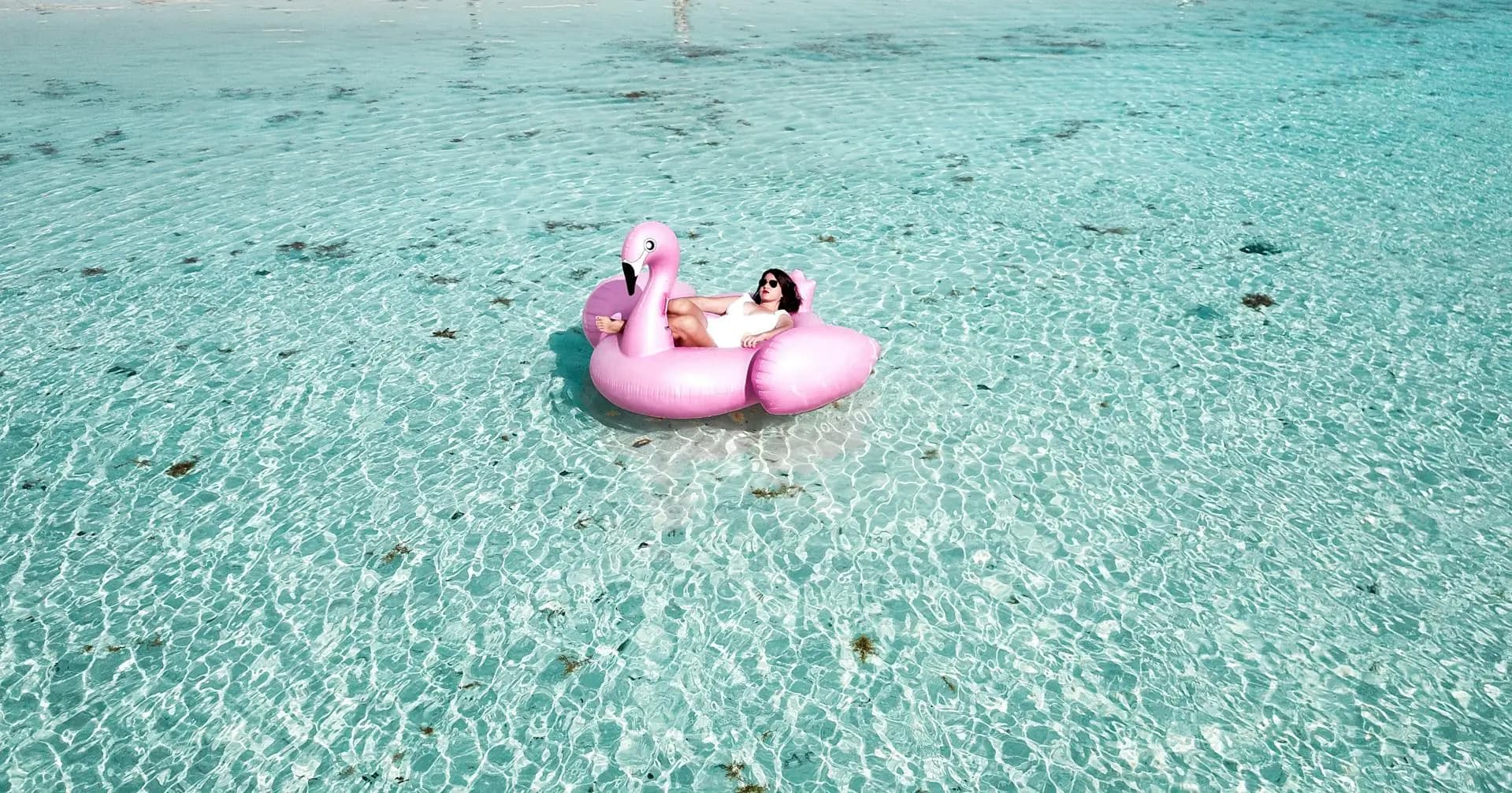
Playa Norte's water is famously shallow and gentle: you can wade out a long way and still stand, which makes it excellent for families and unconfident swimmers. In March the sea warms to about 26°C (79°F), comfortable for extended swimming without a wetsuit. Because the beach faces west and northwest, it is sheltered from the prevailing easterly wind and stays calm on most days, and with the nortes fading there is less of the winter wind-chop that occasionally reached the north shore in January and February. As sargassum begins building on the east coast late in the month, Playa Norte's leeward position keeps it largely clean, which is a big part of why it remains the island's swimming beach into the warmer season.
How to time your beach day
Mornings before about 10 AM are the quietest and prettiest, before the Cancun day-trip boats arrive and fill the beach clubs through midday, which is busier in spring-break March than in the winter months. The beach itself is public and free; loungers and umbrellas cost extra through the clubs. Because Playa Norte faces west, it is the island's prime sunset spot, and March's clear skies make the evenings vivid. Our take: swim in the calm morning, leave for an activity or lunch during the crowded midday, and return for the sunset once the day-trippers have gone.
Is It Worth Staying Overnight in March?
Short answer: yes, and in spring-break March the case is unusually strong, because staying over is what turns the island from a day-trip beach into a calm base away from the Cancun crowds.
Why overnight wins in March
Isla Mujeres empties dramatically after the last day-trip ferries leave in the late afternoon, and the contrast is sharpest in March when the midday crowds are at their largest. The visitors who stay get a different island in the evening: quiet streets in Centro, the beach clubs wound down, and a Playa Norte sunset without the spring-break midday crush. For travelers who want spring-season warmth without the party scene, an overnight on the island is the whole point, the quiet counterweight to Cancun a short ferry away. You also get the calm early morning, the best window for snorkeling visibility and a quiet beach, before the day boats return.
When a day trip is enough
If your only goal is a few hours on Playa Norte and a quick golf-cart loop, a March day trip works fine, and the dry weather makes it reliable, though the busy ferries add time. But if you want to combine the beach with snorkeling, the Isla Contoy trip, or simply a calmer evening than spring-break Cancun offers, the case for a night is decisive. We'd book at least one night if your schedule allows, and early, since spring-break demand thins the limited boutique supply. Our Isla Mujeres hotels guide covers the options from Playa Norte boutiques to adults-only stays.
The Best Activities in Isla Mujeres in March
March is a warm beach-and-reef month on Isla Mujeres. The whale shark headliner is still closed, but the conditions for snorkeling, island touring, and calm-water charters are strong, especially early in the month, and the warm, dry weather makes the whole island comfortable to explore.
| Activity | March Rating | Best Time of Day | Notes |
|---|---|---|---|
| Snorkeling (Manchones & MUSA) | 8/10 | Morning | Strong early month; late-month sargassum can cloud east entries |
| Playa Norte Beach Day | 9/10 | Morning & sunset | Warm calm water; quietest before 10 AM and after day-trippers leave |
| Golf Cart Island Tour | 9/10 | Anytime | Warm, dry weather and fewer windy days as nortes fade |
| Private Sunset Charter | 8/10 | Late afternoon | Calmer seas as the month progresses; clear evening skies |
| Isla Contoy Day Trip | 8/10 | Morning | Year-round bird sanctuary; book ahead in the spring-break weeks |
| Garrafon Natural Reef Park | 8/10 | Morning | Reef snorkeling, zip line, kayaks; busy at spring break |
| Punta Sur Sculpture Garden | 8/10 | Morning | Cliff-top viewpoints; warm and clear March skies |
| Fishing Charters | 8/10 | Morning | Inshore and deep-sea; calmer seas than midwinter as nortes ease |
| Transparent Boat Tour | 7/10 | Morning | Best on calm, clear days; late-month sargassum can reduce visibility |
| Whale Shark Tour | N/A | Not available | Season: mid-May to mid-September only |
Activities That Are Strongest in March
- Snorkeling Manchones and MUSA: Strong in the first half of the month, when visibility is close to the winter peak and the water is warming. We'd prioritize early March and a settled-weather morning; by late March the building sargassum can cloud east-facing entries, so the leeward sites are the better bet.
- Playa Norte and the island sunset: The signature beach is at its best in March, warm enough for long swims and still leeward-protected from the early sargassum. Swim in the calm morning, clear out for the crowded midday, and return for the west-facing sunset once the day boats have gone.
- Golf-cart island loop: Warm, rain-free, increasingly calm March weather makes the open-air drive around the whole 7km island genuinely enjoyable, taking in the east-coast cliff road, Punta Sur, and Garrafon in a single relaxed day.
Year-Round Activities With March-Specific Notes
- Isla Contoy Day Trip: The federally capped (200 visitors/day) bird sanctuary is the best open-ocean wildlife day available in March, with a reef snorkel stop on the return. The cap fills faster during the spring-break weeks, so book ahead. We'd book this if you want a wildlife day while whale shark season is still closed.
- Fishing charters: Inshore and deep-sea charters run year-round, and March is a good month as the seas calm with the fading nortes, fewer trips cancel than in midwinter. Book an operator who reschedules without penalty if an early-month front is forecast.
- Private sunset charter: Calmer seas later in the month and clear skies make March charters reliable. We'd lean toward a private charter from the island over a shared Cancun catamaran for the difference in atmosphere, especially worth it as a quiet contrast to spring-break Cancun.
Most Popular Tours
More March Activities Worth Knowing About
These activities do not yet have their own dedicated guides on this site, but they are popular and well-established on Isla Mujeres in March.
Punta Sur and the Easternmost Point of Mexico
The island's southern tip combines a cliff-top sculpture garden, a small Mayan temple to Ixchel, and the marker for the easternmost point of Mexico. A few dollars buys entry, and March's clear, warm skies make the coastal viewpoints especially sharp. The sunrise here, where Mexico first catches the day, is a quiet alternative to the busy Playa Norte sunset in spring-break March.
Garrafon Natural Reef Park
This pay-access park (roughly $70 to $80) bundles reef snorkeling, an infinity pool, kayaks, paddleboarding, and a zip line over the sea on the island's southwest shore. It is busy during the spring-break weeks and best on calm, clear days; the leeward southwest location keeps it cleaner than the east coast as the late-month sargassum builds. A good structured half-day, particularly for families.
Avenida Hidalgo and Centro Dining
The pedestrian main street and surrounding town center hold the island's best local eating, from taco stands to seafood restaurants. March's warm evenings make walking Hidalgo after dark one of the most pleasant things to do, and it is calmer than spring-break Cancun's dining scene. The better restaurants fill up in the evening during the spring-break weeks, so arrive early or reserve.
Beach Clubs and Day Passes
Playa Norte's beach clubs are at their liveliest in March, offering loungers, food, and drinks with a day-pass or minimum-spend model. They are a comfortable way to spend a spring-season beach day, though they are busiest through the midday day-tripper window. Mornings are calmer if you want the same setting with fewer people.
Tortugranja Turtle Sanctuary
The island's sea turtle conservation center charges a few dollars' entry and is an easy, kid-friendly stop on a golf-cart loop. There are no hatchling releases in March, as nesting season runs July to October, but the tanks and educational exhibits are open year-round and make a good break from a busy spring-break beach.
Most Popular Tours
From Our Experience
What we consistently see is that March's happiest visitors book the first week, stay at least one night, and treat the island as a calm base rather than a spring-break party. The first week beats both the spring-break crowds and the late-month sargassum, and an overnight buys the quiet evenings that are the island's real edge over Cancun this month.
Tips for Visiting Isla Mujeres in March
- Book the first week if you can: early March comes before the heaviest spring-break weeks, before sargassum starts building, and before the late-month ramp toward Mexican Holy Week, while keeping the clear, calm water of peak winter. It is the best conditions-to-crowds window of the month.
- Use the island as a calm spring-break base: spring-break energy concentrates in Cancun, and Isla Mujeres stays noticeably quieter. If you want warm beach days without the party scene, base on the island and take the 20-minute ferry to Cancun only if you want the nightlife. Our Isla Mujeres hotels guide covers 10 options from about $55 per night.
- Stay at least one night: the island fills with day-trippers from late morning to mid-afternoon, with March's largest midday waves, and empties beautifully in the evening. Staying over gives you the quiet beach, the best snorkeling visibility at first light, and the calm evenings the day crowds never see.
- Plan beach time on Playa Norte from late March: as sargassum starts building on the east-facing shores in the final week, the leeward northwest beaches stay clean. Playa Norte is the reliable swimming choice as the season turns.
- Book activities and rooms early for spring break: spring-break demand thins the island's limited boutique supply and fills the Isla Contoy cap faster. Reserve accommodation, golf carts, and any capped tours well ahead, especially for mid-to-late March.
- Mornings beat afternoons for everything: snorkeling visibility is highest before midday wind, Playa Norte is quietest before 10 AM, and you beat the day-trip boats, which matters more in busy March. Structuring the day around this changes the whole experience.
- The ferry is calmer now, but the terminals are busier: the fading nortes make March crossings smoother than midwinter, but spring break crowds the docks. Buy a round-trip ticket to skip the return queue and travel in the morning.
- Visiting at a different time of year? Our Isla Mujeres in April guide covers the next month, with the Easter (Semana Santa) peak early and a quieter, warmer shoulder after, and our February guide covers the quieter, peak-visibility month before spring break. For the island's signature summer experience, our whale shark tours from Isla Mujeres guide covers the mid-May to mid-September season. For the full island overview, see our things to do in Isla Mujeres guide. For how March compares with the rest of the year, see our full guide to the best month to visit Isla Mujeres.
How We Put This Guide Together
The Cancun Trip Insider team built this guide from operator data, seasonal availability records, regional weather, current, and sargassum patterns for the northern Yucatan, and verified traveler review trends across Isla Mujeres's March activity categories. March is a transitional month, peak dry-season weather and spring-break crowds early, with the first sargassum and the ramp toward Holy Week late, and we prioritized accurate framing of that arc over promotional language: every claim about weather, water, ferry conditions, crowds, seaweed, and seasonal timing reflects documented patterns rather than best-case marketing. This guide was reviewed and updated in June 2026. March conditions on Isla Mujeres are generally consistent year to year, but spring-break dates and sargassum timing vary, so we recommend confirming tour and ferry scheduling in the weeks before your trip. Every activity with a dedicated guide on this site links out to full operator comparisons and real review data.
Frequently Asked Questions
Is Isla Mujeres good in March?+
Yes, with a couple of seasonal shifts to plan around. March is warm and reliably dry, with easing norte wind, water warming to a comfortable 26°C, and strong snorkeling visibility especially in the first half of the month. The catches are spring break, which makes March the busiest non-holiday month and pushes prices up, and sargassum, which starts building on the east-facing shores late in the month. The island stays calmer than spring-break Cancun, which is its main advantage. Book early March to get ahead of both the crowds and the seaweed.
What is the weather like in Isla Mujeres in March?+
March is warm and one of the driest months of the year. Daytime highs reach around 28 to 30°C (82 to 86°F) with moderate humidity, and evenings are mild at 21 to 23°C (70 to 73°F). Rain is minimal. The winter norte (cold front) pattern is fading, so the wind eases and the seas calm through the month, with only the occasional weaker front early on. The sea warms to about 26°C (79°F), comfortable for extended swimming and snorkeling.
Is Isla Mujeres busy during spring break?+
March is the busiest non-holiday month on the Mexican Caribbean, but the spring-break party energy concentrates in Cancun's Hotel Zone rather than on Isla Mujeres. The island sees higher day-tripper numbers and firmer hotel prices through the mid-to-late-month spring-break weeks, and the midday beach clubs get busy, but it stays noticeably calmer than Cancun. That makes Isla Mujeres a good base for travelers who want spring-season warmth without the party scene.
Is there sargassum (seaweed) in Isla Mujeres in March?+
Mostly no, but it starts late in the month. The first two to three weeks of March are typically clean, a continuation of the winter low. From around the last week, sargassum begins building on the island's east-facing, windward shores, the first hint of the May through August peak. Playa Norte, on the sheltered northwest tip, stays largely protected even as the east coast starts to collect weed. For the cleanest beaches, the first half of March is the safer bet.
Can you see whale sharks in Isla Mujeres in March?+
No. Whale shark season around Isla Mujeres runs mid-May through mid-September, peaking in July and August. In March the water is only beginning to warm and the sharks have not arrived, so no operators run tours yet. What March offers instead is warm-water swimming, strong early-month reef snorkeling, and the year-round Isla Contoy day trip for open-ocean wildlife. For whale sharks, plan a trip from mid-May onward.
Is March expensive in Isla Mujeres?+
March carries spring-break pricing, the busiest non-holiday demand of the year, so the mid-to-late-month weeks are among the more expensive of the season on the island's limited boutique supply. The first week (before the heaviest spring-break weeks) is meaningfully better value for the same warm, dry conditions. The very end of the month begins ramping toward Mexican Holy Week in early April, which adds further demand.
What is the best week to visit Isla Mujeres in March?+
The first week, roughly March 1 to 6. It falls before the heaviest US spring-break weeks, before sargassum starts building, and before the late-month ramp toward Mexican Holy Week, while keeping the clear, calm water of peak winter. It is the best combination of conditions, value, and smaller crowds in the month.
What activities are best in Isla Mujeres in March?+
Snorkeling at Manchones Reef and MUSA is strong, especially in the first half of the month, and Playa Norte beach days are excellent with warmer water and leeward protection from the early sargassum. Golf-cart island touring, the year-round Isla Contoy day trip, private sunset charters, fishing charters (calmer as nortes ease), Garrafon Reef Park, and Punta Sur all suit the warm, dry conditions. Whale shark tours are the only major activity unavailable in March.
Affiliate note: Some links on this page are affiliate links. If you book through them, we may earn a small commission at no additional cost to you.