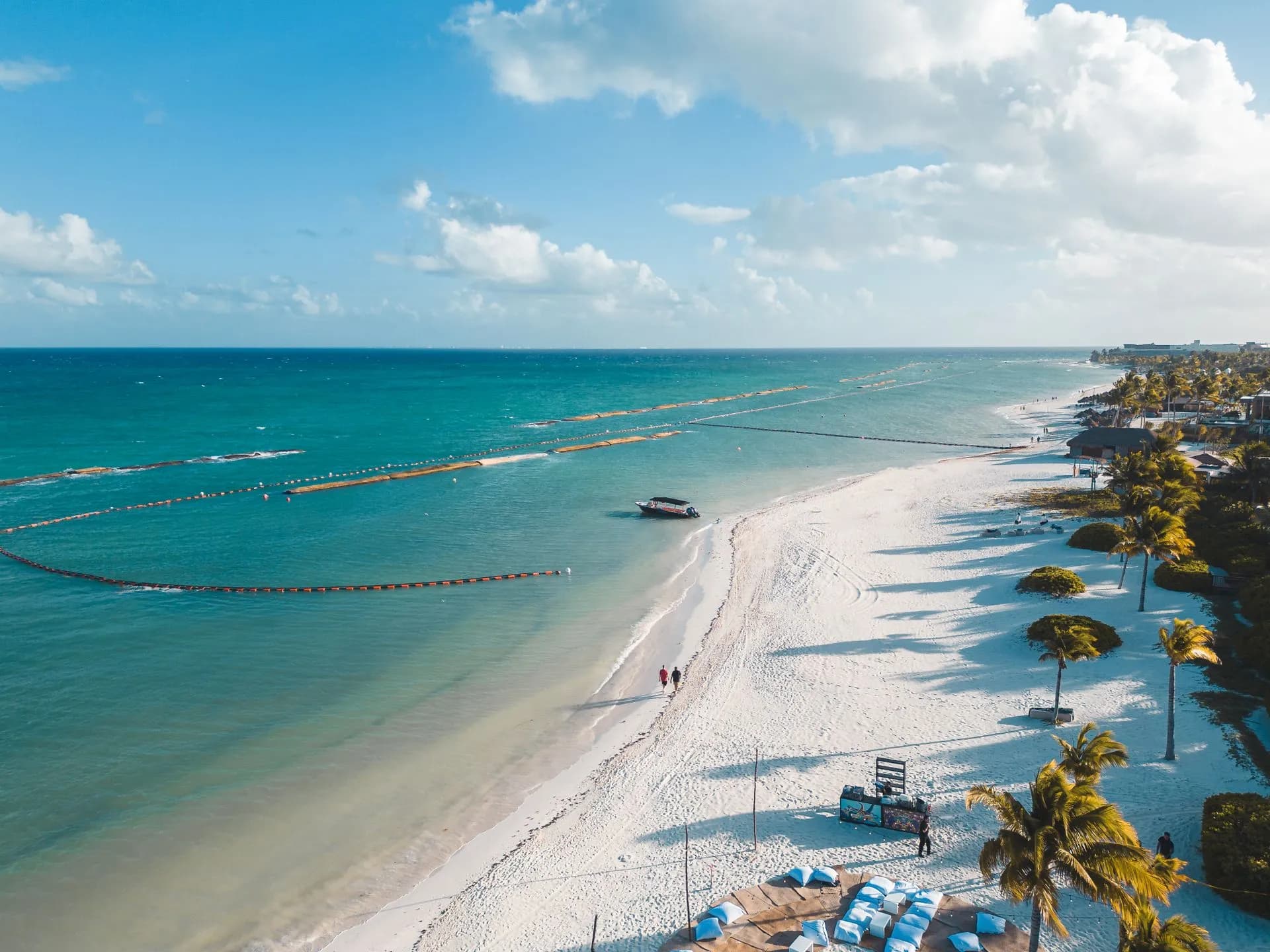
September is the Riviera Maya's low-season month: the cheapest and quietest of the year, and the whale shark season's final two weeks before it closes until next May. The tradeoffs are the biggest of the calendar, as it is the wettest month and the Atlantic hurricane peak. Here is the honest picture for flexible, value-minded travelers.
What You Should Know
- September is the whale shark season's finale: tours typically run only through the first two weeks or so before the season closes until next May. If whale sharks are your goal, come early in the month and book the first available dates.
- September is the cheapest and quietest month of the year along the whole corridor, from Puerto Morelos to Tulum. Hotel rates hit their annual low and the beaches, tours, and towns are at their calmest.
- It is also the wettest month and the peak of Atlantic hurricane season, centred around mid-September. Most trips still see mainly heavy afternoon storms, but the practical risk is at its yearly high, so flexible bookings and travel insurance matter most now.
- Sargassum is easing from the summer peak through September to medium and improving, one silver lining of the month. The offshore reef, whale shark waters, and inland cenotes are unaffected as always.
Whale Shark Swim Tour from the Riviera Maya
September is the whale shark season's last call: tours generally run only through the first two weeks before it closes until May. Early September still delivers strong sightings, so if this is your trip's goal, book the earliest dates. Tours include hotel transfers, reef snorkeling, and lunch.
Book NowThe Riviera Maya in September: The Honest Picture
⭐ Best September window for the corridor: the first week or two. That is when whale shark season is still running and you get the month's value before the deepest rain. It also overlaps the mid-September hurricane peak, so book flexibly and watch the forecast.
| Factor | September Rating |
|---|---|
| Weather | 4/10 — hottest and wettest; hurricane-season peak |
| Crowds | 9/10 — the quietest month of the year |
| Prices | 9/10 — the cheapest month of the year |
| Beaches | 5/10 — sargassum easing; variable but improving |
| Reef & Cenotes | 7/10 — good between storms; cenotes excellent all month |
| Sargassum | 5/10 — medium and declining from the summer peak |
| Whale Sharks | 6/10 — strong first two weeks, then season closes |
| Families | 5/10 — great value; weather risk and school-term timing |
| Couples | 5/10 — quiet and cheap; wettest weather to plan around |
📅 The Riviera Maya month by month, at a glance (weather comfort, relative hotel price, and seaweed risk):
| Month | Weather | Prices | Seaweed | Overall |
|---|---|---|---|---|
| January | ⭐⭐⭐⭐⭐ | $$$$ | Low | 10/10 |
| February | ⭐⭐⭐⭐⭐ | $$$$ | Low | 9.8 |
| March | ⭐⭐⭐⭐ | $$$$$ | Medium | 9.0 |
| April | ⭐⭐⭐⭐ | $$$$ | Medium | 8.5 |
| May | ⭐⭐⭐ | $$ | High | 7.2 |
| June | ⭐⭐⭐ | $$ | High | 7.0 |
| July | ⭐⭐⭐ | $$$ | High | 7.2 |
| August | ⭐⭐⭐ | $$$ | High | 7.0 |
| September | ⭐⭐ | $ | Medium-High | 6.2 |
| October | ⭐⭐⭐⭐ | $$$ | Low-Medium | 8.0 |
| November | ⭐⭐⭐⭐ | $$$ | Low | 9.0 |
| December | ⭐⭐⭐⭐ | $$$$$ | Low | 8.5 |
💰 Average September hotel prices (4-star, mid-range along the corridor):
Puerto Morelos: ~$135/night · Playa del Carmen: ~$145/night · Puerto Aventuras: ~$150/night · Akumal: ~$160/night · Tulum: ~$185/night
Rough mid-range estimates aggregated from booking data, the year's lowest; rates vary significantly by property and lead time.
September is the Riviera Maya's true low season, and it is a month of clear tradeoffs. On the upside, it is the cheapest and quietest month of the year: hotel rates bottom out, the beaches and towns are at their calmest, and you can have popular cenotes and reef sites nearly to yourself. It also holds the whale shark season's final act, with tours generally running through the first two weeks before the season closes until next May. And the sargassum that dominates the summer is easing through the month, so beaches often improve as September goes on.
The downside is the biggest of the calendar. September is the wettest month, with the heaviest and most frequent rain of the year, including multi-day systems rather than just quick afternoon storms. It is also the statistical peak of the Atlantic hurricane season, centred on mid-September. The honest reality is that most September trips still experience mainly heavy rain rather than a hurricane, direct hits on any given week remain uncommon, but the risk is at its annual high, and it is the one month where we would not travel without flexible bookings and travel insurance. Some smaller businesses and beach clubs also take their annual break in September.
In our view, September rewards a specific traveler: flexible and value-driven, ideally chasing the last of the whale sharks in the first two weeks, comfortable building the trip around cenotes, reef, and ruins, and willing to accept real weather risk for the year's lowest prices and emptiest beaches. If that is not you, October begins the dry-out and November is the value-season sweet spot with far better weather. If whale sharks are the whole point, come in the first half of the month, or plan for the reliable June-through-August window instead.
Most Popular Tours
Compare and Book the Top Riviera Maya Tours
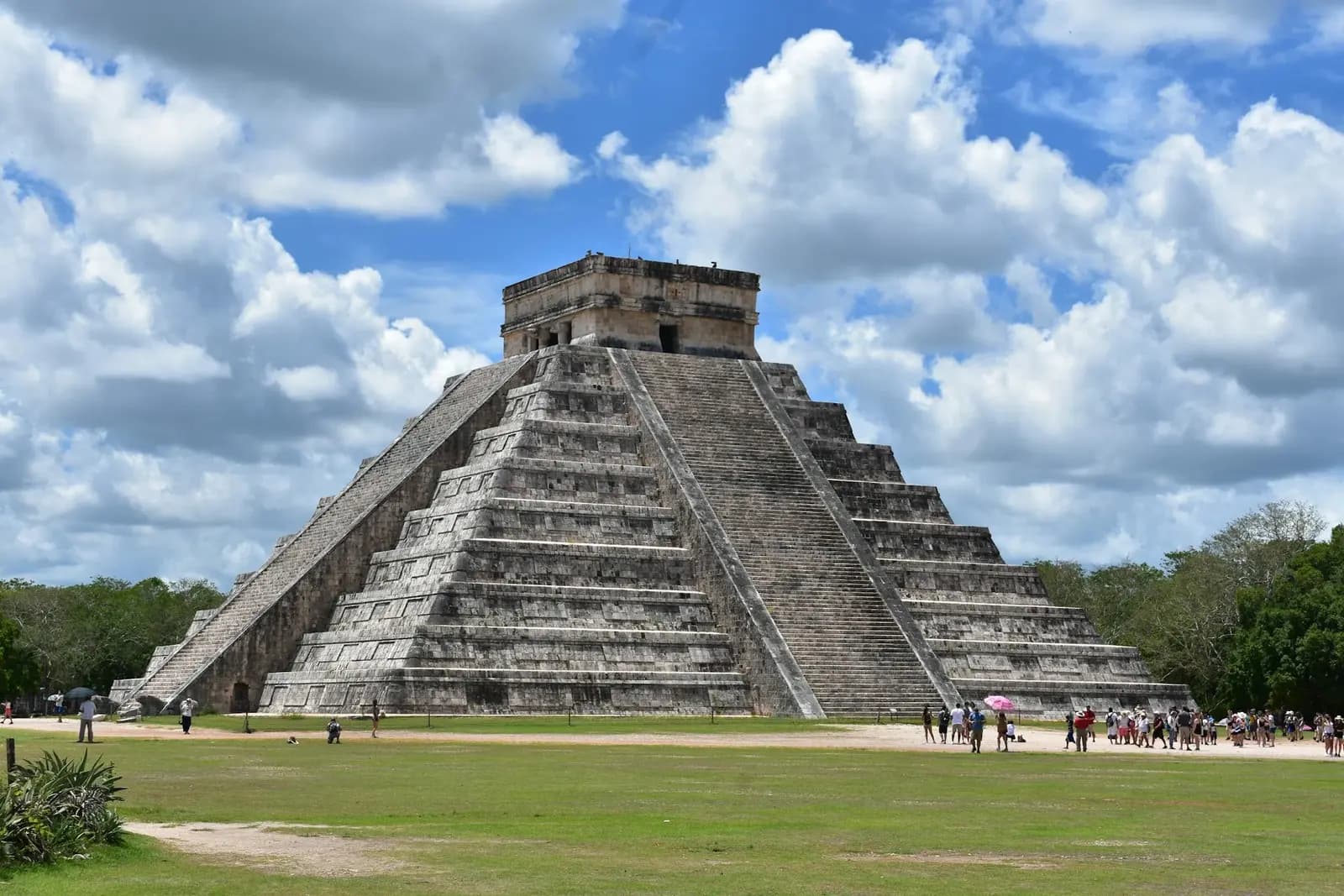
These are the most-booked experiences along the corridor in September. The whale shark tour runs only through roughly the first two weeks before its season closes, so book it early in the month; for later September, the fully inland trips, Chichén Itzá, Tulum, and the Rio Secreto caves, are the reliable, weather-proof picks. Compare live options below, then book directly.
Whale Sharks in September: The Season's Final Two Weeks
September is the whale shark season's last call on the Riviera Maya. Tours generally run through roughly the first two weeks of the month before operators close the season, which stays shut until it reopens around mid-May. Early September sightings are still strong, on the tail of the summer peak, so if a whale shark swim is your goal and you are travelling this month, the first week or two is your window and you should book the earliest available dates.
The practical picture is the summer one, with a low-season twist. Riviera Maya operators still include hotel transfers from the corridor towns, but fewer departures run as the season and the crowds wind down, so booking ahead matters even in a quiet month. Because September is the wettest, stormiest month, weather cancellations are more likely than at midsummer, which is another reason to book early in your stay and choose free cancellation so a blown-out day can be rescheduled while the season is still open.
If your dates fall in the second half of September, plan without whale sharks: by then the season has typically closed. That is not a disaster, the reef, cenotes, and ruins are all still excellent, but it does mean late-September visitors chasing whale sharks will miss out, and it is the single most important timing fact for the month. For guaranteed, reliable whale sharks, June through August is the window; September is strictly the early-month finale.
Most Popular Tours
Riviera Maya Weather in September: Rain, Hurricanes & Sea Conditions
| Metric | September |
|---|---|
| Avg High | 32°C (90°F) |
| Avg Low | 24°C (75°F) |
| Water Temp | 29–30°C (84–86°F) |
| Rain Days | ~14, the wettest month |
| Humidity | Very high |
| Wind | Variable; higher around storm systems |
| Hurricane Risk | Highest of the year (peak ~mid-September) |
Temperature and Humidity
September is hot and very humid, with daytime highs around 31 to 32°C (88 to 90°F) and warm, sticky nights near 24°C (75°F). The temperature is a touch lower than the July-August peak because of the extra cloud and rain, but the humidity is at its highest of the year, so it feels heavy. Caribbean Sea temperature remains a bath-warm 29 to 30°C (84 to 86°F). As in any deep-summer month, mornings are the window for outdoor activity before the clouds and storms build (historical averages via Mexico's Servicio Meteorológico Nacional).
Rain and Hurricane Season
This is the crux of the month. September is the wettest month of the year on the Riviera Maya, with monthly rainfall around 180 to 230mm, and the rain is not just quick afternoon storms: multi-day systems and tropical waves can bring extended wet, grey spells. It is also the statistical peak of the Atlantic hurricane season, which centres on the second week of September. The honest reality is that most September trips still see heavy rain rather than a hurricane, and a direct hit on any given week is uncommon, but the risk is at its annual high. We would only travel in September with fully flexible, free-cancellation bookings and travel insurance, and we would keep a close eye on the forecast in the days before and during the trip. If a named storm is tracking toward the Yucatán, follow local and hotel guidance.
Sea Conditions, Reef, Cenotes and Sargassum
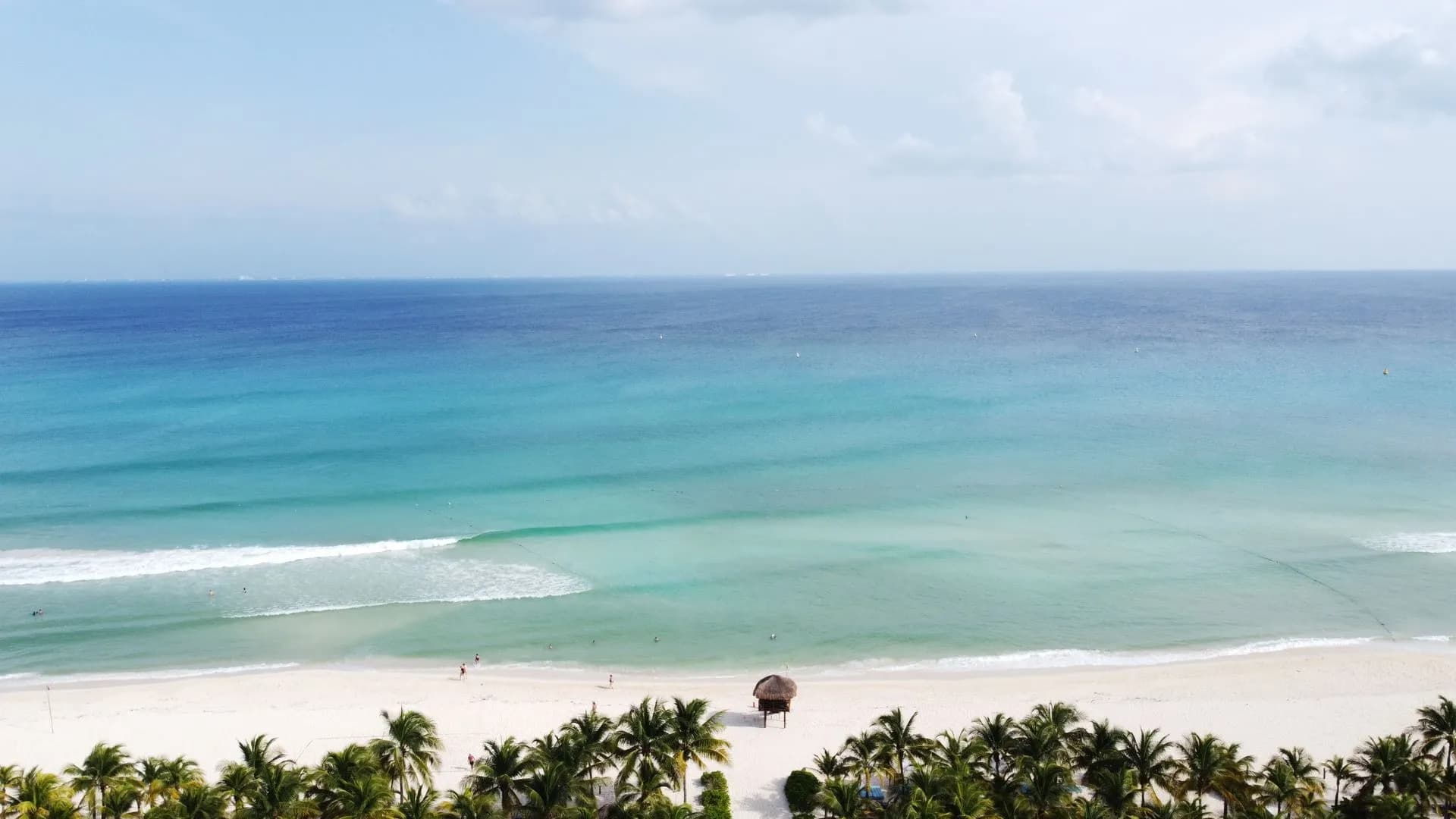
Between systems, the sea is warm and often calm, and reef and cenote conditions are good, though reef visibility can drop after heavy rain and runoff. The cenotes, fed by filtered groundwater, stay crystalline and are the most weather-proof activity in a wet month. The one genuine improvement is sargassum: it eases from the summer peak through September to medium and generally improving, so beaches are often better late in the month than in July or August. It still lands most on the open-facing beaches; the offshore reef, whale shark waters, and inland cenotes are unaffected.
| Month | Weather | Sargassum Risk | Whale Sharks | Prices | Best For |
|---|---|---|---|---|---|
| September | Hottest, wettest, hurricane peak | Medium, declining | Ends ~mid-Sep | Cheapest of the year | Bargains; last whale sharks (early) |
| August | Hot, humid, storms possible | High, easing late | Peak season | Peak early, drops late | Peak whale sharks, late-month value |
| October | Wet to dry transition | Low-Medium | Not available | Shoulder | Post-summer value, drying out |
| November | Dry, mild | Low | Not available | Below peak | Best value dry season |
| July | Hot, humid, afternoon storms | High | Peak season | Summer family peak | Peak whale sharks, families |
| February | Dry, warm, calmest of winter | Low | Not available | High; Valentine's bump | Couples, reef, cenotes |
Crowds and Prices in September: What to Expect Along the Corridor
September is the quietest and cheapest month of the year on the Riviera Maya, the deep low season, corridor-wide from Puerto Morelos to Tulum. If value and space are your priorities and you can accept the weather risk, no month delivers them like this one.
The Year's Lowest Prices
School holidays are over, summer travel has ended, and the wet-season and hurricane-season reputation keeps demand low, so hotels drop to their annual lows across every town and category. Mid-range and upper-end properties in particular offer their best rates of the year, and last-minute deals are common. Tulum, the priciest town in winter, is at its most affordable now. It is the single best month for a comfortable stay on a modest budget, weather permitting.
Empty Beaches and Easy Booking
Crowds are minimal all month. Popular cenotes, reef trips, and eco-parks that are packed in summer are calm in September, and you rarely need to book far ahead except for the early-month whale shark tours. The flip side is that some smaller restaurants, beach clubs, and tour operators take their annual break in September, so a few favourites may be closed; the major attractions and hotels stay open.
The Value-Versus-Risk Trade
September's low prices are the market pricing in the weather risk. From what we've seen, the travelers who do well in September are those who book refundable rates, buy travel insurance, and treat the savings as compensation for accepting some chance of rain-affected or, rarely, storm-affected days. Go in with flexibility and the right expectations, and it can be a genuinely rewarding, uncrowded, low-cost trip.
Who Should Visit the Riviera Maya in September?
September is the most polarising month of the year. Here is the honest fit.
| ✓ Perfect for | ✗ Less ideal for |
|---|---|
| Budget travelers wanting the year's lowest prices | Anyone who cannot risk rain-affected days |
| Flexible travelers with refundable bookings and insurance | Travelers on a fixed, non-refundable itinerary |
| Early-month whale shark chasers (season's last call) | Late-September whale shark seekers (season closed) |
| Crowd-averse visitors wanting empty beaches | Anyone nervous about hurricane season |
| Cenote, reef, and ruins fans (weather-proof options) | First-time visitors wanting reliable beach weather |
Perfect for: budget and flexible travelers who want the year's lowest prices and emptiest beaches, early-month whale shark chasers catching the season's finale, and anyone happy to build the trip around cenotes, reef, and ruins with refundable bookings and insurance in place.
Less ideal for: travelers on fixed, non-refundable plans, anyone who cannot absorb rain-affected days or is nervous about hurricane season, late-September visitors hoping for whale sharks, and first-timers wanting reliable beach weather. If that is you, wait for the October dry-out or the November value-season sweet spot, or come in winter for the best conditions of all.
Sargassum in September: Easing at Last
September brings the month's one clear improvement: sargassum eases from the May-through-August peak. Risk drops through the month to medium and generally declining, so beaches are often noticeably better in late September than at the summer high, one of the few weather-related upsides of the low season. It remains variable year to year, and heavy rain can stir conditions, but the seasonal trend is downward.
Town still matters. Most people don't realize sargassum here varies more by town than by month: in the same week, Puerto Morelos behind its reef can stay largely clear while Tulum's open beach catches a line. Puerto Morelos, sheltered behind its offshore reef, is the most consistently clean beach on the mainland. Playa del Carmen and the Akumal bays sit in the middle. Tulum's long, open beach is the most exposed, though it too improves as the season turns. The offshore reef sites, whale shark waters, and inland cenotes are essentially unaffected. For the cleanest beach, base near Puerto Morelos or hop to Cozumel's leeward west coast.
Check real-time conditions before your trip. The University of South Florida Optical Oceanography Lab posts weekly sargassum satellite updates, and local Facebook groups post daily beach photos. In September the maps typically show the bloom thinning, so a clean beach is a more realistic hope late in the month than it is in July or August.
Where to Base Yourself in September
In September, rain-resilience and value should shape where you base yourself, alongside the usual sargassum picture. The weather is the same corridor-wide, but the towns differ in how well they handle a wet day: Playa del Carmen, with the most indoor dining, shopping, and covered options, is the most rain-resilient, while a beach-focused Tulum stay is the most exposed to washout days. The main tradeoff is rain-resilient base versus beach-and-style: for a wet-month trip we'd lean toward Playa del Carmen or Puerto Morelos. A car is optional: the highway is easy, colectivos and taxis connect the towns, and most tours include pickup, though some operators run reduced low-season schedules.
Puerto Morelos
In a wet, low-season month, Puerto Morelos is our pick for the cleanest, calmest beach on the mainland and a low-key base with the whale shark departures in reach for early-month visitors. Sargassum eases here fastest, and September's rock-bottom prices make it excellent value. Best for flexible travelers who want quiet water and the lowest seaweed risk.
Playa del Carmen
The most convenient base, walkable and central, with the Cozumel ferry and the whale shark and day-trip departures in reach, and the year's lowest rates in September. Its indoor dining, shopping, and covered options make it the most rain-resilient town, useful in the wettest month. Great for a flexible, car-free value trip; some smaller venues may be closed.
Puerto Aventuras & Akumal
The mid-corridor family belt is quiet and cheap in September, with calm bays and easy cenote access for weather-proof days. Puerto Aventuras is a gated marina with dolphins; Akumal has turtle snorkeling. Both suit budget-minded families who will build around cenotes and reef and keep beach time flexible. Expect some seasonal closures.
Tulum
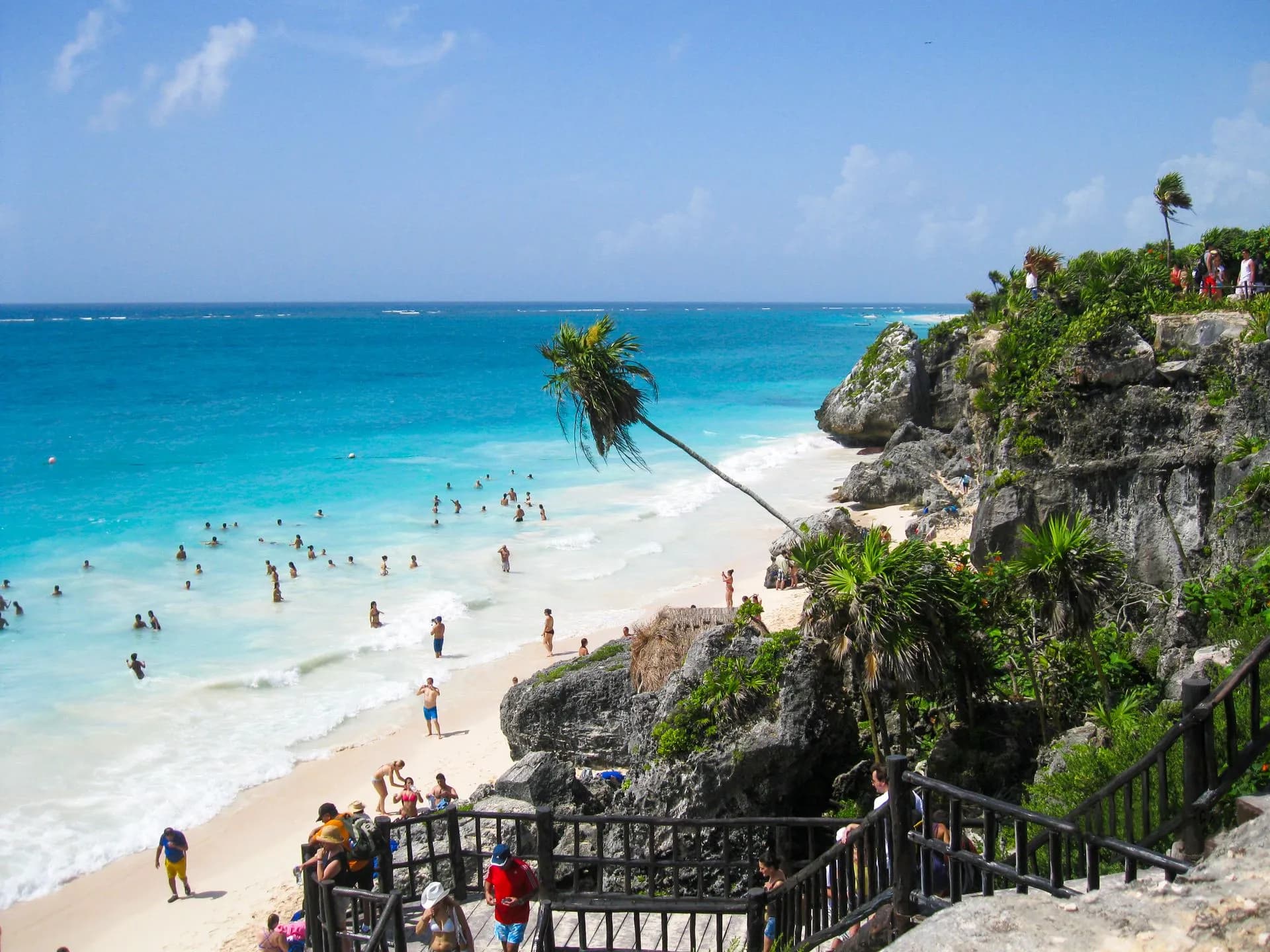
September is Tulum at its most affordable, with the biggest drops from its winter peak, and its improving late-season beach. The catch is the wettest weather and the most seasonal closures of any corridor town, as some boutique beach-road spots pause in low season. Best for flexible travelers who want Tulum's style at the year's lowest prices and lean on cenotes and day trips.
Most Popular Tours
The Best Activities in the Riviera Maya in September
September's activity plan should be weather-led: cenotes and the last of the whale sharks up top, with reef, ruins, and eco-parks around the rain. The inland and covered options are what make a wet month work.
| Activity | September Rating | Best Time of Day | Notes |
|---|---|---|---|
| Cenote Swims (Dos Ojos, Rio Secreto) | 10/10 | Midday | Constant 24°C; the most weather-proof activity in the wettest month |
| Whale Shark Tour (first ~2 weeks) | 7/10 | Early morning | Season's finale; book early dates, storm cancellations possible |
| Chichén Itzá Day Trip | 8/10 | Early morning | Fully inland; runs in the rain; quietest of the year |
| Puerto Morelos Reef Snorkeling | 8/10 | Morning | Offshore sites clear between storms; sargassum easing |
| Cozumel Reef (ferry from Playa) | 8/10 | Morning | Leeward coast stays clean; check the ferry forecast |
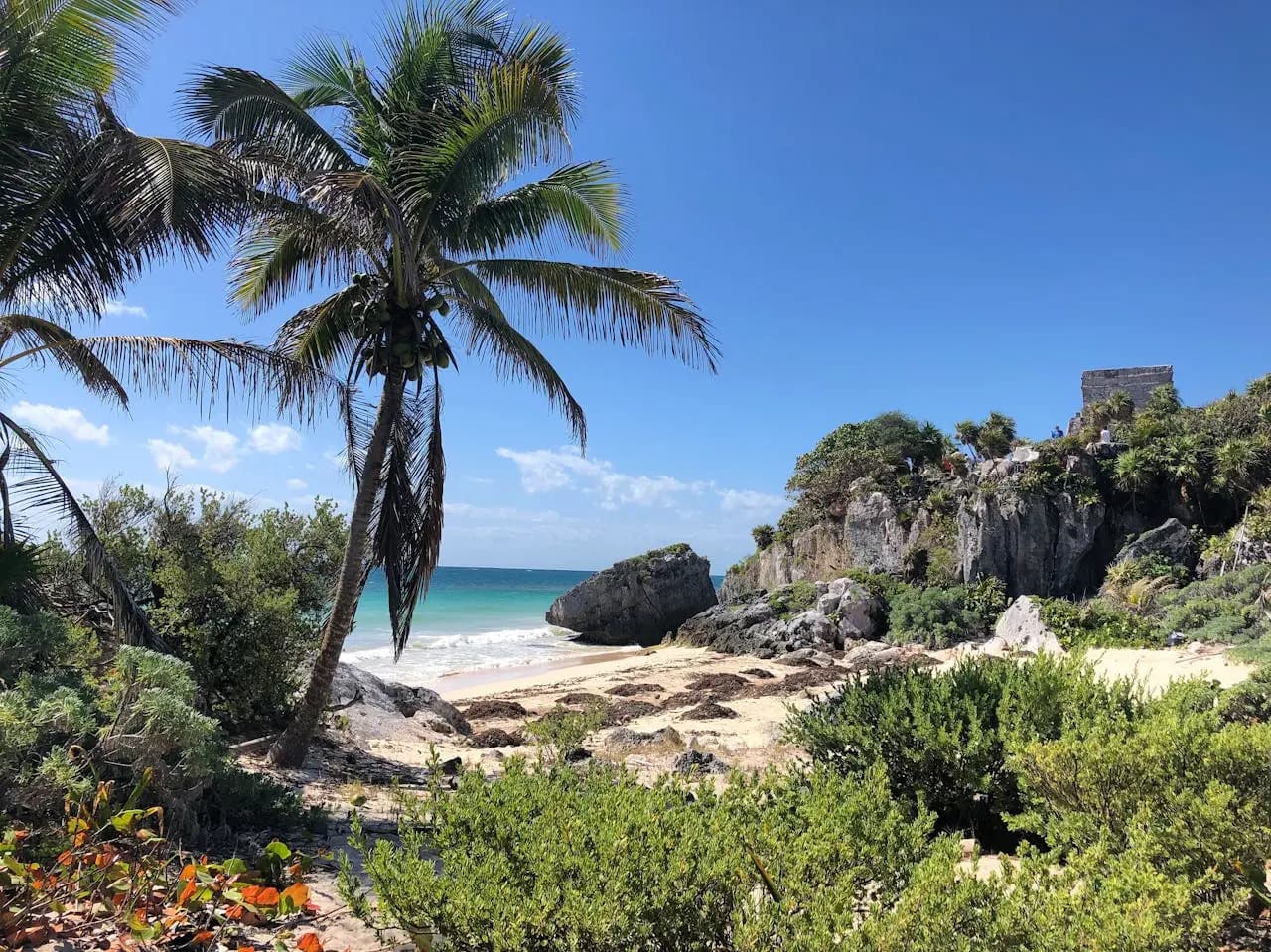
| Tulum Ruins | 7/10 | Early morning | Cliff-top and exposed; go early and watch the sky |
| Eco-Parks (Xcaret, Xel-Há) | 8/10 | Full day | Mostly weather-proof; the emptiest they get all year |
| ATV & Jungle Combo | 6/10 | Early morning | Muddy after rain; cenote swim is the highlight |
Activities That Are Strongest in September
- Cenotes and Caves: The single smartest choice in the wettest month. Their constant 24°C water is unaffected by rain, storms, or sargassum, and an underground river feels just as magical grey-skied as sunlit. Dos Ojos and the Rio Secreto cave system near Playa del Carmen are the headline options, blissfully quiet in September; the "cenote route" links dozens more.
- Whale Shark Tour (early September only): The season's finale, running through roughly the first two weeks. Early September sightings are still strong, so book the earliest dates of your trip, choose free cancellation, and go on the calmest-forecast morning, since storm cancellations are more likely now.
- Chichén Itzá and Tulum: Fully or largely inland, so they run in the rain and are at their quietest of the year in September. Chichén Itzá in particular is a strong wet-month pick: go early, and a passing shower rarely stops the visit.
- Reef and Cozumel: Between storm systems, the offshore reef and Cozumel's leeward coast are clear and uncrowded, with sargassum easing. Watch the forecast for the ferry crossing and book a morning slot.
- Eco-Parks: Xcaret and Xel-Há are mostly weather-proof and, in September, the emptiest they get all year, with Xel-Há's spring-fed lagoon a clean-water alternative to the open beaches. A strong full-day option on an unsettled day.
Most Popular Tours
More September Activities Worth Knowing About
These experiences round out a September trip along the corridor, with a strong bias toward the weather-proof and the culturally rich.
Mexican Independence Day (September 15–16)
September 15 and 16 mark Mexican Independence Day, the country's biggest patriotic celebration. Town squares across the corridor, from Puerto Morelos to Playa del Carmen and Tulum, hold El Grito (the independence cry) on the night of the 15th, with fireworks, music, food stalls, and festivities. It is a genuine cultural high point and a highlight of visiting in September, and unlike the beach, it is not weather-dependent, though rain can dampen the outdoor parts.
Cozumel Day Trip from Playa del Carmen
The Cozumel ferry leaves from the centre of Playa del Carmen and takes about 45 minutes. The island's leeward west coast stays clean even as the mainland improves, and September is the quietest, cheapest time to visit. The crossing is more weather-dependent now, so check the forecast, book a morning slot, and keep the day flexible.
Xcaret, Xel-Há and the Eco-Parks
The corridor's eco-parks, headlined by Xcaret near Playa del Carmen and Xel-Há just north of Tulum, are mostly weather-proof and, in September, the least crowded of the year. Xcaret leans cultural, with a recreated Maya village and a large evening show, while Xel-Há is built around a spring-fed lagoon at the mouth of an underground river. Both are excellent rainy-day full days; check for any low-season schedule changes.
Low-Season Dining and Spa Deals
September's low demand brings some of the year's best restaurant and spa promotions across the corridor, a nice consolation on a rainy afternoon. Note that a minority of smaller venues close for their annual break this month, so check that specific favourites are open before building a plan around them.
Most Popular Tours
What to Pack for the Riviera Maya in September
September packs for heat, high humidity, and serious rain, plus flexibility for the hurricane-season timing. The one non-negotiable is mineral sunscreen, since chemical sunscreen is banned at the reefs and cenotes.
- A proper rain jacket and quick-dry everything: September is the wettest month, with heavier, longer downpours than midsummer; a packable poncho helps too.
- Reef-safe (mineral) sunscreen: required at reef sites, on early-month whale shark tours, and at cenotes like Dos Ojos; bring your own.
- Travel insurance details: the most important item this month; keep digital copies of your policy and refundable-booking confirmations accessible.
- Waterproof phone case or dry bag: essential for boat days, cenotes, and getting caught in a downpour.
- Motion-sickness tablets: useful for the whale shark crossing, which can be choppier around storm systems.
- Lightweight, breathable clothing: humidity is at its annual high; quick-dry fabrics are essential.
- A sun hat and sunglasses: for the bright spells between systems.
- A reusable water bottle: hydration still matters in the heat and humidity.
From Our Experience
What we consistently see with September trips is that flexibility is everything. The travelers who love it book refundable rates and travel insurance, come in the first two weeks if whale sharks matter, base in a rain-resilient town like Playa del Carmen, and lean on cenotes, ruins, and eco-parks so a wet afternoon never wrecks the day. Treated that way, the year's lowest prices and emptiest beaches are a genuine reward; treated rigidly, September's weather can catch you out.
Tips for Visiting the Riviera Maya in September
- Book refundable rates and travel insurance: this is the non-negotiable September rule. It is the peak of hurricane season, so flexibility and insurance turn the weather risk from a dealbreaker into a manageable trade for the year's lowest prices.
- Come in the first two weeks for whale sharks: the season closes around mid-September, so early-month dates are your only shot. Book the earliest days of your trip and choose free cancellation for weather.
- Build the trip around weather-proof activities: cenotes, Chichén Itzá, Tulum, and eco-parks all run in the rain and are at their quietest of the year. Keep beach and boat days flexible around the forecast.
- Base in a rain-resilient town: Playa del Carmen's indoor dining, shopping, and covered options make a wet day far easier than a beach-only Tulum stay; Puerto Morelos adds the cleanest, fastest-improving beach.
- Watch the forecast and check closures: track any tropical systems in the days before and during your trip, follow local guidance if a storm approaches, and confirm that specific restaurants or operators are open, as some take a low-season break.
- Enjoy the upsides: empty cenotes and eco-parks, the year's lowest prices, easing sargassum, and Mexican Independence Day around September 15 and 16 are real reasons to love the month.
- Chemical sunscreen is banned at reefs and cenotes year-round: Per CONANP regulations for protected marine and cenote zones, operators require mineral reef-safe sunscreen. Bring your own; airport and hotel options are inconsistently available and expensive.
- Want the weather to turn? Our Riviera Maya in October guide covers the wet-to-dry transition, easing sargassum, and shoulder-season value as the corridor dries out.
- Visiting at a different time of year? Our Riviera Maya in August guide covers the last peak whale shark month with better weather, and our Cancún in September guide covers the Hotel Zone in the same month. Looking further ahead, our Riviera Maya in November guide covers the best-value dry month once the rains clear.
How We Put This Guide Together
The Cancun Trip Insider team built this guide from operator data along the Riviera Maya corridor (Puerto Morelos, Playa del Carmen, Puerto Aventuras, Akumal and Tulum), whale-shark-season closing dates, sargassum-season decline patterns, and wet-season and hurricane-season climate norms, alongside verified traveler review patterns across all major September activity categories. September is the year's most weather-sensitive month, and we prioritized honest framing of the whale shark season's early-month close, the peak hurricane risk, the wettest rainfall, and the offsetting low prices and easing sargassum over promotional language: every claim reflects documented patterns. This guide was reviewed and updated in May 2026. September conditions vary significantly year to year, especially rainfall and storm activity; we strongly recommend refundable bookings, travel insurance, and close attention to the forecast before and during your trip.
Frequently Asked Questions
Is the Riviera Maya good in September?+
September is a value-and-tradeoffs month. It is the cheapest and quietest of the year, with easing sargassum and the whale shark season's final two weeks, but it is also the wettest month and the peak of Atlantic hurricane season. It suits flexible, budget-minded travelers who book refundable rates and insurance and build the trip around cenotes, reef, and ruins. If you need reliable beach weather or cannot risk rain-affected days, October or the winter months are far better.
Can you see whale sharks in the Riviera Maya in September?+
Only early in the month. The whale shark season typically closes around mid-September, so tours generally run through roughly the first two weeks before shutting until they reopen around mid-May. Early-September sightings are still strong. If whale sharks are your goal, come in the first half of the month and book the earliest available dates; late-September visitors will have missed the season.
What is the weather like in the Riviera Maya in September?+
September is hot, very humid, and the wettest month of the year, with highs around 31 to 32°C and monthly rainfall of roughly 180 to 230mm. Rather than only quick afternoon storms, it can bring multi-day systems and tropical waves. It is also the statistical peak of Atlantic hurricane season, centred on mid-September. The sea stays a bath-warm 29 to 30°C, and there are still plenty of bright spells between systems.
Is September hurricane season in the Riviera Maya?+
September is the peak of Atlantic hurricane season, so the risk is at its yearly high, centred on the second week. That said, most September trips still see heavy rain rather than a hurricane, and a direct hit on any given week is uncommon. We would only travel in September with fully refundable bookings and travel insurance, watching the forecast closely and following local guidance if a named storm approaches the Yucatán.
Is there sargassum in the Riviera Maya in September?+
Sargassum eases in September. It declines from the May-through-August peak to medium and generally improving through the month, so beaches are often better late in September than in the summer, one of the month's few weather-related upsides. Puerto Morelos behind its reef and Cozumel's leeward coast stay clearest, while Tulum's open beach is the most exposed. The reef, whale shark waters, and cenotes are unaffected.
Is September cheap in the Riviera Maya?+
Yes, September is the cheapest month of the year. School holidays are over and the wet-and-hurricane-season reputation keeps demand low, so hotels across every town and category drop to their annual lows, with frequent last-minute deals. Tulum is at its most affordable. The low prices are the market pricing in the weather risk, so pair the savings with refundable bookings and insurance.
What is the best week to visit the Riviera Maya in September?+
The first week or two, for two reasons: whale shark season is still running, and you get the month's value before the heaviest rain. The tradeoff is that early-to-mid September also overlaps the hurricane-season peak, so there is no risk-free window. If whale sharks matter, early September is essential; if not, the whole month offers the year's lowest prices and emptiest beaches for flexible travelers.
Is August or September better in the Riviera Maya?+
August is the safer choice: peak whale sharks all month, better weather, and a late-month value window, though at higher prices and with high sargassum. September is cheaper and quieter, with easing sargassum, but the whale sharks end mid-month and it is the wettest, highest-hurricane-risk month. Choose August for reliable wildlife and weather, and September only if the year's lowest prices and emptiest beaches outweigh the weather risk for you.
Affiliate note: Some links on this page are affiliate links. If you book through them, we may earn a small commission at no additional cost to you.