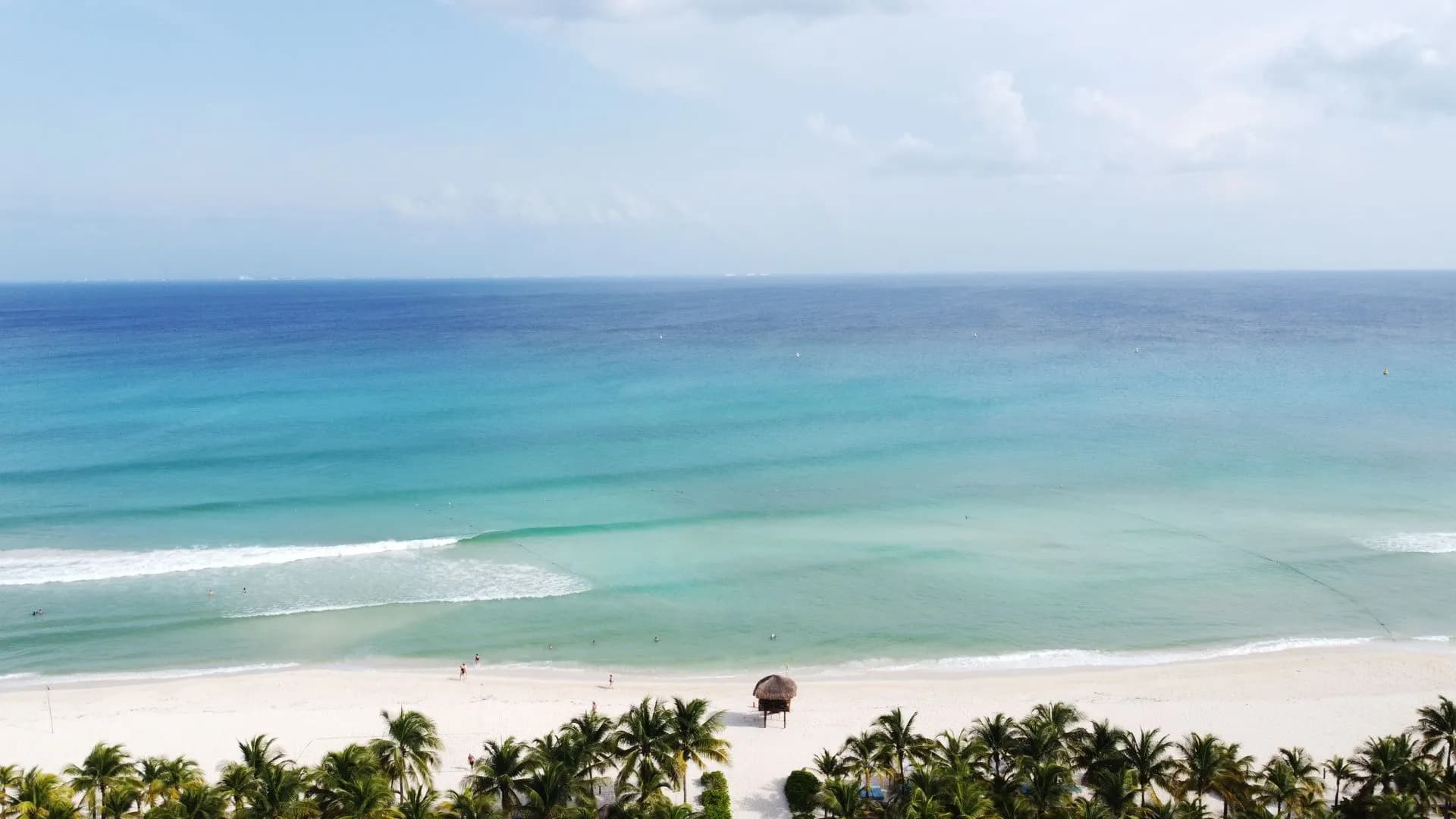
August keeps the Riviera Maya at peak whale shark season, and adds a late-month twist: as North American schools go back, crowds and prices ease while the whale sharks stay excellent. The tradeoffs are hot, wet-season weather, high sargassum easing late, and rising storm risk. Here is the honest picture.
What You Should Know
- August is still peak whale shark season, excellent and reliable all month, with the aggregation strong north of the corridor. The season winds down from mid-September, so August is one of the last full-strength months for the corridor's signature experience.
- August splits on crowds. Early August is the family peak, busy and pricey; from around the third week, as North American schools return, crowds thin and hotel rates ease into a genuine late-summer value window.
- August is hot and humid with afternoon and evening storms, occasionally heavier than midsummer. It is also the month Atlantic hurricane activity picks up: the practical risk is still moderate, but higher than July and rising toward the September peak.
- Sargassum is high but often begins easing late in the month. It is worst on open-facing beaches (Tulum, Playa, Akumal); Puerto Morelos behind its reef and Cozumel's leeward coast stay clearest. The whale shark waters, reef, and cenotes are unaffected.
Whale Shark Swim Tour from the Riviera Maya
August is still peak whale shark season and one of the last full-strength months before it winds down in September. Tours include hotel transfers from the Riviera Maya, reef snorkeling, and lunch; book ahead, and late August pairs excellent sightings with easing crowds.
Book NowThe Riviera Maya in August: The Honest Picture
⭐ Best August window for the corridor: late August. From around the third week, North American schools go back, so crowds and prices ease while the whale sharks stay at peak. It is the summer's value sweet spot, with rising storm risk the one thing to watch.
| Factor | August Rating |
|---|---|
| Weather | 6/10 — hot and humid; afternoon storms, occasionally heavier |
| Crowds | 6/10 — family peak early; noticeably quieter from late August |
| Prices | 6/10 — peak early; a real drop in the last third of the month |
| Beaches | 4/10 — sargassum high, easing late; variable by town |
| Reef & Cenotes | 8/10 — reef good; cenotes excellent all month |
| Sargassum | 3/10 — high; often improving in the last week or two |
| Whale Sharks | 10/10 — peak season; excellent and reliable all month |
| Families | 7/10 — whale sharks and warm water; early-month crowds and heat |
| Couples | 6/10 — late-August value and calm; humidity and seaweed to plan around |
📅 The Riviera Maya month by month, at a glance (weather comfort, relative hotel price, and seaweed risk):
| Month | Weather | Prices | Seaweed | Overall |
|---|---|---|---|---|
| January | ⭐⭐⭐⭐⭐ | $$$$ | Low | 10/10 |
| February | ⭐⭐⭐⭐⭐ | $$$$ | Low | 9.8 |
| March | ⭐⭐⭐⭐ | $$$$$ | Medium | 9.0 |
| April | ⭐⭐⭐⭐ | $$$$ | Medium | 8.5 |
| May | ⭐⭐⭐ | $$ | High | 7.2 |
| June | ⭐⭐⭐ | $$ | High | 7.0 |
| July | ⭐⭐⭐ | $$$ | High | 7.2 |
| August | ⭐⭐⭐ | $$$ | High | 7.0 |
| September | ⭐⭐ | $ | Medium-High | 6.2 |
| October | ⭐⭐⭐⭐ | $$$ | Low-Medium | 8.0 |
| November | ⭐⭐⭐⭐ | $$$ | Low | 9.0 |
| December | ⭐⭐⭐⭐ | $$$$$ | Low | 8.5 |
💰 Average August hotel prices (4-star, mid-range along the corridor):
Puerto Morelos: ~$170/night · Playa del Carmen: ~$180/night · Puerto Aventuras: ~$185/night · Akumal: ~$195/night · Tulum: ~$235/night
Rough mid-range estimates aggregated from booking data; early-August family dates run higher, late August lower, and all vary significantly by property and lead time.
August is the last of the big whale shark months, with a late-summer value twist. The season is still at its peak: the aggregation north of the corridor stays strong and reliable through the month, and since tours wind down from mid-September, August is one of your last full-strength chances at the corridor's signature experience. The sea is at its warmest of the year, a bath-warm 29 to 30°C, and the reef and cenotes are in fine shape alongside.
What makes August distinctive is its two halves. Early August is the family peak, an extension of July: busy, pricey, and full. Then, from around the third week, North American schools go back, and crowds and hotel rates ease noticeably while the whale sharks stay excellent, a genuine value window in the middle of peak wildlife season. The tradeoffs to weigh against that are the summer ones, intensifying: hot, humid days with afternoon storms that can be heavier than midsummer, and rising hurricane activity. August is when the Atlantic season picks up, so while the practical risk is still moderate, it is higher than July and climbing toward September. Sargassum stays high, though it often begins to ease in the last week or two.
In our view, late August is one of the more underrated windows of the year: peak whale sharks, easing crowds and prices, and sometimes improving beaches, with rising storm risk the price of admission. We'd book the whale shark tour ahead, base in a cleaner-beach town, plan mornings around the storms, and consider travel insurance for the hurricane-season timing. If you want the same whale sharks with the lowest prices of all and can accept the wettest weather, early September is cheaper still; for cool, dry, clear beaches, the winter months are the better fit.
Most Popular Tours
Compare and Book the Top Riviera Maya Tours
These are the most-booked experiences along the corridor in August, led by the whale shark tour while its season is still at peak. The inland trips make excellent, sargassum-proof and storm-proof days around your whale shark and reef mornings. Compare live options below, then book August's headline, the whale shark swim, directly, ideally before the season winds down in September.
Whale Sharks in August: Peak Season, Last Full Month
August keeps whale shark season at its peak on the Riviera Maya. The aggregation of the world's largest fish stays strong in the plankton-rich waters north of the corridor, off Isla Mujeres and Holbox, and sightings are excellent and reliable through the month, on par with July. Because the season winds down from mid-September, August is effectively the last full-strength month, so if your travel window is flexible within the summer, it is a smart time to lock in the experience.
Riviera Maya operators include hotel transfers from the corridor towns, so you can join from Puerto Morelos, Playa del Carmen, and beyond, with a very early start and a long day. Tours stay busy in early August's family peak and ease along with everything else in the last third of the month, so late August can mean the same excellent sightings with a little more space on the boat. Book ahead either way, choose free cancellation, and go early in your stay so a weather day, more likely now as storms increase, still leaves room to rebook.
The usual season notes apply. These are open-water tours with a 60 to 90 minute crossing each way, so take motion-sickness precautions if you are prone to it, and be aware that a passing storm system can cancel a day's departures, another reason to build in flexibility. The day pairs the whale shark swim with reef snorkeling and lunch, and the encounters follow strict sustainability rules: no touching, mineral sunscreen only, limited swimmers at once, and life jackets required.
Most Popular Tours
Riviera Maya Weather in August: Temperature, Rain & Sea Conditions
| Metric | August |
|---|---|
| Avg High | 33°C (91°F) |
| Avg Low | 24°C (75°F) |
| Water Temp | 29–30°C (84–86°F) |
| Rain Days | ~11, afternoon/evening storms |
| Humidity | High |
| Wind | Low to moderate |
| Hurricane Risk | Moderate (season building; higher than July) |
Temperature and Humidity
August is hot and humid along the Riviera Maya, among the warmest months of the year, with daytime highs around 32 to 34°C (90 to 93°F) and warm, sticky evenings near 24 to 25°C (75 to 77°F). The canícula, the mid-summer dry spell, can linger into early August before the rains return in force. As in any deep-summer month, early starts and midday breaks in the shade, a cenote, or the pool make the heat manageable. Caribbean Sea temperature is at its annual warmest, a bath-warm 29 to 30°C (84 to 86°F), superb for the whale shark swim, snorkeling, and diving (historical averages via Mexico's Servicio Meteorológico Nacional).
Rain and Hurricane Season
August is firmly in the wet season, and the rains build through the month toward the September peak. The pattern is still hot, bright mornings followed by afternoon or evening thunderstorms, but August storms can be heavier and more frequent than midsummer, and the occasional tropical wave can bring a wetter, windier day or two. Monthly rainfall is around 130 to 150mm. Importantly, August is when Atlantic hurricane activity picks up: the practical risk on any given trip is still moderate, but it is higher than July and rising toward the September peak. We'd travel in August with an eye on the forecast and travel insurance in place, planning outdoor activities for the mornings.
Sea Conditions, Reef, Cenotes and Sargassum
The sea is warm and usually calm between storm systems in August, good for the whale shark crossing and snorkeling, and reef and cenote conditions stay strong: 15 to 25 metres of reef visibility is common at Puerto Morelos and the Cozumel wall, and the cenotes are crystalline year-round. Sargassum is still high but often begins to ease in the last week or two of the month, an early sign of the season turning. It lands most on the open-facing beaches, rarely affects the offshore reef or whale shark waters, and never the inland cenotes. We'd lean on Puerto Morelos and Cozumel's leeward coast for clean beach water and watch the forecasts. Our Cozumel in August guide covers the island side, where late-month prices and crowds fall away just as hurricane risk climbs.
| Month | Weather | Sargassum Risk | Whale Sharks | Prices | Best For |
|---|---|---|---|---|---|
| August | Hot, humid, storms possible | High, easing late | Peak season continuing | Peak early, drops late | Peak whale sharks, late-month value |
| July | Hot, humid, afternoon storms | High | Peak season | Summer family peak | Peak whale sharks, families |
| September | Hot, wettest, hurricane peak | Medium-High | Season ends ~mid-Sep | Cheapest | Bargains; last whale sharks |
| October | Wet to dry transition | Low-Medium | Not available | Shoulder | Post-summer value, drying out |
| November | Dry, mild | Low | Not available | Below peak | Best value dry season |
| February | Dry, warm, calmest of winter | Low | Not available | High; Valentine's bump | Couples, reef, cenotes |
Crowds and Prices in August: What to Expect Along the Corridor
August is a month of two distinct halves for crowds and price, split by the return of North American schools. The pattern holds corridor-wide, from Puerto Morelos to Tulum.
Early August (August 1–18): Family Peak
The first two-and-a-bit weeks are an extension of July's peak: US, Canadian, European, and Mexican school holidays still overlap, so the corridor is busy and hotel rates stay high. Whale shark tours and eco-parks are at their fullest. This is not a value window, but the whale sharks are at their best and the sea at its warmest.
Late August (August 19–31): The Crowd Drop
From around the third week, North American schools go back and the corridor empties out noticeably. Crowds thin, hotel rates fall, and tours and restaurants are easier to book, all while the whale sharks stay at peak and, often, the sargassum begins to ease. From what we've seen in booking patterns, late August is one of the summer's best-value windows for the wildlife, with rising storm risk the main tradeoff. If your dates are flexible within the month, this is the half we'd target.
Where Value Shows Most
The late-August drop is largest at the family-oriented and upper-mid-range hotels that filled in July and early August. Tulum, the priciest town, again shows some of the biggest proportional savings from its peak, with the usual caveat about its exposed beach. Puerto Morelos and the family belt hold steady value throughout and double as the cleaner-beach bases in a high-sargassum month.
Who Should Visit the Riviera Maya in August?
August is a peak-wildlife month that turns to value late. Here is the honest fit.
| ✓ Perfect for | ✗ Less ideal for |
|---|---|
| Whale shark seekers (peak; last full month) | Anyone set on pristine, seaweed-free open beaches |
| Late-August value travelers (crowds and prices drop) | Travelers wanting cool, dry weather |
| Divers and snorkelers (warmest, calm, clear offshore) | Anyone very risk-averse about hurricane season |
| Families tied to early-August school holidays | Travelers who dislike heavy afternoon storms |
| Warm-water lovers (year's warmest 29–30°C sea) | Peak-beach-lounging holidays |
Perfect for: whale shark seekers wanting one of the last peak months, late-August value travelers who can catch the post-school-holiday drop, divers and snorkelers, and families tied to early-August dates. Late August in particular pairs excellent wildlife with easing crowds and prices.
Less ideal for: travelers set on pristine open beaches (sargassum is high, though easing late), those who want cool, dry weather, and anyone very risk-averse about hurricane season, which is building through August. If that is you, the winter months offer dry, clear conditions, or wait for the October transition.
Sargassum in August: High, but Starting to Turn
Sargassum risk in August is high, the tail end of the May-through-August peak, but it often begins to ease in the last week or two as the season starts to turn. Early August is typically still heavy on the open beaches; late August can bring the first noticeable improvement of the down slope, though it remains variable year to year. Plan August as a high-sargassum month, with a bonus chance of improving beaches late.
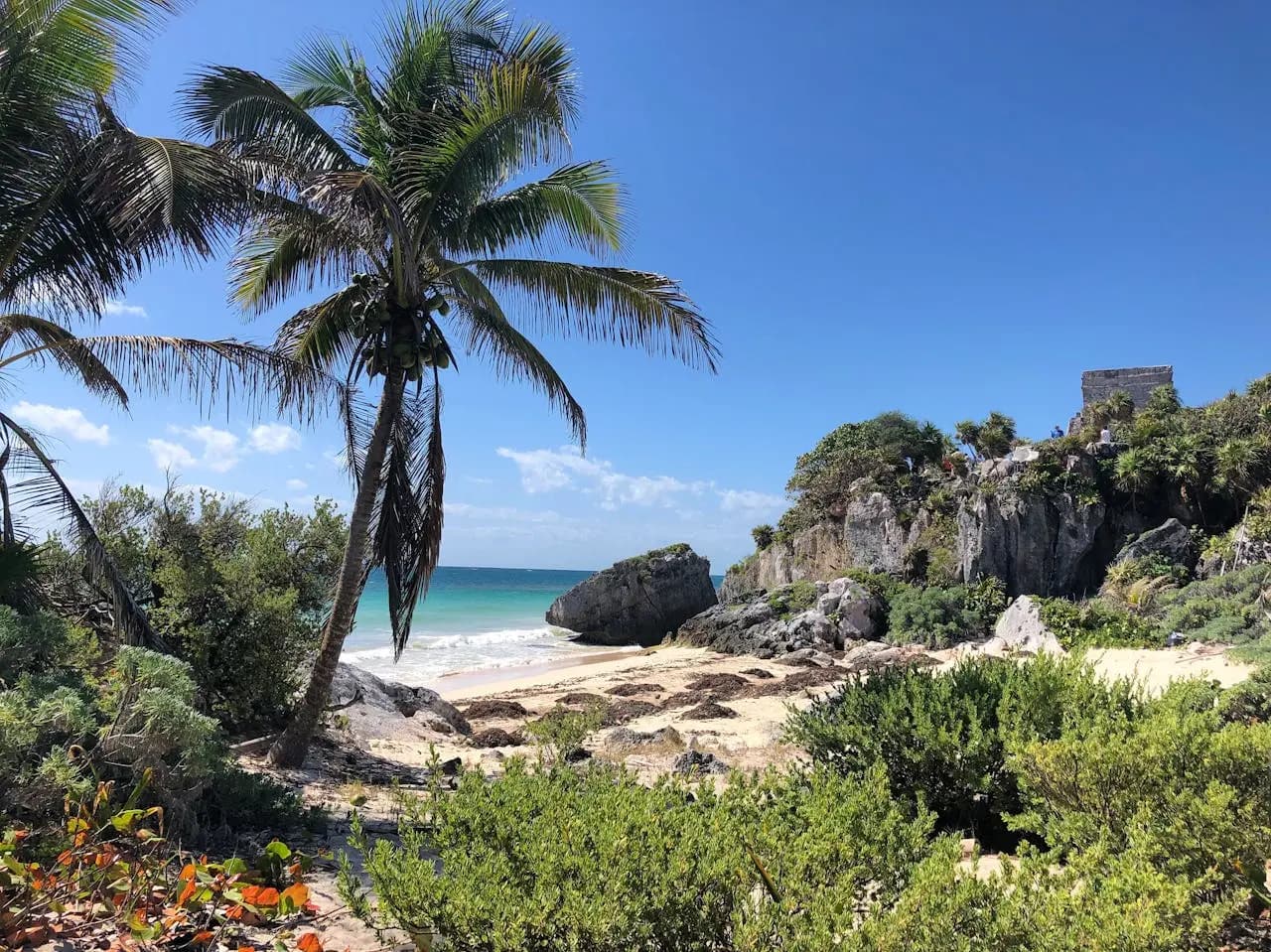
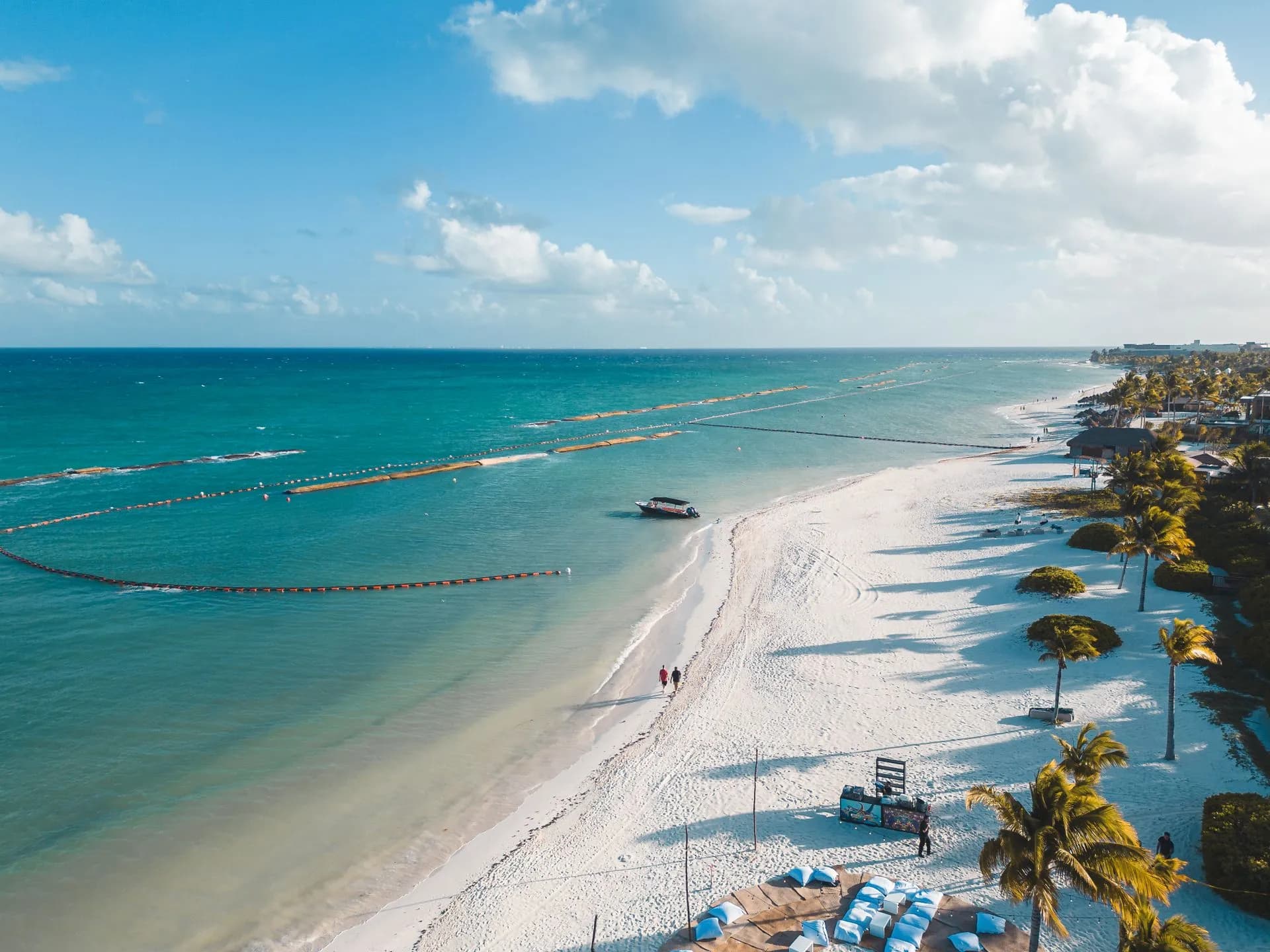
Town still matters more than the calendar. Most people don't realize sargassum here varies more by town than by month: in the same week, Puerto Morelos behind its reef can stay largely clear while Tulum's open beach catches a heavy line. Puerto Morelos, sheltered behind its offshore reef, is the most consistently clean beach on the mainland. Playa del Carmen and the Akumal bays sit in the middle with daily clearing. Tulum's long, open beach is the most exposed and often the worst hit. The whale shark waters, offshore reef sites, and inland cenotes are essentially unaffected, so August's marquee experiences hold up even when the beaches do not. For clean beach water, base near Puerto Morelos or hop to Cozumel's leeward west coast, which stays clear even at the summer peak.
Check real-time conditions before and during your trip. The University of South Florida Optical Oceanography Lab posts weekly sargassum satellite updates, and local Facebook groups post daily beach photos. In August we'd treat a clean beach as a bonus, base in a sheltered town, and keep the whale shark, reef, cenote, and Cozumel plans as the backbone of the trip.
Where to Base Yourself in August
In August, both sargassum and the late-month crowd drop should shape where and when you base yourself. The weather is the same corridor-wide, but the beach experience varies by town and the value varies by week. The main tradeoff is clean, steady base versus late-month bargain: for usable beach water and consistent calm, we'd lean toward Puerto Morelos; for the biggest late-August price drops, Playa del Carmen and Tulum in the last third of the month. A car is optional: the highway is easy, colectivos and taxis connect the towns, and most tours, including the whale shark trips, include pickup.
Puerto Morelos
In a high-sargassum month, Puerto Morelos is our pick for the cleanest, calmest beach on the mainland, sheltered behind the corridor's most reliable reef, with easy access to the whale shark departures. It holds steady value all month and is quietest in late August. Best for anyone who wants usable beach time and fewer crowds alongside peak wildlife.
Playa del Carmen
The most convenient base, walkable and central, with the Cozumel ferry and whale shark and day-trip departures in reach, and some of the biggest late-August price drops as families leave. Its town beaches sit in the middle for sargassum with daily clearing. Great for a flexible, car-free trip; target the last third of the month for value.
Puerto Aventuras & Akumal
The mid-corridor family belt suits early-August family travel and late-August calm alike: warm water, calm bays, and a quieter feel than Playa or Tulum. Puerto Aventuras is a gated marina with dolphins; Akumal has turtle snorkeling, though its bay is more sargassum-exposed. Best for families combining whale sharks with cenote and reef days.
Tulum
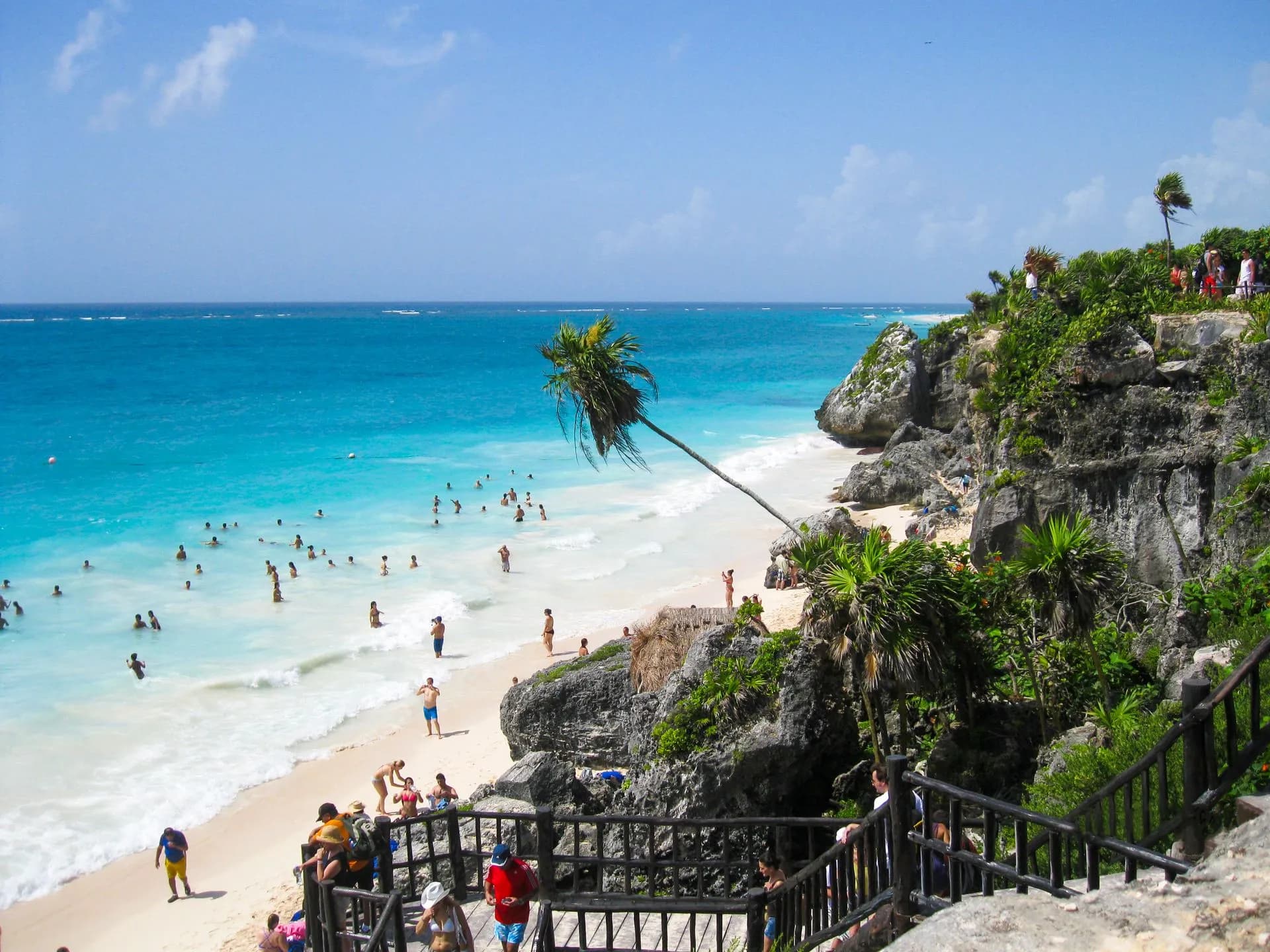
Tulum is lively in early August and drops sharply in price in the last third of the month, making late August one of its better-value windows. The catch is that its long, open beach is the most sargassum-exposed on the corridor, so a Tulum stay leans on the cenotes, beach clubs, and day trips. Best for travelers who want the style at late-summer prices.
Most Popular Tours
The Best Activities in the Riviera Maya in August
August's activity list is led by peak-season whale sharks, with the reef, cenotes, and ruins as the reliable, sargassum-proof and storm-proof supporting cast and the perfect way to fill mornings around the afternoon rains.
| Activity | August Rating | Best Time of Day | Notes |
|---|---|---|---|
| Whale Shark Tour | 10/10 | Early morning | Peak season, last full month; book ahead, storm days possible |
| Cenote Swims (Dos Ojos, Rio Secreto) | 10/10 | Midday | Constant 24°C; seaweed-proof and storm-proof; a cool break |
| Puerto Morelos Reef Snorkeling | 9/10 | Morning | Offshore sites stay clear; year's warmest 29–30°C water |
| Cozumel Reef (ferry from Playa) | 9/10 | Morning | Leeward coast stays clean; the clearest reef wall around |
| Chichén Itzá Day Trip | 8/10 | Early morning | Hot and exposed; go at opening, before heat and storms |
| Tulum Ruins | 7/10 | Early morning | Cliff-top and fully exposed; morning only in the August heat |
| Eco-Parks (Xcaret, Xel-Há) | 9/10 | Full day | Mostly weather-proof and seaweed-proof; quieter late month |
| ATV & Jungle Combo | 7/10 | Early morning | Hot and muddy after rain; cenote swim is the relief |
Activities That Are Strongest in August
- Whale Shark Tour: August's headline and the corridor's signature experience, still at its peak and in its last full-strength month before the September wind-down. Book ahead, choose free cancellation, and go early in your stay so a storm day can be rebooked. The day pairs the swim with reef snorkeling and lunch.
- Cenotes and Caves: The essential complement to whale shark and reef mornings, and a genuine relief in August's heat and a reliable fallback when an afternoon storm rolls in. Their constant 24°C water is unaffected by sargassum. Dos Ojos and the Rio Secreto cave system near Playa del Carmen are the headline options; the "cenote route" links dozens more.
- Reef Snorkeling and Diving: The offshore reef sites at Puerto Morelos and Cozumel stay clear despite the beach sargassum, and August's year-warmest sea makes for superb snorkeling and diving between storm systems. A natural pairing with the whale shark trip.
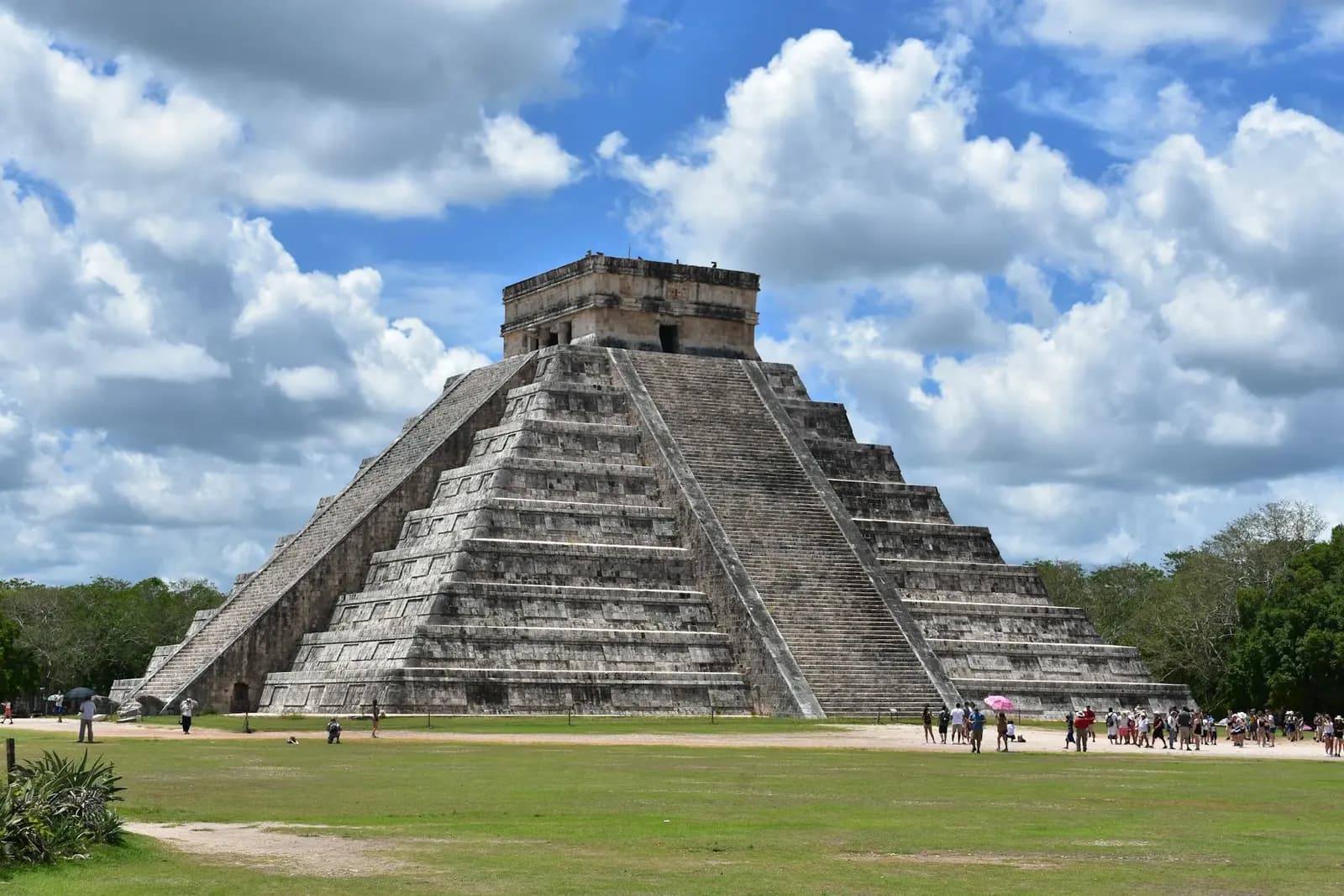
- Chichén Itzá and Tulum: Both sidestep the beach seaweed and are best at opening to beat August's heat and the afternoon storm risk. A cenote stop pairs naturally with either and cools the day off.
- Eco-Parks: Xcaret and Xel-Há are mostly weather-proof, seaweed-proof full days, busy in the early-August peak and noticeably calmer late in the month, with Xel-Há's spring-fed lagoon a clean-water alternative to the open beaches.
Most Popular Tours
More August Activities Worth Knowing About
These experiences round out an August trip along the corridor, with the offshore and inland options offering clean water and shelter from the afternoon storms.
Cozumel Day Trip from Playa del Carmen
The Cozumel ferry leaves from the centre of Playa del Carmen and takes about 45 minutes. The island holds the clearest reef wall in the Caribbean, and its leeward west coast stays clean even when the mainland beaches are at their sargassum-heavy worst, which makes it one of the best August moves for a clean-water beach and reef day. Aim for a morning trip to stay ahead of the afternoon storms, and check the forecast for any passing system.
Whale Shark Logistics from the Corridor
Whale shark tours depart from the north, near Isla Mujeres and Holbox, but Riviera Maya operators include hotel transfers from Puerto Morelos, Playa del Carmen, and beyond. Expect a very early start and a long day. In August, book ahead, choose free cancellation, and go early in your stay, since storm days become more likely as the month goes on and the season winds down from mid-September.
Xcaret, Xel-Há and the Eco-Parks
The corridor's eco-parks, headlined by Xcaret near Playa del Carmen and Xel-Há just north of Tulum, are hot but rewarding in August and largely seaweed-proof, with Xel-Há's natural snorkeling lagoon a clean-water alternative to the open beaches. Xcaret leans cultural, with a recreated Maya village and a large evening show, while Xel-Há is built around a spring-fed lagoon at the mouth of an underground river. Both are busiest in early August and calmer, better value, later in the month.
Beach Clubs and Fifth Avenue
August's hot afternoons suit the corridor's beach-club and nightlife scene on Playa del Carmen's Fifth Avenue and Tulum's beach road, lively early in the month and more relaxed once the families leave. Where sargassum affects the sand, clubs with pools and daily beach clearing are the more reliable choice.
Most Popular Tours
What to Pack for the Riviera Maya in August
August packs for peak heat, humidity, and heavier storms, plus a whale shark boat day. The one non-negotiable is mineral sunscreen, since chemical sunscreen is banned at the reefs, cenotes, and on the whale shark tour.
- Reef-safe (mineral) sunscreen: required on the whale shark tour, at reef sites, and at cenotes like Dos Ojos; bring your own, as local options are pricey and inconsistent.
- A packable rain jacket or poncho: August storms can be heavier and more frequent than midsummer.
- Motion-sickness tablets: useful for the whale shark crossing, especially with a little more swell around storm systems.
- Lightweight, breathable clothing: August is hot and very humid; quick-dry fabrics keep you comfortable.
- A sun hat and sunglasses: hot, exposed conditions on boats, ruins, and open beaches.
- A snorkeling shirt or rash guard: sun protection for the whale shark swim and long snorkel sessions in the warm water.
- A reusable water bottle: hydration matters most in the August heat and humidity.
- Travel insurance details: worth having in hand given the building hurricane season; keep digital copies accessible.
From Our Experience
What we consistently see with August trips is that late August is quietly one of the best-value windows of the whole summer: once North American schools go back, crowds and prices drop while the whale sharks stay at peak and the sargassum often starts to ease. The travelers who target the last third of the month, book the whale shark tour early in their stay, and keep travel insurance in place for the building storm season get the most from it.
Tips for Visiting the Riviera Maya in August
- Target late August for value: from around the third week, crowds and prices ease as schools go back, while the whale sharks stay excellent. If your dates are flexible within the month, aim for the last third.
- Book the whale shark tour ahead and early in your stay: it is still peak season, and going early leaves room to rebook if a storm cancels a day. Choose free cancellation.
- Plan outdoor activities for the morning: August storms are near-daily and can be heavier than midsummer, so schedule whale sharks, reef, and ruins early and keep afternoons for cenotes, eco-parks, or a storm break.
- Take hurricane season seriously but calmly: August activity is building. The practical risk is moderate, but we'd keep travel insurance in place and watch the forecast, as any late-summer Caribbean traveler should.
- Base near Puerto Morelos for the cleanest beach: sheltered behind its reef, it holds the lowest seaweed risk on the mainland; late-August sargassum sometimes eases as a bonus.
- Use cenotes to beat the heat and the storms: constant 24°C water, unaffected by sargassum or rain, and a reliable rainy-afternoon plan. We'd build two cenote days into an August trip.
- Chemical sunscreen is banned at reefs and cenotes year-round: Per CONANP regulations for protected marine and cenote zones, operators require mineral reef-safe sunscreen. Bring your own; airport and hotel options are inconsistently available and expensive.
- Chasing the last whale sharks or the cheapest prices? Our Riviera Maya in September guide covers the season's final two weeks, the year's lowest prices, and the peak hurricane risk.
- Visiting at a different time of year? Our Riviera Maya in July guide covers the peak family month just before, and our Cancún in August guide covers the Hotel Zone and peak whale sharks in the same month. Looking further ahead, our Riviera Maya in October guide covers the post-summer dry-out as sargassum eases and prices settle.
- Basing yourself in Akumal? Our Akumal in August guide covers the turtle bay specifically: the early-versus-late split, hatchling timing, and which stretch of sand to pick.
- Basing yourself in Puerto Aventuras? Our Puerto Aventuras sargassum guide covers how the sheltered marina changes conditions compared with the corridor's open beaches.
How We Put This Guide Together
The Cancun Trip Insider team built this guide from operator data along the Riviera Maya corridor (Puerto Morelos, Playa del Carmen, Puerto Aventuras, Akumal and Tulum), peak-season whale-shark reliability patterns, sargassum-season data, wet-season and hurricane-season norms, and verified traveler review patterns across all major August activity categories. August is a peak-wildlife month with a late-summer value shift, and we prioritized honest framing of the continuing whale shark peak, the late-August crowd drop, the building hurricane season, and the high-but-easing sargassum over promotional language: every claim reflects documented patterns. This guide was reviewed and updated in May 2026. August conditions, especially crowd timing, sargassum, and storm activity, vary year to year; we recommend booking whale shark tours early, keeping travel insurance in place, and checking current forecasts before your trip.
Frequently Asked Questions
Is the Riviera Maya good in August?+
August is a strong month for whale sharks, still at their peak, and late August in particular is one of the summer's better-value windows as North American schools go back and crowds and prices ease. The tradeoffs are hot, humid weather with afternoon storms that can be heavier than midsummer, high sargassum on the open beaches (often easing late), and a building hurricane season. If whale sharks are the priority and you plan around the storms, August delivers, especially in its second half.
Can you see whale sharks in the Riviera Maya in August?+
Yes, August is still peak whale shark season and one of the last full-strength months, since the season winds down from mid-September. The aggregation stays strong north of the corridor and sightings are excellent and reliable all month. Tours run with hotel transfers from the Riviera Maya, reef snorkeling, and lunch. Book ahead, choose free cancellation, and go early in your stay so a storm day can be rebooked.
What is the weather like in the Riviera Maya in August?+
August is hot and humid, among the warmest months, with daytime highs around 32 to 34°C (90 to 93°F) and warm evenings near 24 to 25°C. It is deep in the wet season, with afternoon and evening storms that can be heavier and more frequent than midsummer, and the occasional tropical wave. Monthly rainfall is around 130 to 150mm. The sea is at its year-warmest, a bath-warm 29 to 30°C (84 to 86°F).
Is August hurricane season in the Riviera Maya?+
Yes, August is when Atlantic hurricane activity picks up, so the risk is higher than July and rising toward the September peak, though the practical risk on any given trip is still moderate. Most August weather is heavy afternoon storms rather than hurricanes, but we'd keep travel insurance in place, watch the forecast, and favour flexible, free-cancellation bookings. Direct hits are uncommon, but the season is real from August onward.
Is there sargassum in the Riviera Maya in August?+
Yes, August is a high-sargassum month, the tail of the May-through-August peak, though it often begins to ease in the last week or two. It lands most on open-facing beaches, Tulum most of all, while Puerto Morelos behind its reef and Cozumel's leeward coast stay clearest. The whale shark waters, offshore reef sites, and inland cenotes are essentially unaffected. Base in a sheltered town and check current sargassum forecasts.
Is August cheaper in the Riviera Maya?+
It depends on the week. Early August is the family peak, busy and pricey like July. From around the third week, as North American schools return, crowds and hotel rates drop into one of the summer's better-value windows, while the whale sharks stay at peak. Late August is the value sweet spot, with the biggest drops at the family-oriented hotels and in Tulum.
What is the best week to visit the Riviera Maya in August?+
Late August, from around the third week, is the standout: crowds and prices ease as schools go back, the whale sharks stay at peak, and the sargassum often starts to improve. The main tradeoff is that storm and hurricane risk is highest in the second half of the month. If you want the wildlife without the family-peak crowds and prices, late August is the window, ideally with flexible bookings.
Is July or August better in the Riviera Maya?+
Both are peak whale shark months with similar hot, wet weather and high sargassum. July is the busier family peak with the most reliable sightings; August matches it for wildlife and adds a late-month value window as schools go back, at the cost of higher storm and hurricane risk. Choose July for the safest whale shark odds and August, especially late August, for peak whale sharks with easing crowds and prices.
Affiliate note: Some links on this page are affiliate links. If you book through them, we may earn a small commission at no additional cost to you.