Don't Miss the Cenotes
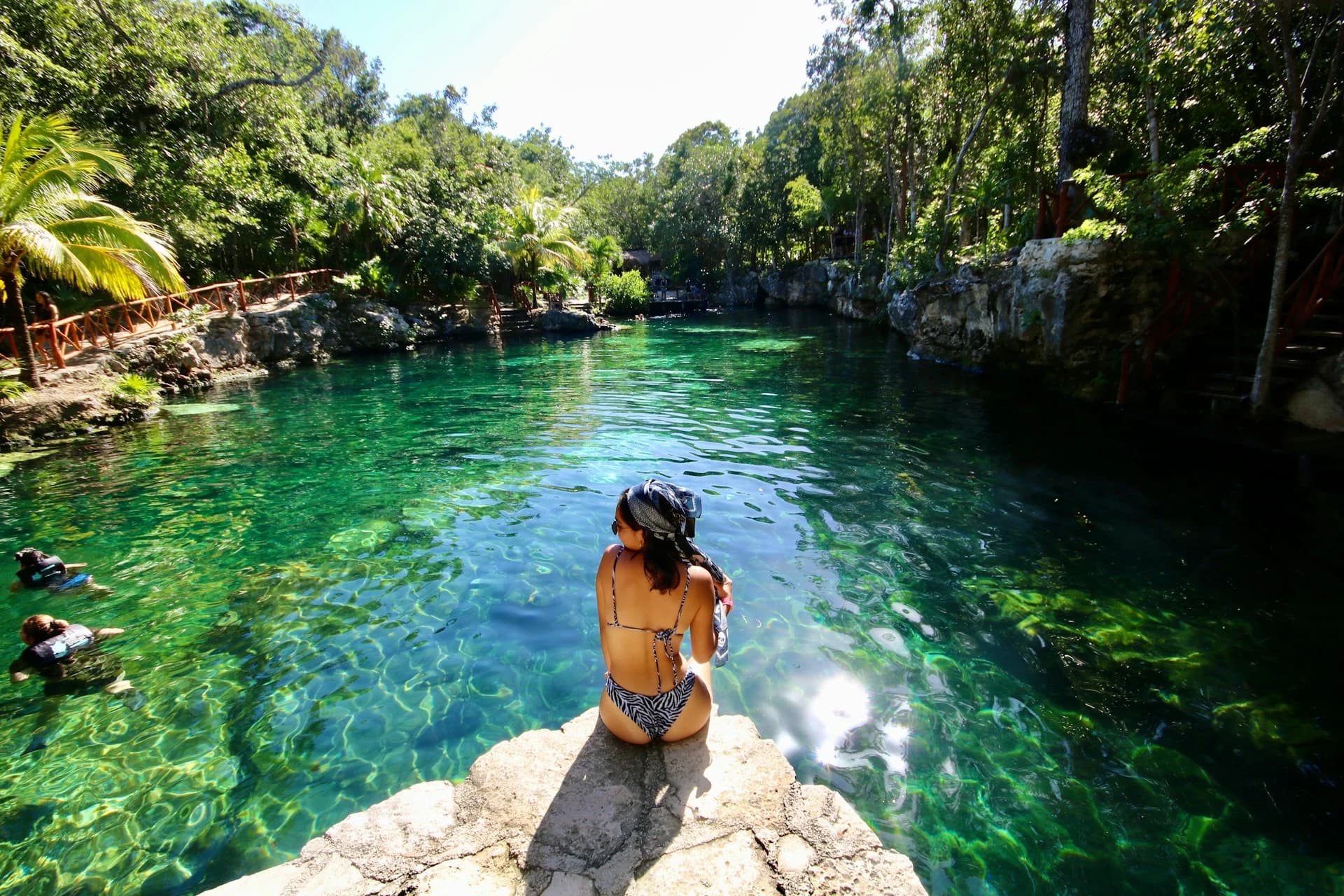
Tulum's cenotes are the area's signature experience, freshwater sinkholes for swimming and snorkeling in water that stays clear year-round. See our Tulum cenote tour guide to pick the right one for your group.
See Tulum cenote toursA category-by-category guide to the best things to do in Tulum: cenotes, Maya ruins, the Sian Ka'an reserve, snorkeling, adventure, and food and mezcal, with prices and the tours worth booking first.
What You Should Know
- Tulum splits into two zones: the beach hotel zone (boho-chic hotels and beach clubs) and Tulum Pueblo (the downtown, where food, mezcal, and the best-value bookings are). Most tours meet downtown or include hotel pickup.
- The signature experiences are the cliffside Maya ruins, the freshwater cenotes, and the Sian Ka'an Biosphere Reserve just south. Snorkeling, diving, ATV and zipline jungle parks, and food and mezcal tastings round out the list.
- Prices range from about $45 for a mezcal tasting up to $200-plus for a whale shark trip or a full-day Sian Ka'an safari. Most cenote, snorkeling, and ruins tours run $79 to $130 per person.
- There is no airport in Tulum's hotel zone and no app-based rideshare in town, so plan transfers in advance: it is about 2 hours from Cancún airport, and getting between the beach and downtown takes a taxi or bike.
The Best Things to Do in Tulum: A Complete Guide
Tulum packs an unusual range into a small stretch of coast: clifftop Maya ruins, a string of freshwater cenotes, a UNESCO biosphere reserve, reef snorkeling, jungle adventure parks, and one of the Riviera Maya's best food and mezcal scenes. The best things to do in Tulum span water, ruins, jungle, and table, and most visitors only realize how much was on offer after they have left.
This guide maps the full range by category so you can plan around what actually matters to you, with real prices, the best time for each, and a link to the dedicated guide where the booking detail lives. Whether you are here for the cenotes, the ruins, or a long lunch and a mezcal flight, this is how to spend your days.
Quick Picks: One for Each Kind of Traveler
Short on time? Here are the picks we'd book first, one standout per category, with the single signal that helps you decide.
- The icon: the Tulum Maya ruins, the only Maya city built on the coast, best paired with Akumal's turtles and a cenote.
- The signature swim: a cenote tour, clear freshwater in any weather, the most Tulum thing you can do.
- The bucket-list day: the Sian Ka'an reserve, either the Muyil canal float or the Punta Allen wildlife safari.
- The adrenaline: a jungle zipline and ATV combo, with a cenote swim built in.
- The night out: a downtown food tour or a mezcal tasting in Tulum Pueblo.
Tulum Experiences at a Glance
How the headline experiences compare on time, cost, effort, and whether we think they are worth it. Budget is rough per person: $ is under $80, $$ is $80 to $150, $$$ is over $150.
| Experience | Time | Budget | Difficulty | Worth it? |
|---|---|---|---|---|
| Cenotes | Half day | $$ | Easy | ⭐⭐⭐⭐⭐ |
| Tulum ruins | Half day | $$ | Easy | ⭐⭐⭐⭐☆ |
| Sian Ka'an (Muyil float) | Half day | $$$ | Easy | ⭐⭐⭐⭐⭐ |
| Sian Ka'an (Punta Allen safari) | Full day | $$$ | Easy | ⭐⭐⭐⭐⭐ |
| Snorkeling, reef & turtles | Half day | $$ | Easy | ⭐⭐⭐⭐☆ |
| Whale shark tour | Full day | $$$ | Moderate | ⭐⭐⭐⭐⭐ |
| Zipline & ATV | Half day | $$ | Moderate | ⭐⭐⭐⭐☆ |
| Chichén Itzá day trip | Full day | $$ | Easy | ⭐⭐⭐⭐☆ |
| Food tour or mezcal tasting | 2–3 hrs | $$ | Easy | ⭐⭐⭐⭐⭐ |
| Beaches & beach clubs | Flexible | $ to $$$ | Easy | ⭐⭐⭐⭐⭐ |
Difficulty reflects physical effort, not danger: nearly everything here is beginner-friendly. The whale shark and reef days rate moderate mainly for the open-water swimming and boat time.
Cenotes, Snorkeling, and the Water
Tulum's water comes in two kinds: the sheltered, crystal-clear freshwater of the cenotes and lagoons, and the open Caribbean reef. The freshwater is the reliable, year-round star. Most people don't realize the cenotes double as weather insurance: when wind or sargassum spoils a reef day, the cenotes, lagoons, and Sian Ka'an float are unaffected.
- Cenote tours: swim and snorkel freshwater sinkholes and caverns, clear in any season; the most iconic Tulum experience.
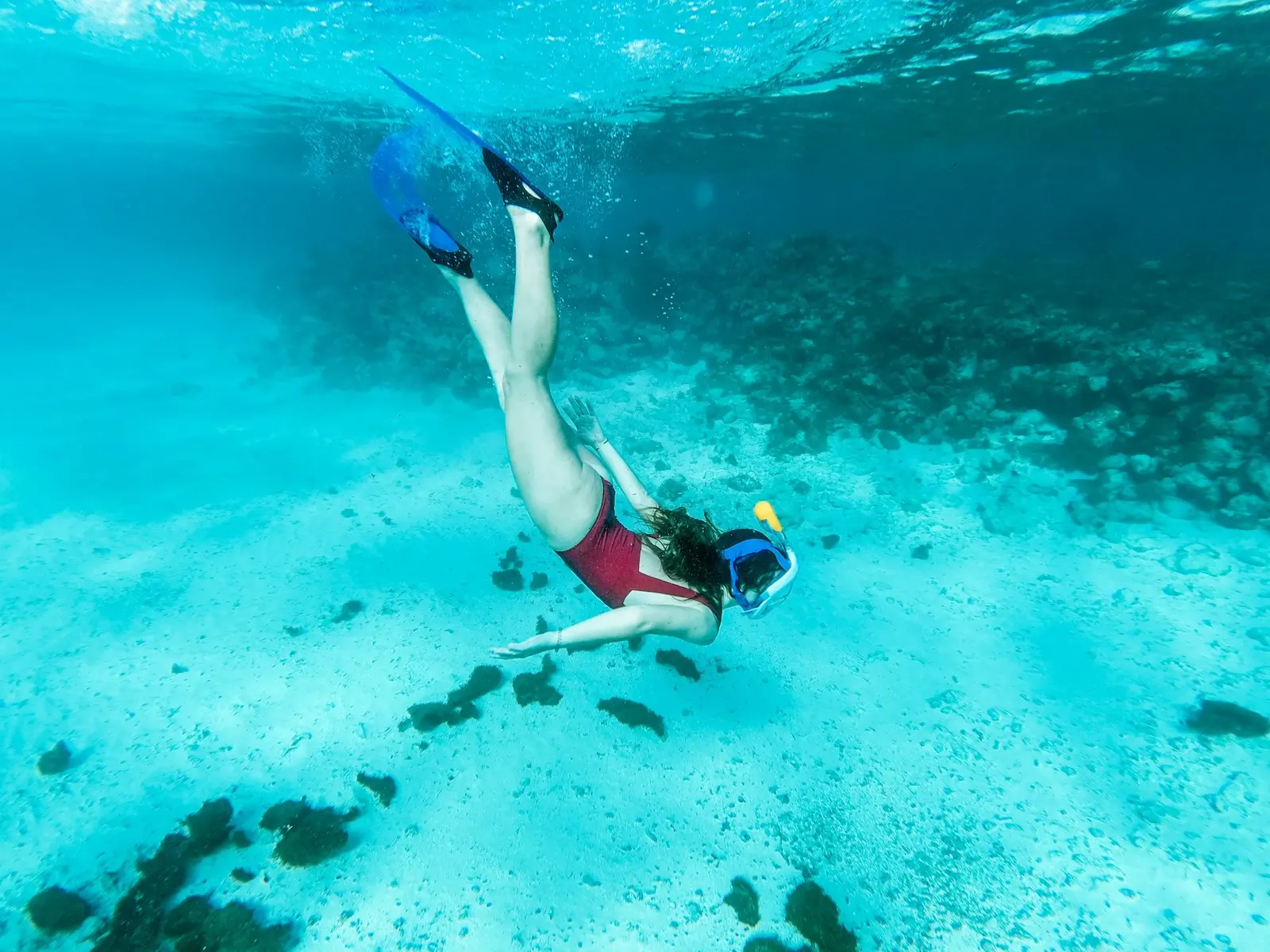
- Snorkeling tours: the reef, Akumal's sea turtles, and the Yal-ku Lagoon, often paired with a cenote.
- Scuba diving: cavern and cenote dives plus the reef, for going below the surface.
- Boat tours: catamaran sails and private charters along the coast.
- Yacht rentals: private whole-boat charters from nearby Puerto Aventuras.
- Whale shark tour: the summer-only open-water swim with the world's biggest fish (mid-May to mid-September).
Tulum's Best Beaches
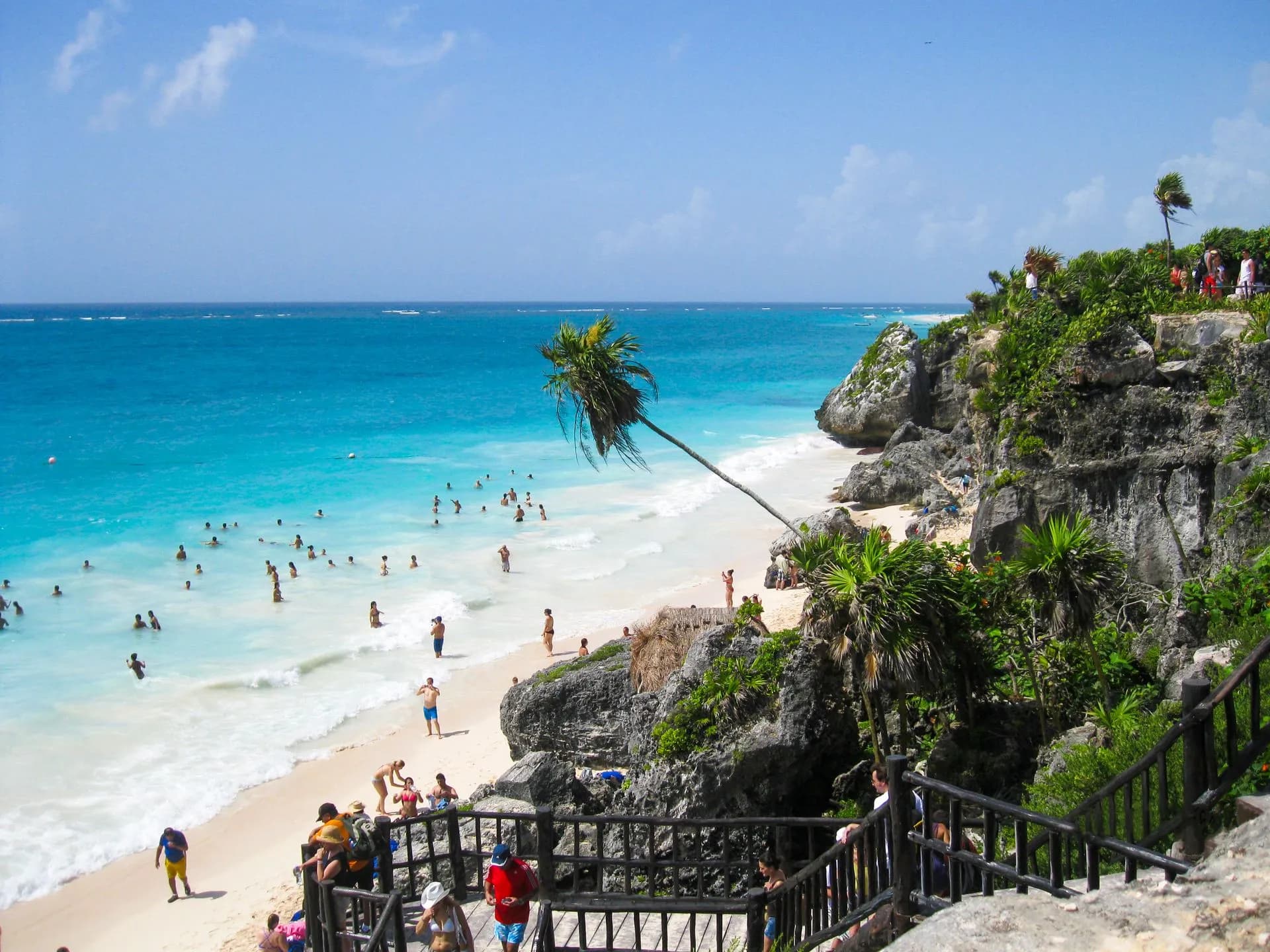
Tulum's beach is one long ribbon of white sand and turquoise water down the hotel zone, but it has distinct stretches, each with a different feel:
- Playa Paraíso: the postcard beach near the ruins, wide and soft, with public access and a beach club; the most popular and the most crowded.
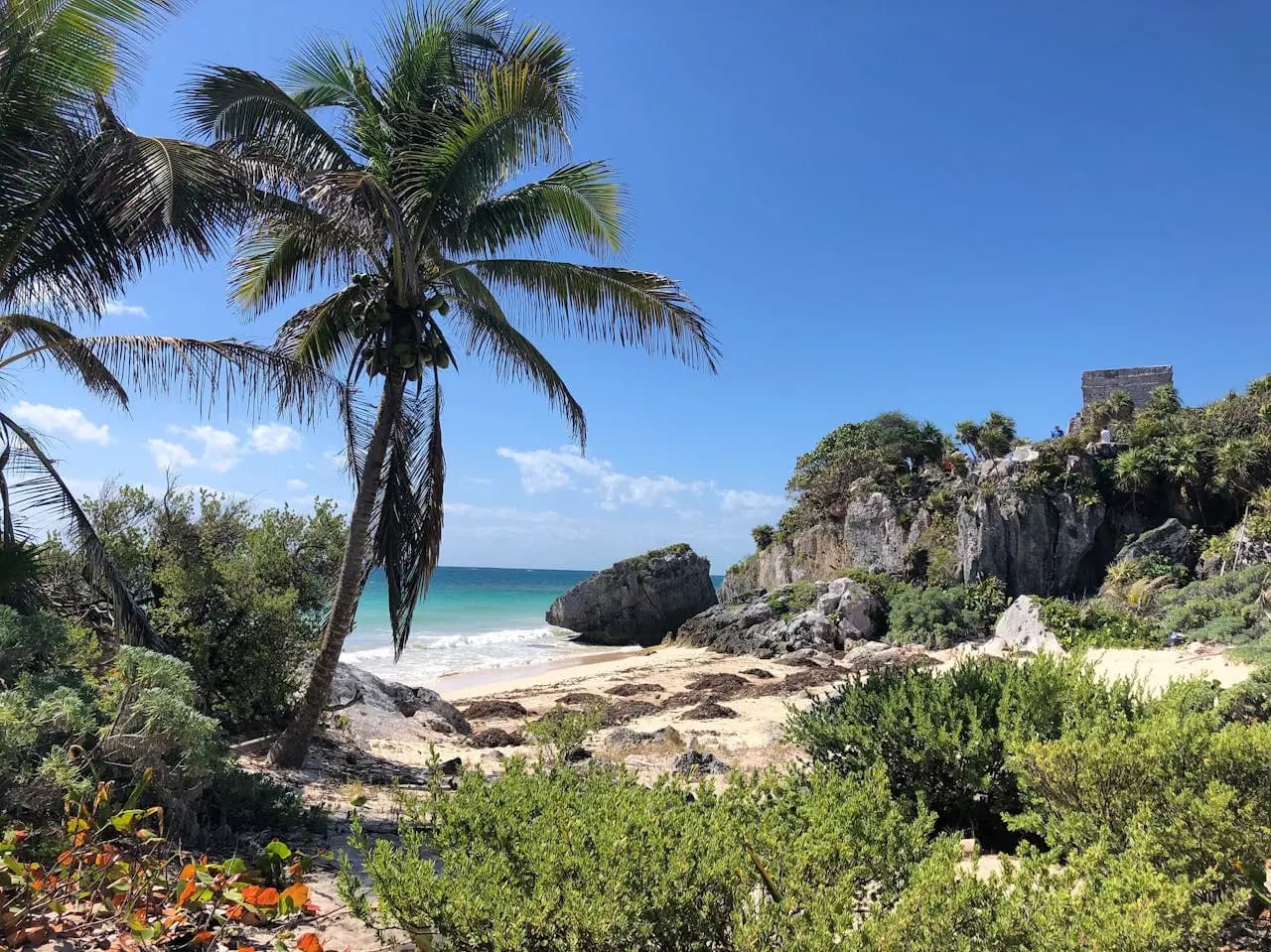
- Playa Ruinas: the small beach directly below the Tulum ruins, with the archaeological site on the cliff above. It is reached through the ruins entrance, so it pairs with a ruins visit.
- Las Palmas: a main public-access point midway down the hotel zone, popular with locals and a good free entry to the beach-club strip.
- South beach (Boca Paila road): the quieter, more exclusive far end toward Sian Ka'an, lined with boutique hotels and upscale beach clubs.
- Beach clubs: much of the hotel-zone sand sits in front of beach clubs that charge entry or a minimum spend for loungers, food, and drinks; a day pass is the easiest way to get a sunbed and service.
Public access is the thing to know: the beach itself is public, but the hotel zone has limited free entry points (Playa Paraíso, Las Palmas, and Playa Pescadores are the main ones), and parking is tight. Bring biodegradable sunscreen, and check the daily sargassum report in summer, since seaweed lands on the open beach but never the cenotes. For a keepsake, our Tulum photoshoot guide covers beach and ruins sessions.
Maya Ruins and Day Trips
Tulum is the base for some of the Yucatán's best archaeology, from the coastal ruins in town to the giants inland.
- Tulum ruins: the clifftop Maya port city above a turquoise beach, walkable in a morning.
- Cobá ruins: a jungle city with a tall pyramid, an hour inland and far less crowded.
- Chichén Itzá: the famous wonder of the Maya world, a full-day trip with a cenote stop. Our day trips from Tulum guide compares it with the other full days out of town.
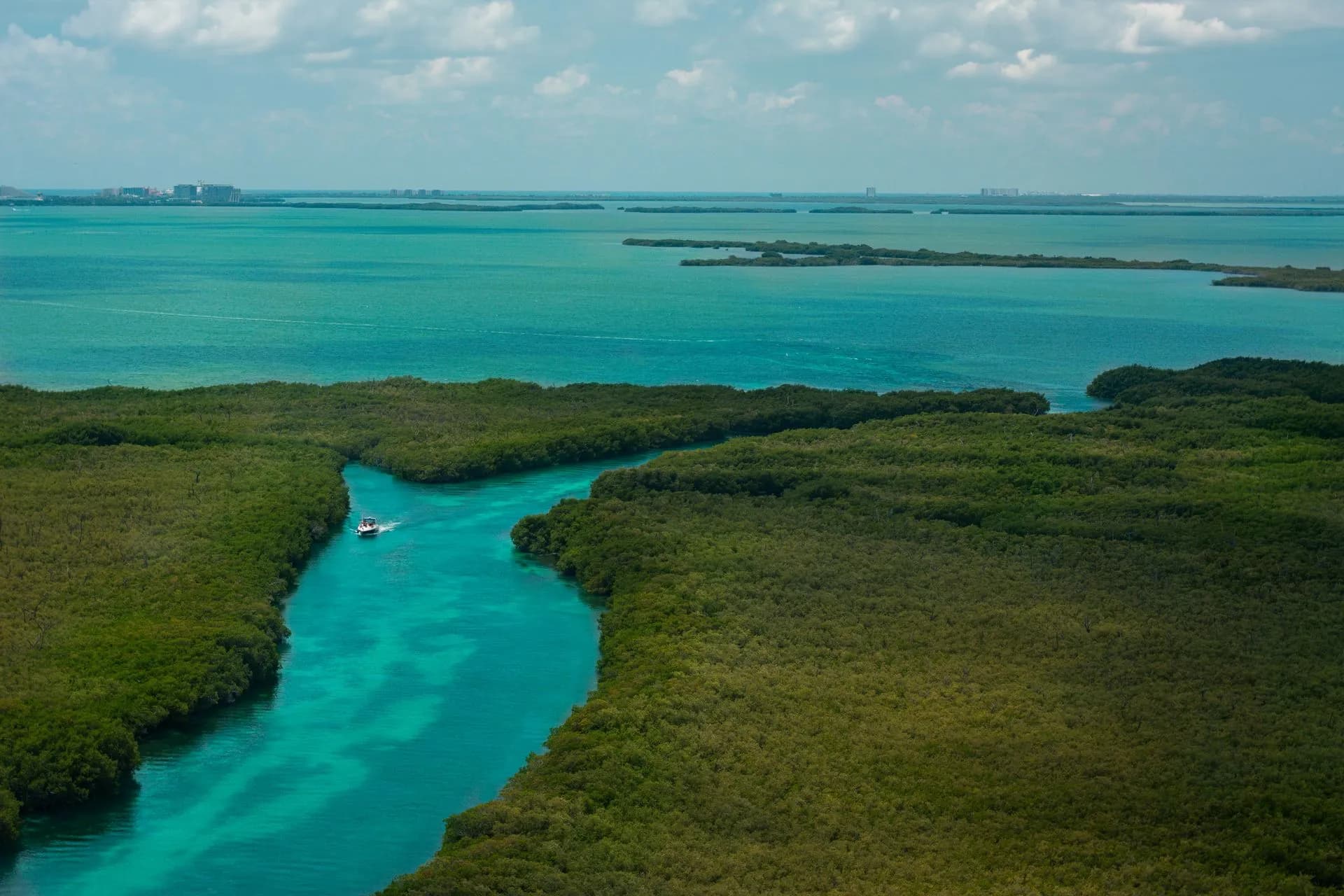
- Sian Ka'an Biosphere Reserve: the Muyil canal float or the Punta Allen dolphin-and-turtle safari, just south of town.
Jungle Adventure
Food, Cooking, and Mezcal
Tulum Pueblo, the downtown, is where the real food scene lives, away from the beach-club prices.
- Food tours: small-group tasting walks through the taquerías and stalls of Tulum Pueblo.
- Mezcal tastings: guided flights of artisanal mezcal and tequila, paired with chocolate or cheese.
- Cooking classes: hands-on Yucatecan and Mexican cooking with a local chef.
- Private chef: a chef cooks a multi-course dinner in your own villa.
Tulum Nightlife
Tulum's nightlife is less about clubs and more about atmosphere: jungle-and-beach venues, live music, and long dinners that slide into drinks. It splits between the beach zone and the downtown:
- Beach clubs after dark: several hotel-zone beach clubs become the night's main events, with DJs, fire shows, and open-air dance floors in the trees and on the sand.
- Live music and DJ venues: the scene runs from electronic and house parties to live Latin and jazz, and the beach road hosts the bigger DJ nights, often ticketed.
- Rooftop and cocktail bars: Tulum Pueblo and the beach strip both have cocktail-forward bars, many leaning into mezcal, agave, and local botanicals.
- Mezcalerías: for a lower-key night, a guided mezcal tasting or a mezcalería crawl is the most Tulum way to drink.
An easy evening itinerary: an early food tour or dinner downtown, then a mezcal tasting or a cocktail bar, and a beach-club DJ night if you want to stay out. Nightlife skews late and the beach venues are a taxi ride from town, so plan your way back, since there is no rideshare in Tulum.
Local Markets and Shopping
Shopping in Tulum runs from designer beach boutiques to downtown craft stalls, and it is one of the better places in the Riviera Maya for Mexican design:
- Beach-zone boutiques: the hotel strip is lined with high-end boutiques selling resort wear, swimwear, and bohemian fashion from Mexican and international designers, and priced accordingly.
- Downtown shopping (Avenida Tulum): the main avenue in Tulum Pueblo has the everyday shops, souvenir stores, and better-value crafts, a short trip from the beach.
- Local crafts and art: look for Maya and Oaxacan crafts, alebrijes, ceramics, and local artwork in the downtown shops and pop-up markets.
- Handmade textiles: embroidered blouses, huipiles, hammocks, and woven goods are regional specialties and the classic Yucatán souvenir.
- Jewelry: silver, obsidian, and amber pieces are widely sold; silver and amber are genuinely Mexican, so they make meaningful keepsakes.
Haggling is normal at market stalls and souvenir shops but not in the fixed-price designer boutiques, and many smaller vendors are cash-only. A guided food tour is a good way to get to know the downtown you would shop in.
Photos and Getting There
Two more bookings round out a Tulum trip.
- Photoshoot: a professional beach or ruins photo session, popular for couples and influencers.
- Airport transfer: private transfers from Cancún (about 2 hours) or Tulum's own airport, since there is no rideshare in town.
Who Tulum Is For
Tulum is a strong fit for:
- Couples and honeymooners: cenotes, beach photoshoots, private chefs, and mezcal nights make for an easy romantic week.
- Nature and wildlife lovers: Sian Ka'an, cenotes, and the reef are world-class, and the reserve's birdlife and dolphins reward a slow pace.
- Foodies: the downtown taquerías, cooking classes, and mezcalerías are reason enough to visit.
- Active travelers: diving, snorkeling, ziplining, and ATV jungle days keep the itinerary full.
Tulum is a weaker fit for:
- Big-resort and nightlife seekers: the all-inclusive scene and club strip are stronger in Cancún; Tulum skews boutique and laid-back.
- Budget travelers expecting cheap beachfront: the beach-zone hotels are the priciest in the region, though downtown is far more affordable.
Best Time to Visit Tulum
The best time depends on which activities matter most. The dry season from November to April brings the calmest seas and clearest reef days, the most comfortable temperatures, and the least sargassum, but also the biggest crowds and highest prices. Whale shark season is summer only, mid-May to mid-September, which overlaps the hotter, wetter months. Sargassum (seaweed) is heaviest roughly April to October and can cloud the reef and beaches, though the cenotes, lagoons, and Sian Ka'an float stay clear regardless. For the best balance of price and conditions, we'd give the shoulder months of November and early December the edge.
Getting Around Tulum
Tulum has no airport in the hotel zone and no app-based rideshare in town, which catches many visitors out. From Cancún airport it is about a 2-hour drive south, so most people book a private transfer in advance; see our Tulum airport transfer guide. In town, the beach hotel zone and Tulum Pueblo are 10 to 15 minutes apart, connected by taxi (agree the fare first, as taxis are not metered) or a flat, busy bike ride. Many tours include hotel pickup, but the food and mezcal experiences meet downtown, so factor the trip into your evening.
All Tulum Tours and Guides by Category
Every Tulum experience we cover, by category. Each link goes to the dedicated guide with prices, comparisons, and the tours worth booking.
Water: cenote tours, snorkeling tours, scuba diving, boat tours, yacht rentals, and the whale shark tour.
Ruins and day trips: Tulum ruins, Cobá ruins, Chichén Itzá, and Sian Ka'an.
Adventure: ziplines and ATV tours.
Food and drink: food tours, mezcal tastings, cooking classes, and a private chef.
Extras: a photoshoot and airport transfers. Deciding when to go? See our best time to visit Tulum guide for a month-by-month breakdown.
From Our Experience
We've found the days that work best group nearby experiences: the Tulum ruins, Akumal's turtles, and a cenote pack into one efficient morning, while Sian Ka'an and the whale shark trip each deserve a full day of their own. Book the marquee experiences first, since those sell out in peak season, and leave the in-town cenotes and food for last minute.
Tips for Planning Your Tulum Days
- Book the marquee experiences ahead. Whale shark trips, Sian Ka'an safaris, and top-rated cenote tours sell out in peak season; the cenote float and ruins are fine to plan a day or two out.
- Pack the cluster smartly. Ruins, Akumal turtles, and a cenote pair into one efficient day; Sian Ka'an and whale sharks each need a full day of their own.
- Snorkel with Akumal's turtles. The bay just north of Tulum is the coast's most reliable turtle swim; our Akumal snorkeling tour guide compares the private swims and cenote and ruins combos.
- Use only biodegradable sunscreen. It is required at cenotes, the reef, and around turtles, and you rinse off before entering the water.
- Carry cash. Many cenotes, taxis, and downtown stalls are cash-only, and tours expect a guide tip on top of the price.
- Mind the beach-versus-town split. Stay downtown for value and food, on the beach for the scenery, and budget travel time between the two.
- Go early. The ruins, cenotes, and reef are all calmer, cooler, and clearer first thing, before the midday tour buses arrive.
- Is Tulum safe? Our guide on whether Tulum is safe covers the neighborhoods, getting around, and practical tips for a worry-free visit.
- Staying in Akumal? Our Cancún airport to Akumal transfer guide compares private airport rides for the drive down from Cancún.
- Deciding where to stay? Our best Tulum hotels guide ranks ten properties by guest score and explains why the beach road costs roughly double the town for ratings that overlap.
- Travelling with children? Our best things to do in Tulum with kids guide reranks all of this for families, and is honest about which of the headline sights are hard work with young children.
How We Chose These Things to Do
The Cancun Trip Insider team evaluated every major Tulum activity category using operator data, verified review volume, pricing transparency, and suitability across traveler types. This page is a category-level overview; each section links to a dedicated guide where the full comparison, pricing, and booking detail live. Reviewed by the editorial team in June 2026.
Frequently Asked Questions
What are the best things to do in Tulum?+
The signature experiences are the clifftop Maya ruins, the freshwater cenotes, and the Sian Ka'an Biosphere Reserve. Add reef snorkeling or diving, a jungle zipline-and-ATV day, and the downtown food and mezcal scene, and you have a full week without repeating yourself.
How many days do you need in Tulum?+
Three to four days covers the essentials: a ruins-and-cenote day, a Sian Ka'an day, a beach-and-snorkel day, and an evening for food or mezcal. Five or more lets you add a Chichén Itzá or Cobá day trip and slow down for the beach.
What is the number one thing to do in Tulum?+
The cenotes are the most quintessentially Tulum experience: clear freshwater sinkholes for swimming and snorkeling that stay good in any weather. The clifftop Tulum ruins are the icon, and the two pair into one excellent day.
What is there to do in Tulum besides the beach?+
Plenty: swim cenotes, tour the Maya ruins and Cobá, float or boat through Sian Ka'an, snorkel or dive the reef, zipline and ride ATVs in the jungle, and eat your way through Tulum Pueblo on a food tour or mezcal tasting.
Are Tulum's beaches public and free?+
The beach itself is public, but the hotel zone has only a few free access points, mainly Playa Paraíso, Las Palmas, and Playa Pescadores. Much of the sand sits in front of beach clubs that charge entry or a minimum spend for loungers and service, and parking is tight, so arrive early.
Does Tulum have good nightlife?+
Yes, but it skews atmospheric rather than club-heavy: beach clubs with DJs and fire shows, live music, and mezcal-forward cocktail bars in town. A typical night runs dinner or a food tour, then a mezcal tasting or bar, then a beach-club party. Plan a taxi back, since there is no rideshare.
Is Tulum good for families or couples?+
Both. Couples love the cenotes, beach photoshoots, private chefs, and mezcal nights, while families do well with the gentle Sian Ka'an float, easy cenotes, and Akumal's turtles. The downtown is walkable and the experiences are mostly tasting-sized or half-day.
When is the best time to visit Tulum?+
November to April brings the calmest seas, clearest reef, and least sargassum, but the most crowds and highest prices. Whale shark season is summer only (mid-May to mid-September). November and early December offer the best balance of conditions and value.
Do you need a car in Tulum?+
Not necessarily. Most tours include hotel pickup or meet downtown, and there is no app-based rideshare in town. Plan a private airport transfer from Cancún (about 2 hours), and use taxis or a bike between the beach zone and Tulum Pueblo.
Affiliate note: Some links on this page are affiliate links. If you book through them, we may earn a small commission at no additional cost to you.