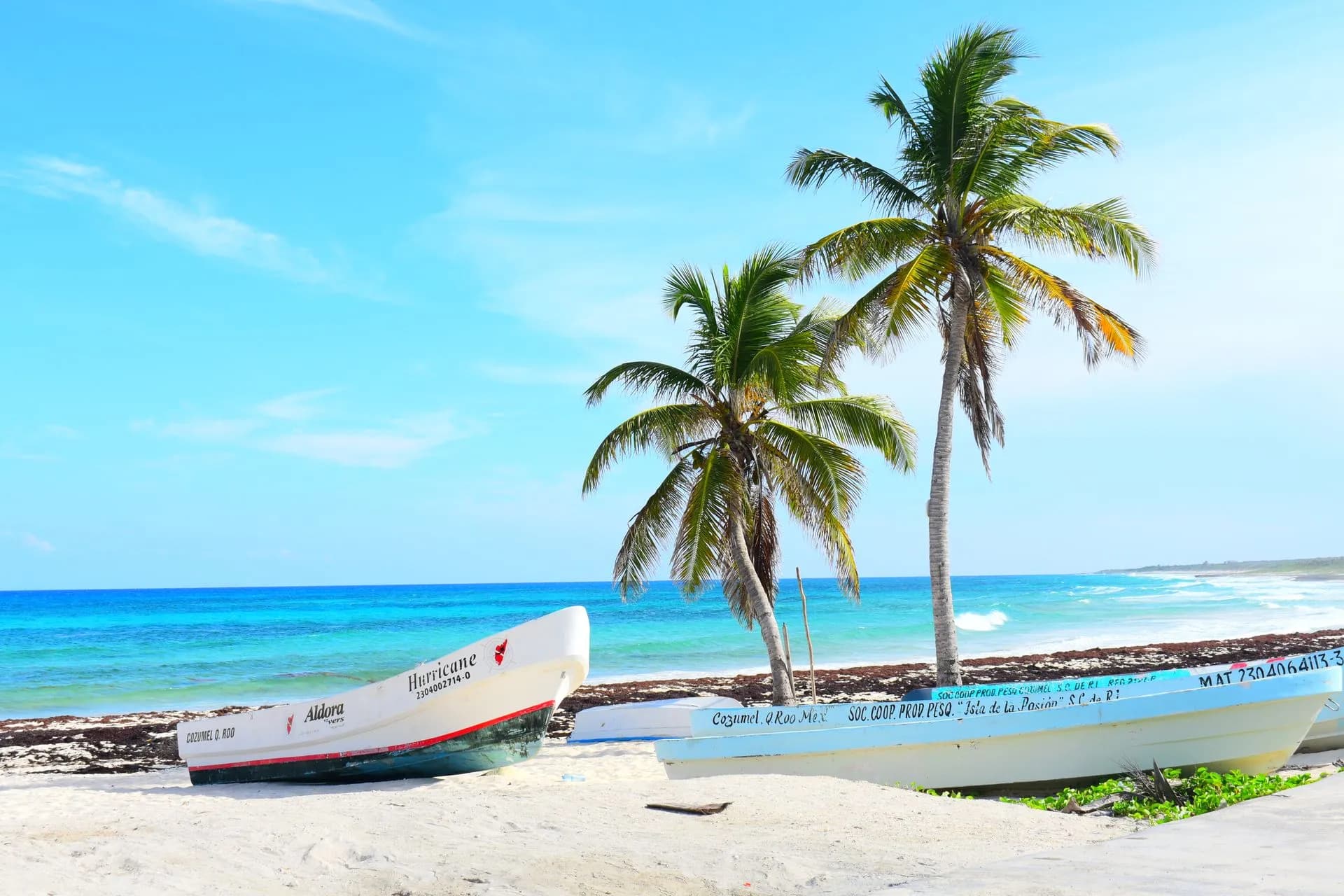
January is Cozumel at its driest: dry-season reef clarity on the leeward walls, sargassum at a seasonal low, and dates that fall outside the Atlantic hurricane season. The tradeoffs are winter-peak hotel rates, the heart of the cruise season, and cold fronts that can cancel a boat day. Here is what to actually expect.
What You Should Know
- January is peak dry season on Cozumel and typically its clearest stretch of water: comfortable 27 to 29°C days, roughly five rain days, sargassum at a seasonal low on the leeward beaches, and dates outside the Atlantic hurricane season. For diving and snorkeling it is among the island's strongest months.
- Cold fronts, known locally as nortes, arrive 2 to 4 times a month in January. Each brings 1 to 2 days of wind and grey skies that can cancel small-boat snorkel and dive trips before clearing. Build a flexible day into any short January trip.
- January falls in the November-to-April peak of the cruise season at Mexico's busiest cruise port. Ship counts, not the weather, decide how crowded your day feels, and midweek calls are typically quieter than weekends and Mondays.
- Hotel rates peak in the first week, then settle for the rest of the month. Booking from January 8 onward gets you identical dry-season conditions for meaningfully less than a New Year arrival costs.
Cozumel in January: The Honest Picture
⭐ Best January window for Cozumel: the second and third weeks, roughly January 8 to 24. The New Year crowd has flown home, hotel rates drop by roughly a third off their holiday peak, reef conditions are unchanged from the first week, and you are still ahead of the February Carnaval and Presidents' Day demand.
| Factor | January Rating |
|---|---|
| Weather | 10/10 — dry, warm, low humidity, no storms |
| Crowds | 4/10 — winter high season plus the year's heaviest cruise traffic |
| Prices | 3/10 — annual peak; softens after Jan 7 |
| Beaches | 10/10 — leeward coast clear and calm; best condition of the year |
| Diving & Snorkeling | 10/10 — the year's best visibility on the reef walls |
| Sargassum | 10/10 — minimal; the middle of the November-to-April clean season |
| Nortes (cold fronts) | 5/10 — 2 to 4 per month; the one real boat-day risk |
| Families | 8/10 — easy weather, warm water, calm leeward swimming |
| Couples | 9/10 — comfortable evenings, clear water, quiet away from the piers |
How we score: each factor is rated out of 10 against the same factor across Cozumel's other months, not against other destinations. Weather scores comfort, Crowds and Prices score 10 as emptiest and cheapest, and risk factors (sargassum, nortes) score 10 as lowest risk. The scores summarise the month-by-month evidence set out in the rest of this guide.
💰 Average January hotel prices (San Miguel and Costera Sur, 3 to 4 star):
Early Jan (1–7): ~$300/night · Mid Jan (8–24): ~$195/night · Late Jan (25–31): ~$185/night
Rough mid-range estimates; rates vary by property and booking lead time, and dive-focused hotels price differently from the beachfront resorts.
| Month | Crowds | Prices | Weather | Reefs | Overall |
|---|---|---|---|---|---|
| December | Very busy | Highest (holidays) | Very good | Very good | Good; excellent in early Dec |
| January | Busy | Peak | Excellent | Excellent | Excellent |
| February | Busy; Carnaval spike | Peak | Excellent | Excellent | Excellent |
Yes, Cozumel is excellent in January, and for anyone coming for the reef it is among the strongest months on the calendar. Dry season means warm days without the summer heat wall, roughly five rain days across the month, and water that is typically at its clearest. Sargassum, the factor that shapes so much of the mainland's season, is barely a consideration: January sits in the middle of the November-to-April clean window, and the leeward west coast where every beach club, dive shop, and hotel sits is at its best.
The honest caveats are about people and pricing, not weather. January falls in the heart of the cruise season at Mexico's busiest cruise port, so downtown San Miguel, the Costera Sur beach clubs, and the popular reef moorings all see their heaviest traffic. Hotel rates sit at their annual peak, and the first week of January still carries a holiday premium on top of that. Then there are nortes: cold fronts that push down from North America several times a month, bringing a day or two of wind and grey before clearing. They do not ruin a trip, but they do occasionally cancel a dive boat.
In our view, January is the right month for travelers whose trip is built around the water and who will pay peak rates to get the clearest version of it. The biggest difference between January and the summer months is not temperature, it is visibility: the same reefs look like a different place in dry-season clarity. If your priority is value rather than clarity, September and October deliver the same island for roughly half the hotel cost, with the weather risk that implies.
Cozumel in January: Pros and Cons
The short version of everything below, for anyone deciding whether January is the right month to book.
| Pros | Cons |
|---|---|
| The year's clearest reef conditions on the leeward walls | Hotel rates at their annual peak |
| Sargassum at a seasonal low on the developed west coast | The heart of the cruise season, so heavy port-day crowds |
| Comfortable 27 to 29°C days with moderate humidity | Nortes arrive 2 to 4 times a month and can cancel boat trips |
| Falls outside the Atlantic hurricane season | January 1 to 7 carries an extra holiday premium |
| Roughly five rain days and no daily afternoon storm | Evenings at 20 to 22°C feel cool on the water |
| Exposed land tours work at any hour rather than only at dawn | Popular beach club passes sell out on multi-ship days |
Weigh those two columns against what you are actually coming for. If the trip is built around the reef, the left column is the whole argument and the right column is a set of manageable logistics. If you are coming mainly for a beach and a budget, the same month reads very differently, and our Cozumel in fall guide covers the cheaper, quieter end of the calendar.
Cozumel Weather in January: Temperature, Rain & Sea Conditions
| Metric | January |
|---|---|
| Avg High | 28°C (82°F) |
| Avg Low | 21°C (70°F) |
| Water Temp | 26–27°C (79–81°F) |
| Rain Days | ~5 |
| Humidity | Moderate |
| Wind | Moderate to high (norte season) |
| Sargassum | Minimal to none (clean season November–April) |
| Hurricane Risk | Outside the Atlantic season (June–November) |
Temperature and Humidity
January is the coolest month of the Cozumel year, and that is the whole point of it. Daytime highs settle around 27 to 29°C (81 to 84°F), roughly five degrees below the July peak, and humidity drops enough that the midday sun stops being something you plan around. Nights fall to 20 to 22°C (68 to 72°F), which feels genuinely cool on a boat deck or an open-air terrace after dark, so a light layer earns its place in the bag (historical averages via Mexico's Servicio Meteorológico Nacional). The Caribbean sits at 26 to 27°C (79 to 81°F), warm enough that most snorkelers need nothing but a rash guard, though divers doing repeat tanks often want a 3mm shorty rather than the skin they would wear in August.
Rain Pattern
January is one of the two driest months on the island, averaging around 35 to 45mm across roughly five rain days. The near-daily afternoon thunderstorm that defines June through September is gone entirely. What replaces it is a different pattern: rain in January arrives with a cold front rather than with the heat, so instead of a sharp 45-minute downpour at 3pm you get a grey, breezy half-day that comes and goes with the weather system. Multi-day rain is rare. For planning purposes, the practical upshot is that you can schedule exposed, land-based days in January without holding an indoor backup in reserve, which is not true in the wet season.
Sea Conditions and Visibility
Between fronts, January typically gives Cozumel its clearest water of the year. Dive operators and published site guides commonly cite visibility of 30 metres or more on the leeward walls in dry season, with considerably more on the best days, though it swings day to day with conditions and is not a number to plan a single dive around. The reason it runs high in January is seasonal: dry-season runoff is minimal, plankton levels are at their annual low, and there is no storm churn stirring sediment off the shelf. Palancar, Colombia, and Santa Rosa all sit in the same sheltered channel that keeps them calm, and the shallow El Cielo sandbar is at its most photogenic when the water above it is this clear. Most people don't realize Cozumel's famous visibility numbers are dry-season figures rather than a year-round average; the reef looks meaningfully different in January than it does in the warm, greener water of late summer. The one caveat is norte days, when the channel roughens and small-boat operators stay in port.
| Month | Weather | Sargassum (leeward) | Reef Visibility | Prices | Best For |
|---|---|---|---|---|---|
| December | Dry, first nortes | Minimal | Very good | High, holiday peak late | Early-Dec value, holiday travel |
| January | Dry, cool, nortes | Minimal | Clearest of the year | Annual peak | Diving, snorkeling, clear-water trips |
| February | Dry, cool, nortes easing | Minimal | Excellent | High; Carnaval spike | Diving, Carnaval, couples |
| March–April | Dry, warming | Starting by late April | Very good | High | Warm dry weather, spring break energy |
| June–August | Hot, humid, afternoon storms | Low on the reefs | Good, warmer water | Summer lows | Warm-water diving, value, families |
| September–October | Wettest; hurricane peak | Easing | Variable | Cheapest of the year | Budget travelers with flexibility |
For the warm-weather end of that calendar, our Cozumel in summer guide and Cozumel in fall guide cover those seasons month by month.
Crowds and Prices in January: What to Expect
January on Cozumel splits into two distinct halves, and the dividing line falls around January 7 when the holiday traffic finally clears.
| January period | Hotel prices | Cruise traffic | Reef conditions | Our recommendation |
|---|---|---|---|---|
| Jan 1–7 | ~$300/night (highest) | Very high | Excellent | Holiday premium buys no extra weather; skip if dates are flexible |
| Jan 8–24 | ~$195/night | High, varies by day | Excellent | Best balance of price, crowds, and clarity |
| Jan 25–31 | ~$185/night, firming | High, varies by day | Excellent | Good alternative; rates climb toward February |
The conditions column does not move across the month, which is the point: the weather and the water are effectively the same in all three periods, so the decision is entirely about what you pay and who you share the island with.
Early January (January 1–7)
The first week is the tail of the Christmas and New Year rush. Hotels are still running holiday rates, the cruise calendar is at its fullest, and the beach clubs along Costera Sur are booked out on the heaviest ship days. It is the most expensive and most crowded window of the month by a clear margin, and the weather is no better than what you get two weeks later. We'd only do this week if your dates are fixed by someone else's calendar.
Mid-January (January 8–24)
This is the month's sweet spot. Holiday travelers have gone, room rates step down noticeably, and the island settles into its winter rhythm with every dive shop, restaurant, and tour running full schedules. Reef visibility is typically at its dry-season best through this window. Comparing published hotel rates and tour availability across the three periods above, we'd give this window the edge for anyone whose trip is built around diving or snorkeling: you get the month's clearest conditions without the New Year premium sitting on top of the hotel bill.
Late January (January 25–31)
Broadly similar to mid-January on both crowds and pricing, with rates beginning to firm up as February's Carnaval and Presidents' Day demand comes into view. Conditions stay excellent. If you are choosing between late January and early February, the deciding factor is usually whether you want to be on the island during Carnaval or well clear of it.
Cruise Traffic Is the Real Crowd Driver
Cozumel is Mexico's busiest cruise port and January sits at the peak of the November-to-April cruise season, so how crowded your day feels depends far more on the ship count than on the date. Ships dock at Puerta Maya and the International Pier south of town along Costera Sur, and at Punta Langosta downtown. On a four-ship day, downtown San Miguel, the popular beach clubs, and the busiest reef moorings all feel it; on a quiet midweek day the same places are calm. Weekends and Mondays are typically the heaviest, midweek the lightest, though the schedule shifts week to week and is worth checking against your own dates. Our Cozumel cruise port guide covers the piers and port-day logistics in full.
Hotel and Tour Pricing
January hotel rates run well above the summer and fall lows, and the gap is substantial: an equivalent room in September costs roughly half what it does in mid-January. Tour pricing, by contrast, barely moves with the season. The catamaran and reef trips, dive packages, ATV and cenote runs, and beach club passes charge broadly the same year-round, so the January premium you pay is almost entirely a hotel premium. Our Cozumel beach club day pass guide covers the best-value way to spend a beach day on the clear leeward coast in any month.
Peak Reef Visibility: Why Divers Pick January
Cozumel's signature draw has no closed season, but conditions do swing across the year, and January sits at the clear end of that swing. The island sits on the western edge of the Mesoamerican Barrier Reef, and its best-known sites, Palancar, Colombia, Santa Rosa, and Punta Sur, run down the sheltered leeward coast where a steady, gentle current makes drift diving the local style. In January the factors that drive clarity all line up: minimal rainfall runoff, low plankton levels, and no storm churn stirring sediment off the shelf, which is why dry-season visibility figures on this coast are the highest published for any month.
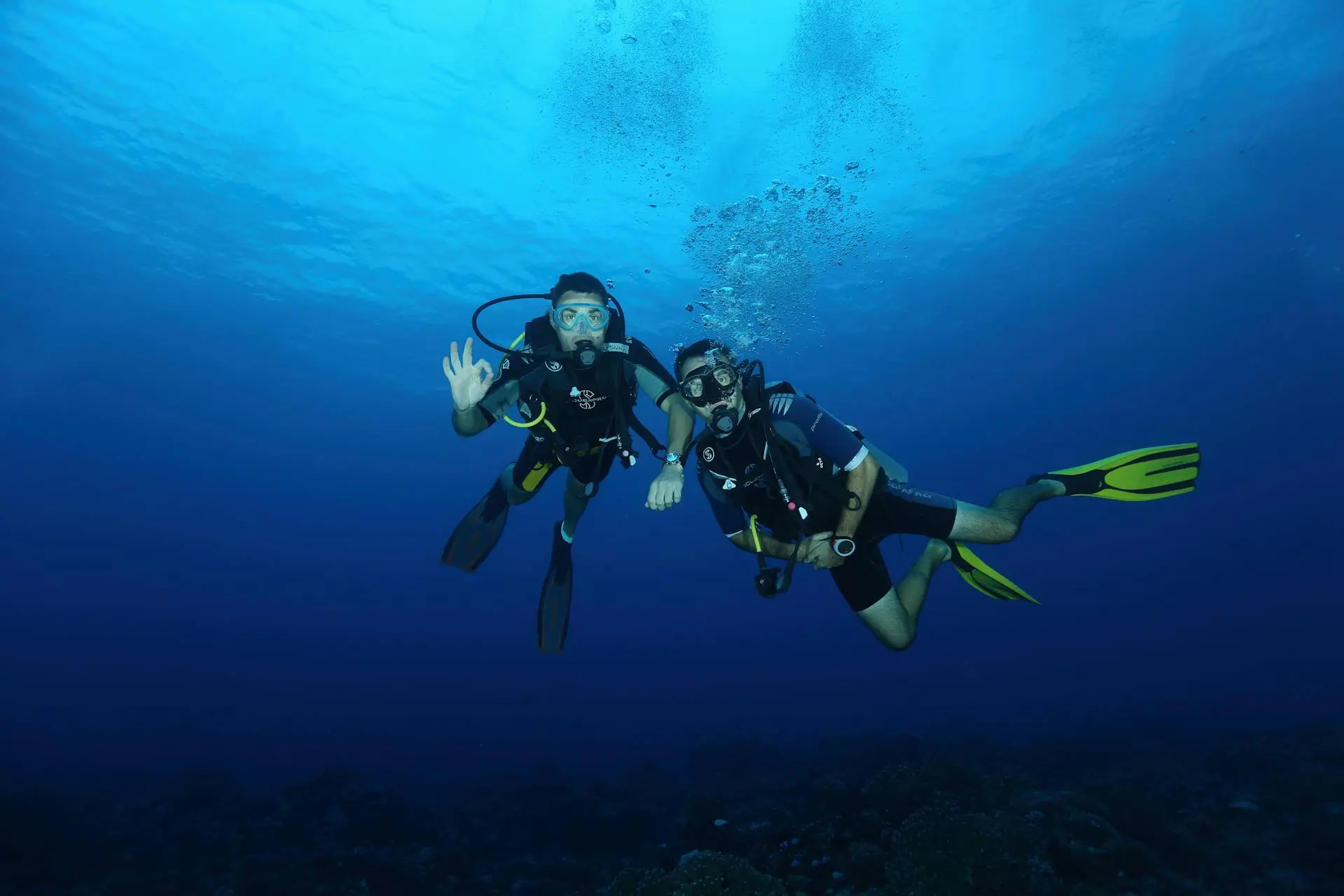
For divers, the practical effect is on the big structures rather than the small stuff. Palancar's swim-throughs and the Devil's Throat at Punta Sur are geological features, and they only read properly when you can see the whole formation at once. What typically happens on a summer dive is that you experience those sites in sections; in January you see them whole. The water is 26 to 27°C, warm enough that a 3mm shorty covers most people across two tanks. Our Cozumel scuba diving guide covers the operators, the beginner options at Chankanaab and Paradise Reef, and the certification courses.
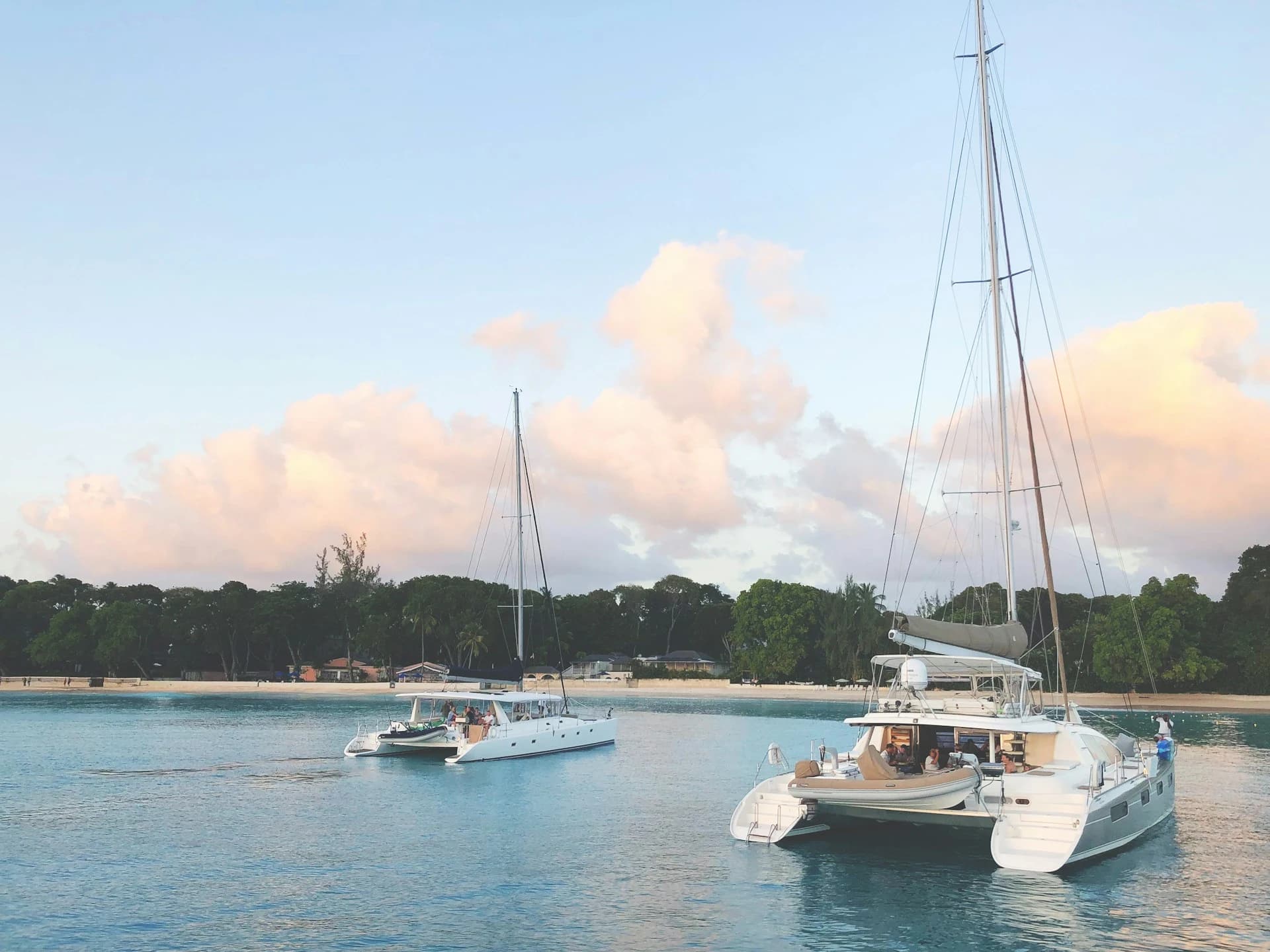
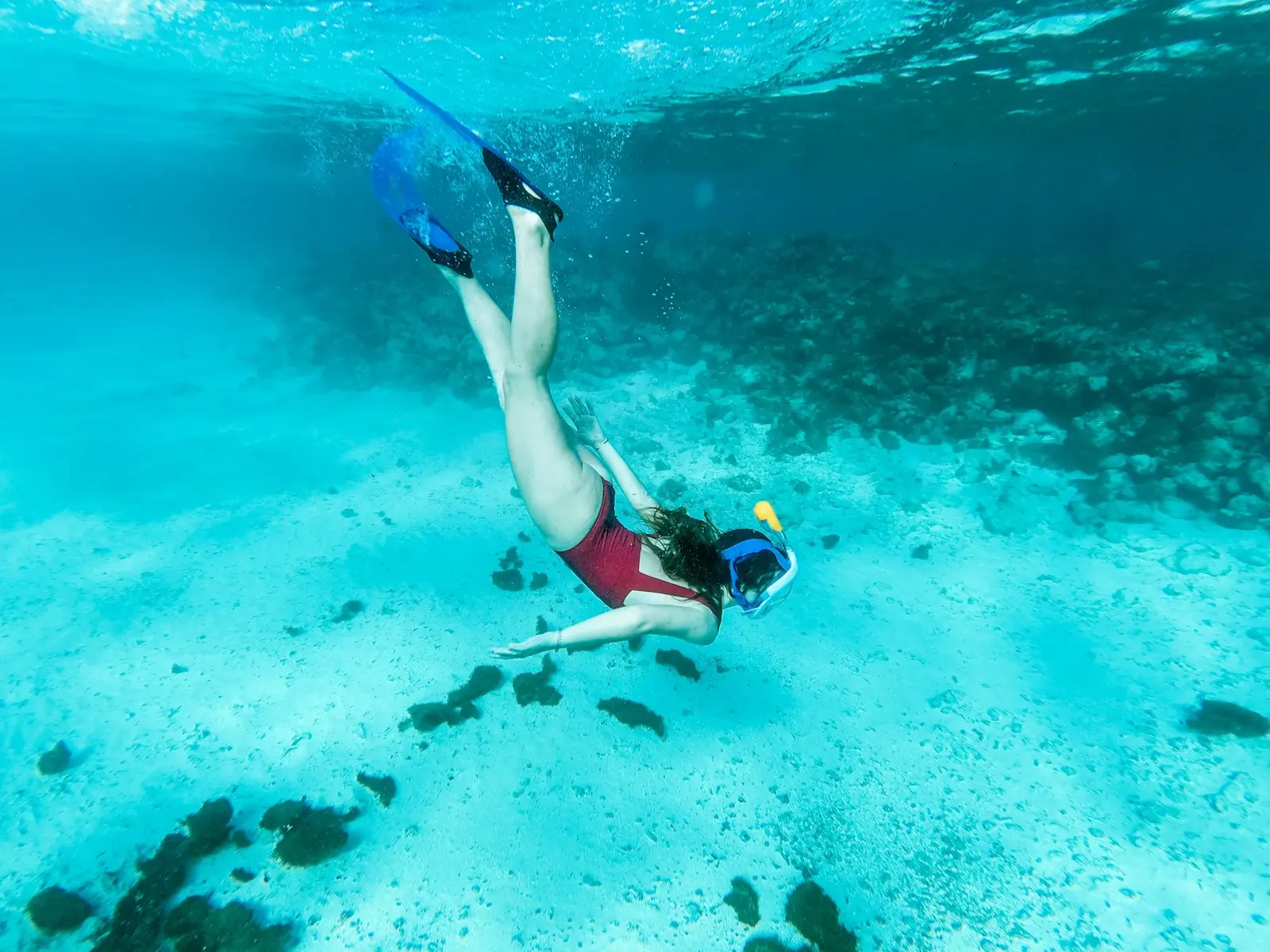
You do not need a certification to get the benefit. A Cozumel catamaran and snorkel tour sails the same leeward coast to guided stops on the Colombia and Palancar shallows and the El Cielo sandbar, which is a stand-up, waist-deep bar rather than a deep reef and therefore forgiving for weak swimmers. El Cielo depends more on clarity than any other stop on the island, since the whole appeal is looking down through it, and January delivers that reliably. Our Cozumel snorkeling guide compares the reef-and-El-Cielo boats against the shore-entry options at Dzul-Ha and Chankanaab.
Our take: book the water for the morning and book it early in the trip. Mornings are calmest before any afternoon breeze, and putting the dive or snorkel day at the front of your stay leaves room to reschedule if a norte closes the boats mid-trip. We'd book this if the reef is the reason you chose Cozumel at all, which for most January visitors it is.
Nortes in January: The One Real Weather Risk
January's downside is not rain, heat, or seaweed. It is wind. Nortes are cold fronts that push south from North America through the winter months, reaching the Yucatán roughly 2 to 4 times a month from November through March. A norte arrives as a shift rather than a storm: clear skies turn grey, the temperature drops several degrees, and a firm north wind builds for 24 to 48 hours before the system moves through and conditions snap back to clear and calm.
On Cozumel the consequence is specific. The leeward west coast is sheltered from the prevailing easterlies, which is why it stays calm and clear almost all year, but a norte blows from the wrong direction for that geography. The channel roughens, the small-boat dive and snorkel operators stay in port, and on the strongest fronts the port captain closes crossings altogether, which also halts the Playa del Carmen ferry. Shore diving at Dzul-Ha and Money Bar goes choppy at the same time. Land-based activity is unaffected: the ATV runs, the jeep loops, San Gervasio, the cenote, the food tours, and the beach clubs all operate normally, and a grey, breezy day is honestly pleasant for the exposed east-coast drive.
| Activity type | Norte-day status |
|---|---|
| Small-boat dive and snorkel trips | Frequently cancelled on the strongest fronts |
| Catamaran and El Cielo sails | Cancelled or rerouted to a calmer reef |
| Playa del Carmen ferry | Occasionally suspended by the port captain |
| ATV and Jade Cavern cenote | Runs normally; the cenote is unaffected |
| Jeep and east-coast loop | Runs normally; dramatic surf on the windward side |
| Food tours and cooking classes | Unaffected |
We think the tradeoff is manageable and worth naming honestly. On a week-long January trip, a norte is likely to cost you one boat day out of several, which is a minor inconvenience. On a three-day trip with a single dive booked, it is the difference between the trip you planned and the one you got. The fix is straightforward: book water activities for the earliest available day rather than the last, confirm your operator's reschedule policy before you pay, and keep the land-based options in reserve as the backup. Most guests find that operators track the fronts closely and rebook without argument, since a cancelled norte day is routine business for them rather than an exception.
Sargassum, by contrast, is rarely a factor in January. The Atlantic bloom that reaches the Mexican Caribbean runs roughly May through August, and January sits in the middle of the November-to-April clean window. Even in a heavy bloom year, Cozumel's developed leeward coast is among the region's most reliable clear-water bets; our Cozumel sargassum guide and the Cozumel vs Playa del Carmen comparison cover the geography behind that. January also falls outside the Atlantic hurricane season, which runs June 1 through November 30.
The Best Activities in Cozumel in January
January opens the full activity calendar and genuinely improves most of it. The water activities get their clearest conditions of the year, and the exposed land-based options that bake in summer become comfortable at any hour rather than only at dawn. Conditions below are rated against how the same activity runs in Cozumel's other months, not against each other.
| Activity | January Conditions | Best Time of Day | Notes |
|---|---|---|---|
| Reef Diving (Palancar, Colombia, Santa Rosa) | Excellent | Morning | The year's best visibility; book early in your trip for norte cover |
| Catamaran & El Cielo Snorkel | Excellent | Morning | Sandbar clarity at its best; calmest before the afternoon breeze |
| Reef Snorkeling Tours | Excellent | Morning | Dry-season clarity; shore reefs at Dzul-Ha calm between fronts |
| Jeep & East-Coast Loop | Excellent | Any | The month this works all day; Punta Sur is comfortable at midday |
| Mayan Ruins (San Gervasio) | Very good | Morning | Humid jungle site; far easier to walk in January's drier air |
| ATV & Jade Cavern Cenote | Very good | Any | Dry trails, less mud, no heat penalty on the later departures |
| South-Coast Beach Clubs | Very good | Late morning | Leeward water clear; reserve ahead on multi-ship days |
| Clear-Bottom Boat Snorkel | Very good | Morning | The format that gains most from dry-season clarity |
| Atlantis Submarine | Very good | Midday | Clear water at 30m depth; the reliable norte-day water option |
| Food Tour | Very good | Evening | Cool, dry evenings; downtown at its liveliest in high season |
| Cenote Jade | Good | Any | Constant temperature year-round; less of a heat escape than in summer |
| Cooking Class | Good | Any | Works in any slot; the go-to backup when a norte closes the boats |
| Zipline | Good | Any | Comfortable all day in dry-season air; wind can pause lines |
| Parasailing | Variable | Early morning | Fine on a calm morning; norte wind grounds flights outright |
Activities That Are Strongest in January
- Reef Diving: The month divers plan around. Visibility on the leeward walls commonly runs past 30 metres on a settled day, the drift is gentle, and 26°C water means a shorty rather than a full suit for most people. Palancar's swim-throughs and Punta Sur's Devil's Throat are structures you appreciate whole rather than in pieces, and January clarity is what makes that possible. Book your dive days early in the trip so a norte does not leave you without a second chance.
- Catamaran and El Cielo Snorkel: The El Cielo sandbar is shallow and its entire appeal is looking down through clear water at the starfish and white sand. It is the stop most sensitive to clarity on the whole island, and January is when it delivers. Morning sails find the calmest channel.
- Jeep and East-Coast Loop: We'd lean toward this in January over almost any other month. The windward coast, Punta Sur, and the Celarain lighthouse are fully exposed and punishing in summer heat, and in January the whole loop works at any hour without racing a clock. After a norte passes, the surf on that side is at its most dramatic.
- San Gervasio Ruins: The jungle canopy gives some shade but traps humidity, which makes this a sweaty walk for much of the year. January's lower humidity changes the experience more than the temperature drop alone suggests. Go at opening for the quietest site regardless.
- ATV and the Jade Cavern Cenote: Dry-season trails mean dust rather than mud, and the later departure slots are no longer a heat penalty. The cenote swim reads as a pleasant stop rather than the desperate relief it becomes in August. We like this for families who want the cenote without the summer mud.
Year-Round Activities With January-Specific Notes
- South-Coast Beach Clubs: The Costera Sur clubs are at their best in January, with clear, sargassum-free leeward water and comfortable rather than scorching sun. The catch is demand: high season plus heavy cruise traffic means the popular passes at Mr. Sancho's and the capped list at Nachi Cocom sell out on multi-ship days. Reserve rather than turning up. Our day pass guide covers what is bookable in advance.
- Atlantis Submarine: A rare water activity that a norte does not stop, since the sub operates below the surface chop. That makes it the natural fallback when a front cancels your dive or snorkel booking, and dry-season clarity means the reef at 30 metres is genuinely well lit.
- Parasailing: Fine on a calm January morning and grounded outright on a norte day, since these are wind-dependent flights rather than boat trips that can reroute. Book it as a flexible add-on rather than a fixed item on the itinerary.
- Food Tours and Cooking Classes: January evenings are dry and cool enough that a downtown walking tour is a pleasure rather than an endurance test, and San Miguel is at its liveliest in high season. The cooking class is the single best norte-day booking on the island: fully indoor, unaffected by wind, and easy to slot in at short notice.
- Cenote Jade: The freshwater cenote holds its temperature year-round, so the experience is identical in January. What changes is the contrast: in August it is the relief from the heat, in January it is simply a beautiful swim. Worth doing either way, and completely unaffected by surface conditions.
- Lucha Libre: An indoor evening show that runs regardless of what the weather is doing, which makes it another dependable norte-night option alongside the cooking class.
More January Activities Worth Knowing About
These do not have their own dedicated guides on this site yet, but they are well established and several of them are specifically better in January.
Punta Sur Eco Park and the Celarain Lighthouse
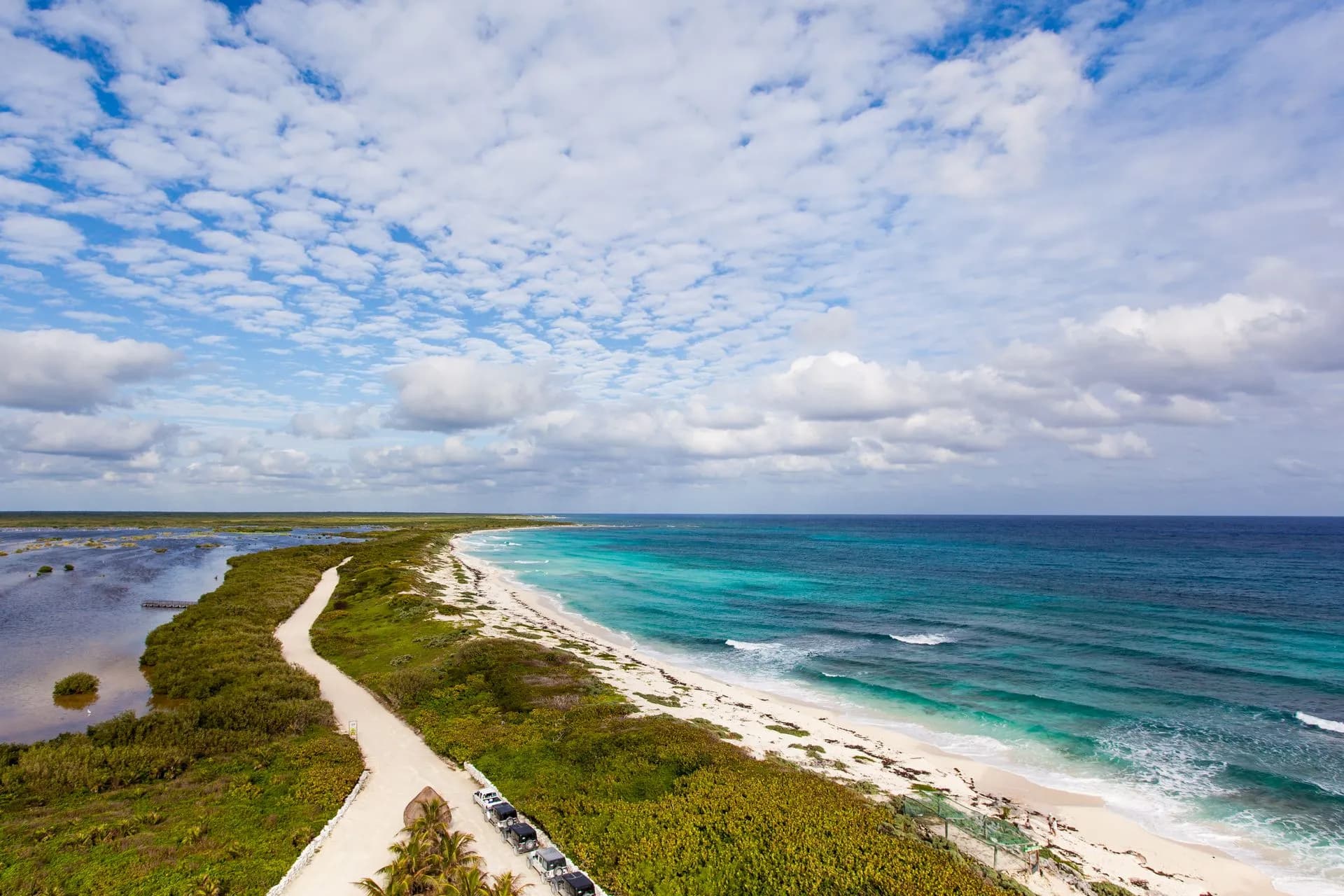
The southern tip of the island is a protected reserve covering lagoons, mangrove, beach, and the 19th-century Celarain lighthouse you can climb for the view across the whole southern coast. There is a crocodile-viewing tower over Laguna Colombia and a small navigation museum at the base of the lighthouse. It is almost entirely exposed, which makes it a difficult visit in summer and a genuinely good one in January. Entry is paid at the gate and you need a vehicle to reach it, so most visitors combine it with a jeep or rental-car loop of the east coast. Allow three hours to do it properly.
Chankanaab Park
A national park a short drive south of San Miguel built around a saltwater lagoon, a shore-entry reef, botanical gardens, and replica Mayan carvings. It is the easiest snorkeling on the island: you walk in from a beach rather than boarding a boat, which makes it a reliable option for families, weak swimmers, and cruise passengers on a short call. January's clarity extends to the shore reef here as much as it does offshore. The park also runs dolphin and sea lion programs and a beginner scuba option, all bookable at the gate or in advance.
Kiteboarding and Windsurfing
The winter norte winds that inconvenience dive boats are exactly what the island's kiteboarders wait for. January through March is the wind season on Cozumel, and the shallow, sheltered water at the northern end of the island near Playa Uvas and the east-coast bays draws a small, dedicated scene. Schools run lessons and rentals, and the sport is one of the few things on the island that actively improves on a norte day. Worth knowing if you are on the island with a booking that just got cancelled by the wind.
Shore Snorkeling at Dzul-Ha and Money Bar
You do not need a boat to see a Cozumel reef. Dzul-Ha, on the west coast at the Money Bar, is a shore-entry reef with healthy coral and reliable fish life in a few metres of water, and access is free if you buy food or drinks. Sky Reef and Playa Corona further south offer the same model. In January the water is clear and the sites are calm between fronts, which makes a morning of shore snorkeling a legitimate substitute for a boat tour rather than a consolation prize.
Three Kings Day (January 6)
Día de Reyes is a major Mexican holiday and falls in the first week of January. In San Miguel it shows up as family gatherings, rosca de reyes in the bakeries, and small celebrations in the main plaza rather than as anything staged for visitors, which is exactly what makes it worth seeing. Some businesses run reduced hours on the day, so confirm any booking that falls on January 6.
Sport Fishing
Cozumel's channel is a serious billfish destination, and the season structure matters: sailfish and marlin build from roughly February through June, so January sits just ahead of the peak. Mahi-mahi, wahoo, and barracuda are the reliable January targets, and charters run daily out of the marinas north and south of town. A half-day charter is the usual format. Nortes affect fishing charters the same way they affect dive boats, so keep the date flexible.
Cozumel Carnaval (February)
Worth flagging for January planners because it sits immediately after. Carnaval is the island's biggest annual event, running the week before Ash Wednesday with nightly parades, costumes, and street parties through San Miguel. In 2026 that falls in mid-February. If your dates are flexible and a festival appeals, pushing a late-January trip a couple of weeks later puts you in the middle of it; if you want the reef and the quiet, staying in January avoids the accommodation squeeze it creates.
Our Take
The pattern we see across January bookings is that the trips that go wrong are the short ones with a single water day scheduled for the back end. Nortes are frequent enough in January that a three-day trip has a real chance of catching one, and a dive booked for the final morning has nowhere to move to. Putting the water first and the land activities last costs nothing and removes almost all of that risk.
Tips for Visiting Cozumel in January
- Book water activities for the front of your trip: nortes arrive 2 to 4 times a month in January and close the small-boat operators for a day or two. A dive or snorkel day scheduled early leaves room to reschedule; the same booking on your last morning does not.
- Confirm the reschedule policy before you pay: reputable Cozumel dive and snorkel operators track the fronts and rebook without penalty, but ask explicitly rather than assuming. This is the single most important thing to verify on any January boat booking.
- Keep a norte backup in your pocket: the cooking class, the Atlantis submarine, Cenote Jade, the jeep and east-coast loop, and an evening lucha libre show all run normally on a windy day. Having one identified in advance turns a cancelled boat into a changed plan rather than a lost day.
- Check the cruise schedule against your dates: January sits in the heart of the cruise season here, and ship count decides how crowded downtown, the beach clubs, and the popular reef moorings feel. The port publishes a daily ship calendar, and midweek is typically quieter than weekends and Mondays.
- Reserve the popular beach club passes ahead: high season plus heavy cruise traffic means Mr. Sancho's and the capacity-capped Nachi Cocom sell out on multi-ship days. Turning up and hoping does not work in January the way it does in September.
- Pack a light layer and consider a 3mm shorty: evenings at 20 to 22°C feel cool on the water, and norte days are breezier than the air temperature suggests. Divers doing two or three tanks a day will want more neoprene than the skin they would wear in summer.
- Arrive after January 7 if pricing matters: the first week carries a holiday premium that buys you nothing in terms of weather or water. Mid-January gives you identical conditions for meaningfully less.
- Bring reef-safe sunscreen: Cozumel's marine park requires mineral, reef-safe sunscreen on the reefs and snorkel trips, and chemical products can be confiscated. Local stock is inconsistent and expensive, so pack your own.
- Visiting at a different time of year? Our Cozumel in December guide covers the month before, where early December offers the same dry-season conditions well below the holiday peak. Our Cozumel in February guide covers the month after, the driest of the year, with the same reef clarity, fewer cold fronts, and Carnaval filling San Miguel with parades. Our Cozumel in summer guide covers the hot, busy months when the leeward reefs are the clear-water refuge from peak mainland sargassum, and our Cozumel in fall guide covers the year's cheapest, quietest stretch in September and October alongside near-ideal November. For how the island compares with the mainland on water clarity, see our Cozumel vs Playa del Carmen comparison.
How We Put This Guide Together
The Cancun Trip Insider team built this guide from operator data, seasonal availability records, cold-front frequency and rainfall data from Mexico's Servicio Meteorológico Nacional, sargassum monitoring records, Cozumel cruise port schedules, and verified traveler review patterns across every major January activity category on the island. January is among the most weather-stable months of the Cozumel year, but we prioritized honest framing of norte frequency, cruise-day crowding, and peak-season pricing over promotional language: every claim about weather, visibility, crowds, and seasonal timing reflects documented patterns rather than best-case scenarios. This guide was reviewed and updated in September 2026. January conditions are consistent year to year, though norte frequency and cruise schedules vary; we recommend confirming tour availability, operator reschedule policies, and the port's ship calendar in the weeks before your trip. Every activity linked here has its own dedicated guide with operator comparisons and real review data.
Frequently Asked Questions
Is Cozumel good in January?+
Yes, and for divers and snorkelers it is among the best months of the year. January is peak dry season: comfortable 27 to 29°C (81 to 84°F) days, moderate humidity, roughly five rain days, sargassum at a seasonal low on the leeward beaches, and dates outside the Atlantic hurricane season. Reef visibility on the Palancar and Colombia walls is typically at its dry-season best. The tradeoffs are peak hotel pricing, the heart of the cruise season, and cold fronts that arrive 2 to 4 times a month and can cancel a boat day.
What is the weather like in Cozumel in January?+
January is Cozumel's coolest and one of its two driest months. Daytime highs sit around 27 to 29°C (81 to 84°F) with moderate humidity, and nights fall to 20 to 22°C (68 to 72°F), cool enough for a light layer. Rainfall averages 35 to 45mm across about five rain days, with no daily afternoon storm pattern. The sea holds at 26 to 27°C (79 to 81°F). The main variable is nortes, cold fronts that bring 1 to 2 days of wind and grey skies before clearing.
Is January a good month for diving and snorkeling in Cozumel?+
It is among the best, and typically the clearest. Dry-season conditions mean minimal runoff, low plankton, and no storm churn, and operators commonly report visibility of 30 metres or more on the leeward walls, though it varies day to day. That matters most at the big structural sites like Palancar's swim-throughs and the Devil's Throat at Punta Sur, which you can take in whole rather than in sections. Water at 26 to 27°C means a 3mm shorty covers most divers across two tanks. The El Cielo sandbar, which depends entirely on clarity, is also at its best.
Is there sargassum in Cozumel in January?+
No. January sits in the middle of the November-to-April clean season, and the Atlantic sargassum bloom that reaches the Mexican Caribbean runs roughly May through August. Cozumel's beaches, beach clubs, dive sites, and town all sit on the sheltered leeward west and south coast, which stays clear even during the regional peak. In January it is rarely something you need to plan around.
What are nortes, and do they affect Cozumel in January?+
Nortes are cold fronts that push down from North America through the winter, reaching the Yucatán 2 to 4 times a month from November through March. Each brings 24 to 48 hours of north wind, grey skies, and a few degrees of cooling before clearing. On Cozumel they roughen the normally sheltered channel, so small-boat dive and snorkel trips are frequently cancelled and the Playa del Carmen ferry is occasionally suspended. Land activities, the cenote, the beach clubs, and the Atlantis submarine all run normally.
Is January expensive in Cozumel?+
Yes, January is the annual pricing peak, with the first week carrying an additional holiday premium on top. Mid-January rates step down noticeably once the New Year traffic clears, but they still run well above the summer and fall lows, roughly double what an equivalent room costs in September. Tour pricing barely changes with the season, so the January premium is almost entirely a hotel premium.
What is the best week to visit Cozumel in January?+
The second and third weeks, roughly January 8 to 24. Holiday crowds have gone, hotel rates drop from roughly $300 a night to around $195 for an equivalent room, reef conditions are unchanged from the first week, and you are still ahead of February's Carnaval and Presidents' Day demand. Within that window, midweek days are typically quieter than weekends and Mondays because fewer cruise ships are in port.
What activities are best in Cozumel in January?+
Reef diving and the catamaran and El Cielo snorkel top the list, since both depend on the visibility that is typically at its best in January. The exposed land-based options improve just as much: the east-coast jeep loop and Punta Sur work comfortably at any hour rather than only at dawn, and the San Gervasio ruins are far easier in the lower humidity. ATV trails run dry rather than muddy. The Atlantis submarine, Cenote Jade, cooking classes, and evening food tours all run regardless of what a norte is doing.
Affiliate note: Some links on this page are affiliate links. If you book through them, we may earn a small commission at no additional cost to you.