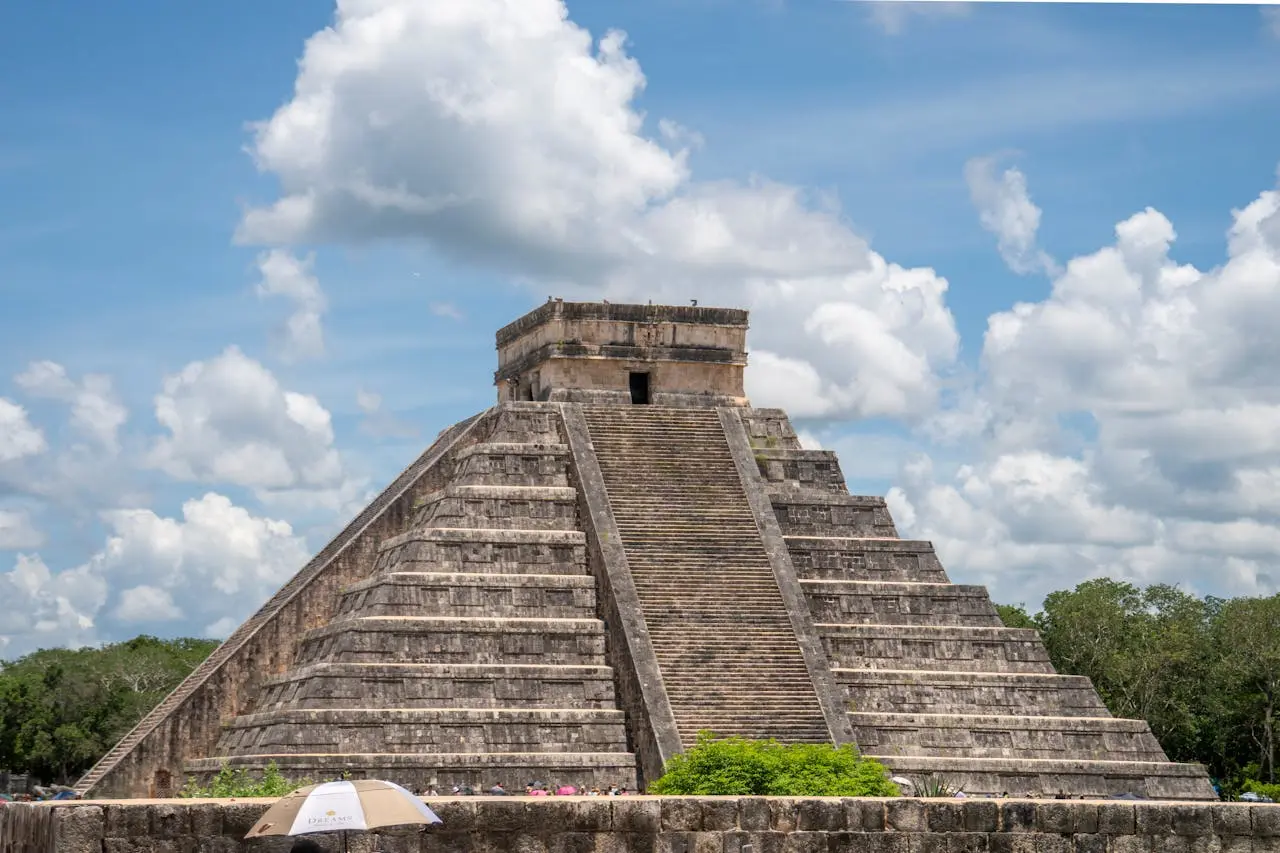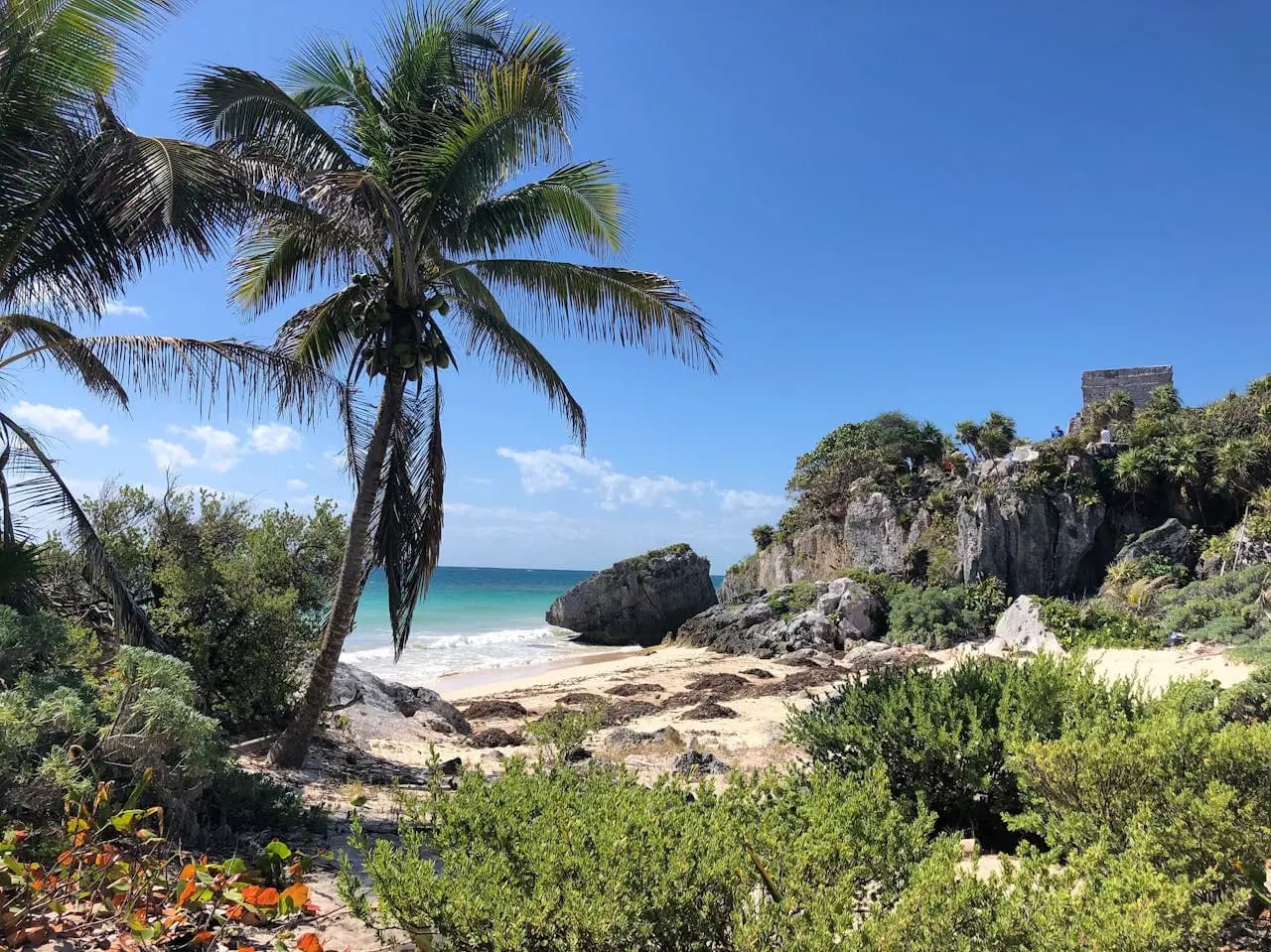
Tulum is safe for most tourists, but the cartel question, the taxi situation, and the isolated beach road are worth understanding first. Here is the honest picture for 2026.
What You Should Know
- The U.S. State Department rates Quintana Roo, the state where Tulum sits, at Level 2: Exercise Increased Caution, the same level applied to France, Italy, Spain, and the United Kingdom. This has been unchanged since August 2025, and Tulum's beach zone, ruins, and downtown are not flagged with any extra warning.
- The cartel violence that makes headlines in the region is almost entirely between rival groups over drug-selling territory, not aimed at tourists. The rare cases where visitors were harmed involved being caught near the drug trade, which is why staying out of that scene is the single biggest thing you can do to keep your risk low.
- The most common problems tourists actually run into in Tulum are not violent: petty theft, drink spiking in nightlife, card skimming, and above all taxi overcharging. Tulum's taxi fares are notoriously high and there is no official rideshare, so arranging transport in advance saves both money and hassle.
- Tulum's beach (Zona Hotelera) road is more isolated and less patrolled than Cancún's Hotel Zone or Playa del Carmen's Fifth Avenue, with fewer ATMs and a darker drive back at night. Planning your transport ahead, rather than flagging a ride late, removes most of that exposure.
Is Tulum Safe to Travel in 2026?
Tulum draws millions of visitors a year to its clifftop Maya ruins, beach clubs, and the cenotes and jungle inland, and the overwhelming majority finish their trips without any safety problem. The town and its beach zone operate as a tourist economy with a visible security presence that has been reinforced in recent years. At the same time, Tulum sits in the Mexican state of Quintana Roo, which carries a Level 2 advisory from the U.S. State Department, and the honest answer to whether it is safe comes with context worth understanding before you go.
Is Tulum Mexico safe to travel in 2026?
Yes, for most tourists. Tulum is generally safe in its tourist areas (the ruins, the beach zone, downtown, and the cenotes), with the same Level 2 advisory as much of Western Europe. The main risks are taxi overcharging, petty theft, the isolated beach road at night, and nightlife-related incidents, rather than violence aimed at visitors.
This guide covers the current Tulum travel advisory from major governments, the cartel question (asked often and worth answering directly), the taxi and transport situation that catches first-timers out, which areas need more awareness, and practical steps that bring your risk close to zero. If you are asking whether it is safe to travel to Tulum right now, our honest answer is yes, with context.
Most incidents reported in Quintana Roo involve disputes between criminal groups or localized, non-violent crime against tourists rather than visitors being specifically targeted. Travelers should still follow official advisory guidance, stay in established tourist areas, and keep normal precautions. That does not make your risk zero, but for most beach-based travelers the experience is far closer to a standard Caribbean holiday than the headlines suggest.
Tulum Safety at a Glance
If you want the quick version before the detail below, here is how the main risk categories stack up for a typical beach-based visitor.
| Category | Rating for Tourists |
|---|---|
| Violent crime risk | Low (rarely involves tourists) |
| Petty theft | Moderate |
| Taxi overcharging & scams | Moderate to high |
| Beach & water safety | High, if you follow the flags |
| Nightlife (after midnight) | Use extra caution |
| Solo travel | Good with normal precautions |
| Family & couples travel | Excellent |
| Day trips (cenotes, Cobá, Chichén) | Excellent |
ℹ️ Ratings reflect typical risk for tourists staying in established areas and taking normal precautions, not a guarantee. Conditions vary by area and time of day.
Current Tulum Travel Advisory: What Each Government Says
Here is a current summary of official travel advisories for Mexico and for Tulum specifically, drawn from government sources as of 2026. These apply to the Quintana Roo region where Tulum is located.
| Government | Advisory Level | Quintana Roo / Tulum Specific | Official Source |
|---|---|---|---|
| United States | Level 2: Exercise Increased Caution | No additional state-level warning for Quintana Roo. Tulum's tourist zone is not flagged as elevated risk. Unchanged since August 2025. | U.S. State Department |
| Canada | Exercise a High Degree of Caution | Tulum and the Riviera Maya corridor are not specifically flagged as high-risk for tourists. | Government of Canada |
| United Kingdom | Exercise Caution | Quintana Roo tourist areas noted as generally lower risk than other Mexican states. | UK Foreign, Commonwealth & Development Office |
| Australia | Exercise Normal Safety Precautions (tourist areas) | Recommends standard precautions in popular tourist destinations including Tulum. | Smartraveller (Australia) |
ℹ️ Travel advisories are updated regularly, and conditions can shift between cycles. Always check your government's official advisory page before departure for the most current status.
The pattern across all four governments is the same: the Riviera Maya tourist zones (Tulum, Playa del Carmen, and Cancún's Hotel Zone) do not draw the elevated warnings that some of Mexico's northern border states receive. Most people don't realize the U.S. Level 2 designation covers all 32 Mexican states under a single country-wide rating, which is why the advisory page reads identically for Tulum and for states with active documented cartel conflicts. The Level 2 line reflects conditions across Mexico as a whole, not a specific risk profile for Tulum's beach road.
One recent note worth being honest about: in February 2026 a broader wave of cartel-related violence flared across several Mexican states and briefly reached parts of the Caribbean coast, prompting heightened caution for a short period. Quintana Roo remained at Level 2 throughout, federal and state forces (including the Navy and National Guard) surged patrols in the hotel zones and downtown, and tourist operations continued normally. It is a good reminder to check the live advisory close to your travel date rather than relying on a guide alone.
Tulum Safety by the Numbers
Numbers add context that reassurance alone cannot, with the important caveat that headline state-wide figures are skewed by organized-crime activity that has little to do with tourists.
- Tourist volume: Quintana Roo, the state Tulum sits in, received around 21 million tourists in 2024, and Cancún's airport handled over 24 million passengers in 2025. Tulum is one of the most-visited destinations in that flow, and the overwhelming majority of those visits pass without incident.
- The trend is improving: Quintana Roo's intentional homicides fell sharply in 2025, down roughly 57% on the year, with a 61% drop in the daily average reported between late 2024 and mid-2025.
- Tourists vs locals: The state's overall homicide rate is heavily concentrated in organized-crime disputes, not tourist areas. Reporting puts the rate in tourist zones at a small fraction of the state-wide figure, and authorities and analysts consistently note that tourists are rarely the targets of violent crime.
- What tourists actually experience: The incidents visitors do report are overwhelmingly non-violent: taxi overcharging, petty theft, card skimming, and drink-related issues in nightlife. These are the risks worth planning around, far more than the headline violence.
The honest read of the numbers: the state-wide statistics that drive scary headlines reflect cartel-on-cartel activity in specific areas, while the tourist corridor where you will actually spend your time is meaningfully safer, and trending safer still.
Is Tulum Safe From Cartels?
This is the question people ask most, so here is the direct answer: cartels operate in the wider region, but their violence is almost entirely aimed at each other, not at tourists. The conflicts are about control of local drug-selling territory and are fought between rival groups, or with the authorities, rather than against visitors. As a tourist sticking to the beach, the ruins, the cenotes, and downtown, you are not part of that world and are extremely unlikely to encounter it.
That is the rule, and the honest caveat is the exception: there have been rare, widely reported incidents in the Riviera Maya, including one near Tulum in 2022, where tourists were caught in crossfire connected to the drug trade, usually near bars or the nightlife scene. These cases are uncommon, but they are why the most effective single precaution is simple.
- Stay out of the drug scene entirely. The disputes that drive the violence are about selling drugs. Not buying them, and steering clear of the people and spots that do, removes you from the only context in which tourists have been hurt.
- Keep to the tourist areas. The beach zone, the archaeological site, the cenotes, and the main downtown streets are where security is concentrated and where the overwhelming majority of visitors spend their time without incident.
- Treat nightlife with normal city awareness. Stay with your group, watch your drink, and do not go looking for an after-hours scene in unfamiliar areas.
In short, Tulum is not a place where tourists are targeted by cartels, and framing it that way overstates the real risk for a beach holiday. The accurate framing is that organized crime exists in the background of the whole region, your behavior largely determines whether it ever touches your trip, and the simplest way to keep it at zero is to avoid the drug trade and stay where the tourists are.
Common Myths About Tulum Safety
A lot of what circulates about Tulum safety is either outdated or overstated. Here are the most common myths, and the more accurate reality.
| Myth | Reality |
|---|---|
| Tulum is controlled by cartels and tourists are targets. | Organized crime exists in the region, but its violence is aimed at rival groups over drug territory, not at tourists, who are rarely involved. |
| The whole town is dangerous. | The vast majority of visitors spend their time in the beach zone, the ruins, the cenotes, and downtown without any incident. Risk is concentrated, not everywhere. |
| A Level 2 advisory means it is unsafe. | Level 2 is the same rating as France, Italy, Spain, and the UK. It means exercise increased caution, not avoid travel. |
| You will get robbed at gunpoint. | Violent robbery of tourists is uncommon. The realistic risks are non-violent: taxi overcharging, pickpocketing, and card skimming. |
| Tulum is getting more dangerous every year. | The most recent data shows homicides in the state falling significantly, with stepped-up security in the tourist zones. |
Tulum Safety by Area: Quick Reference
| Area | Safety Level | Best Advice |
|---|---|---|
| Tulum ruins & archaeological zone | Generally safe | Busy, ticketed, and patrolled by day; normal tourist precautions |
| Beach zone (Zona Hotelera / Boca Paila road) | Generally safe but isolated | Fine by day; arrange transport in advance for the dark drive back at night |
| Tulum Pueblo (downtown) | Generally safe | Walkable and lively; keep valuables out of sight, use ATMs inside shops |
| Aldea Zama & La Veleta (newer neighborhoods) | Use normal caution | Residential and popular with visitors; fine by day, quieter and darker at night |
| Cenotes & jungle day trips | Generally safe | Go with a reputable operator or in daylight; the risk is water and roads, not crime |
| Nightclubs & late-night beach parties | Use caution after midnight | Stay with your group, mind your drink, avoid the drug scene |
Who Should Visit Tulum? A Quick Fit Guide
Tulum is not unsafe for any of these groups; this is about fit and what to plan around, so you can self-select with eyes open.
| Traveler | Fit | What to Keep in Mind |
|---|---|---|
| Families | Excellent | Cenotes, ruins, and beach days are ideal; just plan transport and keep day trips daytime. |
| Couples | Excellent | The beach-club and eco-hotel scene is built for it; arrange the ride back after dinner. |
| Solo female travelers | Good with normal precautions | Stay in tourist areas, pre-arrange transport, and plan the trip back before the beach road empties. |
| Backpackers | Good | Tulum Pueblo hostels are social and central; mind your drink and skip the drug scene. |
| Heavy nightlife seekers | Extra caution after midnight | The late-night and drug-adjacent scene is where the rare incidents cluster; stay with your group. |
| Luxury travelers | Excellent | High-end beachfront hotels include security and arranged transport, which removes most friction. |
Whatever your style, the rest of your trip is the easy part. Our guides to the best things to do in Tulum, a Tulum food tour, a cooking class, snorkeling, boat tours, and the summer whale shark tours cover how to fill your days once the logistics are sorted.
Tulum vs Cancún vs Playa del Carmen: Safety Compared
If you are weighing the three main Riviera Maya bases, the headline is that all of them sit in the same state (Quintana Roo) under the same country-wide Level 2 advisory, so the official risk rating is identical. The practical differences come down to layout, security presence, and how isolated you are after dark, not the advisory level itself.
| Destination | Overall Safety | What Stands Out | Main Watch-Out |
|---|---|---|---|
| Tulum | Generally safe but more isolated | Relaxed, low-rise beach-club and eco-hotel zone with a laid-back feel away from big resort infrastructure | Thin police presence on the beach road, aggressive taxi pricing, fewer ATMs, and a longer, darker drive back at night |
| Cancún Hotel Zone | Generally safe | Barrier-island resort strip with two controlled access points and a dedicated tourist police force | Nightclub strip after midnight; rip currents on the open Caribbean coast |
| Playa del Carmen | Generally safe | Walkable Fifth Avenue corridor plus gated Playacar; strong daytime foot traffic and visible police | Nightlife around Calle 12 after midnight; Highway 307 runs through town |
Tulum is the most laid-back of the three, and that is exactly the trade-off: its beach zone is spread out along a single road and is less patrolled and less lit than Cancún's contained Hotel Zone or Playa's pedestrian corridor, so we'd plan transport back to your hotel in advance rather than relying on flagging a ride late at night. For a side-by-side of the other two, see our guides on whether Cancún is safe and whether Playa del Carmen is safe. The honest summary: none of the three is meaningfully more dangerous than the others on paper, but Tulum asks a little more planning around transport and the beach road.
The Tulum Taxi Situation: What to Know
If there is one Tulum-specific issue that catches almost every first-timer, it is the taxis. Tulum has a powerful local taxi union, no officially sanctioned rideshare in the way Cancún has, and a well-earned reputation for high and inconsistent fares, especially on the route between Tulum Pueblo and the beach zone. This is not usually a safety threat in the violent sense, but it is the most common way visitors lose money and get into avoidable disputes.
- Agree the fare before you get in. Tulum taxis are not metered. Confirm the price in pesos with the driver before the door closes, and know the rough going rate, since the beach-road fares in particular can be several times what the distance suggests.
- Carry small bills in pesos. Paying in exact pesos avoids both the poor on-the-spot exchange rate for dollars and the no-change routine that inflates the final price.
- Prefer arranged transport. Hotel-arranged drivers, pre-booked transfers, and the bicycle that many beach hotels lend out all sidestep the taxi stand entirely. Tulum is flat and bike-friendly, and cycling between town and the beach is a genuine alternative by day.
- Be cautious with rideshare apps. App-based rides operate in a legal gray area in Tulum and pickups can be discreet or contested at flashpoints like the bus station; if you use one, follow the app's guidance on where to meet rather than waiting at an official taxi rank.
- For day trips, book a tour or driver. Reaching the cenotes, Cobá, or Chichén Itzá with a reputable operator or a pre-arranged driver is cleaner than negotiating a taxi each way and means someone is watching road conditions for you.
None of this should put you off; it is simply the one logistic that rewards planning. Sorting transport in advance, especially the airport transfer and the trip back to your hotel after dark, removes the single most common friction point of a Tulum trip.
Tulum Beach Safety: Currents, Flags, and Water Quality
Tulum beach safety is mostly about the water, not crime. Unlike Playa del Carmen, which faces the sheltered Cozumel channel, Tulum's beaches front the open Caribbean, so currents and surf can be stronger than they look from the sand, particularly during tropical weather.
The Beach Flag System
Tulum's public beaches and beach clubs use the standard color-coded flag system, updated based on daily conditions.
- Blue/Green flag: Calm conditions, safe to swim. Most common during the dry season (December through April).
- Yellow flag: Caution: moderate currents or waves. Swimming is permitted but advised for confident swimmers only.
- Red flag: Dangerous conditions: strong currents, high surf, or other hazards. Swimming is prohibited. Appears most often during tropical weather between June and November.
- Black flag: Beach closed. Posted during severe weather or contamination events.
More tourists get into trouble ignoring a red flag than fall victim to crime. The flags are real-time assessments, not decoration, and on the open Caribbean coast a calm-looking morning can hide a rip current. Treat the flags as non-negotiable.
Sargassum and Water Quality
Beach water quality in Quintana Roo is tested by COFEPRIS, Mexico's federal health body, and Tulum's beaches generally pass. The bigger seasonal factor for the beach experience is sargassum, the brown seaweed that arrives along the Riviera Maya roughly between spring and late summer. It is not a danger, but it affects which beaches and months are most pleasant. It mostly piles up on the shoreline rather than affecting swimming offshore.
ℹ️ Always check the flag posted at your beach access point before entering the water, especially from June through November when tropical systems can arrive quickly.
Which Parts of Tulum Require More Caution?
Accurate Tulum safety advice separates the tourist areas (generally low risk for visitors) from the situations that carry a higher actual risk profile. In Tulum, the watch-outs are more about isolation and logistics than specific no-go neighborhoods.
The Beach Road After Dark
The Zona Hotelera is a single road threading between jungle and beach, dotted with hotels and beach clubs but thinly patrolled and poorly lit at night. It is fine by day and in the evening when restaurants are busy, but late at night it is isolated, with few people around and limited transport. Arrange your ride back in advance rather than walking long stretches or waiting alone for a taxi.
The Drug and After-Hours Scene
The handful of incidents that have involved tourists trace back to the drug trade and the late-night party scene around it. Avoiding the drug scene entirely, and not seeking out unofficial after-hours venues, removes you from the only context in which serious trouble has occurred.
Outer Neighborhoods West of the Highway
Beyond the tourist areas, the residential colonias on the inland side of Highway 307 are where locals live and work. They are not tourist destinations, do not have tourist police coverage, and offer no reason to visit. There is no benefit to wandering into them, particularly after dark.
Highway 307
Highway 307 is the single road linking the Riviera Maya between Cancún and Tulum. On the rare occasions it is disrupted by protests or security activity, there is no meaningful alternative route, and delays can run a couple of hours. We wouldn't change travel plans over this alone, but it is worth knowing your driver's contact number on any day trip up or down the coast.
From Our Experience
We've found the most underestimated risk in Tulum isn't crime or cartels; it's a combination of the beach flags and the taxis. A red flag on the open Caribbean hides rip currents that catch confident swimmers, and the taxi-fare disputes are the single most common way a relaxed trip turns stressful. Sort transport in advance and respect the flags, and most of Tulum's real risk disappears.
Practical Tulum Safety Tips for 2026
- Book your airport transfer before you land: Whether you fly into Tulum's own airport or Cancún, a pre-booked Tulum airport transfer gives you a confirmed driver and a fixed rate, which sidesteps the taxi-union overcharging that hits first-timers hardest at arrival.
- Agree every taxi fare up front: Tulum taxis are unmetered and pricey. Confirm the peso price before getting in, carry small bills, and prefer hotel-arranged drivers or a bike for the town-to-beach run.
- Stay out of the drug scene: The one factor most strongly linked to the rare incidents involving tourists is the drug trade. Not buying drugs and avoiding the scene around them is the most effective safety step you can take.
- Respect beach flags without exception: Tulum faces the open Caribbean, so currents can be deceptive. Treat a red flag as a hard no regardless of how the water looks.
- Plan the trip back before dark: The beach road is isolated and dim at night. Have your transport sorted before you head out, rather than relying on flagging a ride late.
- Use hotel-arranged or reputable tour transport for day trips: For cenotes, Cobá, or Chichén Itzá, a booked operator or driver is cleaner and safer than improvising, and someone is monitoring the roads for you.
- Picking an area to stay in? Our best Tulum hotels guide splits the ten by zone, beach road against town against jungle edge, which is the choice that decides how much you rely on taxis after dark.
- Use ATMs inside shops and hotels: Withdraw cash from machines inside well-monitored locations rather than standalone street ATMs, which carry higher skimming risk.
- Mind your drink and stay with your group at night: Drink spiking and opportunistic theft are the most common nightlife issues, and both are far less likely in a group that watches out for each other.
- Keep your passport in the safe, carry a copy: Store the original in your hotel safe and carry a photocopy. You can show police a copy and are not required to hand over your original document.
- Register with your embassy and check the live advisory: U.S. travelers can enroll in the Smart Traveler Enrollment Program (STEP) for alerts, and it is worth checking the current advisory close to your travel date.
Haven't Sorted Your Airport Transfer?
Arrival is the first place Tulum's logistics matter. Tulum now has its own airport (Felipe Carrillo Puerto, TQO), about 30 to 50 minutes from town, while many visitors still fly into Cancún International, roughly 1.5 to 2 hours north. Either way, the taxi stand at arrivals is exactly where the union's high, fixed fares hit hardest, and negotiating after a long flight is nobody's idea of a good start.
Pre-booking a Tulum airport transfer gives you a confirmed driver, a fixed price agreed in advance, and a contact number before you land. Air-conditioned vehicles, no negotiation on arrival, and a driver who knows the route make for a far smoother and lower-stress start to the trip.
How We Researched This Guide
The Cancun Trip Insider team compiled this safety guide using current government advisory sources (U.S. State Department, Government of Canada, UK FCDO, and Australian Smartraveller) along with COFEPRIS beach inspection data and firsthand reports from travelers who visited Tulum in 2025 and 2026. We deliberately excluded generic content that applies the same risk assessment to all of Mexico. The safety profile of Tulum's tourist zone is factually different from Mexico's northern border states, and conflating them misleads travelers. We have also tried to answer the cartel question directly rather than dodge it, because vague reassurance helps no one make a real decision. This guide is reviewed when advisory levels change or significant events occur. Information was last verified in June 2026, and we recommend checking the live advisory close to your travel date.
Frequently Asked Questions
Is Tulum Mexico safe to travel to right now?+
Yes, Tulum is considered safe for most tourists, particularly in the beach zone, at the ruins, downtown, and the cenotes. The U.S. State Department rates Quintana Roo at Level 2: Exercise Increased Caution, the same level applied to many popular European destinations. The most common issues for visitors are taxi overcharging, petty theft, and the isolated beach road at night, rather than violence aimed at tourists. Always check the live advisory close to your travel date.
Is Tulum safe from cartels?+
For tourists, in practical terms, yes. Cartels operate in the wider region, but their violence is almost entirely between rival groups over drug-selling territory, not aimed at visitors. The rare incidents that have harmed tourists involved being caught in crossfire connected to the drug trade. Staying out of the drug scene and keeping to the tourist areas removes you from the only context in which tourists have been hurt.
What is the current US travel advisory for Tulum?+
The U.S. State Department rates Mexico at Level 2: Exercise Increased Caution. Quintana Roo, the state where Tulum is located, does not carry an additional elevated warning beyond the country-wide Level 2, and that status has been unchanged since August 2025. The advisory is updated regularly at travel.state.gov.
Why are Tulum taxis such a problem?+
Tulum has a strong local taxi union, unmetered fares, and no officially sanctioned rideshare, which leads to high and inconsistent prices, especially between the town and the beach zone. It is rarely a violent-safety issue, but it is the most common way tourists lose money. Agree the peso fare before getting in, carry small bills, and prefer hotel-arranged transport or a bike.
Is the Tulum beach zone safe at night?+
It is generally safe but isolated. The Zona Hotelera is a single road between jungle and beach, lively in the evening but thinly patrolled and poorly lit late at night. It is fine when restaurants and beach clubs are busy, but arrange your transport back in advance rather than walking long stretches or waiting alone for a taxi after midnight.
Is Tulum safe for solo female travelers?+
Many solo female travelers visit Tulum without trouble by using the same precautions that apply anywhere: stay in the tourist areas, arrange transport in advance, watch your drink in nightlife, avoid the drug scene, and plan the trip back to your hotel before it gets late and the beach road empties out. The isolated beach road at night is the main thing to plan around.
Is it safe to drive or take day trips around Tulum?+
Yes. Day trips to the cenotes, Cobá, and Chichén Itzá are widely done and routinely problem-free, and a reputable tour or a pre-arranged driver is the easiest, lowest-friction option. If you rent a car, keep to daytime driving, know your route, and be aware that Highway 307 is the only main road along the coast, so disruptions have no alternative route.
What happened with the February 2026 security alerts?+
In February 2026 a broader wave of cartel-related violence flared across several Mexican states and briefly reached parts of the Caribbean coast, prompting short-term heightened caution. Quintana Roo stayed at Level 2 throughout, federal and state forces surged patrols in the tourist zones, and operations continued normally. It is a reminder to check the live government advisory close to your travel date.
Affiliate note: Some links on this page are affiliate links. If you book through them, we may earn a small commission at no additional cost to you.