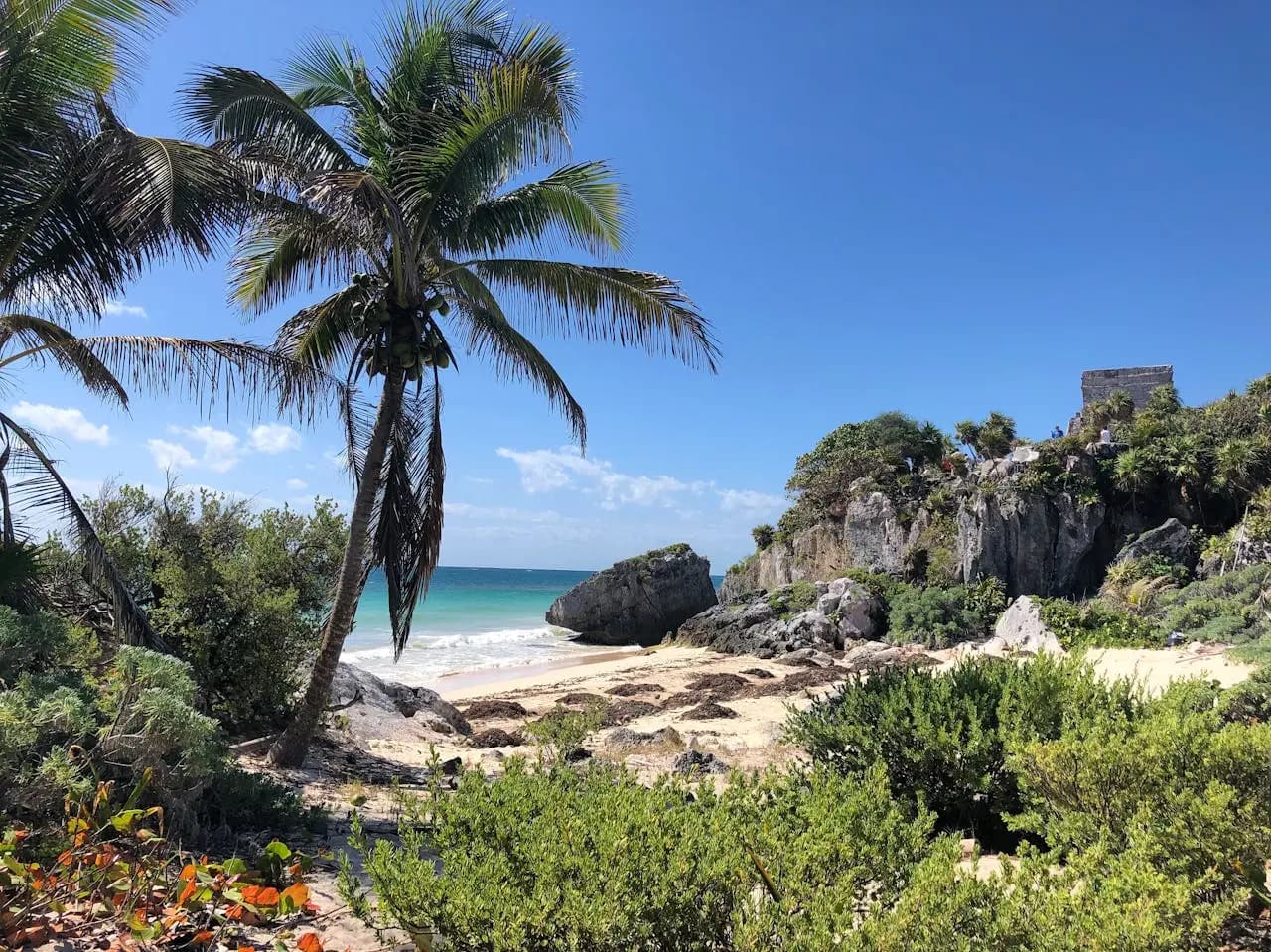
Tulum is the hardest-hit major destination on the Riviera Maya for sargassum, with an open coast that catches the full brunt of the Atlantic, mainly May to August. This guide covers when it is worst, the 2026 outlook, and the sargassum-free things to do on Tulum's doorstep: cenotes, the Sian Ka'an lagoon, and Laguna Kaan Luum.
What You Should Know
- Tulum gets the worst sargassum of any major Riviera Maya destination. Its open, south- and east-facing coastline has no island or offshore reef to break up the incoming rafts, so it catches the full brunt of the Atlantic currents. The peak is May to August, with June and July usually the heaviest.
- The clean season is November to April. Outside the peak, the beaches are often clear, but Tulum has no large central municipal cleanup like Playa del Carmen: the beach-zone hotels mostly rake their own stretches, so conditions vary hotel by hotel even on the same day.
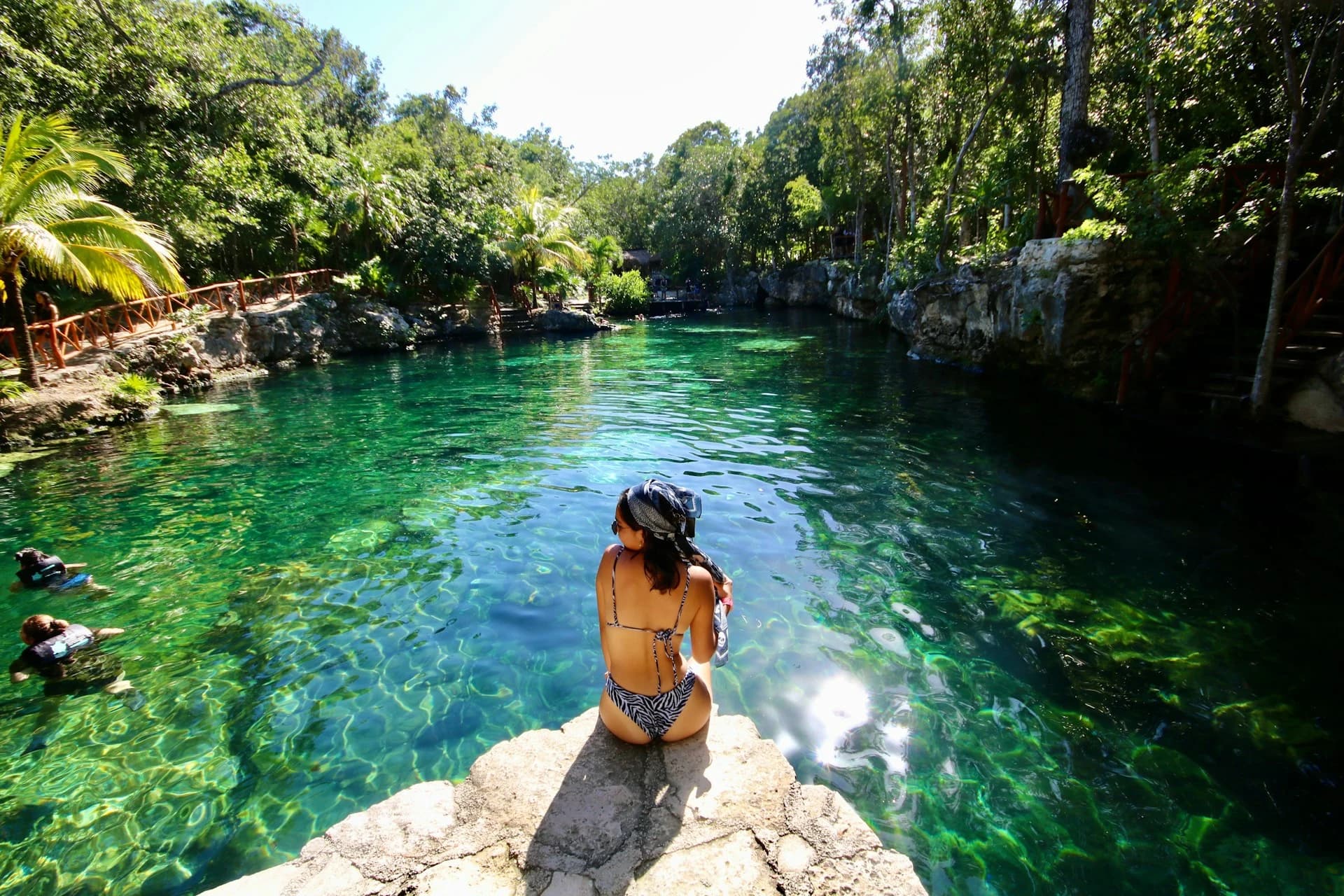
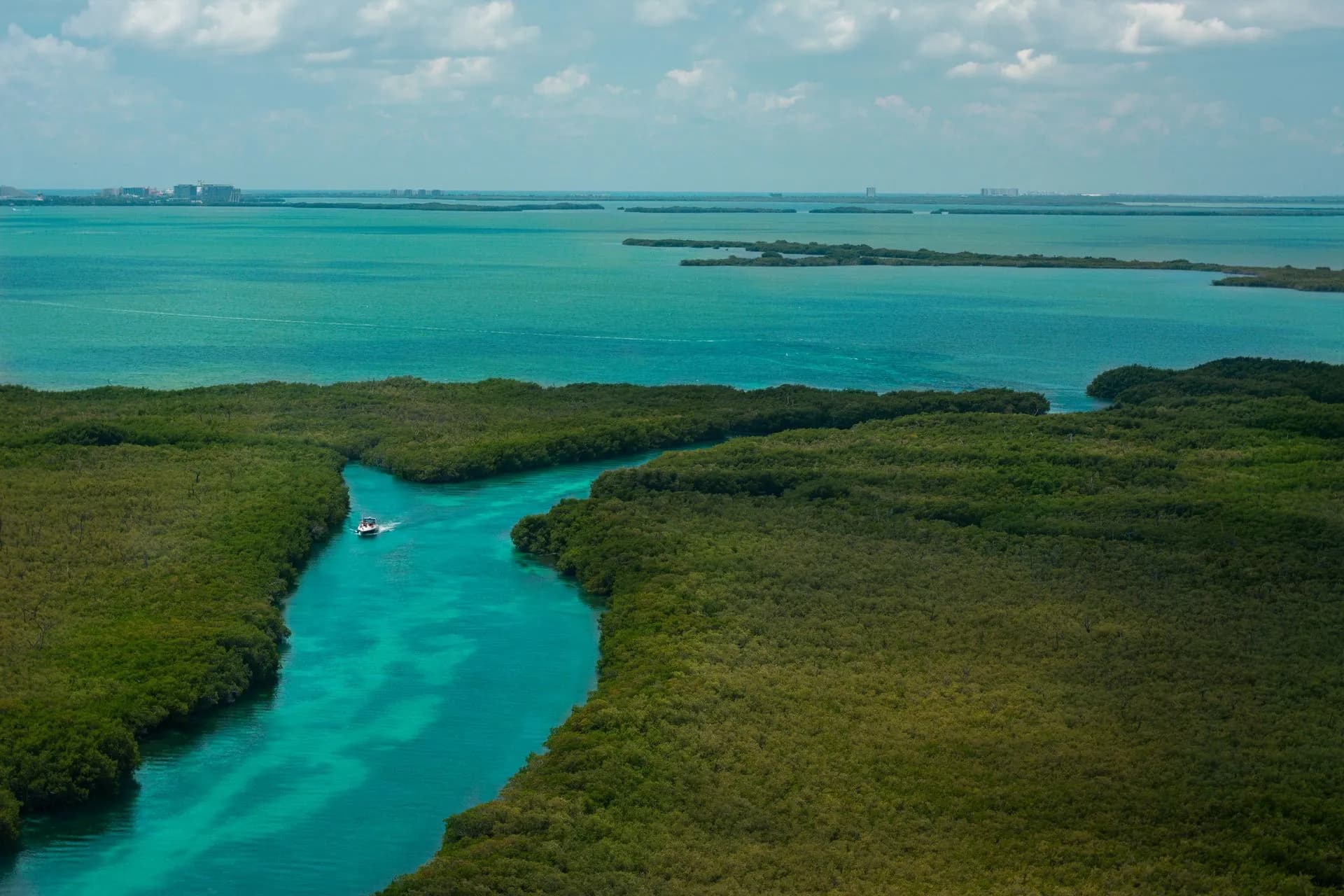
- The reliable escapes are right on the doorstep: the cenotes around Tulum have no sargassum at all, the Sian Ka'an biosphere lagoon and Laguna Kaan Luum stay clear, and the inland ruins are unaffected.
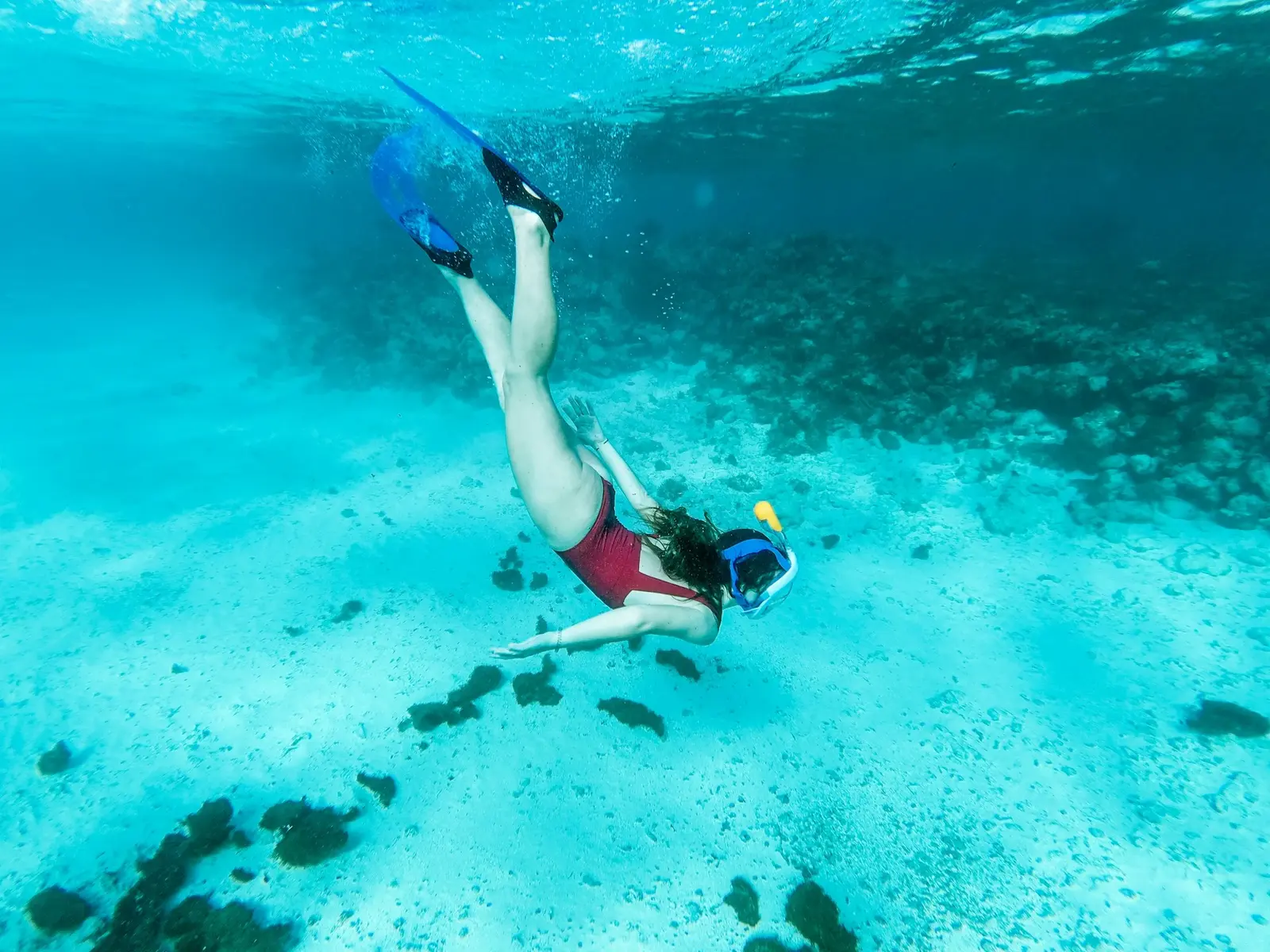
- Sargassum never affects offshore water, so reef snorkeling, cenote tours, Sian Ka'an trips, and summer whale shark tours run normally regardless of what is on the beach.
Does Tulum Get Sargassum?
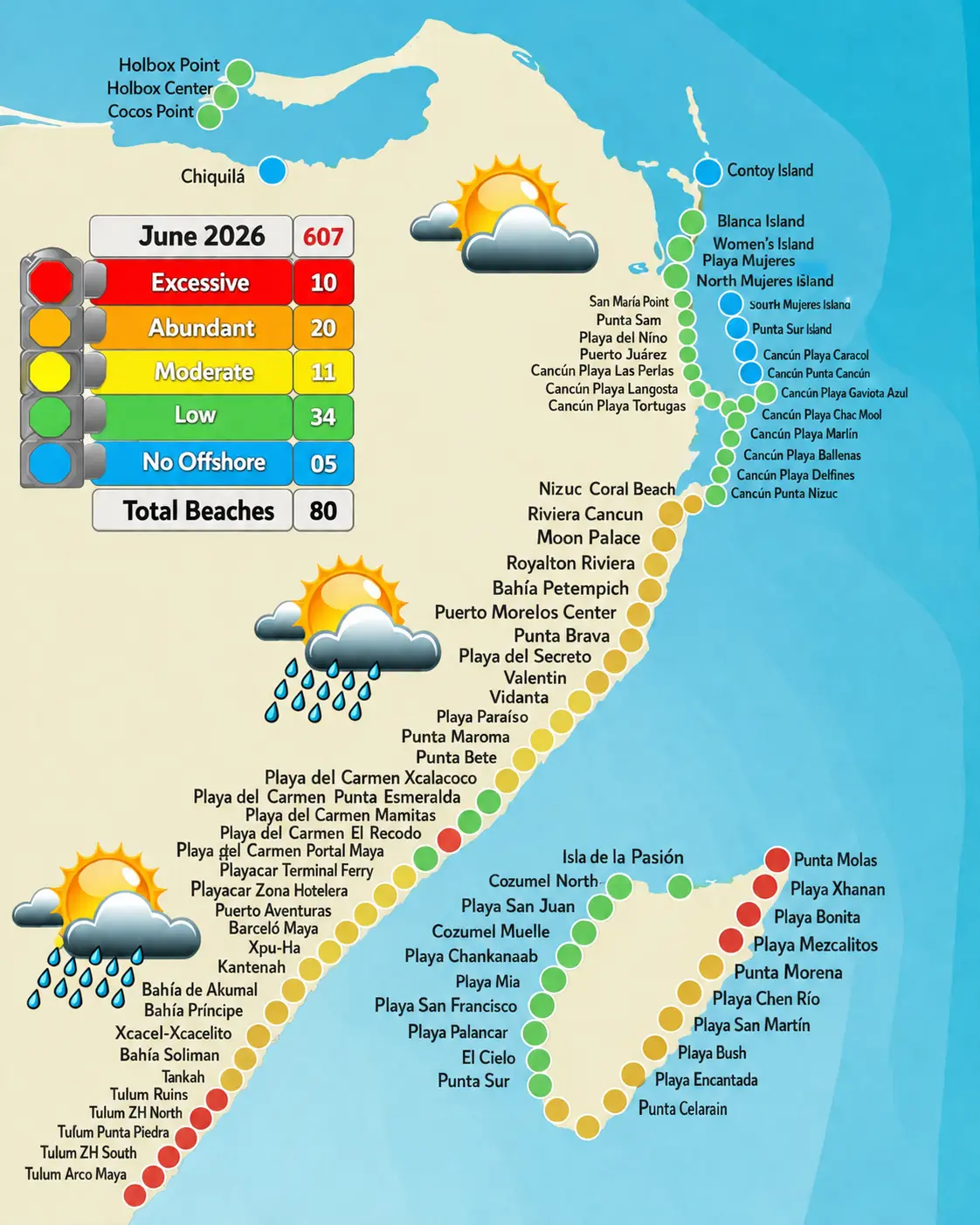
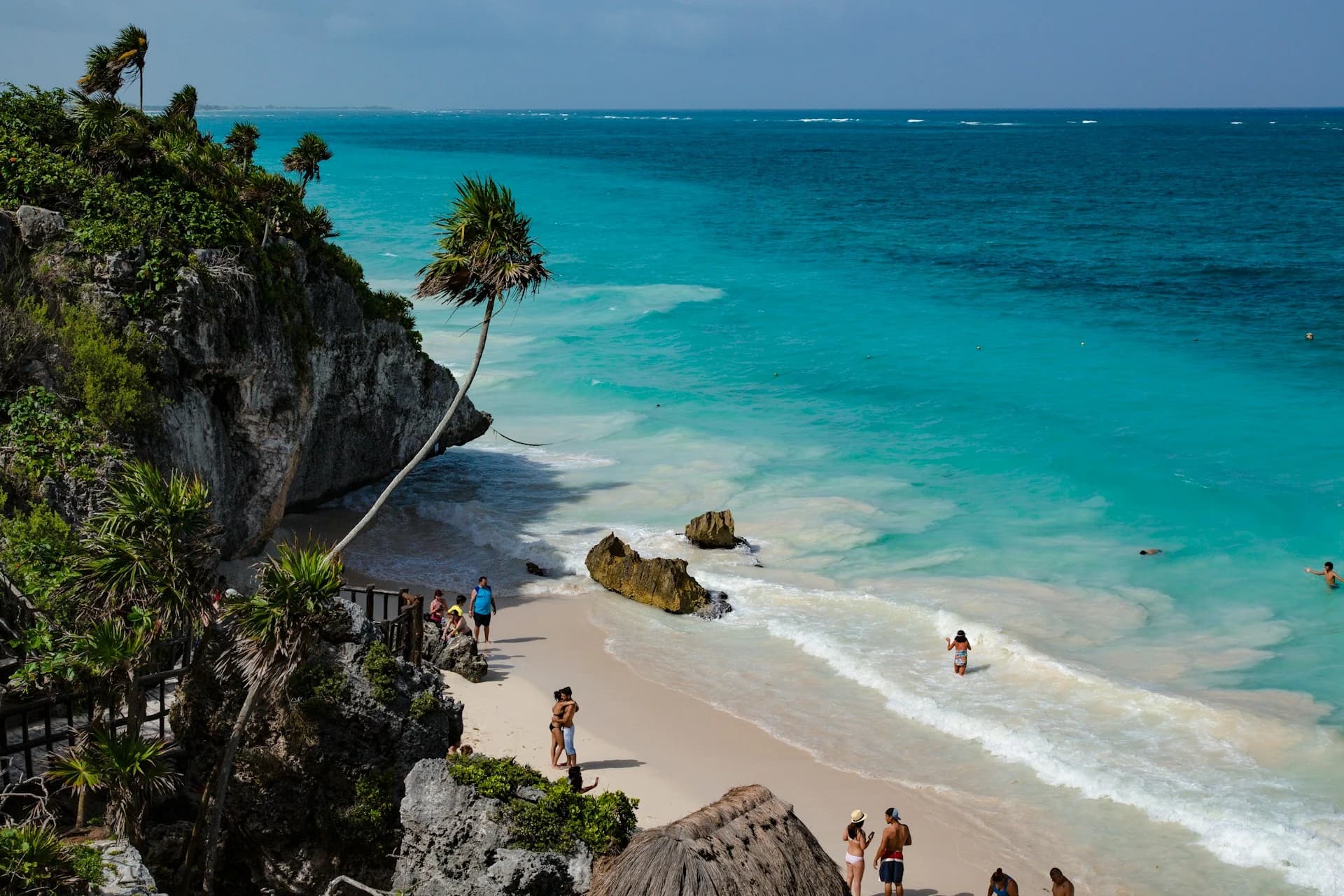
Does Tulum get sargassum? Yes, and more than anywhere else on the coast. Tulum's beach zone faces open water to the south and east, with no island offshore and no close barrier reef to intercept the incoming rafts, so it takes the full force of the Atlantic sargassum currents. That makes it the hardest-hit major destination on the Riviera Maya: consistently heavier than Playa del Carmen, and far worse than Cancún's protected north Hotel Zone or the sheltered beaches of Isla Mujeres and Cozumel's west coast. During the summer peak, the famous white sand can disappear under a thick band of brown weed within a day when a large raft lands. For a direct comparison, see our Tulum vs Playa del Carmen sargassum guide.
The honest framing is that Tulum is a heavily affected sargassum destination, and unlike Playa del Carmen it does not have a single large municipal cleanup keeping one central stretch clear. Instead, the beach-zone boutique hotels each rake their own frontage, so on a given summer day one hotel's sand can be clean while its neighbor's is buried. The season follows the regional pattern, minimal from November to April and peaking May to August. The saving grace is that Tulum's best-known attractions, the cenotes, the Sian Ka'an biosphere, and the ruins, are completely unaffected by seaweed, so a Tulum trip works well even in a heavy year if you do not build it around beach lounging alone. For the wider regional picture, our Cancún sargassum season guide sets out how the whole coast compares.
Here is how Tulum compares to the rest of the coast for sargassum risk and summer beach quality:
| Destination | Risk | Beach Quality | Cleanup | Better in Summer? |
|---|---|---|---|---|
| Tulum | Very High | Poor | Hotel only | ❌ |
| Playa del Carmen | High | Variable | Municipal | ✓ |
| Cancún | Moderate | Good | Excellent | ✓✓ |
| Cozumel (west coast) | Very Low | Excellent | Excellent | ✓✓✓ |
| Isla Mujeres (Playa Norte) | Very Low | Excellent | Excellent | ✓✓✓ |
More checks mean the better clean-beach bet during the June-to-August peak. Tulum has the highest risk and the least centralized cleanup, so it is the least reliable for summer beach days.
Cenote Triple Adventure Tour in Tulum
When the beach is buried, this is the day we'd book first: three contrasting cenotes minutes inland from Tulum, cool, glass-clear freshwater with zero sargassum, rated a perfect 5.0. Cenotes are the area's signature swim and completely unaffected by what is on the coast, which makes them the most reliable clear-water escape in the summer peak. Add the Sian Ka'an lagoon or a reef trip and you never need the beach at all.
Book NowWhat to Do in Tulum When the Beach Has Sargassum
This is what makes Tulum workable even as the hardest-hit destination on the coast: its signature attractions have no sargassum at all, and several sit minutes from the beach zone. When the beach is covered, these are the reliable, bookable escapes, each a bucket-list day in its own right.
| Thing to Do | Why It Beats the Beach | Price | Rating | Full Guide & Book |
|---|---|---|---|---|
| Cenote triple tour | Three clear-water cenotes, zero sargassum | From $129 | 5.0 (463) | Guide · Book |
| Sian Ka'an lagoon | Natural canal float, unaffected by seaweed | From $219 | 4.9 (844) | Guide · Book |
| Cenote & lagoon snorkel | Freshwater snorkeling, no beach needed | From $79 | 4.9 (860) | Guide · Book |
| Ruins, turtles & cenote | Clifftop ruins and a cenote, sargassum-proof | From $129 | 4.9 (2,085) | Guide · Book |
| Whale shark swim (seasonal) | Offshore water is always clear | From $199 | 4.8 (979) | Guide · Book |
⭐ Our take: in the summer peak, build the trip around cenotes and Sian Ka'an rather than the beach. Sargassum is a shoreline problem, so every one of these runs normally no matter what has landed on the sand.
Laguna Kaan Luum
Beyond the tours above, a short drive south of town brings you to this turquoise lagoon with a deep central cenote, a clear-water swim with none of the seaweed and a quieter alternative to the busiest cenotes on a heavy beach day. For the sargassum calendar next to weather, crowds, and prices, see our best time to visit Tulum guide.
Tulum Sargassum Today
🌊 Current assessment (mid-July 2026): Peak season is underway and 2026 is tracking as a record year, with authorities estimating up to roughly 130,000 tons of sargassum could reach Quintana Roo's shores over the year. Tulum is seeing heavy summer landings, the worst on the coast, with the Mexican Navy running offshore barriers and beach-zone hotels raking their own frontage. Cleaned hotel stretches hold up best; unstaffed public ends are heavier. Expect these conditions through August before easing in September.
Latest beach photos: for same-day, dated photos and live satellite tracking of Tulum right now, use the live sources listed in the tracking section below. Same-week photos from your specific hotel or beach club are the most reliable read.
Last reviewed: July 2026. We update this assessment periodically; conditions can change within a few days, so always confirm close to your travel dates. If you are checking Tulum sargassum today for a specific date, the live trackers are more accurate than any seasonal average.
🔎 How we assess sargassum: We monitor official satellite reports (the University of South Florida Optical Oceanography Lab), local government and Mexican Navy updates, hotel and beach-club reports, and on-the-ground observations across the Riviera Maya. We review conditions regularly because they can change within days, so we always recommend confirming live reports close to your travel dates.
Tulum Seaweed vs Sargassum: Same Thing
If you are searching for Tulum seaweed, or Tulum algae, that is the same thing as sargassum: the terms are used interchangeably for the brown algae that drifts in from the Atlantic and washes up on Caribbean beaches. Whether you call it the Tulum seaweed season or the sargassum season, the timing, the beaches, and the advice in this guide are identical. The Tulum seaweed forecast follows the same regional satellite data covered below, and the seaweed on Tulum's beaches is heaviest in the May-to-August peak. In short, if you have read about a seaweed problem in Tulum, it is sargassum, and the key to a good trip is knowing when it peaks and what to do instead.
Tulum Sargassum Month by Month
Here is the typical pattern for Tulum's beaches. Treat it as the baseline: a heavy-bloom year like 2026 shifts the whole curve up, and individual weeks swing with the wind and currents. The clean window is November through April; the worst is June and July.
| Jan | Feb | Mar | Apr | May | Jun | Jul | Aug | Sep | Oct | Nov | Dec |
|---|---|---|---|---|---|---|---|---|---|---|---|
| 🟢 | 🟢 | 🟢 | 🟡 | 🟠 | 🔴 | 🔴 | 🔴 | 🟠 | 🟡 | 🟢 | 🟢 |
🟢 Minimal · 🟡 Low to moderate · 🟠 Moderate to high · 🔴 Peak (heaviest)
| Month | Typical Level | What to Expect |
|---|---|---|
| January | Minimal | Clean dry-season beaches; the best window for sand quality |
| February | Minimal | Among the cleanest months of the year |
| March | Low | Usually clean, with the first rafts possible late in the month |
| April | Low to moderate | Season begins; often still good early, building later |
| May | Moderate to high | Ramps up fast and can land in volume, especially late May |
| June | Very high (peak) | One of the two worst months; heavy landings are common |
| July | Very high (peak) | Typically the worst month for Tulum |
| August | High, easing late | Peak continues; sometimes improves in the final week or two |
| September | Moderate to high | Easing through the month, but still present and variable |
| October | Low to moderate | Clearing as the dry season approaches |
| November | Minimal | Beaches clean again; one of the best beach months |
| December | Minimal | Clean through the holidays |
ℹ️ Levels are seasonal averages for the beach zone. Conditions change week to week with wind and currents, and cleaned hotel stretches fare better than unstaffed public ends. Check live conditions close to your dates.
2026 Tulum Sargassum Forecast
2026 is a heavy, possibly record, sargassum year across the Mexican Caribbean. The University of South Florida's Optical Oceanography Lab, which tracks the bloom by satellite, recorded the Great Atlantic Sargassum Belt at a record 37.5 million tons in 2025 and reported it growing further into 2026, with record May levels across much of the Caribbean. For the Riviera Maya specifically, authorities have estimated that up to roughly 130,000 tons could reach Quintana Roo's beaches over the season, and Tulum, on the most exposed stretch of coast, takes the largest share of any major destination.
For travelers, a record year does not mean the beach is unusable every day, but it does mean larger and more frequent landings through the May-to-August peak, with the Navy barriers and hotel crews at times unable to keep pace. Our take: in 2026, plan Tulum around its cenotes, ruins, and the Sian Ka'an biosphere rather than as a pure beach-lounging destination during the summer peak, and choose a beach-zone hotel that actively cleans its frontage if beach time matters. Outside June through August, and especially November through April, the beaches are far more reliable. For the satellite data behind these forecasts, the University of South Florida Optical Oceanography Lab publishes regular outlook bulletins.
How Tulum Manages Sargassum
Tulum manages sargassum on the same three levels as the rest of Quintana Roo, but with a key difference: it lacks the large centralized municipal beach-cleaning operation that Playa del Carmen runs. Offshore, the Mexican Navy deploys sargasso-collecting vessels and floating barriers to intercept rafts before they land. On the beach, the response is mostly decentralized: the boutique hotels along the beach road each rake and haul their own frontage, and public stretches without a hotel crew can go uncleared for longer.
What matters more than any town average is the specific hotel you choose. Most people don't realize that in Tulum's beach zone, the difference between a clean sand day and a buried one in July often comes down to whether your hotel runs its own cleaning crew, because there is no single municipal operation covering the whole beach. In a record year the crews and barriers can be overwhelmed for stretches, which is exactly when the cenote, lagoon, and Sian Ka'an escapes earn their place in the plan.
What Sargassum Is Actually Like in Tulum
Freshly arrived and floating, sargassum is a harmless golden-brown weed, but once it lands and bakes in the sun it decomposes within a day or two and gives off the sulfur, rotten-egg smell that carries down the beach. Heavy accumulation also turns the shore-break water murky brown and makes wading in for a swim unappealing. On Tulum's beach in peak season, a bad day means a thick band of seaweed along the sand and the smell near the water, rather than anything dangerous.
None of this reaches deeper offshore water, which is why reef trips, boat tours, and the cenotes are unaffected, and the pools at most hotels are obviously fine. The seaweed is a natural part of the marine ecosystem, not pollution. On a heavy day the experience is aesthetic and olfactory: the beach looks and smells off, but the cenotes, the Sian Ka'an lagoon, the ruins, and the water tours are all still excellent.
From Our Experience
What we consistently see is that travelers who love Tulum in the summer peak are the ones who came for the cenotes, ruins, and Sian Ka'an rather than the beach: they booked a hotel that cleans its own frontage, kept a couple of cenote days and a lagoon day on the itinerary, and treated the beach as a bonus. The ones who expected pristine white sand every day in July are the ones who left disappointed, because Tulum is the most exposed beach on the coast.
How to Plan Your Tulum Trip Around Sargassum
- Travel in the clean season if the beach is the point: November through April is reliably clearest, with December through February the safest bet. The May-to-August peak is when Tulum's sargassum is heaviest, and heavier than anywhere else on the coast.
- Choose a beach-zone hotel that cleans its own frontage: Tulum has no big central cleanup, so the specific stretch in front of your hotel matters more than in Playa del Carmen. Confirm the beach-cleaning program before booking.
- Build the trip around cenotes and Sian Ka'an: the cenotes around Tulum and the Sian Ka'an lagoon have no sargassum and are the area's best experiences anyway.
- Keep Laguna Kaan Luum in mind: the turquoise lagoon south of town is a quick, clear-water swim when the beach is heavy.
- Do not cancel water tours over a beach report: reef snorkeling, boat, and summer whale shark trips depart into clear offshore water and run normally regardless of the shoreline.
- Check live conditions one to two weeks out: dated beach photos and satellite outlooks close to your trip are far more accurate than the seasonal average.
How to Track Tulum Sargassum Before You Go
Because conditions change week to week, check live, dated information close to your trip rather than relying on the seasonal average. A few sources work well together:
- Satellite outlooks: the University of South Florida Optical Oceanography Lab publishes regular sargassum outlook bulletins for the Atlantic and Caribbean, which show how much is offshore and where it is headed.
- Daily dated beach photos: regional sargassum-monitoring sites and Facebook groups post same-day photos from specific Tulum beaches, which is the closest thing to standing on the sand yourself.
- Hotel and beach-club social media: a property's recent posts and the latest guest reviews often show the actual beach in the past few days, which matters more in Tulum where cleaning is hotel by hotel.
Cross-checking a satellite outlook against same-week beach photos gives the most accurate read, and it also tells you whether to plan cenote or Sian Ka'an days in advance. For the regional context, our Cancún sargassum season guide covers the whole coast.
Frequently Asked Questions
Does Tulum get sargassum?+
Yes, more than anywhere else on the Riviera Maya. Tulum's beach zone faces open water with no island or close reef offshore, so it catches the full brunt of the Atlantic sargassum currents. The season peaks May to August, with June and July usually the worst, while November to April is reliably clean. Its cenotes, the Sian Ka'an lagoon, and the ruins are unaffected year-round.
What are the worst months for sargassum in Tulum?+
June and July are typically the worst, with heavy landings continuing through August before easing in September and October. May is the ramp-up and can already be significant. The cleanest months are November through April, with December, January, and February the safest bets for clear white sand.
What can you do in Tulum when the beach has sargassum?+
Plenty, because Tulum's best experiences are not on the beach. The cenotes minutes inland (like the top-rated cenote triple tour), the Sian Ka'an biosphere lagoon float, Laguna Kaan Luum, the clifftop ruins, reef snorkeling, and summer whale shark trips all stay clear regardless of the shoreline. Sargassum is a beach problem only, so building your days around cenotes and lagoons sidesteps it entirely.
How bad is sargassum in Tulum in 2026?+
2026 is a heavy, possibly record, year. The Great Atlantic Sargassum Belt hit a record in 2025 and grew further into 2026, and authorities have estimated up to roughly 130,000 tons could reach Quintana Roo's shores over the season. Tulum, on the most exposed stretch of coast, takes the largest share, so plan the summer peak around cenotes, Sian Ka'an, and the ruins rather than the beach.
Is Tulum or Playa del Carmen worse for sargassum?+
Tulum is worse. Its open, south- and east-facing coastline with no offshore reef catches the full brunt of the Atlantic currents, making it the hardest-hit major destination in the region. Playa del Carmen is heavily affected too, but it runs busier central cleanup operations and has easier clean-water escapes within a short trip, so its central beaches hold up better on average.
Can you still swim in Tulum during sargassum season?+
Sometimes on the beach, and always somewhere. On freshly cleaned hotel frontage a morning swim can be fine, but on heavy days a thick band of seaweed and the smell make shore swimming unappealing, and Tulum lacks the central cleanup that keeps one stretch reliably clear. The reliable swims in peak season are the cenotes, Laguna Kaan Luum, the Sian Ka'an lagoon, hotel pools, and reef tours, all of which stay clear.
Do the Tulum cenotes have sargassum?+
No. Cenotes are inland freshwater sinkholes with no connection to the ocean surface currents that carry sargassum, so they have zero seaweed year-round, even in the July peak. That is why the cenotes around Tulum, along with Laguna Kaan Luum and the Sian Ka'an lagoon, are the go-to clear-water swims when the beach is covered.
Affiliate note: Some links on this page are affiliate links. If you book through them, we may earn a small commission at no additional cost to you.