The best time to visit Tulum depends on the trade-off you want: the dry season (November to April) brings reliable sun, the clearest water, and the least seaweed, but the biggest crowds and prices, while the green season brings lower prices, whale sharks, and afternoon rain. Here is how to choose, month by month.
What You Should Know
- Tulum has two seasons. The dry season (November through April) brings the sunniest weather, the clearest cenote and reef water, and the least seaweed, but also the highest crowds and prices. The rainy or green season (May through October) brings afternoon showers, hurricane risk, and sargassum, but far better value.
- The single biggest variable in Tulum is not rain but sargassum, the seaweed that can pile up on the open Caribbean beaches, usually heaviest from May to August. It varies year to year and does not affect the cenotes, the Sian Ka'an lagoon, or the ruins, so plan around it rather than skipping the trip.
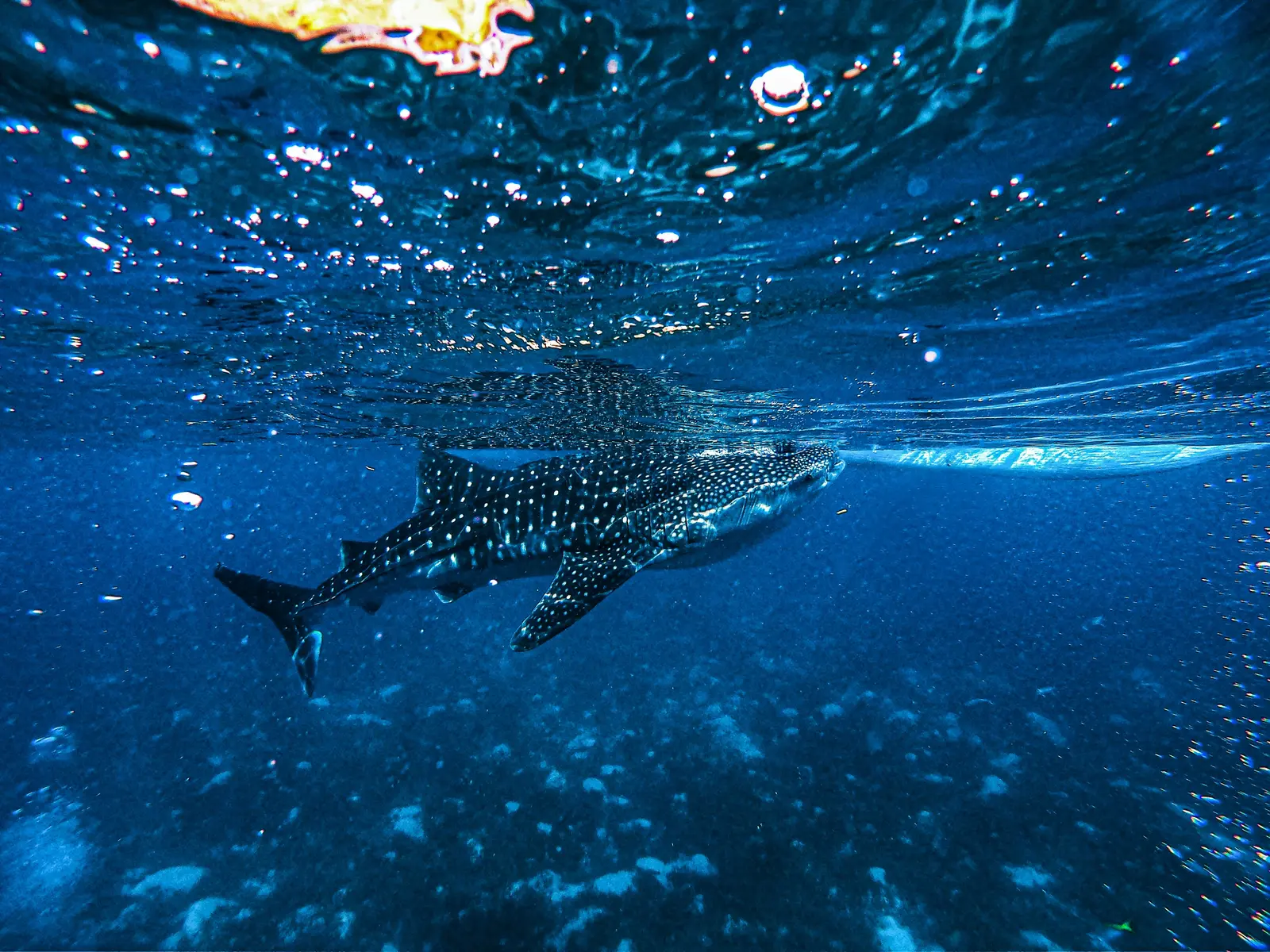
- Whale sharks are the one seasonal wildlife draw, offshore from roughly mid-May to mid-September and peaking in July and August. Every other headline activity, the ruins, cenotes, snorkeling, and Sian Ka'an, runs year-round.
- For the best balance of weather, low seaweed, and thinner crowds, November and early December are our pick, with February a close second. September and October are the cheapest and quietest but the wettest.
Best Time to Visit Tulum: The Short Answer
The best time to visit Tulum is the dry season from November through April, when you get reliable sun, the clearest water for cenotes and snorkeling, and the least sargassum on the beaches. The trade-off is that this is also the busiest and priciest window, especially over Christmas and New Year, spring break in March, and Easter. If you want the same great weather with fewer people, we'd aim for November, early December, or February.
The green season from May through October flips the equation: hotter, wetter afternoons, hurricane risk peaking in September, and sargassum on the open beaches, but noticeably lower prices, thinner crowds, and the only window for whale sharks. Because the ruins, cenotes, and the Sian Ka'an biosphere are unaffected by seaweed and mostly by rain, a green-season trip works well if you front-load mornings. This guide breaks down the weather, seaweed, wildlife, crowds, and prices month by month, then matches the best time to your priorities. Once you have your dates, our best things to do in Tulum guide covers what to book.
Which Month? A Quick Decision Guide
The fastest way to a date: pick the priority that matters most.
| Want… | Go… |
|---|---|
| Beaches and sun | November – April |
| Whale sharks | July – August |
| Low prices | September – October |
| Fewer crowds with good weather | November |
| The least seaweed | November – February |
Tulum Month-by-Month Rating
Our at-a-glance score for each month, weighing weather, sargassum, crowds, and value together.
| Month | Rating | Note |
|---|---|---|
| January | ⭐⭐⭐⭐⭐ | Dry, low seaweed |
| February | ⭐⭐⭐⭐⭐ | Driest month |
| March | ⭐⭐⭐⭐☆ | Great weather, spring-break crowds |
| April | ⭐⭐⭐⭐☆ | Hot; seaweed building |
| May | ⭐⭐⭐☆☆ | Hot, sargassum season starts |
| June | ⭐⭐⭐☆☆ | Green season, good value |
| July | ⭐⭐⭐⭐☆ | Whale shark peak |
| August | ⭐⭐⭐⭐☆ | Whale shark peak |
| September | ⭐⭐☆☆☆ | Wettest, hurricane peak |
| October | ⭐⭐⭐☆☆ | Cheap; rain easing |
| November | ⭐⭐⭐⭐⭐ | Best value, dry, low seaweed |
| December | ⭐⭐⭐⭐☆ | Great early Dec, then holiday peak |
ℹ️ Ratings are our editorial take on the overall balance of conditions, not a single metric. Sargassum in particular varies year to year.
Best Time to Visit Tulum by Traveler
| If you are… | Best time | Why |
|---|---|---|
| A beach and sun seeker | Feb – Apr, Nov | Dry, sunny, and the lowest seaweed of the year |
| On a budget | Sep – Oct | The cheapest rates and thinnest crowds |
| Here for whale sharks | Jul – Aug | Peak of the offshore whale shark season |
| Avoiding crowds | Nov, early Dec, Sep – Oct | Quiet stretches with either great weather or low prices |
| Traveling with family | Jul – Aug or late Dec | School holidays; book well ahead |
| Focused on ruins and cenotes | Nov – Mar | Cooler, drier days make sightseeing comfortable |
Tulum's Two Seasons: Dry vs Green
Tulum's year splits cleanly into a dry season and a green season, and, from what we've seen in our month-by-month tracking, choosing between them is really about which trade-off you prefer. The dry months deliver the postcard weather and the best beaches, while the green months deliver value, active nature, and whale sharks in exchange for afternoon rain and seaweed. The shoulder weeks at the edges of each season are the sweet spots, and those are the windows we'd shortlist first. What matters more than the month is the week: holiday and spring-break weeks can spike both crowds and prices inside an otherwise ideal season, so the exact dates move the needle more than the month name.
Sunny, warm days, the clearest cenote and reef water, and the least sargassum. This is the best weather, but the highest crowds and prices, peaking over the holidays, spring break, and Easter.
Hotter and more humid, with afternoon showers and hurricane risk peaking in September. Sargassum affects the open beaches, but prices drop, crowds thin, and whale sharks arrive offshore.
November is our favorite: dry weather returning, low seaweed, and fewer crowds before the holidays. May is hot with rising sargassum but marks the start of whale shark season.
Best Time to Visit Tulum by Priority
If one factor drives your trip, here is where we'd point you. Weather-first travelers should aim for the dry season; value-first travelers for the early autumn; wildlife-first travelers for mid-summer; and anyone whose trip lives or dies on a clean beach should target late autumn and winter, when sargassum is lowest.
Dry, sunny, and comfortable, with January and February the driest and most reliable.
The lowest hotel rates and fewest crowds of the year, in exchange for the most rain.
The peak of whale shark season offshore; sea turtles nest on area beaches in summer too.
Sargassum is typically at its minimum in late autumn and winter, best for open-beach days.
Tulum Weather Month by Month
Here is Tulum at a glance for every month: typical daytime high, rain pattern, sargassum level, whale shark status, crowds, and our one-line take. Tap any month for the full guide.
| Month | Avg High | Rain | Sargassum | Whale Sharks | Crowds | Our Take |
|---|---|---|---|---|---|---|
| January | 28°C | Dry, occasional cool front | Low | No | High early, then moderate | Prime dry weather |
| February | 28°C | Driest month | Low | No | Moderate to high | Excellent all-round |
| March | 29°C | Dry, warming | Rising late | No | High (spring break) | Great weather, busy |
| April | 31°C | Hot, dry | Increasing | No | High (Easter) | Hot; seaweed builds |
| May | 32°C | First showers late | High | Opens mid-May | Shoulder | Hot, sargassum season |
| June | 32°C | Daily afternoon showers | High | Building | Low to moderate | Green, good value |
| July | 33°C | Showers | High | Peak | High (families) | Whale shark peak |
| August | 33°C | Showers | Medium-high | Peak | High | Whale shark peak |
| September | 32°C | Wettest; hurricane peak | Declining | Ends mid-Sep | Very low | Cheapest, quietest |
| October | 31°C | Wet to dry transition | Low | No | Low | Cheap; rain easing |
| November | 29°C | Mostly dry; fronts start | Minimal | No | Low, rising | Best value, dry |
| December | 27°C | Dry; cool fronts early | None | No | Very high (holidays) | Great early Dec |
ℹ️ Temperatures and sargassum levels are typical patterns, not guarantees; seaweed in particular varies year to year. Check recent conditions close to your dates.
Tulum Climate by Month: Air, Sea, Rain & Humidity
Typical monthly climate for Tulum, including sea temperature, which stays swimmable all year and is warmest in late summer.
| Month | Air High | Air Low | Sea Temp | Rain Days | Humidity |
|---|---|---|---|---|---|
| January | 28°C | 20°C | 26°C | ~5 | Moderate |
| February | 28°C | 21°C | 26°C | ~4 | Moderate |
| March | 29°C | 22°C | 26°C | ~4 | Moderate |
| April | 31°C | 23°C | 27°C | ~5 | Moderate |
| May | 32°C | 24°C | 28°C | ~9 | High |
| June | 32°C | 25°C | 28°C | ~13 | High |
| July | 33°C | 25°C | 29°C | ~12 | High |
| August | 33°C | 25°C | 29°C | ~13 | High |
| September | 32°C | 24°C | 29°C | ~15 | High |
| October | 31°C | 23°C | 28°C | ~13 | High |
| November | 29°C | 22°C | 27°C | ~8 | Moderate |
| December | 27°C | 21°C | 26°C | ~6 | Moderate |
ℹ️ Figures are typical long-run averages, not forecasts. The sea never drops below the mid-20s Celsius, so swimming is comfortable in every month; the bigger seasonal variable is rainfall, which climbs from May and peaks in September.
Tulum Ruins, Turtles in Akumal, and Cenote Tour
The most iconic Tulum day works in any season: the clifftop ruins over the Caribbean, a sea turtle snorkel in Akumal, and a cenote swim, rated 4.9 from over 2,000 reviews. The ruins and cenote are unaffected by seaweed, so this is a reliable pick even in sargassum months, though the cooler, drier weather of November to April makes the archaeology most comfortable.
Book NowTop Tulum Experiences to Time Right
A few Tulum experiences are worth timing around the seasons. The ruins, cenotes, and Sian Ka'an run all year and are unaffected by beach seaweed, so they are the safest bets in the sargassum months. Whale sharks are strictly seasonal (summer), and open-beach and reef-snorkeling days are best in the clearer, calmer dry season. Our guides to the Tulum ruins, cenote tours, snorkeling, Sian Ka'an, and the whale shark tour compare every operator.
Best Time for Each Tulum Activity
Whale sharks: July to August
The offshore whale shark season runs from roughly mid-May to mid-September and peaks in July and August, when the largest aggregations gather. This is the only weather-locked activity, so if it is on your list, we'd build the whole trip around a summer date. See our Tulum whale shark tour guide.
Beach days and reef snorkeling: November to April
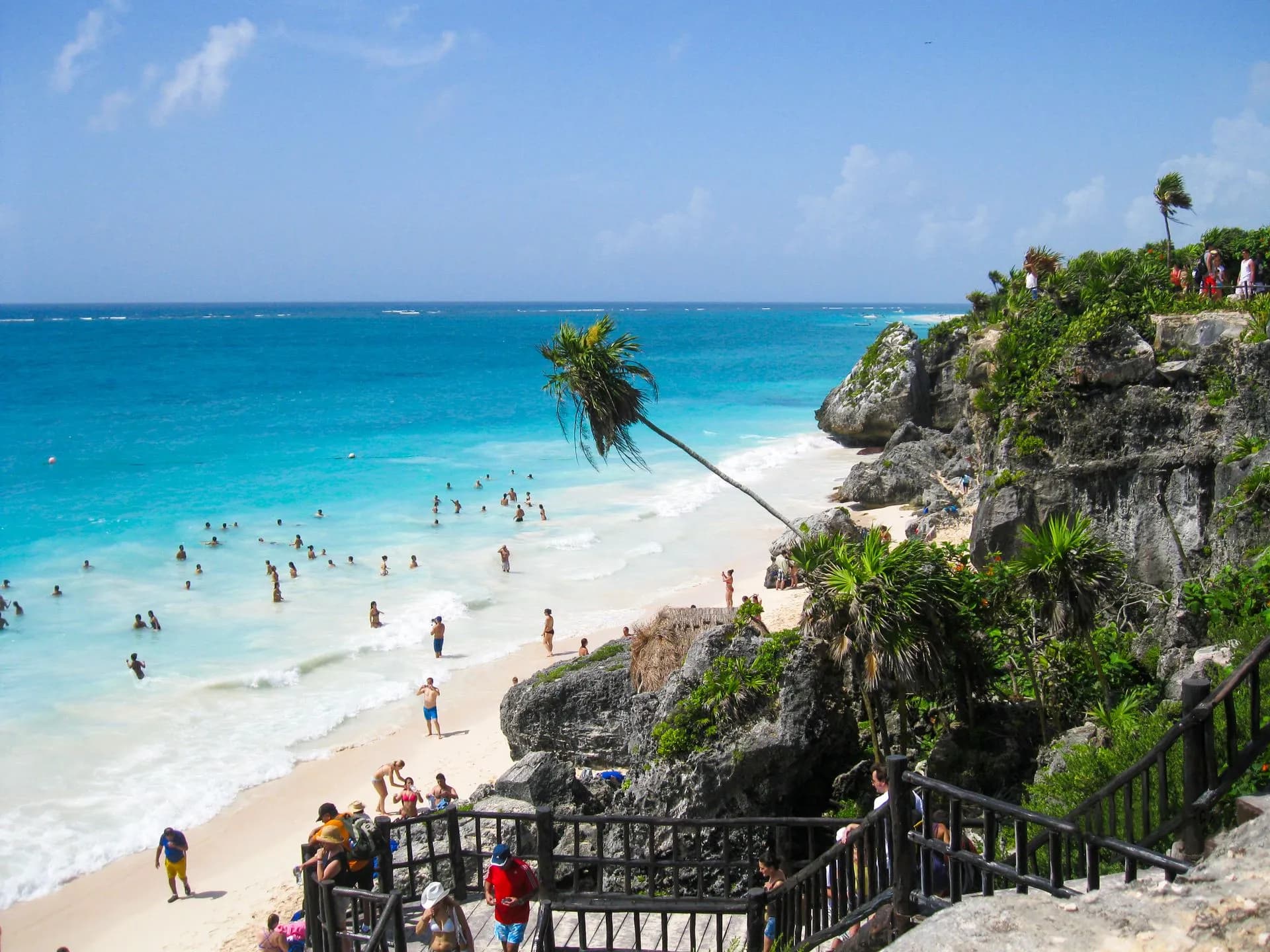
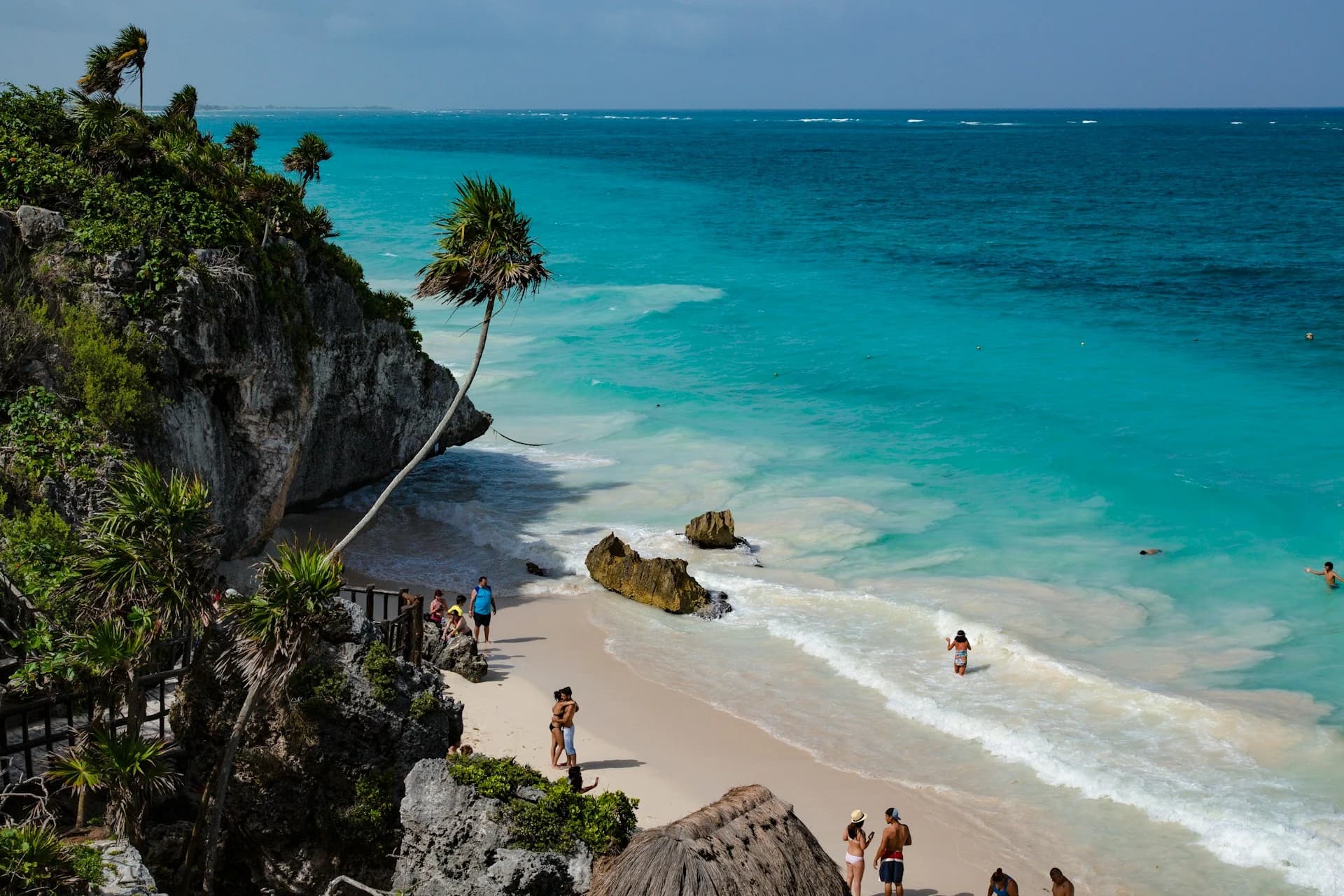
The dry season brings the calmest, clearest water and the least seaweed, which is best for open-beach lounging and reef snorkeling. Our Tulum snorkeling guide covers the reef and cenote options.
Ruins and cenotes: year-round, best November to March
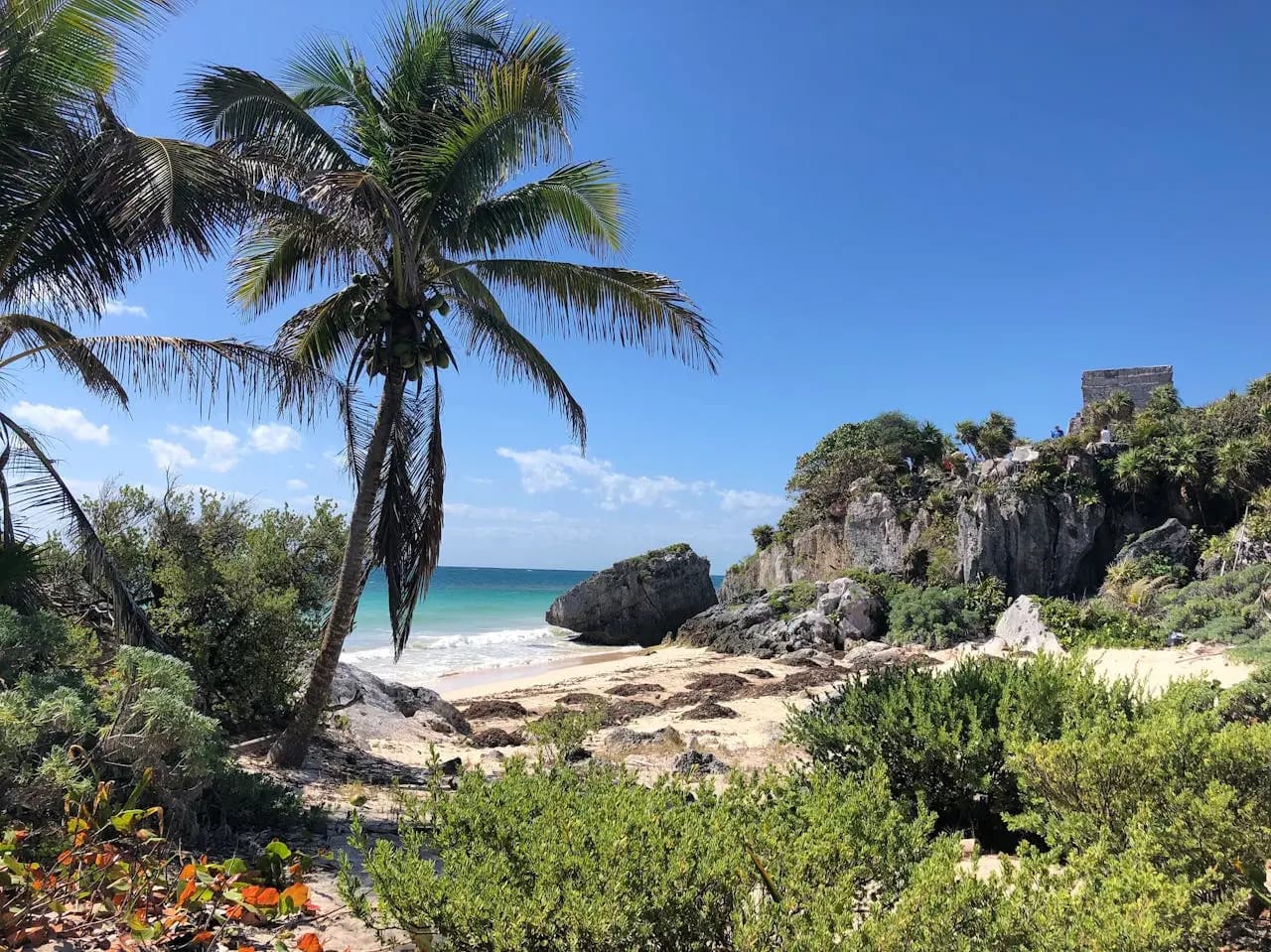
The Tulum and Cobá ruins and the cenotes are open all year and unaffected by seaweed, but the cooler, drier months from November to March make walking the sites far more comfortable. Most people don't realize the time of day beats the month for the ruins: arriving at opening dodges both the midday heat and the tour-bus crowds more than any calendar choice. See our Tulum ruins and cenote tour guides.
Sian Ka'an biosphere: December to April
The Sian Ka'an lagoon float and Muyil ruins are best in the dry season, when the water is clearest and the access roads are in the best shape. Our Sian Ka'an tour guide has the details.
When to Avoid Tulum (and When Not to Worry)
No month is a write-off, but a few come with caveats worth weighing. Heading to Tulum in the seaweed season? See our Tulum sargassum guide for month-by-month levels and the best sargassum-free things to do.
- September: the wettest month and the peak of hurricane season, with the highest chance of a washed-out day. It is also the cheapest and quietest, so it suits flexible, budget-focused travelers who front-load mornings.
- May to August for open beaches: sargassum is usually heaviest now, so if a pristine Caribbean beach is essential, this is the riskiest window. The cenotes, Sian Ka'an, and ruins are unaffected, and whale sharks are at their peak.
- Christmas, New Year, and spring break (March): not bad weather, but the most crowded and expensive stretches of the year. Book far ahead or shift a week or two to dodge the peak.
- Do not over-worry about winter cold fronts: nortes can bring a windy, cloudy day or two from December to February, but they pass quickly and rarely ruin a trip.
From Our Experience
After tracking seasonal conditions across the Riviera Maya for several years, we've consistently found that late November offers one of the best combinations of dry weather, minimal sargassum, and manageable crowds in Tulum, dry-season sun without the holiday prices. The one thing that shifts a trip most is not rain, it is sargassum, so check recent beach reports close to your dates.
Tips for Timing a Tulum Trip
- Target the shoulders: November, early December, and February give you dry weather and low seaweed without peak crowds or prices.
- Check recent sargassum reports: seaweed varies year to year, so look at current beach photos and reports close to your dates rather than assuming. Our Tulum vs Playa del Carmen sargassum guide compares the two.
- Front-load mornings in the green season: most rainy-season days start clear, with showers building in the afternoon, so do the ruins, cenotes, and tours early.
- Book holiday and spring-break trips early: late December and March sell out first and cost the most, so lock in dates and tours well ahead.
- Lean on cenotes and Sian Ka'an when the beach is seaweedy: they stay clear and beautiful year-round. Getting there? Our Tulum airport transfer guide, Cancún airport to Akumal transfer guide, and Tulum safety guide cover the basics.
- Booking a hotel around your dates? Our best Tulum hotels guide compares ten properties on the beach road and in town, with rates from $36 and the board type listed per hotel.
What We Would Choose
If we were booking a Tulum trip for the best all-round experience, we would go in late November or the first week of December: dry-season sun, the clearest cenote and reef water, sargassum at or near its yearly low, and crowds and prices still well below the holiday peak. February is our close second for the same reasons. If value is the priority and some rain is acceptable, we would book September or October for the lowest prices and emptiest sites, front-loading mornings and leaning on cenotes and Sian Ka'an. If whale sharks are the reason for the trip, we would come in July or August and accept the heat, humidity, and possible seaweed as the price of the peak season. Whatever the month, we would check recent sargassum reports before committing to a beach-heavy itinerary.
How We Built This Guide
The Cancun Trip Insider team built this timing guide from long-run weather norms for the Tulum area, seasonal sargassum patterns, the whale shark season window, and the crowd and price cycles we track across the Riviera Maya, cross-referenced with our month-by-month Tulum guides. We focus on the trade-offs that actually shape a Tulum trip: sun versus seaweed, crowds versus value, and which activities are locked to a season. Weather figures are typical patterns rather than guarantees, and sargassum in particular varies year to year and beach to beach, so we recommend checking recent conditions close to your travel dates. Activity ratings and prices reflect current listings and can change by date and season.
Frequently Asked Questions
When is the best time to visit Tulum?+
The best time to visit Tulum is the dry season from November through April, with reliable sun, the clearest cenote and reef water, and the least sargassum seaweed. For the same great weather with fewer crowds and lower prices, November, early December, and February are the sweet spots. The trade-off in the dry season is higher crowds and prices, peaking over the holidays and spring break.
What is the cheapest time to visit Tulum?+
September and October are the cheapest and quietest months in Tulum, with the lowest hotel rates and thinnest crowds. The trade-off is that they are the wettest months and fall in the peak of hurricane season, so expect afternoon rain and some risk of a washed-out day. Front-loading mornings and leaning on cenotes and Sian Ka'an makes a green-season trip work.
When is sargassum season in Tulum?+
Sargassum, the seaweed that washes onto Tulum's open Caribbean beaches, is usually heaviest from May through August, though it varies year to year. It is typically lowest from November to February. Sargassum does not affect the cenotes, the Sian Ka'an lagoon, or the ruins, so a seaweedy forecast is a reason to plan around it, not to skip the trip.
What is the best month to visit Tulum?+
November is our top pick: dry-season weather is returning, sargassum is near its yearly low, and crowds and prices are still below the holiday peak. February is a close second for the same reasons, plus it is the driest month. December through April all offer excellent weather, with the caveat that late December and March bring the biggest holiday and spring-break crowds.
When can you swim with whale sharks in Tulum?+
The whale shark season off the Tulum and Riviera Maya coast runs from roughly mid-May to mid-September, peaking in July and August when the largest aggregations gather offshore. Tours run out from the coast for a snorkel alongside the sharks. It is the only weather-locked activity in the area, so if it is a priority, plan a summer trip.
Does it rain a lot in Tulum?+
It depends on the season. From November to April, Tulum is mostly dry and sunny. From May to October, expect afternoon showers most days, with September the wettest month and the peak of hurricane season. Green-season rain usually follows a rhythm: bright mornings with showers building later, so doing tours and sightseeing early keeps a rainy-season trip on track.
When is the least crowded time to visit Tulum?+
September and October are the least crowded months, followed by November and early December before the holiday rush. The busiest and most expensive stretches are Christmas and New Year, spring break in March, and Easter, plus the July and August family-travel peak. For quiet with great weather, aim for November; for quiet with low prices, aim for early autumn.
Is Tulum worth visiting in the rainy season?+
Yes, if you plan around it. The rainy season (May to October) brings lower prices, thinner crowds, and whale sharks, and the ruins, cenotes, and Sian Ka'an biosphere are unaffected by seaweed and largely by rain. Mornings are usually clear, so front-load tours and sightseeing. The main trade-offs are afternoon showers, summer sargassum on the open beaches, and hurricane risk peaking in September.
Affiliate note: Some links on this page are affiliate links. If you book through them, we may earn a small commission at no additional cost to you.