Cancun Trip Insider.
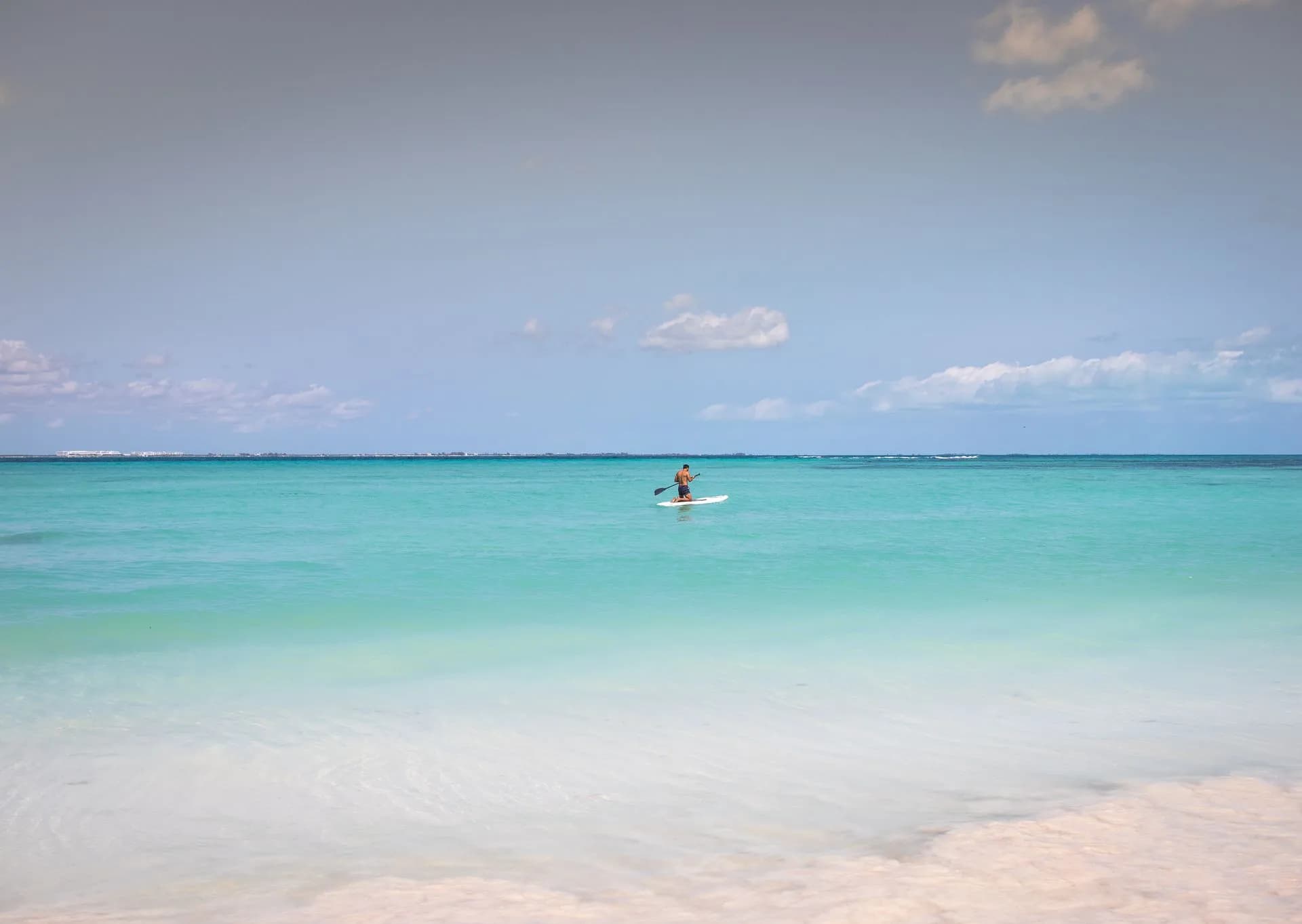
Turquoise Caribbean water meeting white sand at a quiet Cancún Hotel Zone beach under clear skies
Travel Guide

Best Time to Visit Cancún: Month-by-Month Weather, Crowds & Prices 2026

Written by: Cancun Trip Insider Team Content Last Updated June 2026 12 min read

The best time to visit Cancún comes down to one trade-off: the months with the most reliable weather are the busiest and priciest, while the cheapest, quietest months bring heat, sargassum, or storm risk. Here is how to pick the right month for your trip.

What You Should Know

  • For most travelers, the best all-around windows are late November through early December and the second half of April into May. You get dry-season or near-dry-season weather, noticeably thinner crowds, and lower prices than the December-to-March peak.
  • Cancún has two distinct seasons. The dry season (roughly November through April) brings the best weather, clearest water, and little to no sargassum, but also peak crowds and prices. The green season (May through October) is hotter and wetter, with sargassum and storm risk, but cheaper and far quieter.
  • Whale shark season is the one date that can override everything else. Tours only run from roughly mid-May through mid-September, peaking in July and August. If swimming with whale sharks is a priority, your trip is locked to summer regardless of weather.
  • The price extremes are predictable: Christmas/New Year and March spring break are the most expensive and crowded; September is the cheapest month of the year but sits at the statistical peak of hurricane season. Sargassum seaweed is heaviest from June through July.

Best Time to Visit Cancún: The Short Answer

The short answer: Late November through early December and the second half of April through May are the best all-around times to visit Cancún. You get dry-season or near-dry-season weather, lighter crowds, and lower prices than the December-to-March peak. For whale sharks, July is unbeatable; for the cheapest trip, September.

The best time to visit Cancún depends on a single trade-off: the months with the most reliable weather (late November through April) are also the busiest and most expensive, while the cheapest and quietest months (May, June, September) bring heat, sargassum, or hurricane-season risk. There is no month that is best at everything, so the right answer comes down to which factor matters most for your trip. This guide breaks down the weather, crowds, prices, sargassum, and whale shark season month by month, then points you to a full guide for whichever month you land on.

If you want the simplest possible recommendation: we'd lean toward the shoulder weeks on either side of peak season. Late April (after the Semana Santa holiday) and the second half of October into November deliver dry, clear conditions at well below peak prices, with crowds a fraction of spring break. If your dates are fixed by school holidays or the whale shark window, the month-by-month table below tells you exactly what to expect and how to plan around it.

One thing to settle up front: every month is genuinely visitable. Cancún does not have a season that "shuts down." Even September, the riskiest month on paper, sees most travelers enjoy warm water, open tours, and the year's lowest prices. The job of this guide is to help you match the month to your priorities, not to talk you out of any of them. For a deep dive on the summer months specifically, our Cancún in summer guide covers whale sharks, sargassum, and heat in detail.

Most Popular Tours

Loading tours…

What Is the Best Month to Visit Cancún?

If we had to pick one month, November is the best month to visit Cancún. It combines dry-season weather, minimal sargassum, lower prices than the December-to-March winter peak, and only moderate crowds. No other month lands all four at once. February is the close runner-up: the weather is marginally more reliable, but prices are higher and the Valentine's stretch is busier.

Scoring every month on weather, crowds, price, and sargassum together, the clear top tier is February and November (9.5/10), followed by April (9/10) and May (8.5/10). The weakest month is September (6/10), dragged down by storm risk despite being the cheapest. The takeaway behind every "best month in Cancún" question is the same: November and the back half of April give you peak-season conditions without peak-season cost or crowds.

That said, the best month for you can differ from the best month overall. If your trip is built around whale sharks, July outranks everything else regardless of its 8/10 all-round score. If price is the only thing that matters, September wins despite sitting last. The ratings below assume an average traveler weighting all four factors evenly.

Cancún's Two Seasons: Dry vs Green

Everything about timing a Cancún trip flows from one split: the dry season versus the green (wet) season. Understanding the difference is most of the decision.

The dry season runs roughly November through April. This is the postcard version of Cancún: daytime highs in the mid-20s to low-30s°C (high 70s to high 80s°F), low humidity, calm seas, the clearest underwater visibility of the year, and beaches that are largely free of sargassum. The cost is demand. December holidays and March spring break are the most crowded and expensive weeks of the entire year. The one weather quirk is the nortes: brief cold fronts that bring a day or two of wind and cooler temperatures, mostly from November through February.

The green season runs May through October. It is hotter (highs of 32 to 35°C / 90 to 95°F), humid, and prone to short afternoon thunderstorms. Sargassum seaweed affects some beaches from May through August, and the Atlantic hurricane season runs June 1 through November 30. In exchange, you get the lowest prices of the year, the thinnest crowds, the warmest water, and the only window for whale sharks. From what we've seen, the trade is worth it for many travelers; for those who want guaranteed beach weather, it is not.

SeasonMonthsWeatherSea & SargassumCrowds & PricesBest For
Dry seasonNov–AprWarm, dry, low humidity; brief nortes Nov–FebCalm; clearest visibility; little to no sargassumHighest (peak: Dec holidays, March spring break)Beach weather, diving, ruins, couples
Green seasonMay–OctHot, humid, short afternoon stormsWarm water; sargassum May–Aug; storm risk Jun–NovLowest; thinnest crowdsWhale sharks, budget trips, quiet beaches

The Best Time to Visit Cancún by What Matters Most

There is no single best month, only the best month for your priority. Find the row that matches what you care about most, then check that month's full guide for the detail.

If your priority is…Best windowWhy
The best weatherLate Nov – AprilDry, warm, low humidity, calm seas. February is the calmest dry-season month.
The lowest pricesSeptember, then May–JuneSeptember has the year's cheapest hotels; May and June are close behind at the start of green season.
Fewest crowdsMay, June, September, early DecSchool is in session and weather risk keeps numbers low. Early December is quiet before the holidays.
Swimming with whale sharksJuly – AugustPeak aggregations north of Isla Mujeres, with the most reliable sightings of the season.
Clearest water (diving/snorkeling)January – MarchDry-season calm delivers the year's best underwater visibility at the reef and MUSA.
The least sargassumNovember – AprilDry-season beaches are typically clear; seaweed builds from May and peaks Jun–Jul.
Best value (conditions vs cost)Late April & late Oct – NovNear-dry-season conditions at well below peak prices, with a fraction of spring-break crowds.
Lowest storm risk in summerJune – early JulyWhale sharks are running while hurricane activity is still low before the late-summer peak.

Our pick for most first-time visitors who are not chasing whale sharks is the late-April to mid-May window or the November stretch. Both sit just outside peak pricing, both deliver dry or near-dry weather, and both avoid the spring-break and holiday crush. What matters more than the exact month is dodging the two demand spikes: shift a trip a week off spring break or the Christmas holidays and you get nearly the same weather at a fraction of the cost. If you can only travel in summer, build the trip around July for whale sharks and accept the heat and sargassum as the price of admission.

Cancún Month by Month: At a Glance

Here is the whole year in one view, with our overall score for each month. Each month links to a full guide with detailed weather, what to book, and what to expect.

MonthOverallWeatherCrowdsPricesSargassumHeadline
January8/10Dry, mild; occasional nortesHighHighMinimalPeak visibility; cool evenings
February9.5/10Calmest dry monthHighHighMinimalBest all-round weather; Valentine's spike
March7/10Warm, dryVery highHighestLow, building lateSpring break peak; book early
April9/10Warm, dryHigh early, drops lateHigh early, drops lateBuilding mid-monthLate April is top-tier value
May8.5/10Warming, humidLowLowBuildingWhale shark season opens ~May 15
June7.5/10Hot, humid, short stormsLowLowOften at its worstWhale sharks building; great value
July8/10Hot, humidModerateSummer lowHighPeak whale sharks; warmest water
August7.5/10Very hot, humidHigh early, drops lateSummer lowImproving from mid-monthWhale sharks at peak; late-Aug value
September6/10Wettest; storm riskLowestLowest of the yearDecliningCheapest month; hurricane peak
October8/10Wet-to-dry transitionLow–moderateShoulderMinimal lateLate October swings to dry conditions
November9.5/10Dry season establishedModerateBelow Dec peakMinimalExcellent weather; great value
December8.5/10Dry, mild; nortesLow early, peak lateLow early, highest lateMinimalQuiet early; Christmas/NYE peak

ℹ️ Overall scores are our editorial summary, weighing weather, crowds, prices, and sargassum together. They reflect the average traveler's priorities; if one factor matters most to you (whale sharks, lowest price, fewest crowds), use the priority table above instead.

Visiting in the warmer half of the year? Our Cancún in summer guide goes deeper on the June-through-September window: how to plan around whale sharks, which beaches handle sargassum best, and how to structure a hot-weather itinerary around early-morning starts.


Most Popular Tours

Loading tours…

Best Time to Visit Cancún for Your Trip Type

The right month also depends on who is travelling and what they want out of the trip.

Couples and honeymooners

We'd give November, early December, or February the edge for a couples trip. You get calm, dry weather, clear water for sunset sailing, and clean beaches, while sidestepping the spring-break party energy that dominates March. February carries a short Valentine's demand spike mid-month, so book a couple of weeks ahead if those dates matter. A sunset catamaran cruise to Isla Mujeres is at its best in these calm, clear-sky months.

Families

School calendars usually decide this for you. If you have flexibility, we'd shortlist late April and late August: April after the Easter rush gives dry weather at lower prices, and late August combines peak whale shark season with a sharp drop in crowds once US schools resume. Summer families get the most from the heat by leaning on water-based and shaded activities; our family activities guide covers the age-by-age options.

Budget travelers

September is the cheapest month outright, with May and June close behind. Hotel rates in these months run 20 to 40% below the December-to-March peak. The trade is weather risk and sargassum, so a flexible booking and travel insurance are worth having. Pairing low-season rates with an all-inclusive resort stretches the value further, since on-property pools and dining matter most when midday heat or a passing storm keeps you close to base. For the lowest rates of all, our guide to the best budget all-inclusive resorts in Cancun ranks 9 value picks from $127 per night.

Divers and snorkelers

January through March is what we'd choose for the clearest underwater visibility of the year, when calm dry-season seas make the reef at Puerto Morelos and the MUSA underwater sculpture park their sharpest. Warm summer water is comfortable for longer sessions, but visibility is more variable. See our Cancún snorkeling guide and beginner scuba guide for the best sites by season.

Best Time to Visit Cancún by Activity

If your trip is built around one thing in particular, the calendar shifts. Here is the best window for the activities people most often plan a Cancún trip around.

ActivityBest MonthsWhy
Beaches & swimmingDec–AprilDriest weather, calmest sea, and the least sargassum of the year.
SnorkelingJan–MarchCalm dry-season seas deliver the clearest reef and MUSA visibility.
Scuba divingNov–AprilFlat seas and strong visibility; bull-shark dives off the coast run in winter.
Whale sharksJuly–AugPeak aggregations north of Isla Mujeres; not available outside mid-May to mid-Sep.
Deep-sea fishingMarch–JulySailfish, marlin, and mahi-mahi runs are strongest through late spring and summer.
GolfNov–AprilDry-season mornings are the coolest and least humid window for a full round.
Nightlife & partiesMarch; June–AugSpring break is the high-energy peak; summer keeps clubs and boat parties full.
FamiliesLate April; late AugDry weather or peak whale sharks paired with thinner crowds and lower prices.

One geographic note for beach planning: travelers weighing Cancún against neighbouring Costa Mujeres, just north of the Hotel Zone, benefit from the same seasonal calendar, though Costa Mujeres often sees less noticeable sargassum through the summer months thanks to its more sheltered, north-facing shoreline. If a clean summer beach is the priority, it is worth shortlisting alongside the northern Hotel Zone.

When to Avoid Cancún (and How to Work Around It)

No month is off-limits, but a few periods carry real downsides worth planning around.

  • March spring break: the busiest and priciest stretch of the year, with a younger party crowd concentrated in the Hotel Zone. If you want quiet, avoid mid-March entirely. If your dates are fixed, base yourself in the calmer northern Hotel Zone or on Isla Mujeres, and book tours weeks ahead.
  • Christmas and New Year: hotel rates hit their annual high and availability tightens. Early December, by contrast, is one of the best-value weeks of the dry season with nearly identical weather. Shifting a holiday trip a week or two earlier saves significantly.
  • Peak sargassum (June–July): seaweed is heaviest on south-facing Hotel Zone beaches in these months and varies year to year. Work around it by choosing the northern Hotel Zone (Punta Cancún), Costa Mujeres, or Playa Norte on Isla Mujeres, and by booking boat tours that depart into clean offshore water. Most people don't realize sargassum levels can differ sharply between two beaches a few kilometres apart on the same day, which is why your hotel-zone choice matters more here than your travel dates.
  • Hurricane peak (late August–September): direct hits are uncommon, but tropical storms can disrupt travel. June and early July are the lower-risk summer window. For September or October trips, travel insurance that covers named-storm cancellation is worth the cost.

The pattern is consistent: the downside months all have a workaround, whether it is a different neighbourhood, a one-week shift in dates, or a flexible booking. None of them are reasons to write off a trip, only factors to plan around.

From Our Experience

What we consistently see is that travelers who target the shoulder weeks just outside peak season, the back half of April and the November stretch, come away happiest. They get weather almost identical to peak season at a fraction of the price and crowds, which is the closest thing Cancún has to a free upgrade.

Tips for Timing Your Cancún Trip

  • Book peak dates early, low season late: December holidays, March spring break, and July/August whale shark tours sell out 3 to 4 weeks ahead. May, June, and September trips can be booked much closer to arrival with plenty of availability.
  • Anchor the trip to whale sharks if they matter: the season is fixed from roughly mid-May to mid-September. If swimming with them is on your list, choose July first, then build the rest of the trip around that date rather than the other way around. Late August is an underrated window: whale sharks are still at peak while crowds and prices drop sharply once US schools resume.
  • Use the shoulder weeks for value: the back half of April (after Semana Santa) and the second half of October deliver dry-season conditions at shoulder prices. These two windows are the best value-to-weather ratio in the calendar.
  • Check sargassum before summer dates: the University of South Florida publishes weekly satellite sargassum maps. Checking them in the week before a June-to-August trip gives a realistic picture for your specific beach.
  • Plan around the nortes in winter: November through February can bring a brief cold front with wind and cooler days. They pass in a day or two; just keep a flexible day in the itinerary for any boat-based activity.
  • Match your hotel zone to the season: in summer, the northern Hotel Zone and Costa Mujeres see less sargassum; in spring break, those same areas are calmer than the central party strip.
  • Sort your airport transfer regardless of month: taxi pricing at the terminal can be unclear after a long flight. Our Cancún airport transfer guide compares private vans and luxury SUVs with drive times to every resort zone, which matters more in summer when storms delay arrivals.
  • Still deciding on a month? Read the detail. Our month-by-month guides for January, April, September, and November cover the standout months for weather, value, and crowds in full.

How We Put This Guide Together

The Cancun Trip Insider team built this guide from historical weather records, sargassum monitoring data, hurricane-season climatology, and the seasonal pricing and availability patterns we track across the destination's activities and hotels. Timing is the most condition-dependent travel decision in Cancún, so we prioritized documented patterns over best-case framing. This guide was reviewed and updated in June 2026. Seasonal conditions vary year to year; we recommend cross-checking sargassum forecasts and storm outlooks in the weeks before your trip. Every month linked here has its own dedicated guide with detailed weather and booking advice.

Frequently Asked Questions

When is the best time of year to visit Cancún?+

For the best balance of weather, crowds, and price, visit late November through early December or the second half of April into May. These shoulder windows deliver dry or near-dry-season weather without the peak crowds and prices of the December holidays and March spring break. If your priority is whale sharks, July is the best month; if it is the lowest possible price, September.

What is the best month to visit Cancún?+

November is the best single month to visit Cancún. It combines dry-season weather, minimal sargassum, lower prices than the December-to-March winter peak, and only moderate crowds, which no other month manages all at once. February is the close runner-up with marginally more reliable weather but higher prices. The best month for you can differ: July is best for whale sharks, September for the lowest price.

What is the cheapest month to visit Cancún?+

September is the cheapest month, with hotel rates at their lowest of the year, followed closely by May and June. These green-season months run 20 to 40% below the December-to-March peak. The trade-off is hotter, more humid weather, sargassum risk, and, in September, the statistical peak of hurricane season, so a flexible booking and travel insurance are worth having.

What is the rainy season in Cancún?+

Cancún's rainy (green) season runs roughly May through October, with September the wettest month. Most rain comes as short afternoon thunderstorms of 30 to 60 minutes that pass quickly and rarely cancel daytime tours. The dry season, November through April, sees far less rain along with calmer seas and clearer water.

When is whale shark season in Cancún?+

Whale shark season in Cancún runs from roughly mid-May through mid-September, peaking in July and August when the largest aggregations gather to feed north of Isla Mujeres. Tours in July and August sell out three to four weeks ahead. Outside this window the tours do not operate, so if whale sharks are a priority, plan the trip around summer.

What months have the most sargassum in Cancún?+

Sargassum seaweed is typically heaviest from June through July, building from May and easing from mid-to-late August. Amounts vary significantly year to year. The northern Hotel Zone near Punta Cancún, Costa Mujeres, and Playa Norte on Isla Mujeres generally see less than the southern Hotel Zone. November through April beaches are usually clear.

Is it safe to visit Cancún during hurricane season?+

Yes, with planning. The Atlantic hurricane season runs June 1 through November 30, peaking from late August through October, but direct hits on Cancún are uncommon and most systems weaken or track away. June and early July are the lower-risk summer window. For trips in September or October, travel insurance that covers named-storm cancellation is worth the cost.

When is the least crowded time to visit Cancún?+

The quietest months are May, June, and September, when school is in session and weather risk keeps numbers low. Early December, before the holiday rush, is also notably calm with excellent dry-season weather. The busiest periods to avoid for crowds are March spring break and the Christmas-to-New-Year holidays.

What is the best month for good weather in Cancún?+

February offers the most reliable weather: it is the calmest dry-season month, with warm days, low humidity, calm seas, and the clearest underwater visibility, plus minimal sargassum. January, March, and November are close behind. These dry-season months trade peak weather for higher crowds and prices than the green season.

Affiliate note: Some links on this page are affiliate links. If you book through them, we may earn a small commission at no additional cost to you.

Other Popular Tours & Experiences You Might Like

Loading tours…