The best time to visit Isla Mujeres depends on what you came for: the dry winter brings the clearest snorkeling water, calm Playa Norte swimming, and the island's best weather, while summer adds whale sharks alongside heat, sargassum, and crowds. Here is how to choose.
What You Should Know
- The dry season (November through April) is the best all-around time: the year's clearest snorkeling visibility at Manchones Reef and MUSA, calm Playa Norte swimming, minimal sargassum, and the island's most comfortable weather around 28 to 31°C.
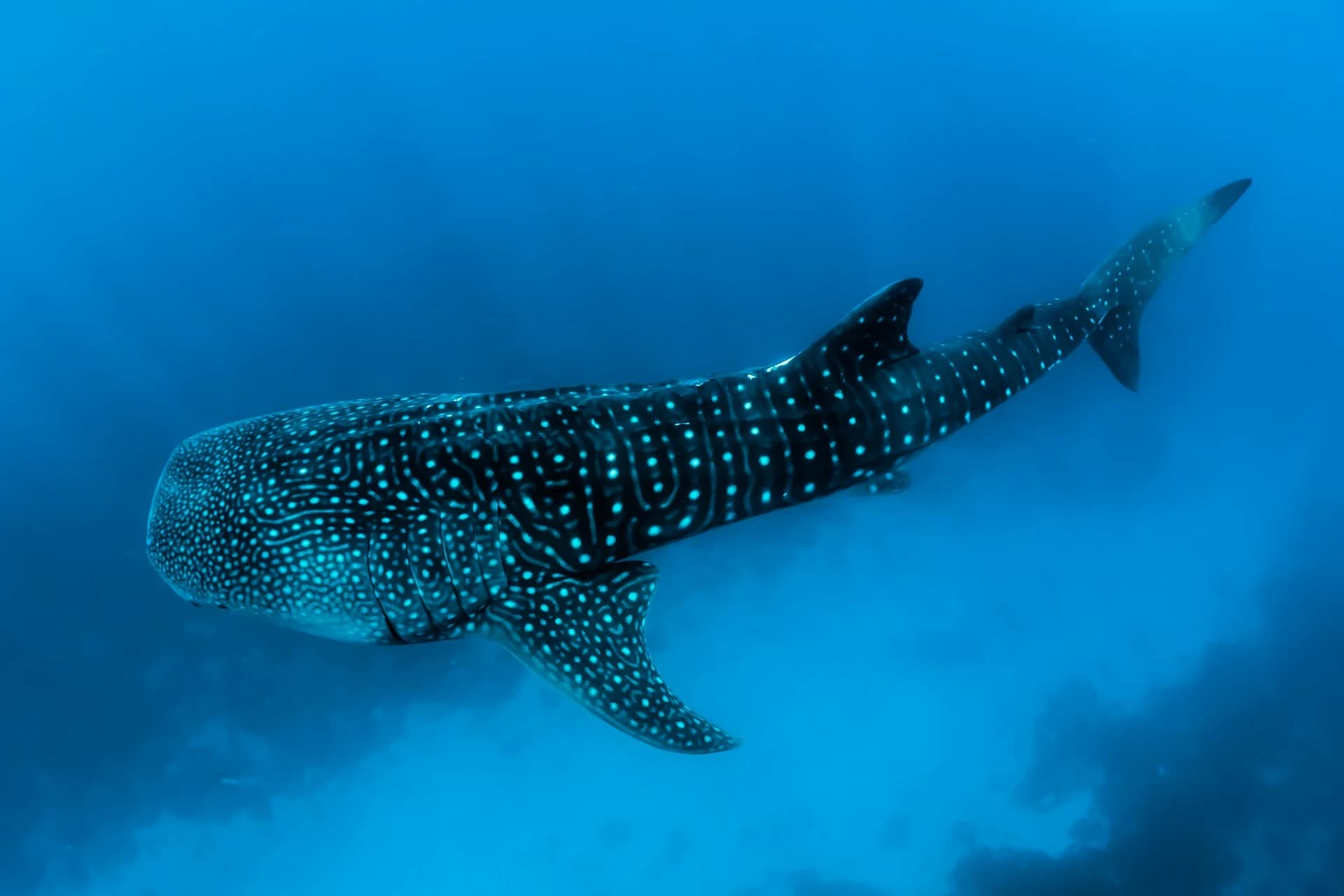
- Whale shark season runs roughly mid-May through mid-September, peaking in July and August. Isla Mujeres is one of the main departure points, and peak-month tours sell out two to three weeks ahead, so summer is the only window for the encounter.
- Sargassum builds on the island's east-facing shores from May through August, peaking around June, but Playa Norte on the north tip stays consistently cleaner because of its sheltered, north-facing orientation.
- Isla Mujeres is a calmer, smaller base than Cancún, reached by a 20-minute ferry. Winter cold fronts (nortes) can briefly disrupt the Cancún ferry crossing, and the island's limited room supply means peak dates and holidays sell out earlier than the mainland.
Best Time to Visit Isla Mujeres: The Short Answer
⭐ The short answer: November through April is the best all-around time to visit Isla Mujeres: clear water for snorkeling, calm Playa Norte swimming, minimal sargassum, and the best weather of the year. For whale sharks, you have to come in summer (July and August are peak). For the cheapest, quietest trip, September.
The best time to visit Isla Mujeres comes down to one trade-off: the dry season (November through April) delivers the clearest water, calmest beaches, and most comfortable weather, while the only window for whale sharks falls in the hot, humid green season (mid-May through September). There is no single month that does everything, so the right time depends on whether the island itself, its snorkeling, and Playa Norte are the draw, or whether you are timing the trip around whale sharks. This guide breaks down weather, snorkeling visibility, wildlife, crowds, prices, and sargassum month by month, then links you to a full guide for whichever month you choose.
If you want the simplest recommendation: come November through April for the beaches and snorkeling at their best, and come in July or August if swimming with whale sharks is the point. The shoulder weeks of late October and November are an underrated sweet spot, with the rains and sargassum gone, snorkeling visibility recovering, low crowds, and good value before the holidays.
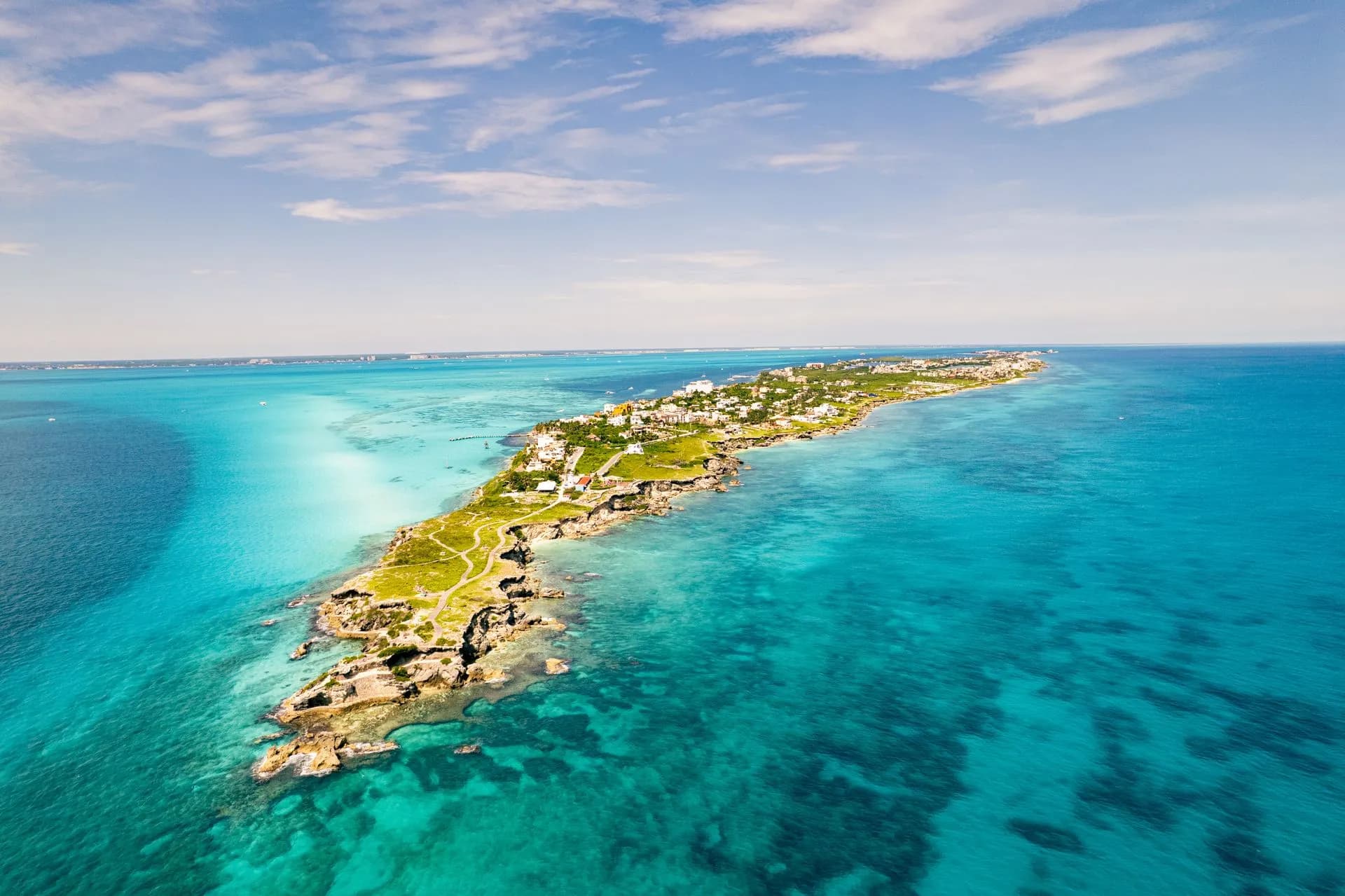
One thing to settle up front: Isla Mujeres is a small, golf-cart island reached by a 20-minute ferry from Cancún, with a calmer pace and a more limited supply of hotels than the mainland. That makes it a popular quieter base, but it also means peak dates and holiday weeks sell out earlier. Our things to do in Isla Mujeres guide covers the island's activities across seasons.
Most Popular Tours
Best Time to Visit Isla Mujeres by Traveler Type
The fastest way to find your month: pick the row that describes your trip. Each recommendation is unpacked in detail further down.
| Traveler | Best Months |
|---|---|
| First-time visitors | November, February |
| Snorkeling & diving | January–March |
| Whale shark trips | July, August |
| Budget travelers | September |
| Couples | November, February |
| Families | April, July–August |
| Best beaches (Playa Norte) | November–April |
| Best weather | December–April |
What Is the Best Month to Visit Isla Mujeres?
If we had to pick one month, November is the best month to visit Isla Mujeres. The dry season has returned with calm, clear water and excellent snorkeling visibility, sargassum is minimal, Playa Norte is at its best, and prices sit below the December holiday peak with light crowds. February is the close co-leader: the calmest dry-season weather and the year's clearest underwater visibility, though it runs slightly busier and pricier around Valentine's.
Scoring every month on weather, beaches, snorkeling, crowds, and price together, the top tier is February (9/10) and January and November (8.5/10), followed by April and December (8/10). The weakest month overall is September (6/10): it is the cheapest and quietest, but also the wettest with the highest hurricane risk, and the whale sharks close mid-month.
The key Isla Mujeres insight: the best month overall is not the best month for whale sharks. If the wildlife is your reason for the trip, July outranks everything regardless of its all-round score, because it is the only window that reliably delivers the encounter. If clear water, Playa Norte, and comfortable weather matter most, the dry-season months win. Decide which camp you are in first, then pick the month.
Our experience (best all-round month): Across the trips and reviews we track, November is the month visitors come away happiest with on a value basis: clear snorkeling water, a clean Playa Norte, and noticeably fewer people than the December holidays for nearly identical weather.
Most Popular Tours
Isla Mujeres's Two Seasons: Dry vs Green
Timing an Isla Mujeres trip comes down to one split: the dry season versus the green (wet) season. The island is small enough that the two seasons change the whole feel of a visit.
The dry season runs November through April. Daytime highs sit around 28 to 31°C with low humidity, the sea is calm, snorkeling visibility at Manchones Reef and the MUSA underwater museum is at its annual best, and the beaches are clean with minimal sargassum. Playa Norte, the shallow, calm beach on the north tip, is at its finest. The one weather quirk is the nortes: brief winter cold fronts (mostly November to February) that bring a day or two of wind and can briefly disrupt the Cancún ferry crossing. December holidays and Semana Santa are the busiest, priciest weeks.
The green season runs May through October. It is hot and humid with daily afternoon showers, and sargassum builds on the island's east-facing shores from May through August, peaking around June, though Playa Norte stays consistently cleaner. In exchange, this is the only window for whale sharks (mid-May to mid-September), and September brings the lowest prices and quietest crowds of the year. The Atlantic hurricane season runs June 1 through November 30, peaking from late August through October.
Our experience (summer beaches): What summer visitors consistently report is that Playa Norte on the north tip stays swimmable and far cleaner than the east-facing shores when sargassum arrives. If a clean beach matters in June or July, that is the side of the island to base yourself on.
| Season | Months | Weather | Water & Beaches | Crowds & Prices | Best For |
|---|---|---|---|---|---|
| Dry season | Nov–Apr | Warm, dry, low humidity; nortes Nov–Feb | Calm sea, peak snorkeling visibility, clean Playa Norte | Higher (peaks: Christmas/NYE, Semana Santa) | Snorkeling, beaches, couples, value |
| Green season | May–Oct | Hot, humid, afternoon showers | Whale sharks; sargassum on east shores, cleaner Playa Norte | Peak Jul–Aug; cheapest & quietest Sep | Whale sharks, budget trips, quiet island |
Most Popular Tours
The Best Time to Visit Isla Mujeres by What Matters Most
There is no single best month, only the best month for your priority. Find the row that matches what you care about most, then check that month's full guide for the detail.
| If your priority is… | Best window | Why |
|---|---|---|
| Snorkeling & clear water | January – March | Calm dry-season seas deliver the year's best visibility at Manchones and MUSA. |
| Best weather & Playa Norte | December – April | Warm, dry, low humidity, calm water, and minimal sargassum. |
| Swimming with whale sharks | July – August | Peak aggregations with the most reliable sightings; Isla Mujeres is a main departure point. |
| The lowest prices | September, then May–June | September is the cheapest and quietest month; the late-spring shoulder is close behind. |
| Fewest crowds | May, June, September, early Dec | School is in session and weather risk keeps numbers low away from the holiday weeks. |
| The least sargassum | November – April | Dry-season beaches are clear; seaweed builds on east shores from May and peaks in June. |
| Best value (conditions vs cost) | Late Oct – Nov & late April | Near-dry-season conditions at shoulder prices, with a fraction of holiday crowds. |
| A calm couples trip | November, February | Clear water and a quiet island, away from spring break and holiday traffic. |
Our pick for a first Isla Mujeres trip that is not built around whale sharks is the November stretch or February: clear water, clean beaches, calm Playa Norte, and the best weather, without the summer heat and sargassum. If whale sharks are the goal, build the trip around July and accept the heat and east-shore sargassum as the price of the encounter.
Most Popular Tours
Isla Mujeres Month by Month: At a Glance
Here is the whole year in one view, with our overall score for each month. Each month links to a full guide with detailed weather, ferry notes, and what to book.
| Month | Overall | Weather | Water & Wildlife | Crowds & Prices | Headline |
|---|---|---|---|---|---|
| January | 8.5/10 | Dry, mild; occasional nortes | Peak snorkeling visibility | Post-holiday, higher | Clearest water; calm Playa Norte |
| February | 9/10 | Calmest dry month | Peak snorkeling visibility | Steady; Valentine's bump | Best all-round weather and water |
| March | 7.5/10 | Warm, dry | Strong visibility early | Spring-break crowds | Calmer base than Cancún |
| April | 8/10 | Warm, dry | Good snorkeling; sargassum building | Semana Santa spike, then quiet | Post-Easter value; calm beaches |
| May | 7/10 | Hot, humid | Whale sharks open ~May 15 | Low; quiet shoulder | Season opens; lowest prices |
| June | 7/10 | Hot; afternoon showers | Whale sharks building; peak sargassum | Low; great value | Wildlife ramping; east-shore seaweed |
| July | 7.5/10 | Hot, humid; daily showers | Peak whale sharks | Peak; highest prices | Best wildlife; book early |
| August | 7.5/10 | Hot, humid | Whale shark peak continuing | Peak early, eases late | Wildlife peak; late-Aug value |
| September | 6/10 | Wettest; peak hurricane risk | Whale sharks close mid-month | Cheapest & quietest | Year's best value; weather gamble |
| October | 7.5/10 | Wet-to-dry transition | Sargassum clearing; visibility recovering | Low; good value | Quiet recovery shoulder |
| November | 8.5/10 | Dry season returning | Clear water; minimal sargassum | Light, rising late | Best all-round value; clean beaches |
| December | 8/10 | Dry, mild; nortes | Peak visibility; clean beaches | Quiet early, peak Christmas/NYE | Calm early Dec; holiday premium late |
ℹ️ Overall scores are our editorial summary, weighing weather, beaches, snorkeling, crowds, and prices together. They reflect the average traveler's priorities; if one factor matters most to you (whale sharks, lowest price, fewest crowds), use the priority table above instead.
Coming for the wildlife? Our Isla Mujeres whale shark tours guide covers operators, the small-boat experience, and how the season builds from May through September.
Most Popular Tours
Isla Mujeres Seasonality Calendar at a Glance
The same year as a quick visual scan. More ⭐ is better in every column; ❌ means the activity is out of season that month.
| Month | Weather | Snorkel Visibility | Whale Sharks | Playa Norte | Quiet | Value |
|---|---|---|---|---|---|---|
| Jan | ⭐⭐⭐⭐⭐ | ⭐⭐⭐⭐⭐ | ❌ | ⭐⭐⭐⭐ | ⭐⭐⭐ | ⭐⭐⭐ |
| Feb | ⭐⭐⭐⭐⭐ | ⭐⭐⭐⭐⭐ | ❌ | ⭐⭐⭐⭐⭐ | ⭐⭐⭐ | ⭐⭐⭐ |
| Mar | ⭐⭐⭐⭐⭐ | ⭐⭐⭐⭐ | ❌ | ⭐⭐⭐⭐⭐ | ⭐⭐ | ⭐⭐ |
| Apr | ⭐⭐⭐⭐ | ⭐⭐⭐⭐ | ❌ | ⭐⭐⭐⭐⭐ | ⭐⭐⭐ | ⭐⭐⭐ |
| May | ⭐⭐⭐ | ⭐⭐⭐ | ⭐⭐ | ⭐⭐⭐⭐ | ⭐⭐⭐⭐ | ⭐⭐⭐⭐ |
| Jun | ⭐⭐⭐ | ⭐⭐ | ⭐⭐⭐⭐ | ⭐⭐⭐ | ⭐⭐⭐⭐ | ⭐⭐⭐⭐ |
| Jul | ⭐⭐ | ⭐⭐ | ⭐⭐⭐⭐⭐ | ⭐⭐⭐ | ⭐ | ⭐⭐ |
| Aug | ⭐⭐ | ⭐⭐ | ⭐⭐⭐⭐⭐ | ⭐⭐⭐⭐ | ⭐⭐ | ⭐⭐⭐ |
| Sep | ⭐⭐ | ⭐⭐ | ⭐⭐ | ⭐⭐⭐ | ⭐⭐⭐⭐⭐ | ⭐⭐⭐⭐⭐ |
| Oct | ⭐⭐⭐ | ⭐⭐⭐ | ❌ | ⭐⭐⭐⭐ | ⭐⭐⭐⭐ | ⭐⭐⭐⭐ |
| Nov | ⭐⭐⭐⭐⭐ | ⭐⭐⭐⭐ | ❌ | ⭐⭐⭐⭐⭐ | ⭐⭐⭐⭐ | ⭐⭐⭐⭐ |
| Dec | ⭐⭐⭐⭐⭐ | ⭐⭐⭐⭐⭐ | ❌ | ⭐⭐⭐⭐⭐ | ⭐⭐ | ⭐⭐ |
ℹ️ Whale sharks are summer-only, while the clearest water and cleanest beaches come in the dry winter. That opposite pattern is why no single month scores top marks across every column.
Best Time to Visit Isla Mujeres for Your Trip Type
The right month also depends on who is travelling and what they want out of the island.
Couples and honeymooners
We'd give November and February the edge for a couples trip. The dry-season weather is calm and warm, the water is clear, Playa Norte is at its best, and the small, golf-cart island is at its most romantic away from spring break and holiday crowds. February carries a short Valentine's demand bump, so book a couple of weeks ahead if those dates matter.
Families
Two windows work best. April gives warm, dry weather and calm, shallow Playa Norte swimming, with the Semana Santa crowd worth booking around. July and August deliver peak whale sharks for older kids, with the trade-off of heat and east-shore sargassum to manage. Our things to do in Isla Mujeres guide covers the family-friendly options across seasons.
Budget travelers
September is the cheapest and quietest month outright, with May, June, and October close behind. The island's limited room supply means the best low-season rates move quickly, so a flexible booking helps. The trade is weather risk: September is the wettest month with the highest hurricane chance, so travel insurance is worth having. Our Isla Mujeres hotels guide covers where the value sits by category.
Snorkelers and divers
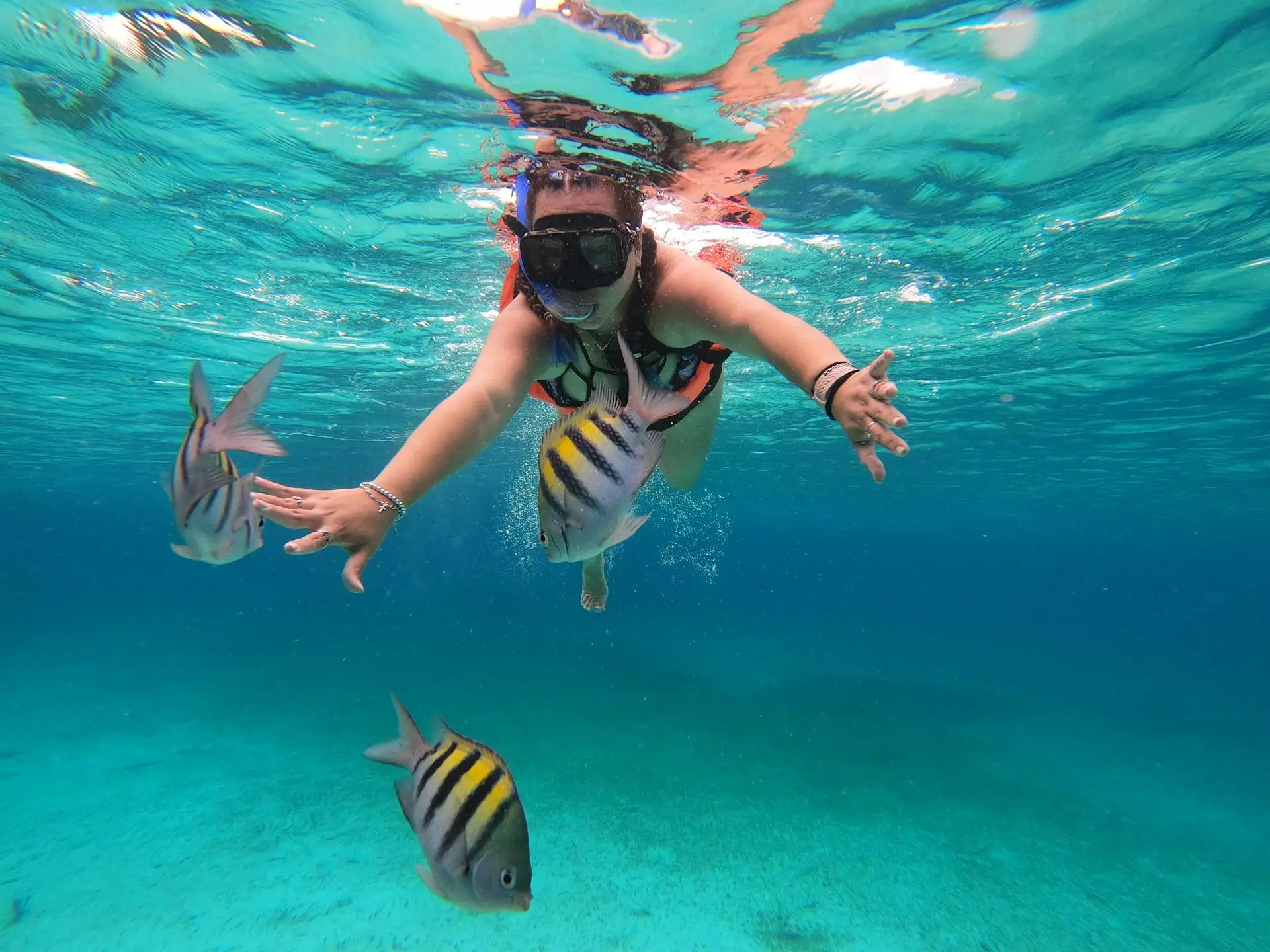
January through March is the clearest-water window of the year, when calm dry-season seas make Manchones Reef and the MUSA underwater sculpture park their sharpest. Summer water is warm but visibility is more variable, and east-shore sargassum can cloud the nearshore. Our Isla Mujeres snorkeling guide covers the best reefs and tours by season.
Most Popular Tours
Best Time to Visit Isla Mujeres by Activity
If your trip is built around one thing in particular, the calendar shifts. Here is the best window for the activities people most often plan an Isla Mujeres trip around.
| Activity | Best Months | Why |
|---|---|---|
| Snorkeling (Manchones, MUSA) | Jan–March | Calm dry-season seas deliver the year's clearest reef and MUSA visibility. |
| Whale sharks | July–Aug | Peak aggregations and the most reliable sightings; not available outside mid-May to mid-Sep. |
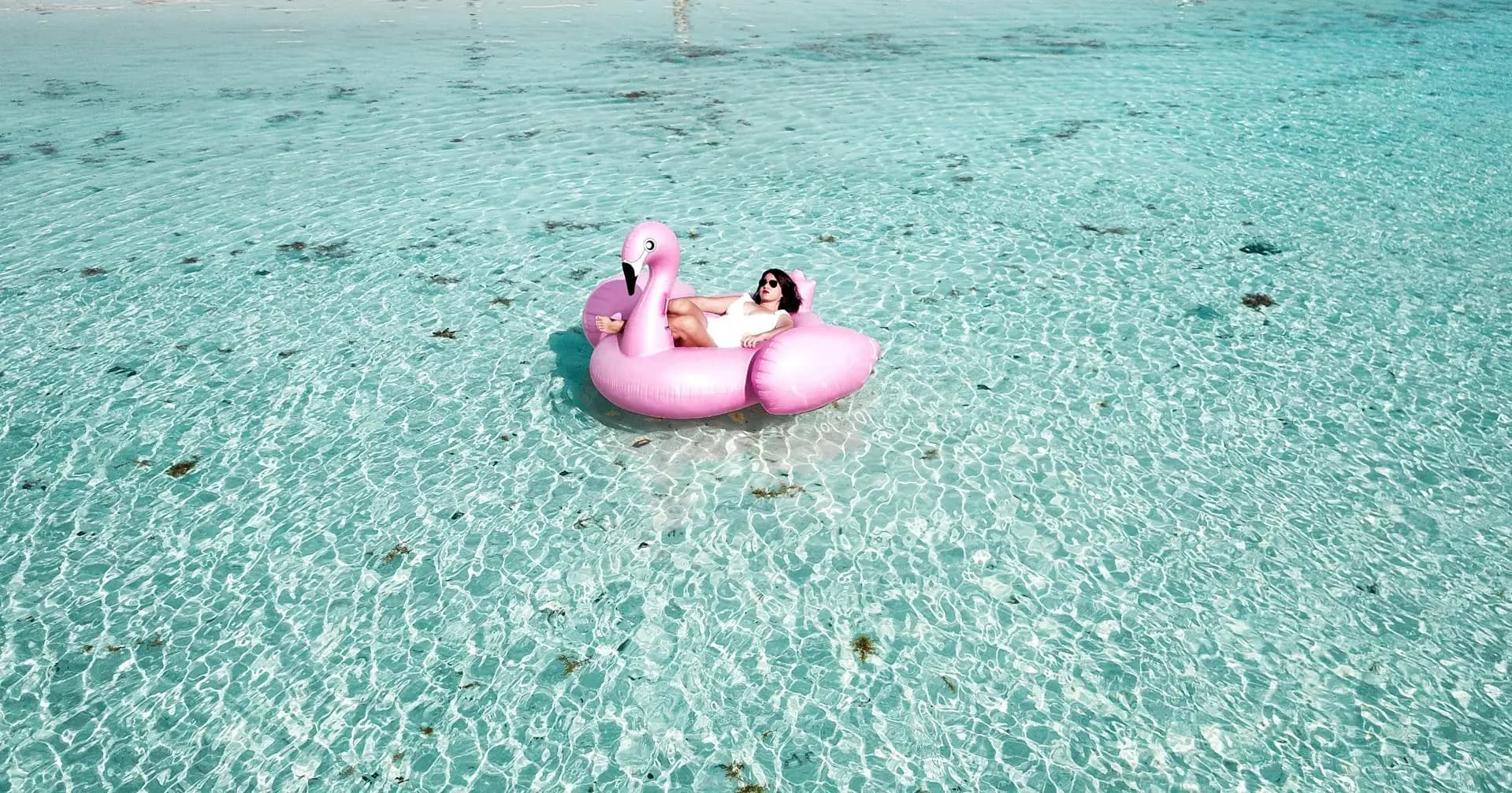
| Playa Norte & beaches | Nov–April | Calmest, clearest, shallow swimming with minimal sargassum. |
| Scuba diving (MUSA) | Nov–April | Flat seas and the best visibility of the year at the submerged sculpture park. |
| Catamaran & sailing | Nov–April | Calm dry-season water makes for the smoothest crossings and clearest snorkel stops. |
| Families | April; July–Aug | Calm Playa Norte swimming, or peak whale sharks for older kids. |
One thing to know about Isla Mujeres sargassum: the season and severity track the Caribbean coast, but the island gives you a built-in workaround. The east-facing shores collect the seaweed, while Playa Norte on the north tip stays consistently cleaner, so a single short walk or golf-cart ride often gets you to clear water even in a bad summer week.
Most Popular Tours
Best Time to Visit Isla Mujeres vs Cancún
Isla Mujeres and Cancún share the same Caribbean calendar but reward slightly different timing, because the island is the quieter, beach-and-snorkel version of the mainland. If you are deciding between them, here is how the seasons compare on the four factors that matter most.
| Factor | Isla Mujeres | Cancún |
|---|---|---|
| Whale sharks | Mid-May to mid-Sep; a main departure point, closer to the open-water aggregation | Same season; more operators and easier hotel logistics |
| Sargassum | East shores collect it, but Playa Norte stays cleaner; a built-in workaround | Heavier on south-facing Hotel Zone beaches, Jun–Jul peak |
| Best weather | Nov–April dry season; calm, clear water | Late Nov–April dry season |
| Crowds | Calmer year-round; a quieter base, especially during spring break | Much busier; spring break and holidays peak hard |
The short version: for the same whale shark season and the same dry-season weather, Isla Mujeres is the quieter, more relaxed base and Cancún is the bigger one with more nightlife, resorts, and day trips. Many travelers do both, using the island as a calm two-night add-on. If you are weighing the mainland, our best time to visit Cancún guide breaks its calendar down in the same month-by-month detail.
When to Avoid Isla Mujeres (and How to Work Around It)
No month is off-limits, but a few periods carry real downsides worth planning around.
- Peak sargassum (June–July): seaweed is heaviest on the east-facing shores in these months and varies year to year. Work around it by basing yourself near Playa Norte on the north tip, which stays consistently cleaner, and by booking boat tours that depart into clean offshore water.
- Hurricane peak (late August–September): September is the wettest month with the highest Atlantic hurricane risk. Direct hits are uncommon, but storms can disrupt the ferry and tours. If you book this window for the low prices, travel insurance that covers named-storm cancellation is worth the cost.
- Winter nortes (November–February): cold fronts bring occasional days of wind that can briefly suspend the Cancún ferry crossing. Keep a flexible buffer day, and don't schedule your departure ferry for the same morning as a tight flight.
- Christmas, New Year, and Semana Santa: the island's limited room supply means these weeks sell out earliest and price up hardest. Early December and the post-Easter weeks deliver nearly the same weather for far less; shifting your dates a week or two saves significantly.
Our experience (winter ferry): When a Norte blows through in winter, the pattern we see is the Cancún ferry running on a reduced or choppy schedule for a day, then normalizing. Travelers who avoid booking a same-day ferry-and-flight connection rarely have a problem; those on a tight transfer occasionally do.
The pattern holds across the calendar: every downside month has a workaround, whether it is the right beach, a buffer day for the ferry, or a one-week shift off the holiday peak. None of these are reasons to write off a trip, only factors to plan around.
From Our Experience
What we consistently see is that travelers who match their month to a clear priority, snorkeling and beaches in winter or whale sharks in summer, come away happiest on Isla Mujeres. The island rewards a focused trip: winter delivers the clear water and calm Playa Norte it is famous for, while summer is worth the heat only if the whale sharks are the goal.
Tips for Timing Your Isla Mujeres Trip
- Come in the dry season for snorkeling and beaches: November through April delivers the clearest water at Manchones and MUSA, calm Playa Norte swimming, and minimal sargassum. This is the island at its postcard best.
- Book whale shark tours 2 to 3 weeks ahead in summer: July and August dates sell out well before arrival. If whale sharks are the goal, secure the tour first, then build the rest of the trip around it.
- Base near Playa Norte if you visit in summer: the north tip stays cleaner when sargassum hits the east shores from May through August. Hotel location matters more here than travel dates for a clean-beach summer trip.
- Use the shoulder weeks for value: late October and November clear the rains and sargassum, recover snorkeling visibility, and stay quiet and well-priced before the December holidays. It is the best value-to-conditions stretch on the calendar.
- Plan around the nortes in winter: November through February can bring a brief cold front that disrupts the Cancún ferry for a day. Keep a flexible day and avoid a same-morning ferry-and-flight connection.
- Book accommodation far ahead for peak dates: the island's small room supply means whale shark season, Christmas, New Year, and Semana Santa fill earlier than the mainland. For those windows, book months out.
- Still deciding on a month? Read the detail. Our month-by-month guides for February, July, September, and November cover the standout months for weather, snorkeling, and value in full.
Most Popular Tours
What We'd Choose
If we were booking our own Isla Mujeres trip, here is the month we'd pick against a single goal:
- First Isla Mujeres trip: November, for clear water, a clean Playa Norte, and the best weather-to-value balance of the year.
- Best weather and snorkeling: February, the calmest dry-season conditions and the year's clearest visibility.
- Best wildlife: July, peak whale sharks from one of the main departure points.
- Best value: late September into October, once the rains and sargassum ease but before dry-season demand returns.
- Calm couples trip: November or early December, before the holiday crowds arrive.
ℹ️ These are our editorial picks, weighing weather, water, crowds, value, and what each month uniquely offers. Your best month depends on which of these goals matters most for your trip.
How We Put This Guide Together
The Cancun Trip Insider team built this guide from historical weather records, whale shark season data, snorkeling visibility and sargassum monitoring, ferry-disruption patterns, and the seasonal pricing and availability we track across Isla Mujeres's tours and limited accommodation. The island is sharply season-dependent, with its clear-water snorkeling and its whale sharks falling in opposite halves of the year, so we prioritized documented timing over best-case framing. This guide was reviewed and updated in June 2026. Seasonal conditions vary year to year; we recommend confirming whale shark availability, ferry schedules, and storm outlooks in the weeks before your trip. Every month linked here has its own dedicated guide with detailed weather and booking advice.
Frequently Asked Questions
When is the best time to visit Isla Mujeres?+
For the best weather, clearest snorkeling water, calm Playa Norte swimming, and minimal sargassum, visit November through April in the dry season. For whale sharks, you have to come in summer, with July and August the peak. September is the cheapest and quietest month but the wettest, with the highest hurricane risk.
What is the best month to visit Isla Mujeres?+
November is the best single month for an all-around trip: the dry season has returned with clear water, clean beaches, and excellent snorkeling, crowds are light, and prices sit below the December holiday peak. February is the close runner-up with the calmest weather and the year's clearest visibility. For whale sharks specifically, July is the best month.
When is whale shark season in Isla Mujeres?+
Whale shark season runs from roughly mid-May through mid-September, peaking in July and August. Isla Mujeres is one of the main departure points for the open-water aggregation, and peak-month tours sell out two to three weeks ahead. Outside this window the tours do not operate, so the trip has to be timed to summer.
When is the best time for snorkeling in Isla Mujeres?+
January through March offers the clearest snorkeling visibility of the year at Manchones Reef and the MUSA underwater museum, when calm dry-season seas keep the water clear. Visibility stays good through the dry season (November to April). Summer water is warm but visibility is more variable, and east-shore sargassum can cloud the nearshore.
Does Isla Mujeres have sargassum?+
Yes, on its east-facing shores, heaviest from May through August and peaking around June. The amount varies year to year. The key advantage is Playa Norte on the north tip, which stays consistently cleaner because of its sheltered orientation, so a short walk or golf-cart ride usually reaches clear water. The dry season (November to April) is largely clear.
What is the cheapest time to visit Isla Mujeres?+
September is the cheapest and quietest month, followed by May, June, and October. These green-season months trade lower prices for heat, humidity, sargassum on the east shores, and weather risk. Because the island has limited room supply, the best low-season rates move quickly. The most expensive periods are Christmas, New Year, and Semana Santa.
Is Isla Mujeres better than Cancún?+
They suit different trips. Isla Mujeres is the quieter, smaller base with calmer beaches and a relaxed pace, better for snorkeling, Playa Norte, and avoiding crowds. Cancún offers more nightlife, resorts, day trips, and operators. They share the same whale shark season and dry-season weather, and many travelers do both, using the island as a calm add-on.
How many days do you need in Isla Mujeres?+
Two to three days suits most trips: enough for Playa Norte, a snorkeling tour to Manchones and MUSA, a golf-cart loop of the island, and the slow pace. Add a day in summer if whale sharks are the priority and you want a backup date for weather, and keep a buffer in winter when nortes can disrupt the ferry.
Affiliate note: Some links on this page are affiliate links. If you book through them, we may earn a small commission at no additional cost to you.