Yes, you can usually swim at the small beach below El Castillo, but the staircase closes at times and the beach has its own protected-area rules. Here is what is banned at the Tulum ruins in 2026, what to wear for the heat, the single-use plastic rule, drones and tripods, wheelchairs, pets and how the new Jaguar Park entrance works.
What You Should Know
- The small beach below El Castillo is reached by a wooden staircase inside the site. It is a free, public access, but it closes at times for sea turtle nesting, rough seas or heavy sargassum, so treat a swim as a bonus.
- Single-use plastic is the rule that catches most people out. Guests on tours from December 2025 to September 2026 had disposable water bottles taken or thrown away at the entrance. Bring a refillable bottle or thermos.
- You now enter through Parque del Jaguar. Since August 10, 2026, electric carts run from the traditional entrance to the ruins for 20 pesos (10 for children), or you can walk.
- There is almost no shade inside the walled city. Guests on this summer's tours describe 95-degree heat, so arrive near the 8 AM opening with a hat or an umbrella.
Can You Swim at the Tulum Ruins? The Short Answer
⭐ The short answer: Usually, yes. A wooden staircase inside the site leads down to the small cove below El Castillo, often called Playa Ruinas, and you can swim there when it is open. It closes at times for turtle nesting, rough seas or heavy sargassum, and protected-area rules ban sunscreen, food and single-use plastic on the sand.
So can you swim at the Tulum ruins in 2026? On most days you can, and it is one of the few places in the world where you can float in the Caribbean under a Maya temple. The beach sits inside Parque Nacional Tulum, a federal protected area run by CONANP, Mexico's protected-areas agency, so its rules are stricter than a hotel beach. In December 2025 Quintana Roo press reported that the traditional free access to the beach inside the archaeological zone remains open to local, national and foreign visitors, and in July 2026 the federal government said access to Tulum's beaches, including the historic ones, is free.
What nobody publishes is a daily status for the staircase. Several 2026 visitor guides say it closes from time to time, and we found no INAH or CONANP notice closing it as of October 26, 2026. Plan your day around the ruins, pack a swimsuit under your clothes, and if the stairs are open when you reach El Castillo, take the swim. If they are not, the ruins are still worth it. Our guide to Tulum ruins tours compares the guided options, prices and what each includes; this page covers the rules once you are there.
The Beach Below El Castillo: Access, Closures and Beach Rules
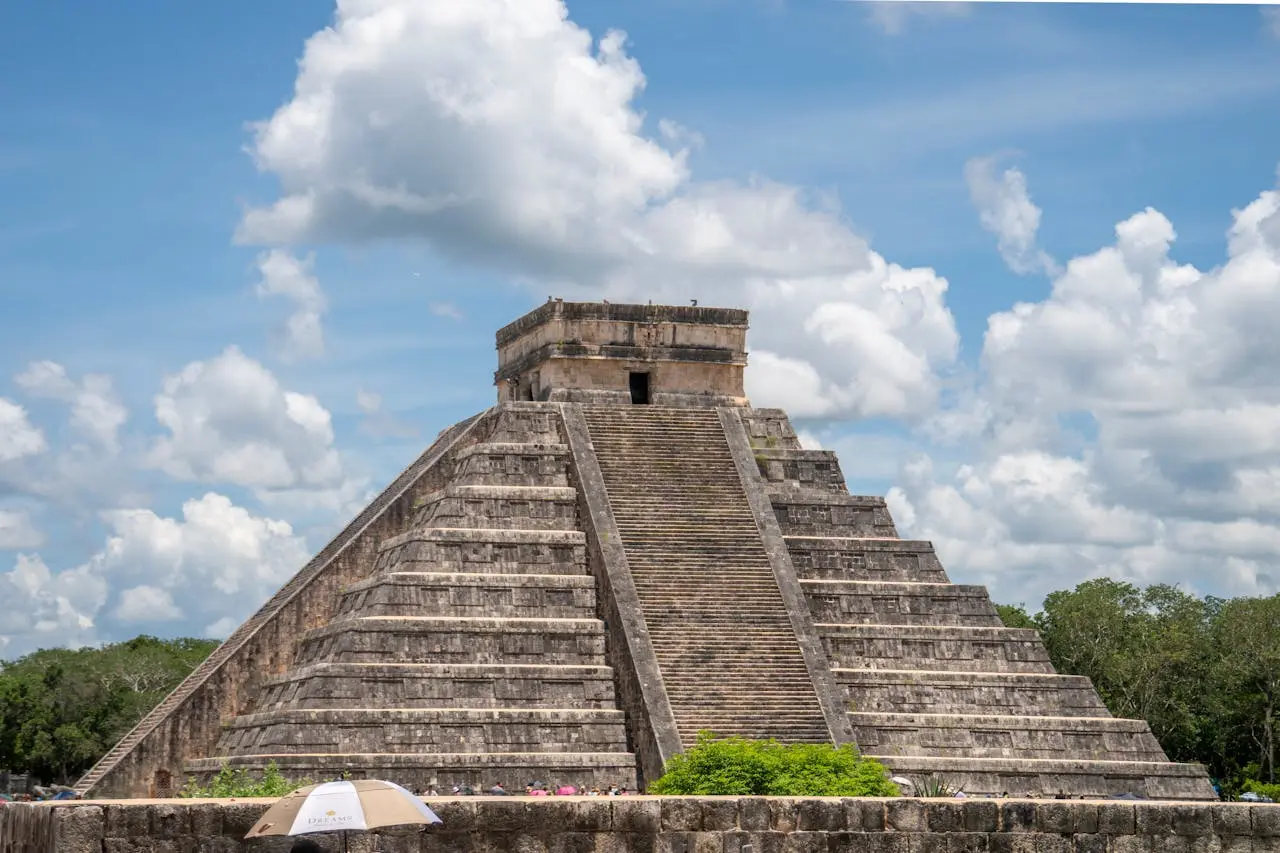
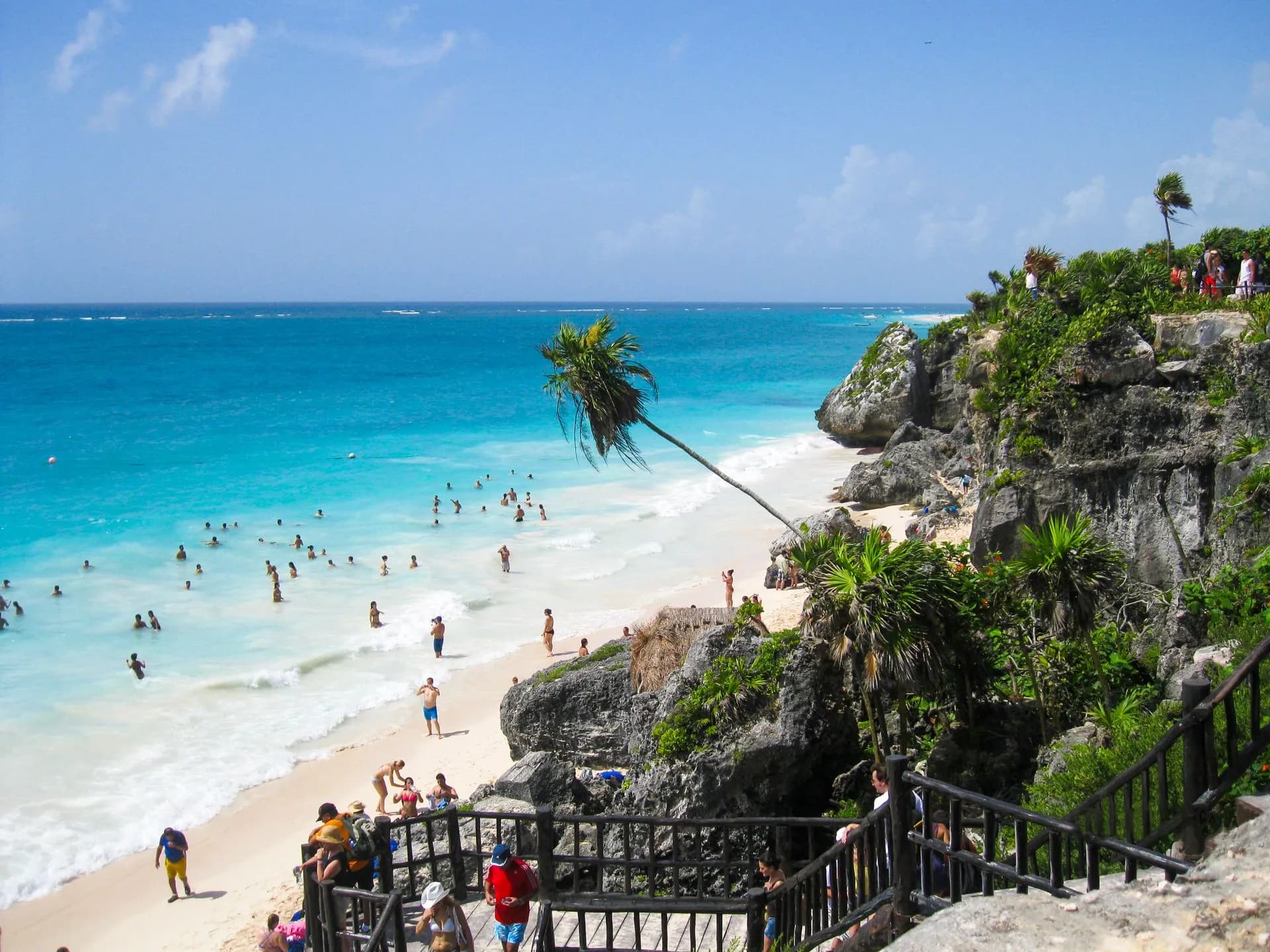
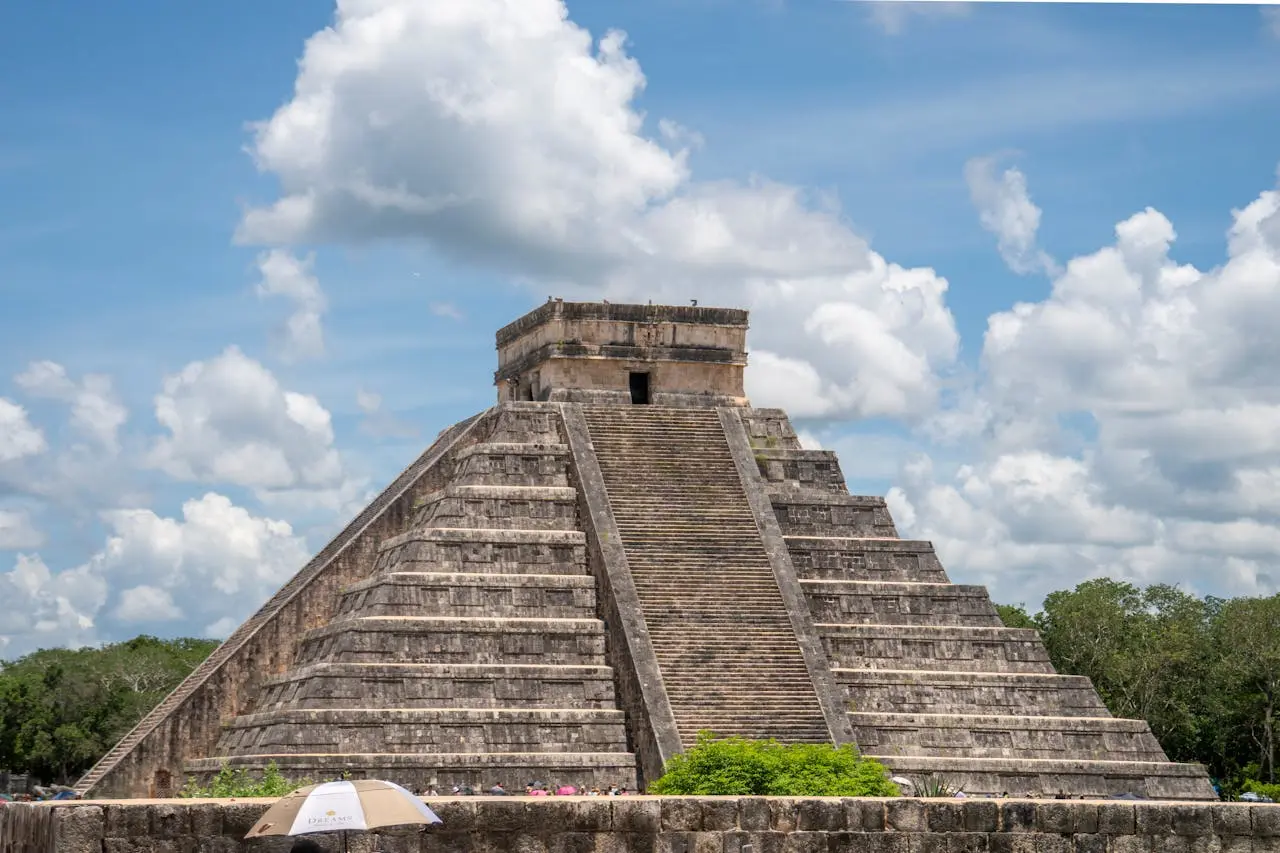
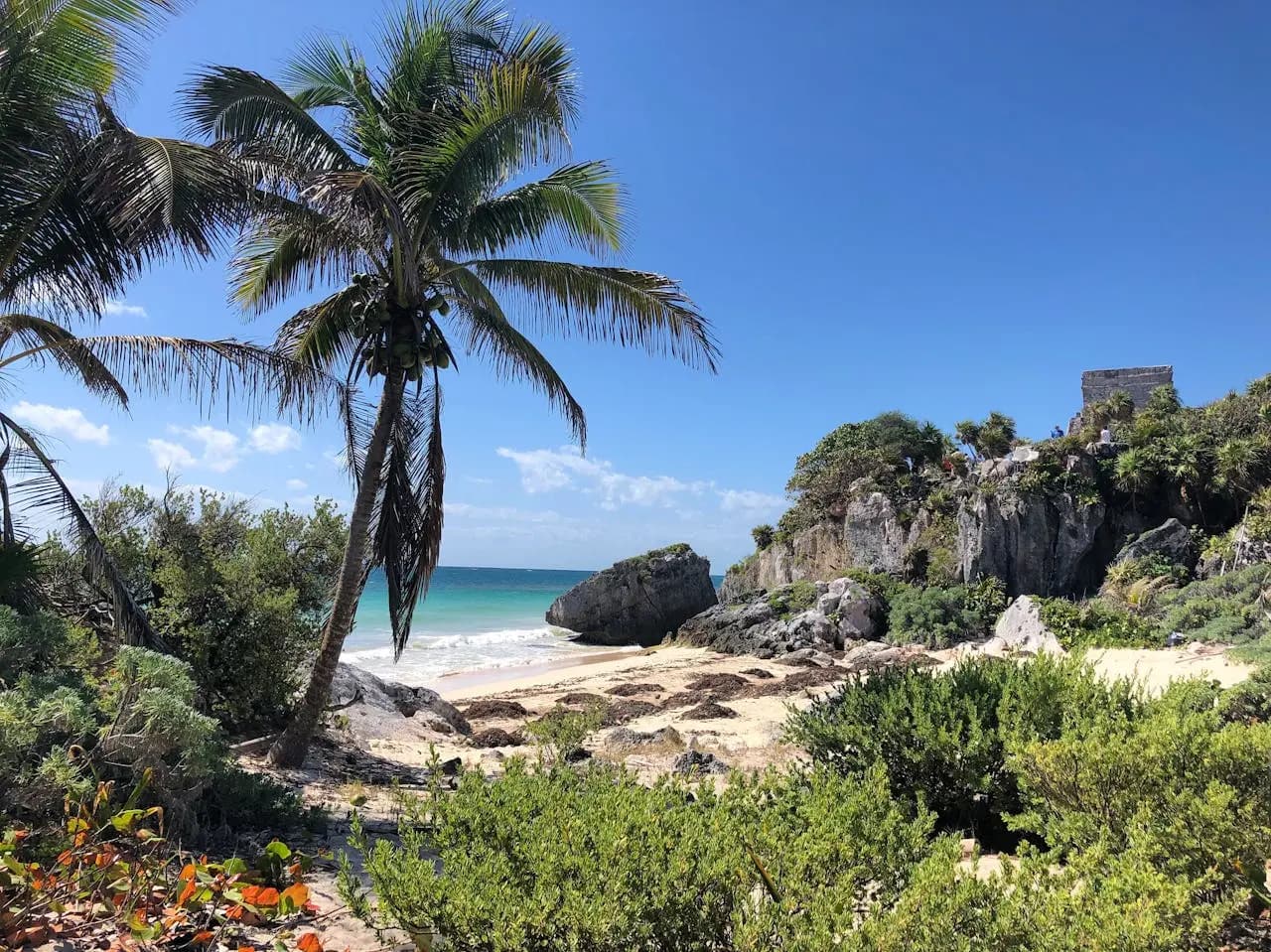
The cove is small: a strip of white sand at the foot of the 12-metre cliff, with El Castillo directly above it. It fills quickly once the tour buses arrive in mid-morning, and it is at its best right after the 8 AM opening.
Why the staircase closes
- Sea turtle nesting: CONANP describes the beaches of the park as sea turtle nesting sites and asks visitors to follow staff instructions to protect them. Nesting on this coast runs mainly through the summer, and roped-off nests or a closed section of sand are normal then.
- Rough seas: the cove faces the open Caribbean. On days with a strong swell or a winter cold front (a norte), staff can close the stairs.
- Sargassum: in heavy seaweed periods the cove fills with brown sargassum and the beach is either closed or not worth a swim. The seaweed season varies year to year; our Tulum sargassum guide explains when it is worst and where to swim instead.
The beach rules
In October 2025, Quintana Roo's government said the restrictions on Tulum's protected-area beaches are set and enforced by CONANP: no chairs, beach umbrellas, food, single-use plastics or alcohol, while thermoses with water and soft drinks are allowed. When CONANP opened Playa Mangle, the beach reached on foot from Jaguar Park's south entrance, in September 2025, it also listed littering, speakers or musical instruments, bonfires, smoking, flying drones, using sunscreen and bringing pets as prohibited in the zone. Expect the same standards on the cove below the ruins.
In practice that means: swim without sunscreen (wear a rash guard instead), leave the snacks in your bag or on the bus, and do not plan a beach day with chairs and a cooler here. Bring a small towel and a dry layer; there are no beach clubs or changing rooms on the cove itself.
Our take (beach time): If a swim under El Castillo is the main reason you are going, visit on your own or with a private guide so you control the timing. On most shared tours your time on site is about an hour with the guide plus some free time, which is enough for a quick dip only if the stairs are open and you move fast.
If the cove is closed, you still have options. The federal government says 10 public beach accesses have opened along Tulum's coast since 2025, and Playa Mangle is free to walk into from Jaguar Park's south entrance between 8 AM and 5 PM. For a whole day built around the water, our guide to the best things to do in Tulum covers the beaches, cenotes and Akumal's turtles.
Tulum Ruins Rules: What's Banned and What's Allowed
Three authorities set the rules at the Tulum ruins: INAH for the archaeological zone, CONANP for the national park around it, and the operator of Parque del Jaguar, which you now pass through to get in. Here is what gets through, based on their 2025 and 2026 notices, tour operators' own instructions and what guests on this year's tours report.
| Item or activity | Allowed? | What to know |
|---|---|---|
| Climbing any structure | No | Every building, including El Castillo, is roped off. You view them from the marked paths. |
| Single-use plastic bottles | No | Guests had disposable bottles taken or binned at the entrance from December 2025 to September 2026. A refillable bottle or thermos is fine. |
| Water | Yes, in a reusable bottle | Refillable bottles were on sale for about $5 at the entrance shop in June 2026, filled for you. |
| Food and snacks | No | INAH banned food at Quintana Roo sites for the 2026 equinox, CONANP bans it on the beaches, and one guest in February 2026 reported food being confiscated. Eat before you go in. |
| Sunscreen and bug spray | Restricted | CONANP bans sunscreen in the water and on the protected beaches. Some guides tell guests to skip sunscreen and repellent entirely; cover up instead. |
| Handheld umbrellas | Yes, on the paths | Some tours hand them out for shade. Beach umbrellas and chairs are a different matter and are not allowed on the protected beaches. |
| Drones | No | Banned without written INAH authorization, and CONANP lists drones as prohibited in the park. |
| Tripods and pro camera kit | Permit only | One tour operator's 2026 listing says professional photo equipment is strictly prohibited; INAH requires a permit for special equipment. |
| GoPros, tablets, selfie sticks | Yes, with a fee | The same listing says these are subject to a fee paid at the box office. Phones and ordinary cameras are free. |
| Pets | No | INAH and CONANP both bar pets. If you rely on a service animal, contact INAH before you go. |
| Alcohol, smoking, speakers | No | All banned in the protected area, along with bonfires and littering. |
| Coolers and bulky bags | No | Coolers have been turned away at Jaguar Park since 2024, and INAH bars bulky bags on event days. A small daypack is the safe choice. |
| Touching the monuments | No | Stay on the paths and off the stonework, including the carved and painted surfaces. |
ℹ️ Rules checked against INAH and CONANP notices, Quintana Roo press and recent tour listings on October 26, 2026. Rules tighten on event days such as the spring equinox, so confirm at the gate if you are bringing anything unusual.
The plastic rule is the one that surprises people most. One guest in September 2026 wrote: "Single use plastic water bottles are not allowed in Tulum so bring a reusable, refillable bottle or you can buy one at the market there." Another, in December 2025, said staff "made us trash our water bottles". If you are on a tour, leave any disposable bottles in the van.
How You Get In Now: Parque del Jaguar and What Changed in 2026
If you last visited before 2024, the way in has changed. On September 7, 2024, the federal government opened Parque del Jaguar, a large protected park built partly on Tulum's old airfield, together with the new Museo de la Costa Oriental. The park now wraps around the archaeological zone, so every visitor passes through it to reach the ruins. It is run by a state company under Mexico's defence ministry, not by INAH.
The 2026 changes
- July 20, 2026: new fees. Under the federal Plan Tulum Renace, entry to Jaguar Park became free for Mexican nationals, and foreign visitors pay a separate park fee plus a combined national park and archaeological zone ticket (briefly below).
- August 10, 2026: electric carts. Park-run electric carts began carrying visitors from the traditional entrance to the archaeological zone for 20 pesos per adult and 10 per child, replacing the old tourist train that had been suspended for nearly three years. The ride is optional; you can still walk.
- A ticket window at the north entrance. INAH opened a ticket window at the traditional north entrance on the same day.
- Still to come: a new parking area at the south access, meant to keep private cars out of the park. As of late October 2026 it was reported as unfinished.
Watch out for touts in the parking lots
Local press reported in August 2026 that touts, known locally as jaladores, stop arriving cars near the entrance, steer drivers to particular parking lots and push guided tours at 900 pesos per person. The municipality removed unauthorized vendor stands in May 2026 and installed kiosks showing official prices, but the touts came back. Know the official prices before you arrive, and buy tickets only at the official windows. A licensed guide booked in advance avoids the whole scene.
Most Popular Tours
What to Wear to the Tulum Ruins
For what to wear to the Tulum ruins, dress for strong sun first: a wide-brim hat, light long sleeves or a rash guard, and closed walking shoes. There is no dress code, so shorts are fine. Wear your swimsuit underneath for the cove, and carry a refillable bottle rather than a plastic one.
The sea breeze helps on the cliff edge, but inland on the paths it can be stifling. One guest in April 2026 put it simply: the site "gets hot when the breeze from the ocean doesn't reach you so bring water and find shade where you can." Another, in February 2026, advised wearing "long sleeved rash guards, light pants, wide brimmed hats and sunglasses" because their tour told them to skip sunscreen and bug spray inside the park.
Is there a dress code at the Tulum ruins?
No. We found no dress code from INAH or CONANP, and shorts, tank tops and sundresses are all normal on the paths. Swimwear on its own is fine on the beach but is best covered up on the walk through the site. The only clothing-related limits we found are for event days: for the 2026 spring equinox INAH restricted what could be brought into Quintana Roo sites, and costumes and banners have been turned away at other INAH sites on those days.
Wide-brim hat or an umbrella
There is very little shade inside the walled city. Several tours hand out umbrellas for the walk, and guests on this year's trips say they were glad of them.
Light, long sleeves or a rash guard
Because sunscreen is restricted in the water and on the beach, covering up does the job instead. Loose cotton, linen or quick-dry fabric in light colours stays coolest.
Closed walking shoes or sturdy sandals
Paths are packed sand, gravel and limestone with uneven steps. Bring water shoes in your bag if your tour adds a cenote or a beach stop.
Swimsuit for the cove
Wear it under your clothes. If the staircase to the beach is open you can be in the water in minutes, and there is nowhere to change on the sand.
Refillable bottle and small pesos
Single-use plastic is not allowed. Pesos in small notes cover the electric cart, a refill bottle and any device fee at the box office.
Light poncho and quick-dry clothes
From June to October short afternoon storms are common. A poncho beats a big umbrella in a crowd, and quick-dry clothes save the ride home.
Shade, Heat and the Best Time of Day
Tulum is a compact site: most guided visits take about an hour, with time to wander after. That makes it easy to do well if you beat the heat, and miserable if you arrive at noon in July.
- Arrive at opening: the archaeological zone opens at 8 AM. The first hour is the coolest, the quietest and the best time for the beach.
- Expect very little shade: guests mention "a couple of covered areas for breaks" on the route and otherwise open sun. A July 2026 guest described "95+ degree heat".
- Drink before you go in: with food banned and only reusable bottles allowed, it pays to eat breakfast and fill a large insulated bottle before you leave. One summer guest recommended a metal bottle filled with ice at the hotel.
- Mind the walk: one guest on a combo tour this summer called the ruins "a very long walk". The electric cart (20 pesos) takes the edge off the approach.
For the season-by-season picture of heat, rain and crowds, see our guide to the best time to visit Tulum.
Our take (heat): If you are coming from Cancún, the drive alone is about two hours with hotel pickups, so most Cancún tours reach the ruins after 10 AM. Staying in Tulum or Playa del Carmen, or booking a private guide with an early start, is the simplest way to be inside at 8 AM.
Photos, Video and Drone Rules at the Tulum Ruins
Phone photos and ordinary cameras are free everywhere you are allowed to walk. Beyond that, three rules apply:
- GoPros, tablets and selfie sticks: Cancun Adventures' 2026 listing for its ruins tour says these "are subject to fees payable directly at the box office in the Tulum Ruins." We could not find the amount on an official page, so carry a few hundred pesos in cash if you bring one.
- Tripods, professional gear and shoots: the same listing says "professional photography equipment and drones are strictly prohibited". INAH requires prior authorization for photography or filming with special equipment at any archaeological zone, applied for through its national legal office (CNAJ) with a script or summary and at least 10 working days' notice. Wedding, fashion and commercial shoots fall under this rule.
- Drones: banned. Federal monument law prohibits flights over archaeological zones without INAH permission, and CONANP lists flying drones as prohibited in the protected park, which covers the beach as well.
For the classic shot of El Castillo above the sea, the best angle is from the clifftop near the Temple of the Wind God, and it is only free of crowds in the first hour after opening. Some combo tours include a photographer for the cenote or snorkel stops, with photos sold afterwards; one guest this year said personal cameras were not allowed in the cave cenote on their tour, so ask before you go.
Most Popular Tours
Wheelchairs, Strollers, Kids and Pets
Is the Tulum ruins site wheelchair accessible?
Partly. We found no official accessibility statement from INAH. INAH's own mini-guide puts the walk from the old car park to the zone at about 700 metres, and since August 2026 the park's electric carts cover the approach for 20 pesos. Inside the walls the site is mostly flat, but the paths are packed sand, gravel and limestone with some steps, and the only way down to the beach is a steep wooden staircase with no ramp. Recent tour listings disagree: one private Playa del Carmen operator marks its Tulum tour as wheelchair accessible, while Cancun Adventures says its ruins tour is not recommended for guests with limited mobility. A guest on the Tulum and cenote tour in February 2026 wrote that another traveller with "a cane and ankle braces" was "able to fully enjoy most of the experience". A private tour lets you set the pace and skip the steps.
Under the July 2026 fee decree, people with disabilities are among the groups that get free or reduced entry with ID, along with minors, seniors, students and teachers. Ask at the window what applies to you.
Strollers and young children
Strollers are allowed, and several tour listings note that infants can ride in a pram or stroller. A sturdy stroller copes far better with the sand and gravel than a light umbrella stroller. One father who brought children aged five, three and one in April 2026 called it "a challenge in the sun and heat"; his guide ended up pushing the three-year-old in the stroller. Bring a carrier for the steps and plan the visit for the first hour.
Pets
Not allowed. INAH barred pets at its Quintana Roo sites for the 2026 equinox, and CONANP lists pets as prohibited in the park and on its beaches. We found no published policy on service animals at the site, so contact INAH before your visit if you rely on one.
Entry Fee and Hours, Briefly
Fees and hours have their own page: our Tulum ruins tours guide covers them alongside the tours. The short version, as of October 26, 2026:
- Fee for foreign visitors: 265 pesos (about $14 USD) in total since July 20, 2026, made up of 100 pesos for Jaguar Park and 165 pesos for the combined national park and archaeological zone ticket, according to national and Quintana Roo press reports of the July 2026 decree. Mexican nationals pay 80 pesos Monday to Saturday and enter free on Sundays. The electric cart is 20 pesos extra. Many older guides and some tour listings still quote 515 pesos or more, or a separate Jaguar Park fee of 300 to 350 pesos; those figures predate the July 2026 change.
- Hours: the archaeological zone opens at 8 AM and closes at 5 PM. Sources disagree on last entry (3:30 PM or 4 PM), so aim to be inside well before 3:30 PM.
If you go with a tour, check what its price covers. Some Cancún tours collect $35 to $40 USD in cash per person at pickup for entrance fees or a "visit tax", which can include other stops on the day. Ask what that cash covers before you hand it over.
Tips for Following the Rules Without the Stress
- Pack the night before: refillable bottle (filled with ice), hat, rash guard, swimsuit underneath, small towel, and pesos in small notes. Leave food, disposable bottles and drones at the hotel.
- Skip sunscreen on the beach and in the water: if you must use it on the walk, put it on early at the hotel and only on exposed skin, as tour operators ask.
- Go early, swim early: the cove and the clifftop photo spots are only quiet in the first hour after opening.
- Ignore the parking-lot touts: buy tickets at the official windows and book any guide in advance.
- Pair it well: the ruins take only an hour or two, so most people add a cenote or Akumal's sea turtles. Our Akumal snorkeling guide covers the turtle rules, and our Tulum cenote tours guide covers the cenotes.
- Want a pyramid you can climb? Nothing at Tulum can be climbed. Cobá's Nohoch Mul reopened to climbers in December 2025; see our guide to the Cobá ruins from Tulum, and our Chichén Itzá vs Tulum vs Cobá comparison if you are choosing between sites.
See the Ruins Early, With a Guide: Compare and Book
The rules above are easiest to live with on a shorter day: less time in the midday sun, a guide who knows where the shade is, and a swim in a cenote straight afterwards instead of a long drive. Ocean Tours Mexico's half-day Tulum and cenote tour is rated 5.0 across 287 reviews from $109 per person, with pickup between Moon Palace and Tulum. Government fees are paid separately, so ask what is due on the day. The other options include a ruins-only express visit from Cancún and the Riviera Maya, two private half days that start early, and two full-day combos that add Akumal's turtles.
Popular Ways to See the Tulum Ruins With a Guide
Nine options, all rated 4.5 or higher with at least 50 reviews and recent guest feedback. The first four focus on the ruins: a half day with a cenote, an express visit from Cancún and the Riviera Maya with umbrellas provided, and two private half days with early starts. The rest pair the ruins with a cenote, Akumal's turtles or a lagoon snorkel. Entrance and government fees are extra on several of them, so check each listing.
For everything else to do nearby, see our guide to the best things to do in Tulum.
Most Tulum combo tours add a turtle swim, so read our Akumal turtle snorkeling rules before you go. Heading inland as well? Our Chichén Itzá rules cover the bigger site, and our Xcaret rules cover the park just up the coast.
Most Popular Tours
How We Researched This Guide
We built the rules on this page from primary sources first: the July 17, 2026 Presidency statement on Plan Tulum Renace, CONANP's September 2025 statement on Playa Mangle, the Quintana Roo government's October 2025 statement on protected-area beaches, INAH's 2026 equinox restrictions for Quintana Roo sites and INAH's published permit process for photography with special equipment. Where those are silent (the staircase status, accessibility, device fees), we used 2025 and 2026 reporting from Infobae, Por Esto, El Universal, Heraldo de México and Tulum Times, plus tour operators' own 2026 listings, and say so in the text.
For the on-the-ground detail (plastic bottles, heat, umbrellas, strollers, cash collected at pickup) we read several hundred guest reviews posted between October 2025 and October 2026 across ten Tulum ruins tours. Tour ratings, prices and inclusions come from live listing data checked on October 26, 2026, and every tour shown has a rating of 4.5 or more, at least 50 reviews and reviews from the last six months. Fees and rules change, so confirm anything critical at the ticket window or with your tour.
Where to Stay in Tulum
Staying in Tulum or planning a trip? Here are three well-reviewed hotels, with live prices from our booking system. Rooms at the best-rated hotels are usually the first to go, especially in peak season and over holidays, so it's worth locking in your stay before availability fills up.
Compare Live Tulum Hotel Prices
Live rates for a three-night stay for two adults, checking in about a month from now. Change the dates at checkout and book with instant email confirmation.
- Instant confirmation by email
- Live rates, not brochure prices
- Free cancellation on selected rates
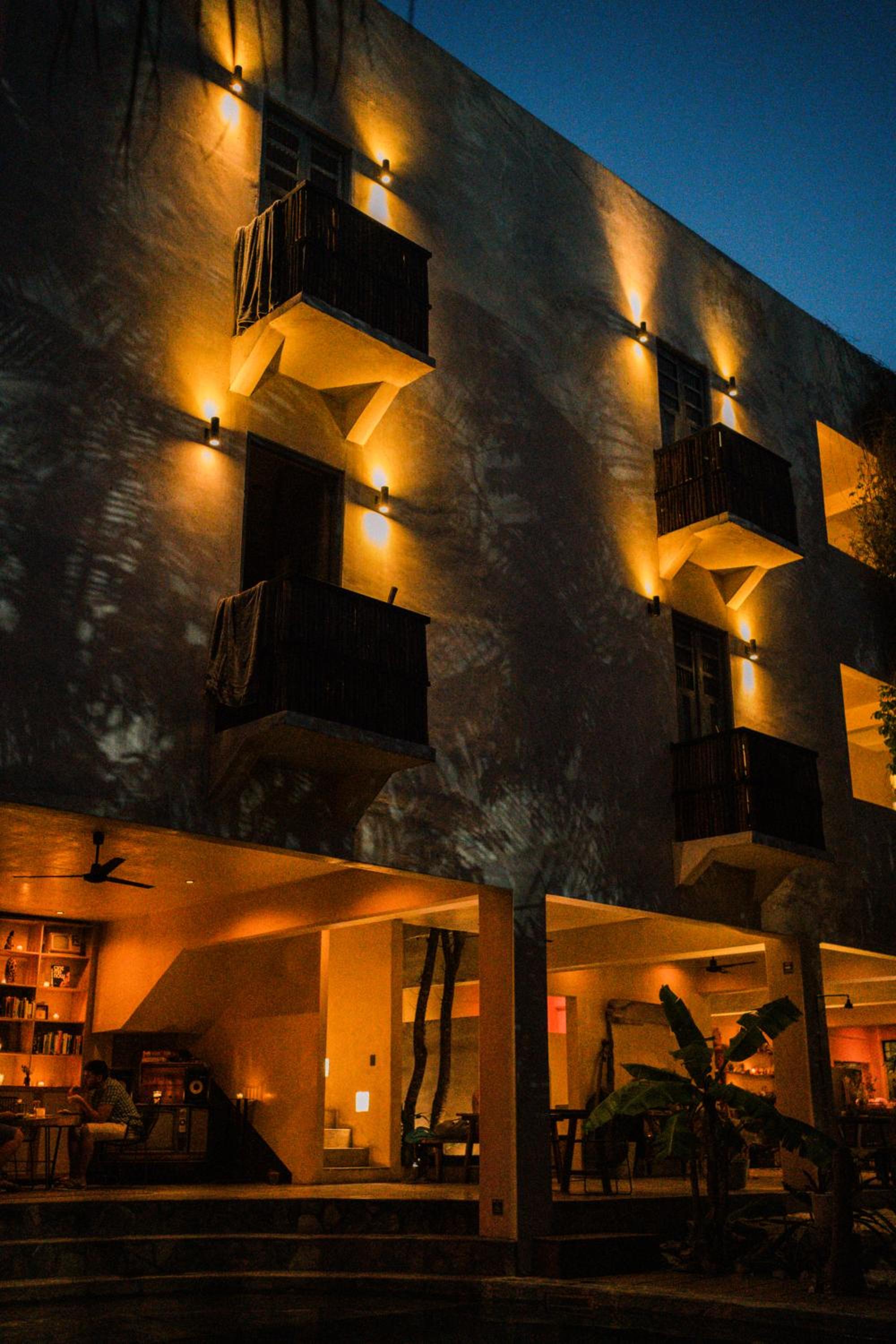


Botánica Tulum
A small hotel in the heart of Tulum town with a pool and an à la carte breakfast with vegetarian and vegan options, walkable to restaurants and the bus station; 9.5 on 1,019 reviews, the highest score here. Some rooms have no toilet door.
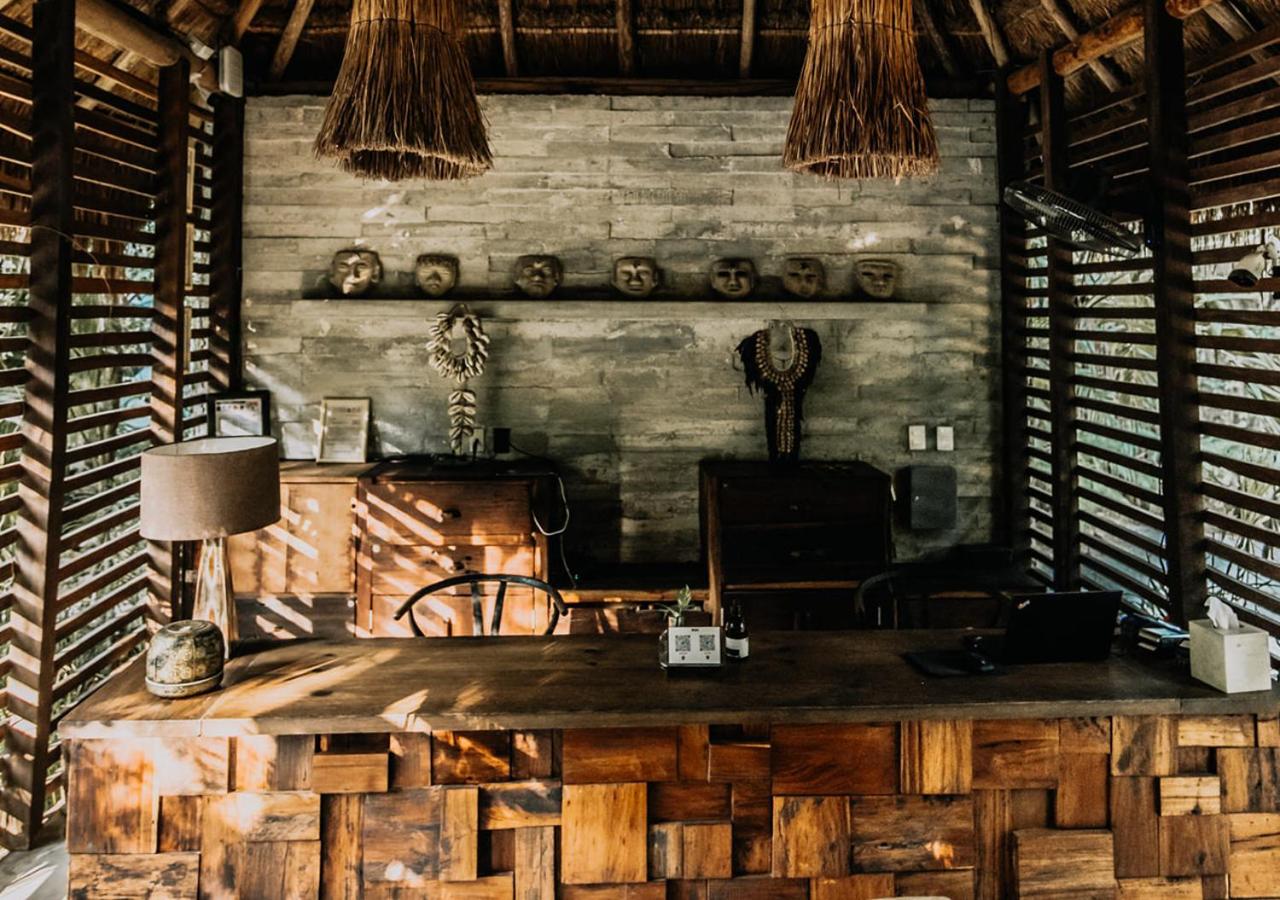
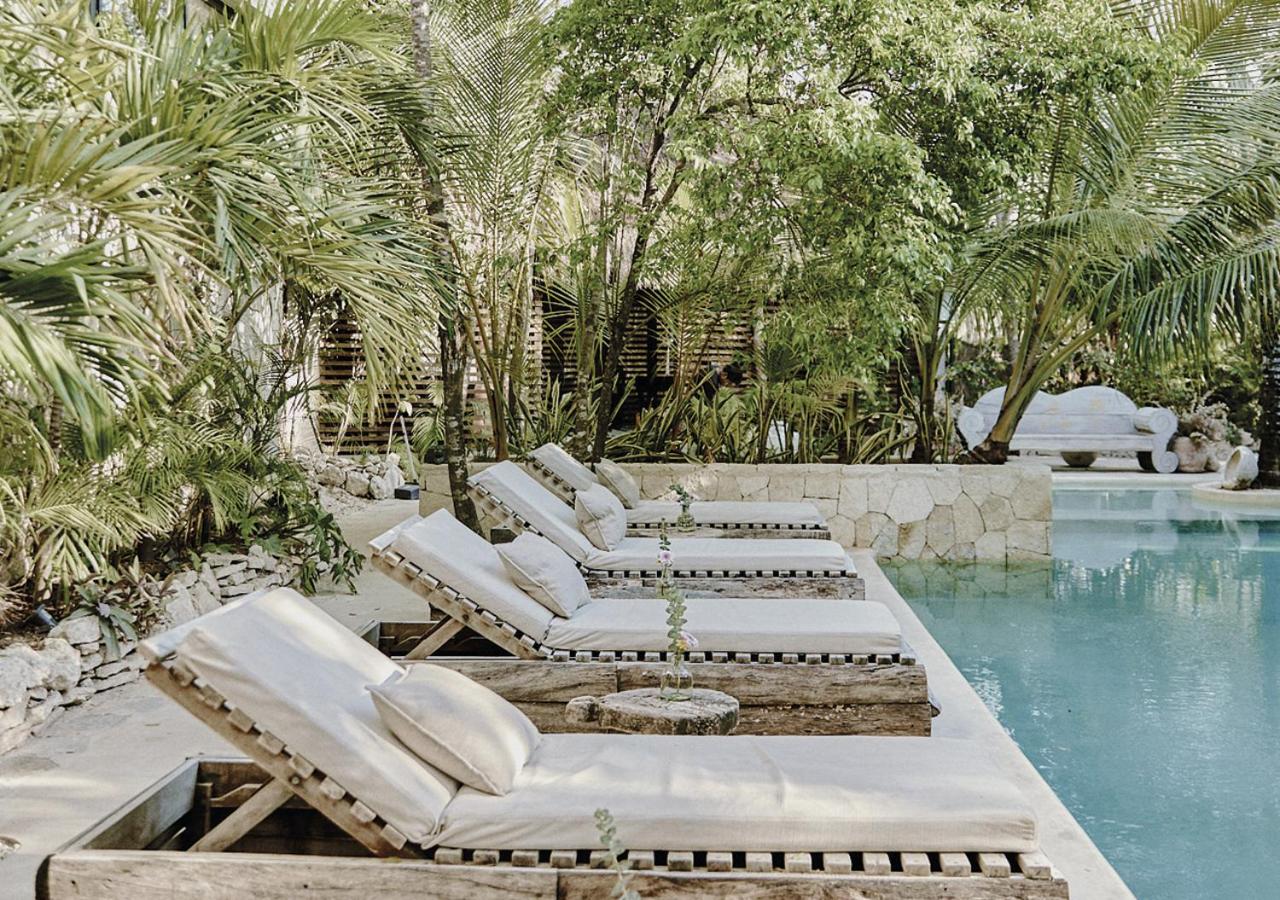
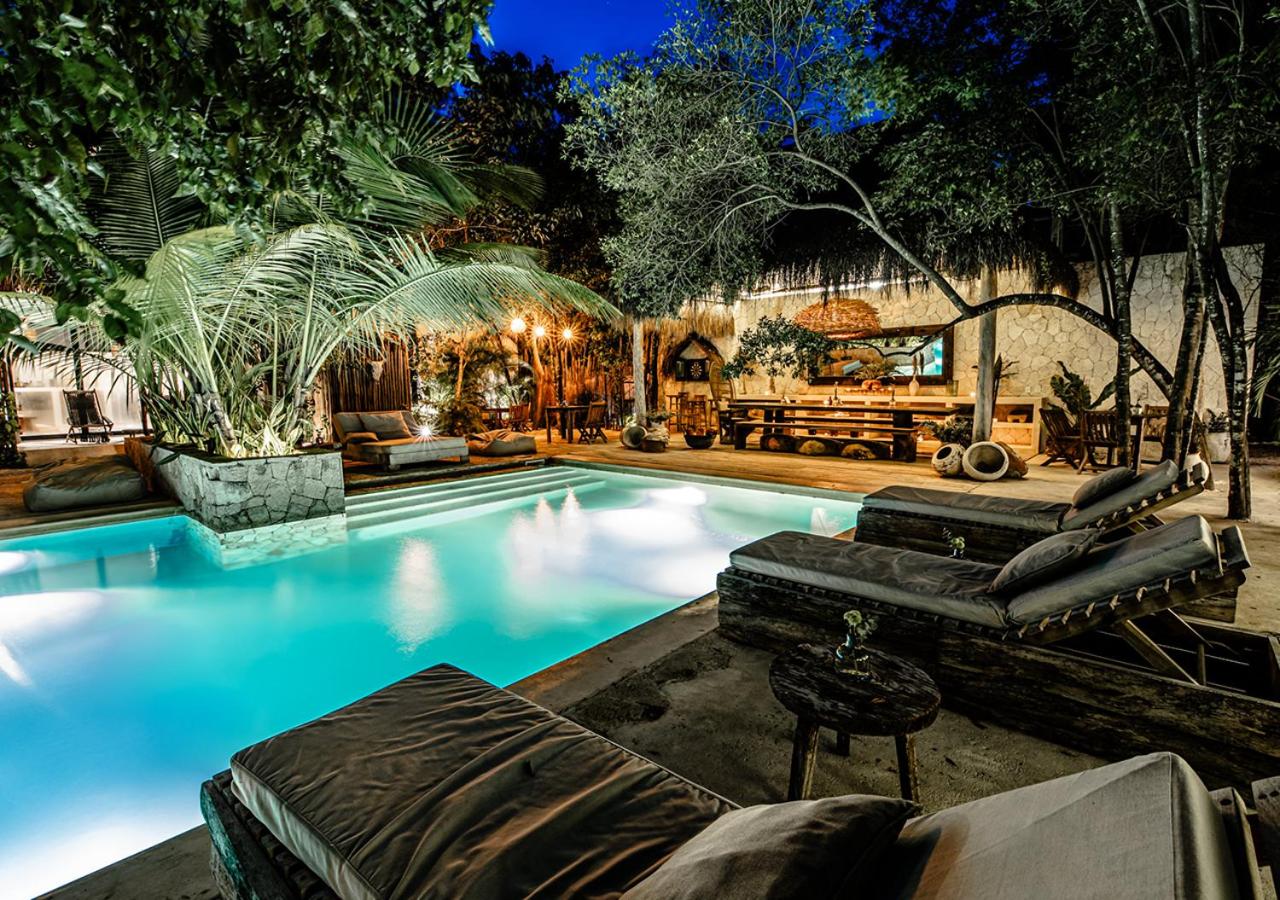
Una Vida
Eleven villas and rooms in the jungle off Avenida Tulum, some with private plunge pools, plus zen pools and bike rental; 9.4 on 577 reviews. Guests say the walk into town is not a pleasant one.


Naala Tulum
A modern hotel near the bus station with a rooftop pool, breakfast and some rooms with kitchens, at the lowest rate in this list every month; 8.6 on 2,820 reviews. Cleanliness gets mixed reviews.
Indicative nightly rate for a 3-night stay, 2 adults. Live pricing at checkout.Room only. Local taxes and fees are added at checkout and can add roughly 20%.
Search all resorts & dates →Frequently Asked Questions
Can you swim at the Tulum ruins?+
Usually, yes. A wooden staircase inside the site leads to the small cove below El Castillo, and you can swim there when it is open. It closes at times for sea turtle nesting, rough seas or heavy sargassum, and protected-area rules ban sunscreen, food, single-use plastic and beach umbrellas on the sand.
Can you bring water into the Tulum ruins?+
Yes, but only in a reusable bottle or thermos. Single-use plastic is not allowed, and guests on tours from December 2025 to September 2026 had disposable bottles taken or binned at the entrance. Refillable bottles were on sale for about $5 at the entrance shop in mid-2026.
Can you bring food into the Tulum ruins?+
No. INAH banned food at its Quintana Roo sites for the 2026 equinox, CONANP bans food on Tulum's protected beaches, and a guest in February 2026 reported food being confiscated. Eat before you go in.
What should I wear to the Tulum ruins?+
A wide-brim hat, light long sleeves or a rash guard, and closed walking shoes or sturdy sandals. There is no dress code, so shorts are fine. Wear a swimsuit underneath for the beach, and add a light poncho from June to October. Covering up matters because sunscreen is restricted on the beach and in the water.
Can you fly a drone or use a tripod at the Tulum ruins?+
No, not without prior INAH authorization. Drones are banned over archaeological zones and CONANP prohibits them in the park. Tripods and professional gear count as special equipment that needs an INAH permit. GoPros, tablets and selfie sticks are allowed but subject to a fee at the box office.
Is the Tulum ruins site wheelchair accessible?+
Partly. Electric carts (20 pesos) now cover the approach through Jaguar Park, and the walled city is mostly flat, but paths are sand, gravel and limestone with some steps, and the beach staircase has no ramp. We found no official accessibility statement, so a private guide who can adapt the route is the safest choice.
How do you get into the Tulum ruins now that Jaguar Park has opened?+
You pass through Parque del Jaguar, which wraps around the archaeological zone. Since August 10, 2026, park electric carts run from the traditional entrance to the ruins for 20 pesos per adult and 10 per child, or you can walk. Foreign visitors pay a Jaguar Park fee plus the combined park and ruins ticket.
Are dogs allowed at the Tulum ruins?+
No. INAH and CONANP both bar pets from the archaeological zone, the national park and its beaches. We found no published policy on service animals, so contact INAH before your visit if you rely on one.
Affiliate note: Some links on this page are affiliate links. If you book through them, we may earn a small commission at no additional cost to you.